
The Isthmus of Tehuantepec represents the narrowest point of Mexican territory, a geographical bottleneck where the waters of the Gulf of Mexico and the Pacific Ocean sit in close proximity, separated by a complex combination of coastal plains, tropical jungles, and the foothills of the Chiapas Sierra Madre. Since the colonial era, this natural corridor has obsessed strategists, merchants, and diplomats as the most logical route to connect both oceans. However, it was not until the dawn of the twentieth century that civil engineering successfully mastered this relentless territory through the construction of a railway line destined to redefine international commerce.
Today, the renaissance of this logistical corridor under the framework of the Interoceanic Corridor of the Isthmus of Tehuantepec (CIIT) places this railway once again at the center of the debate on global connectivity and regional development. Far from being a mere relic of the Porfirian era, the railway functions as a nervous system traversing the states of Veracruz and Oaxaca, articulating deep-water ports, welfare development hubs, and a freight and passenger transport network designed to ease the saturation of traditional routes such as the Panama Canal. This report examines the technical, historical, and socioeconomic evolution of a route that defied jungle and heat to unite two worlds.
The Geography of the Narrow Strip: Between Swamps, Jungles, and Winds
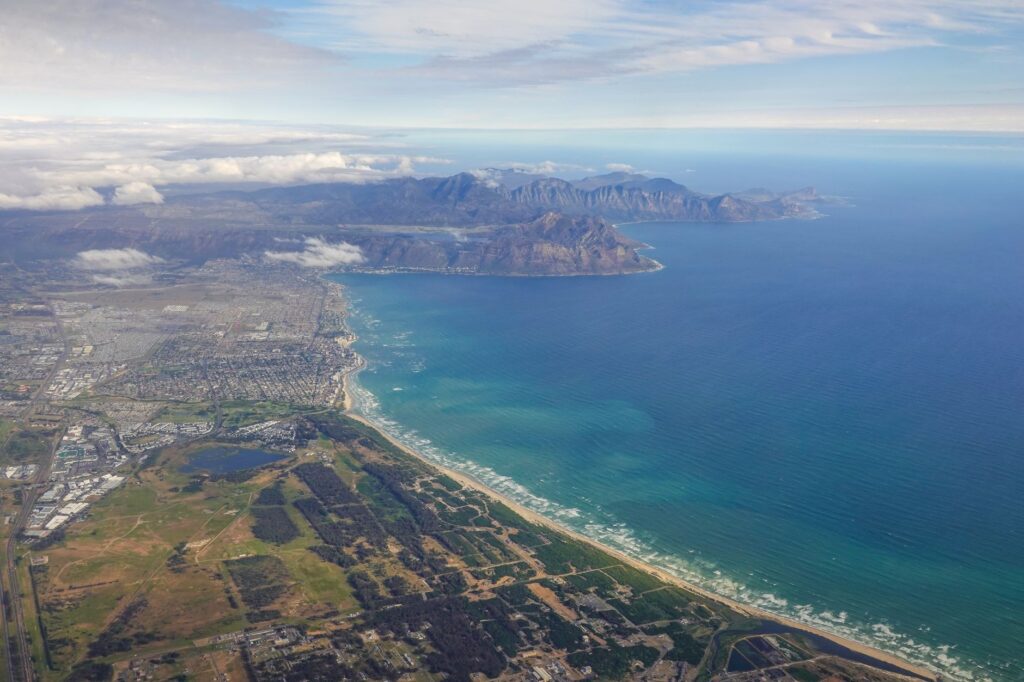
Understanding the magnitude of the Tehuantepec railway engineering feat requires analyzing the peculiarities of its physical environment. The main route linking the ports of Coatzacoalcos on the Atlantic to Salina Cruz on the Pacific spans approximately 300 kilometers across terrain where nature imposes extreme conditions. The lowlands on the Veracruz side are dominated by wetlands, swift rivers, and a torrential rainy season that during summer months transforms clay soils into impenetrable mud. Dense tropical vegetation, characterized by high jungles and mangroves, demands ongoing track maintenance to prevent invasive flora from compromising infrastructure stability.
As the track ascends toward the heart of the isthmus, the topography undulates until reaching the Tehuantepec region proper, geographically famous for the northern wind phenomenon locally known as tehuuanos. These gale-force gusts, descending from high-pressure systems over the Gulf of Mexico through the mountain gap, reach speeds capable of derailing empty railcars and toppling power lines. Original engineers had to calculate embankments and slopes with unusual resistance, anticipating that wind force would prove as decisive as locomotive weight or marine humidity corrosion at both ends of the route.
The Porfirian Epic: British Engineers and Global Capital
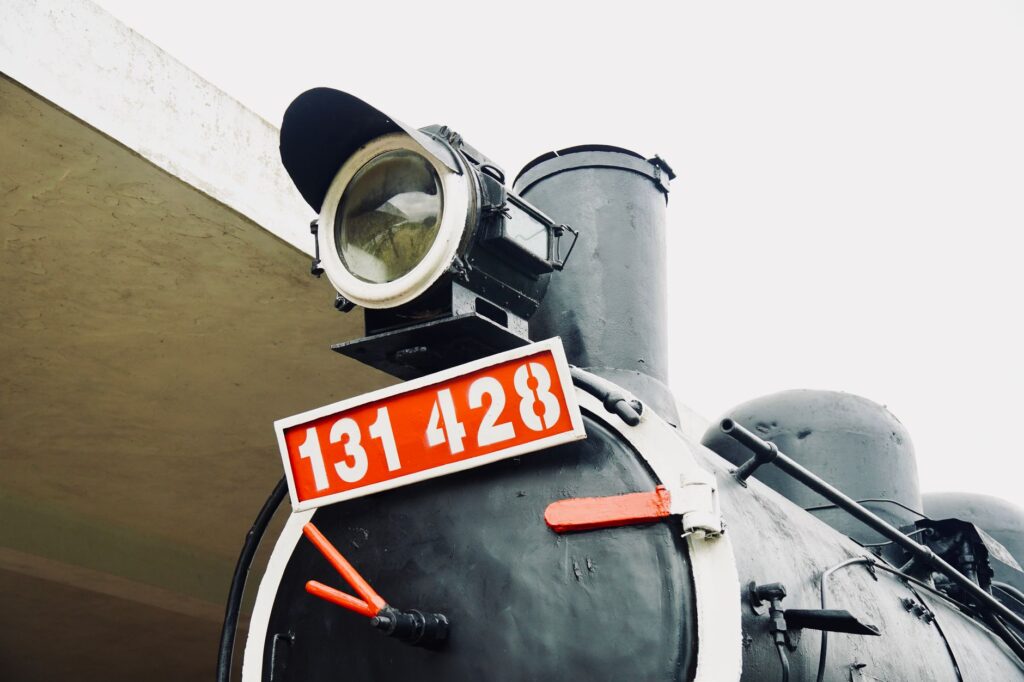
The dream of crossing the isthmus with steel rails took concrete shape in the late nineteenth century during the administration of Porfirio Díaz, a period characterized by accelerated modernization through foreign investment. Following multiple failed concessions granted to US and Mexican firms, the Mexican state signed a definitive contract with the British enterprise Pearson & Son, led by influential engineer and entrepreneur Weetman Pearson, later known as Lord Cowdray. The company assumed the titanic challenge of rehabilitating and completing the rail line while simultaneously modernizing terminal ports in Coatzacoalcos and Salina Cruz to accommodate deep-draft vessels.
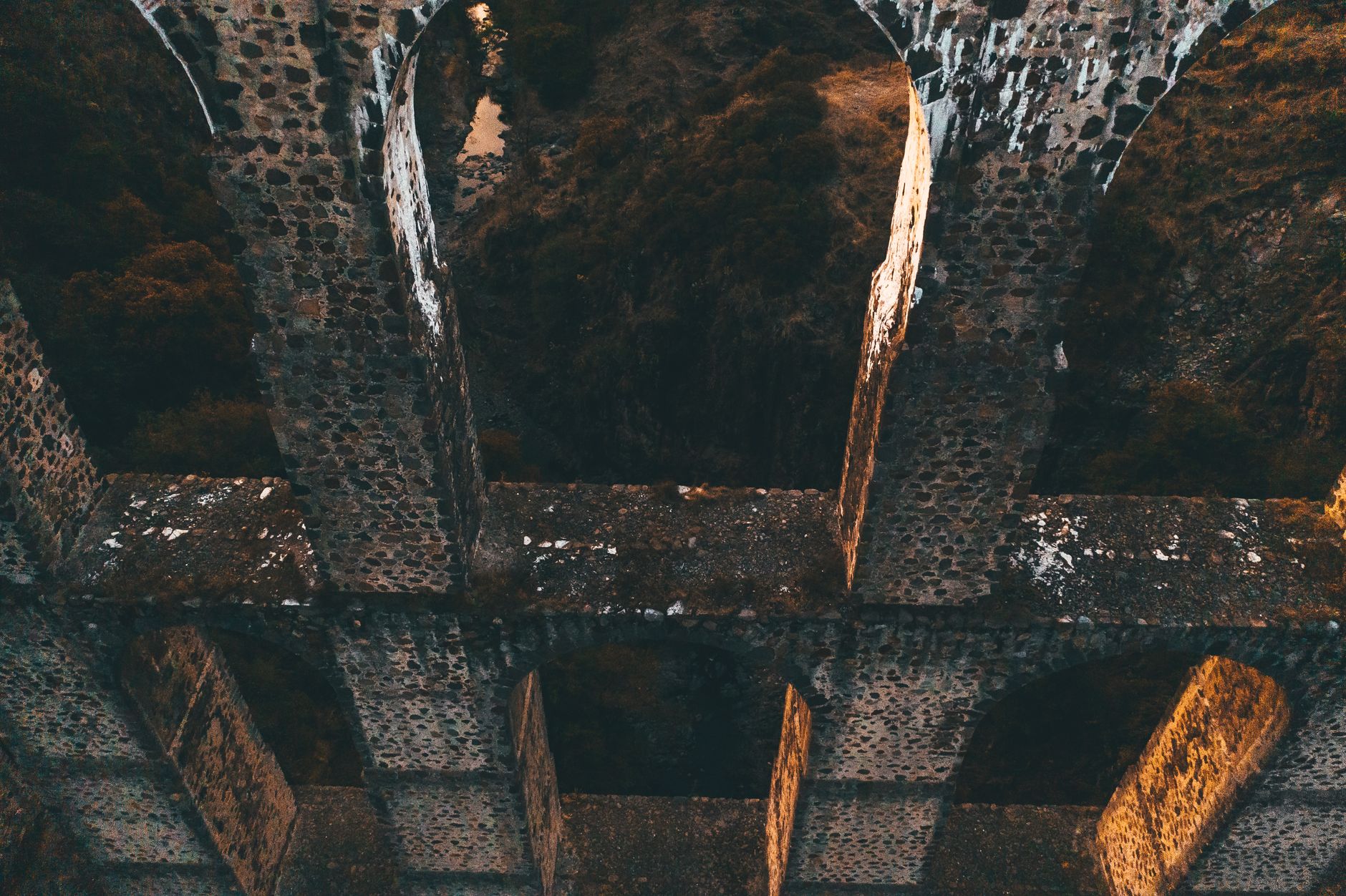
Chronicles of the era describe the construction as a titanic struggle against the tropical climate and endemic diseases such as yellow fever and malaria, which decimated a workforce composed of local laborers, migrant field hands, and foreign technicians. Thousands of tons of ballast, moisture-resistant hardwood ties, and imported steel from British foundries were deployed. To overcome elevation changes and avoid excessive grades that would limit locomotive hauling capacity, designers built lattice metal bridges and monumental earthworks that still impress observers with their solidity today. When the line was officially inaugurated in 1907, cargo transport between the Atlantic and Pacific was completed in a matter of hours, temporarily turning Tehuantepec into a global commercial hub prior to the definitive opening of the Panama Canal in 1914.
Current Infrastructure: Track Modernization and Technical Upgrades
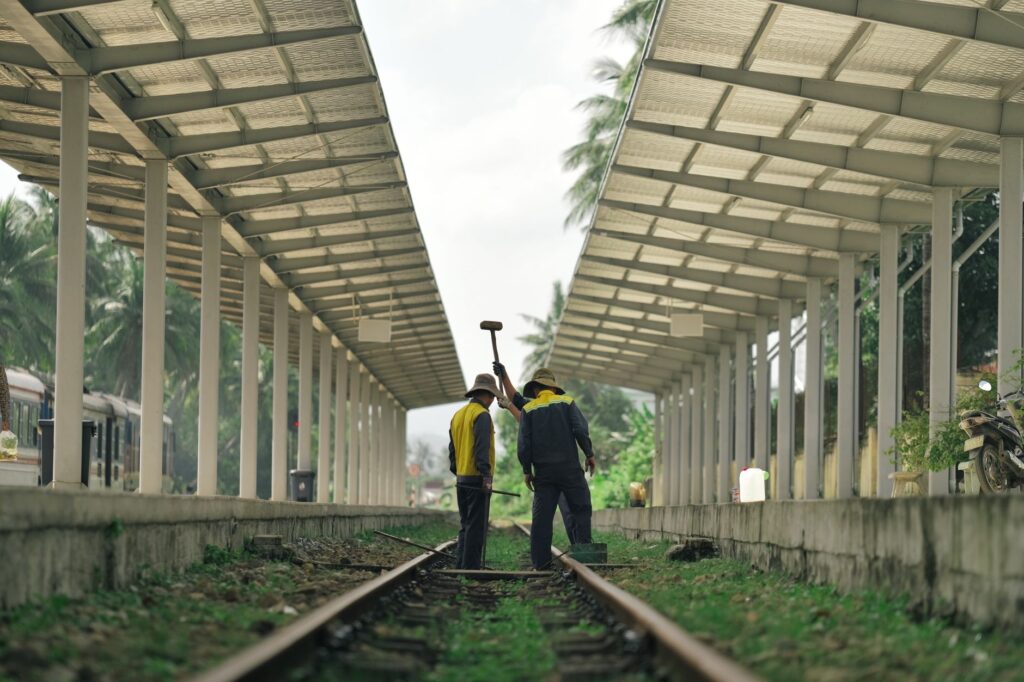
The twenty-first century brought the imperative need to update this centennial infrastructure to meet the demands of contemporary logistics. Recent comprehensive rehabilitation works executed under the CIIT framework involved the total replacement of the superstructure: traditional wooden ties gave way to monoblock concrete sleepers, and historical light rails were replaced by electrically welded high-strength heavy steel bars capable of supporting greater axle loads and higher commercial speeds for both freight and the new passenger service.
Likewise, modernization included the rectification of sharp curves and gradient leveling to optimize transit times. Dozens of historical bridges were intervened, reinforcing their original metal structures with seismic-resistant technology and deep foundations, given the region’s high tectonic activity. Partial electrification, digital signaling systems, and centralized traffic control (CTC) centers transformed the railway into a digitalized platform where operational safety and cargo traceability are managed in real time, drastically reducing human error margins.
The Bi-Oceanic Renaissance: Logistical Alternative to Maritime Collapse
In the current chessboard of international trade, the Interoceanic Corridor of the Isthmus of Tehuantepec emerges as an indispensable complementary artery. Facing recurrent port congestion at major global nodes and water restrictions periodically limiting transit capacity in the Panama Canal—driven by changing weather patterns and prolonged droughts—the option of intermodal container transshipment via high-capacity trains offers undeniable financial and strategic appeal to international shipping lines.
The logistics model operates through a seamless chain: container ships dock at the modernized ports of Salina Cruz or Coatzacoalcos, where state-of-the-art gantry cranes offload cargo directly onto rail platforms or high-specification freight trucks. The overland journey is completed in hours, crossing the isthmus to deposit cargo at the opposing port for re-embarkation toward final destinations on the US East Coast, Europe, or Asian markets. This flow significantly reduces global transit times compared to alternative routes and offers supply chains unprecedented flexibility against geopolitical or climatic crises affecting traditional maritime lanes.
The steel laid across the jungle is not merely a freight conduit, but the physical testimony of human persistence against the vastness of the tropics.
Nevertheless, the long-term viability of this bi-oceanic corridor depends on factors transcending pure railway engineering. Harmonious integration with local communities, environmental management in a high-biodiversity region, and customs efficiency are critical variables determining system competitiveness against alternative logistics options in Latin America. The articulation between transport infrastructure and the Welfare Development Poles—industrial parks equipped with tax incentives—aims to consolidate a diversified regional economy that does not rely exclusively on passing freight transit, but generates local added value.
Industrial Architecture and Railway Heritage in the Oaxacan Landscape
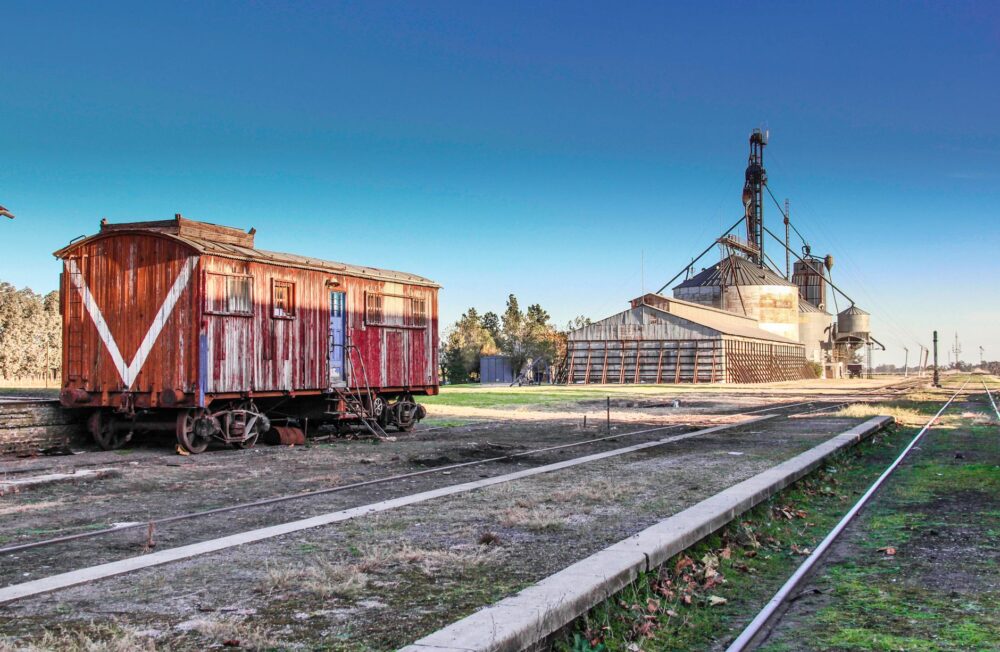
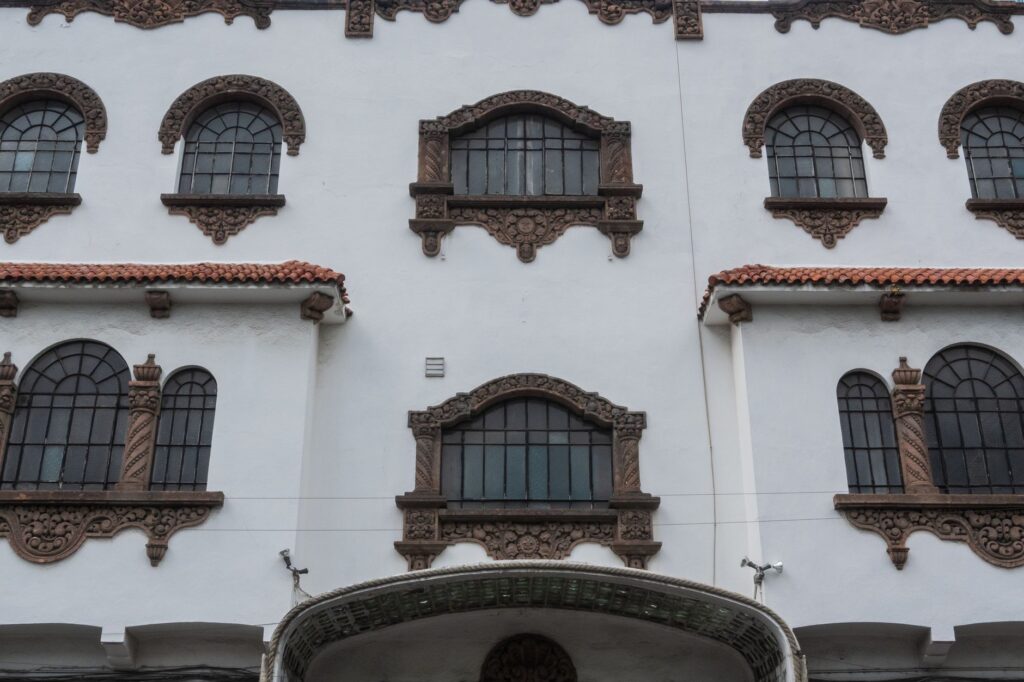
Traveling along Line Z of the railway is not solely an exercise in logistical analysis; it is also a journey through the industrial architecture and cultural heritage of Mexico’s southeast. In emblematic stations such as Matías Romero, Ixtepec, and Medias Aguas, the traveler and researcher encounter buildings reflecting the imprint of early twentieth-century British and national engineers. These structures, featuring broad eaves to protect masonry from tropical rain, metal-sheet gable roofs, and wide ventilation corridors, served for decades as the social and economic heart of entire towns born alongside the train.
Many of these stations underwent heritage rescue, integrating into the restored urban landscape as cultural centers, community museums, or administrative headquarters for the railway operator. The locomotive repair shops in Matías Romero, which once employed thousands of specialized workers and formed a historical bastion of Mexico’s railway union movement, retain red brick industrial naves and riveted metal structures evoking European Industrial Architecture adapted to the American tropics. The preservation of this architectural heritage underscores the importance of recognizing the railway not only as an engine of economic progress, but as a shaping element of the cultural and social identity of Isthmian communities.
Practical guide
Planning a study trip or observation journey along the Isthmus of Tehuantepec Railway requires understanding the operational and geographical characteristics of the region. The fundamental aspects for structuring the visit are detailed below:
Main route and operational segments: The railway corridor formally connects the ports of Coatzacoalcos, Veracruz, on the Gulf of Mexico, with Salina Cruz, Oaxaca, on the Pacific Ocean, traversing approximately 300 kilometers of plains and mountain ranges.
Passenger services: Following comprehensive rehabilitation, passenger train services operate on scheduled regular frequencies, connecting major intermediate stations such as Jesús Carranza, Matías Romero, and Ixtepec. Consulting current timetables directly on the official platforms of the Interoceanic Corridor is recommended.
Climate and recommended season: The climate is humid tropical with high temperatures year-round. The dry season (November to May) is best suited for fieldwork and architectural photography, avoiding intense summer rains and extreme northern wind events.
Support infrastructure: The cities of Coatzacoalcos, Minatitlán, Salina Cruz, and Juchitán de Zaragoza offer the highest concentration of formal lodging services, secondary land connectivity, and supply centers for researchers and specialized travelers.
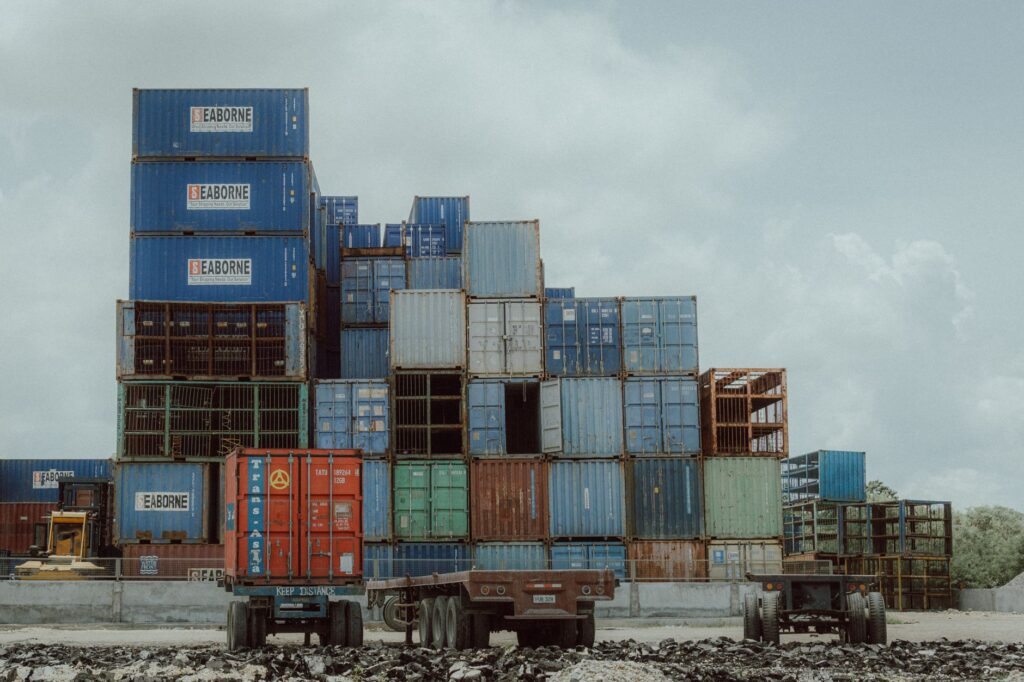
Access to port and logistics facilities: Visits to specialized container port terminals on both oceans and Development Poles require prior authorization issued by the Interoceanic Corridor authorities and corresponding comprehensive port administrations.
Safety and regulations: Industrial safety regulations are mandatory when transiting near rights-of-way, rail yards, and construction zones within industrial poles, respecting signage and access restrictions.
Epilogue on the Pacific Coast: The Horizon of Salina Cruz
The journey along the Isthmus of Tehuantepec formally concludes where the steel tracks merge with the docks of Salina Cruz under the immensity of the Pacific Ocean. Here, the contrast between heavy engineering of monumental breakwaters, the movement of cargo cranes, and the stillness of the open sea encapsulates the paradox of this territory: a millennial meeting point between wild nature and human ambition to shorten planetary distances. Locomotives descending loaded from the Veracruz jungle complete their traverse facing a marine horizon that continues projecting Mexico toward Asia-Pacific trade routes.
Contemplating the sunset over the Salina Cruz dikes while a container train aligns for re-embarkation reveals the strategic value of this infrastructure. Far from ephemeral tourism fads, the Isthmus of Tehuantepec Railway reaffirms itself as a monumental work of technical persistence and geopolitical vision. Its history is the chronicle of how human ingenuity managed to trace a route across swamps and tropical winds, demonstrating that global connectivity and territorial sovereignty can travel together on steel rails.