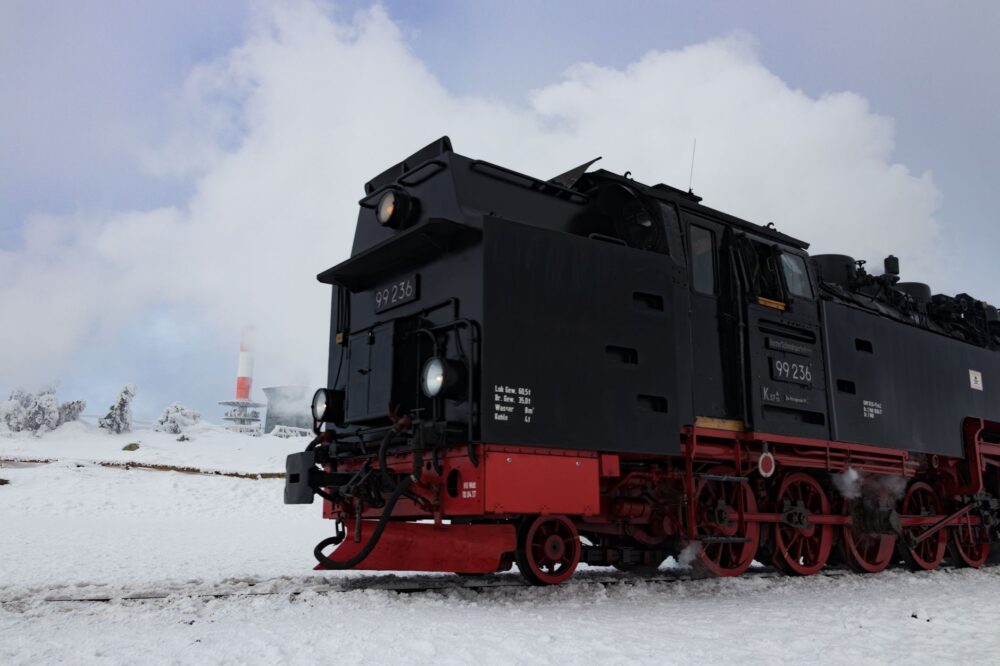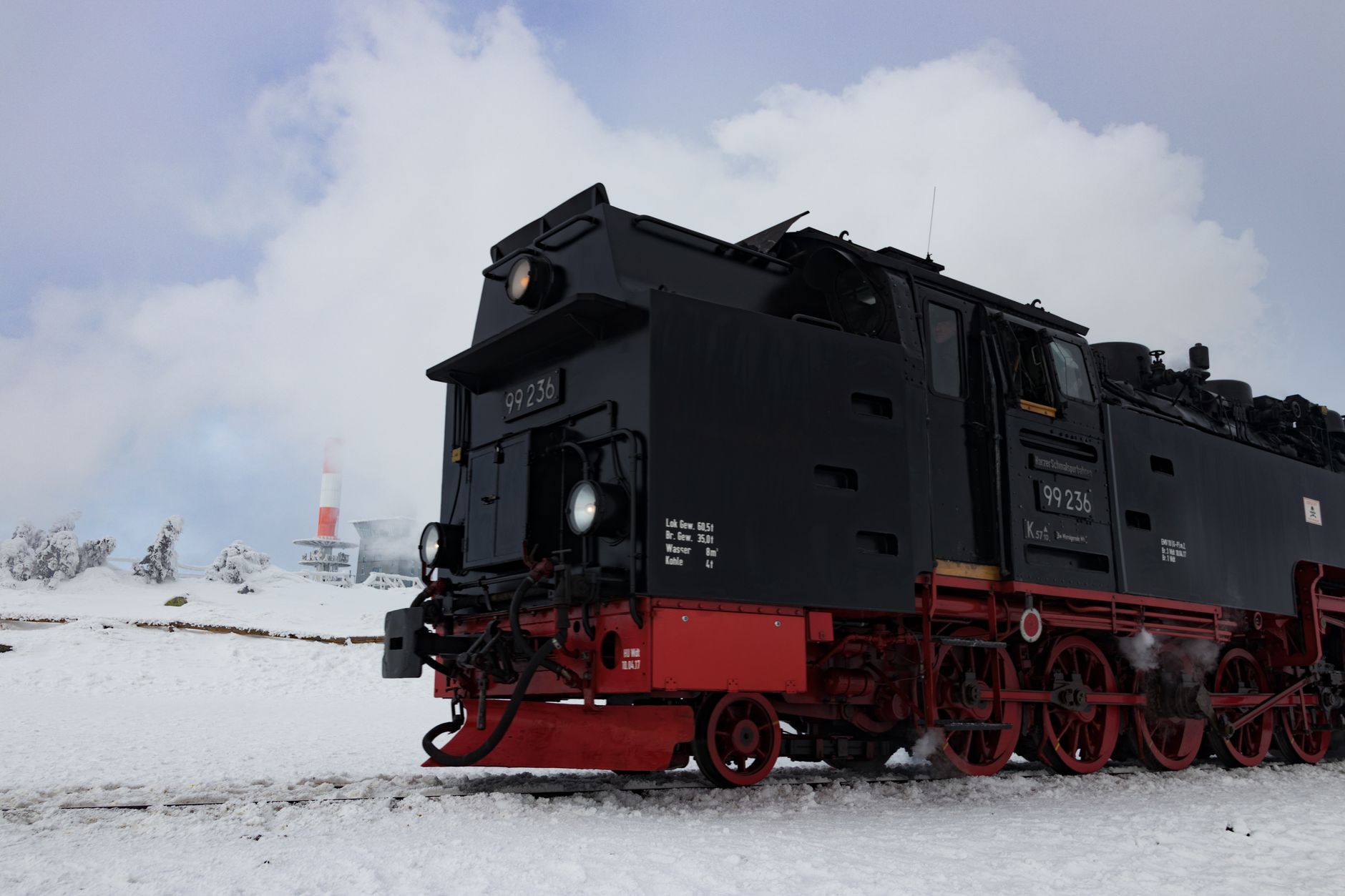

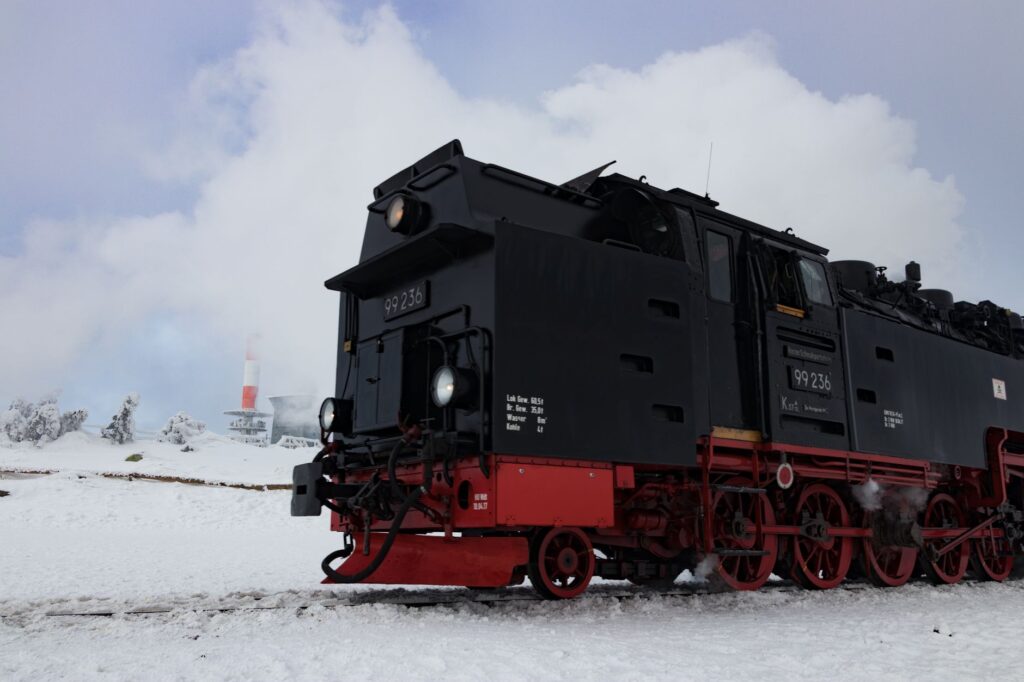
In the geographic heartland of Germany, where dense mountain woodlands yield to granite summits shrouded in alpine mist, regional transit is not quantified in kilometers per hour or dictated by high-speed algorithms. Instead, it moves to the cadenced beat of steel pistons and the thick plume of condensing steam. The Harz narrow-gauge railway network, known officially as the Harzer Schmalspurbahnen, operates a living 140-kilometer infrastructure of meter-gauge track spanning three federal states: Saxony-Anhalt, Thuringia, and Lower Saxony. Far from being a mere static display for railway enthusiasts, this complex system serves as a essential public transit network and a vital logistical lifeline for the mountain settlements dotting the rugged Harz massif.
Traversing high mountain passes, forests undergoing profound ecological succession, and slopes buried under deep winter snow, historic steam locomotives fulfill uninterrupted daily timetables. This feature explores the operational engineering, artisan preservation, and regional integration of a railway system that has weathered geopolitical divisions, technological shifts, and economic upheaval to stand as a masterclass in sustainable mobility and territorial identity.
A network of steam and oak in the heart of Germany
The origins of the network trace back to the late nineteenth century, an era when the broken terrain and expanding timber and mining industries of the Harz required an agile transport solution. Standard broad-gauge construction was rendered cost-prohibitive by steep topographies and extensive rock cutting. In 1887, the inauguration of the first section along the Selke Valley marked the beginning of a metric network that would soon link the northern foothill city of Wernigerode with the southern plains of Nordhausen and the legendary summit of the Brocken peak. Unlike many European mountain feeder lines that faced electrification or abandonment following World War II, the Harz infrastructure survived intact within the state-run East German railway administration.
This continuous status as an active public utility preserved not only the physical permanent way, but an entire technical ecosystem of mechanical interlocking towers, cast-iron water cranes, red-brick engine sheds, and hand-cranked level crossings. Today, the operating company maintains an active fleet of steam locomotives constructed primarily during the 1930s and 1950s, complemented by lightweight diesel railcars that handle early-morning commuter runs for valley residents and schoolchildren. The presence of these engines is no theatrical staging; it represents the rigorous execution of a regional transit franchise servicing over four dozen mountain stations and halts.
The Harz topography and the triumph of the metric gauge
Selecting a track gauge of 1,000 millimeters was far more than a budget-driven compromise; it was an engineering mandate dictated by the mountain’s geology. Tight curves down to sixty-meter radii and continuous gradients climbing up to 3.3 percent demanded lightweight, flexible rolling stock with superior adhesion qualities. Civil engineers carved stone masonry viaducts, blasted rock cuts through metamorphic formations, and bored the only narrow-gauge tunnel in the northern German mountain ranges near the settlement of Steinerne Renne.
The alignment hugs natural terrain contours, winding tightly through the gorges carved by the Holme, Ilse, and Selke rivers. While this sympathetic routing minimized environmental disruption during construction, it places exacting demands on modern locomotive crews. Engine drivers must continuously balance boiler pressure and water levels through precise anticipatory reads of the track profile. Sustained mechanical effort on long uphill climbs consumes up to two tons of hard coal per shift on high-demand runs, turning every ascent into a masterclass of manual coordination and route knowledge.
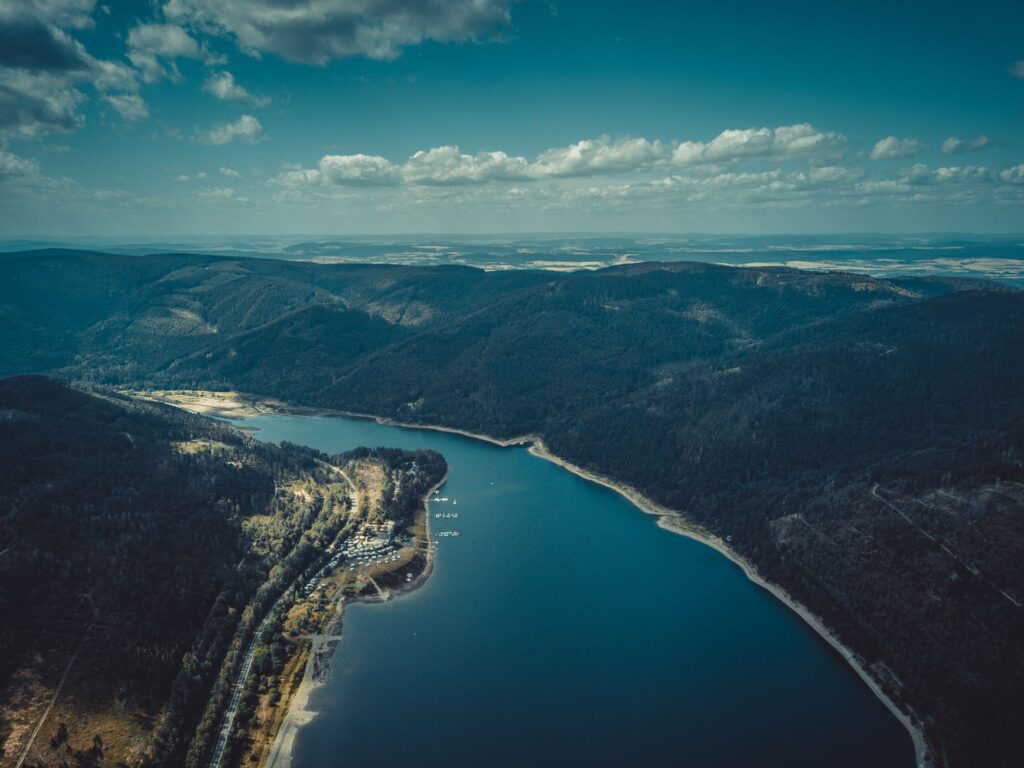
The Harz rail alignment is a living masterclass in historical engineering, where topography dictates speed and human skill ensures movement.
From the Selke Valley to the Brocken: three lines for a single landscape
The Harz network is structured around three primary arteries that converge at strategic operational junctions, each displaying distinct geographic and functional characteristics:
- The Harz Railway (Harzquerbahn): Traverses the range from north to south, connecting Wernigerode to Nordhausen. It forms the backbone of the system, blending daily rural transit with steam haulage and regional diesel runs.
- The Selke Valley Railway (Selketalbahn): The oldest and most picturesque branch, winding between Quedlinburg, Alexisbad, and Hasselfelde. Its rails penetrate narrow, heavily wooded valleys connecting timber hamlets and historic half-timbered towns.
- The Brocken Railway (Brockenbahn): Branching off at the high-altitude junction of Drei Annen Hohne, it climbs to 1,125 meters above sea level at the summit of the Brocken. It carries the highest passenger volume and represents the highest non-rack, pure-adhesion narrow-gauge line in Central Europe.
Transferring trains at Drei Annen Hohne station offers a remarkable display of operational synchronization. On its wooden platforms, amid the thick aroma of coal smoke and steam, trains arriving from three separate valleys meet seamlessly. While locomotives take on water from overhead cranes, passengers make smooth cross-platform connections, enabling full regional mobility across the mountain range without reliance on personal motor vehicles.
Workshops, engine sheds, and the craft of steam boilers
Maintaining a fleet of heavy steam locomotives in continuous daily service in the twenty-first century is an industrial feat requiring specialized facilities and a skilled craft tradition. The mechanical epicenter of the network is situated at the Wernigerode Westerntor engineering depot. Within this historic brick complex—recently expanded with public viewing galleries—crews execute full boiler overhauls, chassis re-alignments, and custom machining of components no longer available from commercial suppliers.
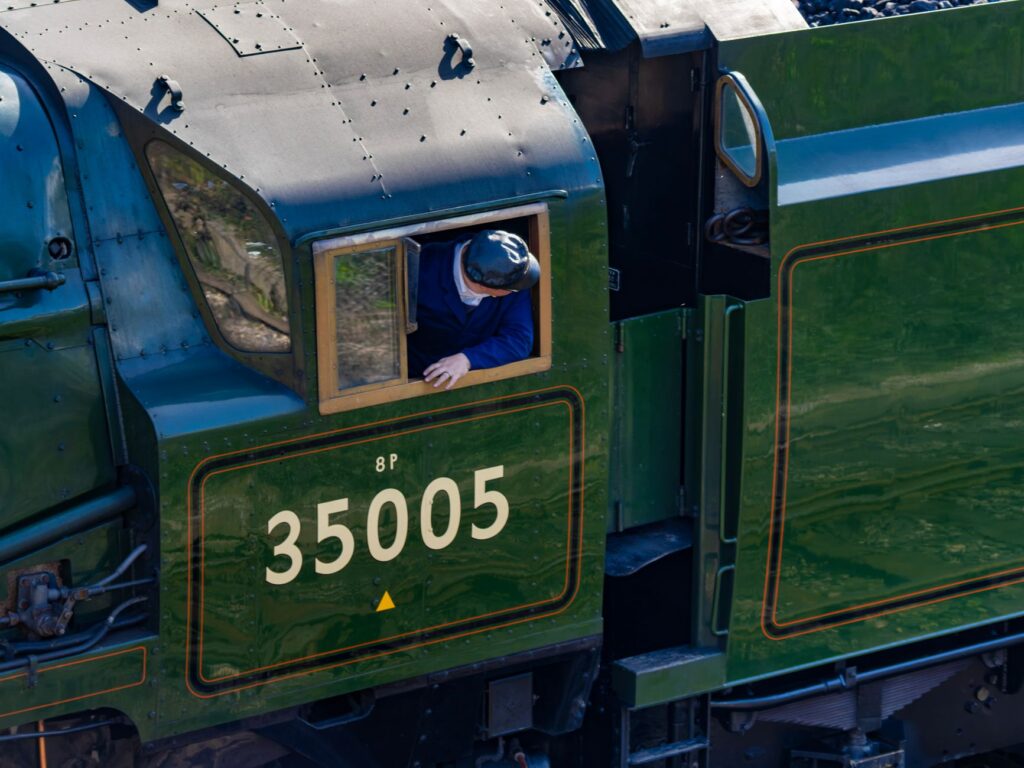
Machinists, boilersmiths, and fitters inside the Wernigerode shop craft bronze axle bearings by hand, set complex Walschaerts valve gears, and re-rim heavy steel driving wheels using vintage hydraulic presses. This in-house technical self-reliance is crucial for maintaining official boiler safety certifications under strict federal German railway regulations. The oral transmission of these specialized skills from master craftsmen to young apprentices prevents the extinction of a mechanical heritage that elsewhere vanished with widespread line electrification.
Forest transformation: between mountain mist and ecological renewal
A ride aboard the open-balcony passenger coaches offers an unobstructed view of the profound ecological shift underway across the Harz National Park. In recent years, a combination of prolonged drought periods and bark beetle infestations has decimated vast swathes of commercial spruce monocultures planted during the mid-twentieth century. Rather than detracting from the journey, the rail route provides a front-row seat to the natural regeneration of the primary forest.
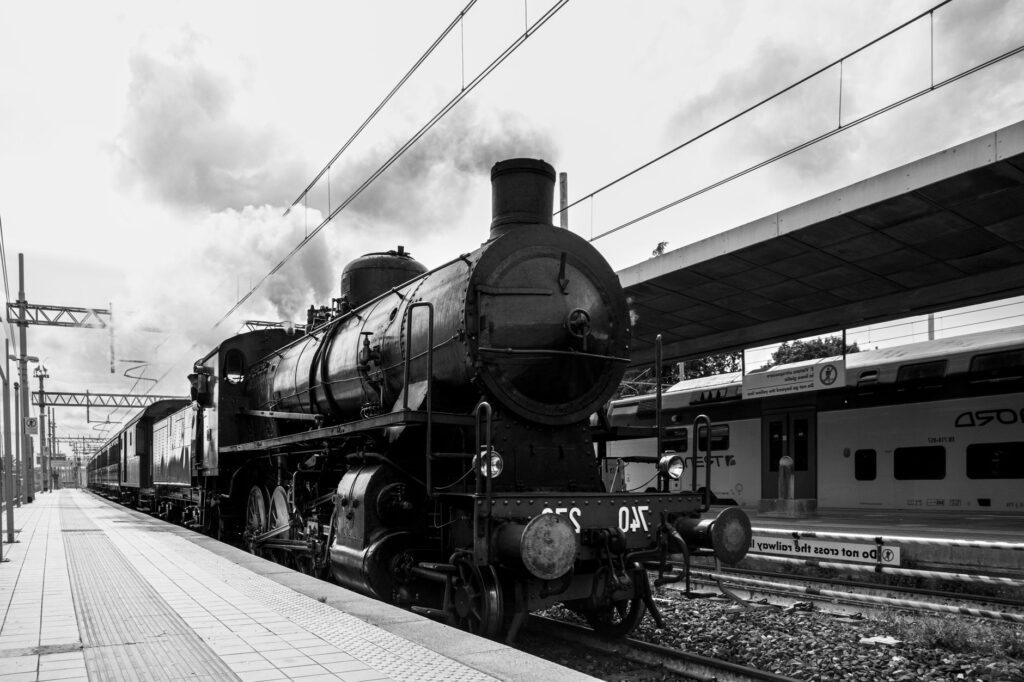
Amid the silver, weathered trunks of fallen spruce stands, a diverse understory of young beech, rowan, and native broadleaf trees is rapidly taking root, returning the mountain slopes to their original mixed-forest state. The stark visual contrast between the jet-black steam engine venting white exhaust and the sunlight penetrating the newly opened canopy underscores the dynamic nature of the landscape. In response, the railway operator maintains strict fire-prevention measures, including vegetated buffer strips along the right-of-way, water-tender standby cars in peak summer, and spark-arrestor meshes fitted inside locomotive smokeboxes.
The steam train pressing through regenerating woodland illustrates the resilience of nature amid shifting mountain climates.
The daily rhythm of timber and granite stations
The stations along the Harz network preserve Central European railway architecture of the late nineteenth century. Passenger buildings constructed with local granite foundations and spruce-shingle upper stories act as vital civic hubs for isolated communities during severe winter snowfalls. Stations such as Steinerne Renne, Schierke, and Alexisbad keep their waiting rooms warm with cast-iron stoves fueled by coal briquettes.
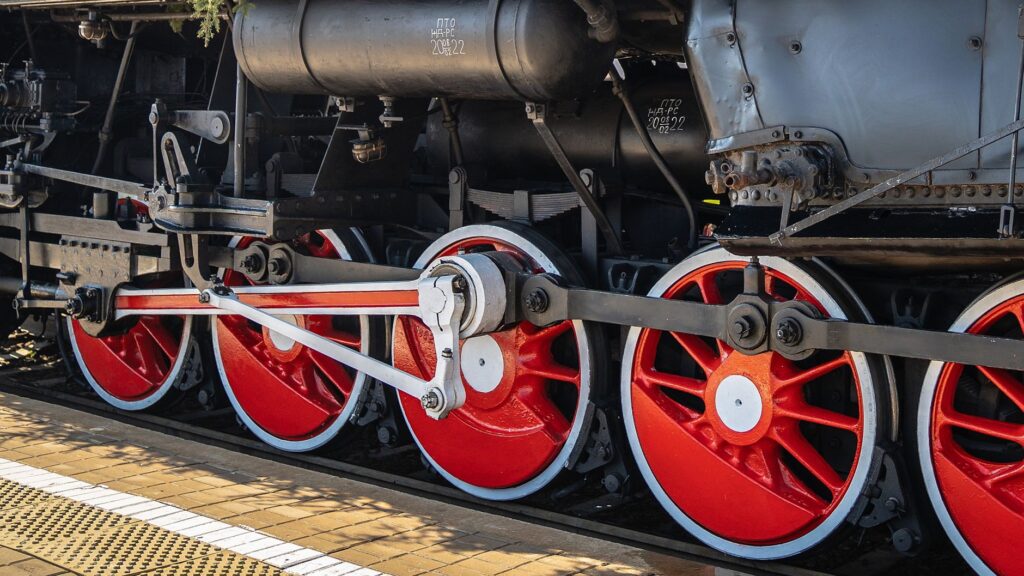
Daily movements continue to depend on stationmasters stationed on the platforms, who step outside holding signaling disks and whistles to dispatch departing trains. Manual lever frames and mechanical wire transmissions still actuate switches and arm signals from signal boxes to the trackside. This robust analog system offers high operational reliability that withstands power outages and severe winter weather across the upper mountain reaches.
Practical guide
Planning a trip along the Harz narrow-gauge network requires understanding the operational layout and ticket integration across regional transport systems:
- Key gateway stations: Wernigerode in the north (connected to Deutsche Bahn regional trains from Hanover and Leipzig), Quedlinburg in the east (a UNESCO World Heritage city), and Nordhausen in the south (linking to Thuringian regional lines).
- Fares and ticketing: Standard network tickets cover all lines. A special flat-rate fare applies specifically to the upper mountain section ascending the Brocken summit. Germany’s national transit pass (Deutschlandticket) is valid without surcharge on all regular diesel railcar services and general lines of the network, excluding only the dedicated Schierke–Brocken summit steam section, which requires a supplemental ticket.
- Schedules and seasonality: The railway operates 365 days a year. Winter timetables are adjusted for winter sports traffic, featuring double-headed steam locomotives on the Brocken line during heavy snowfall.
- Hiking connections: Multiple stops, including Alexisbad, Steinerne Renne, and Drei Annen Hohne, offer direct access to the well-marked Harzer Hexen-Stieg trail network, making it easy to combine hiking segments with return journeys by train.
The memory of coal against the snow of the Brocken peak
As the locomotive pushes through the final incline before breaking out onto the exposed plateau of the Brocken peak, the tree line falls away entirely and Arctic winds strike the carriage windows. In midwinter, freezing fog covers the train’s ironwork in heavy rime frost, framing the orange glow from the firebox door inside the cab. The fireman, face lined with soot and heat, shovels the final coal charge before bringing the train to a halt beside the summit’s historic weather station.
Standing on the open end platform of the rear coach, the traveler watches the white steam column dissolve into the vast horizon of central Germany. In that quiet moment, broken only by the rhythmic thrum of the air compressor pump, the true spirit of the Harz railway becomes clear: a monumental piece of living engineering that refuses to become a museum artifact, fulfilling its daily duty to connect communities across the untamed geography of the mountain.