
Engineering and Geography at the Roof of Europe
Transit across the Alps has historically constituted one of the greatest challenges for civil engineering and transport planning on the European continent. For centuries, elevated mountain passes represented formidable barriers that isolated entire valleys during the long winter months. Today, the railway network crossing these summits is not merely a tourist amenity, but rather the circulatory system enabling the economic and social cohesion of entire alpine communities, articulating a delicate balance between technological modernization and the preservation of a fragile natural environment.
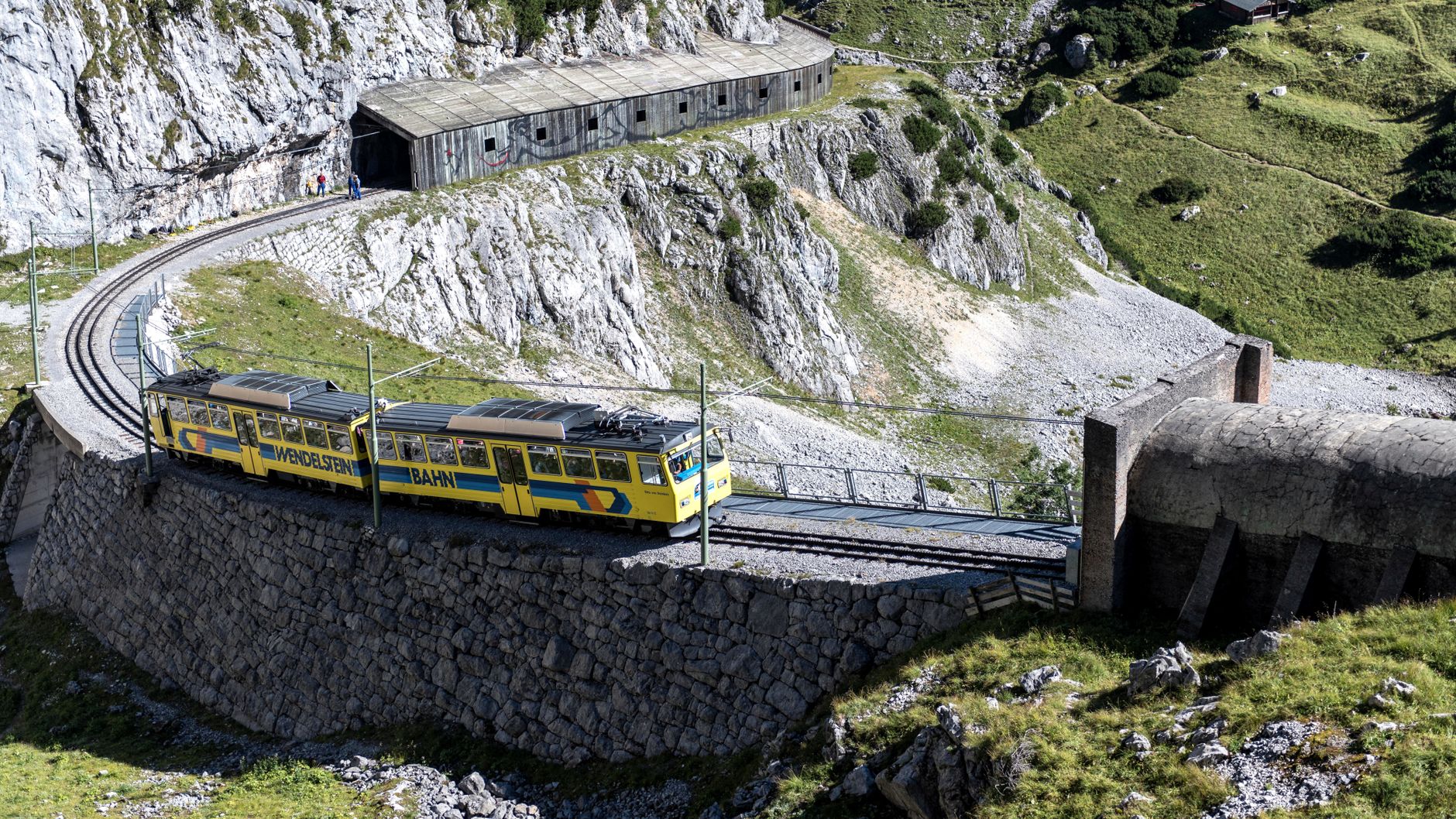
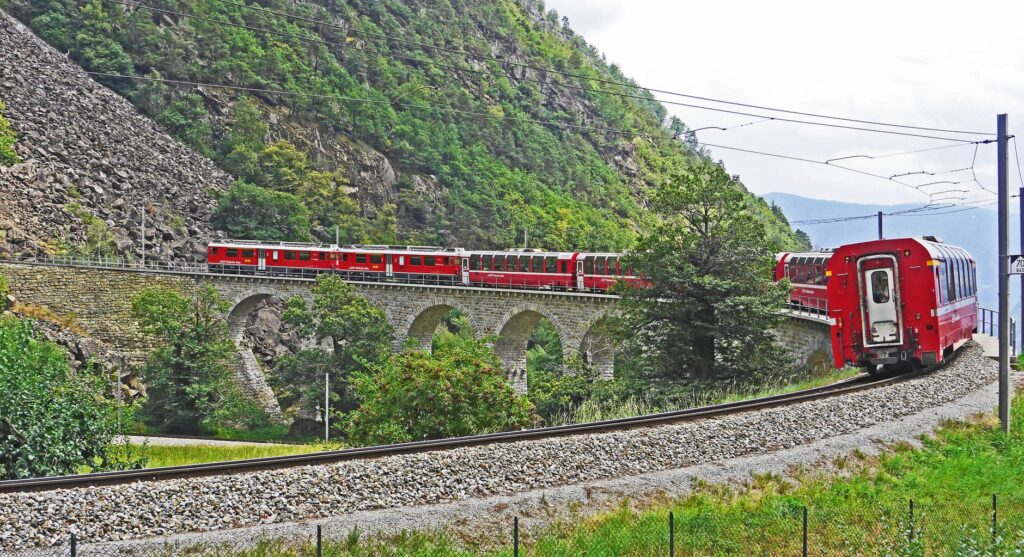
The complexity of this railway corridor lies in the necessity of overcoming extreme elevation changes without compromising passenger safety or the structural integrity of the tracks. While massive base tunnels pierce the rock at low altitudes to guarantee the speed of long-distance freight and passenger traffic, historic mountain railways continue to operate using rack-and-pinion systems and mixed adhesion, defying gradients exceeding twenty percent inclination. This contrast defines an interconnected transport model where high speed and deliberate slowness coexist within the same territory.
The Technological Evolution of Alpine Traction
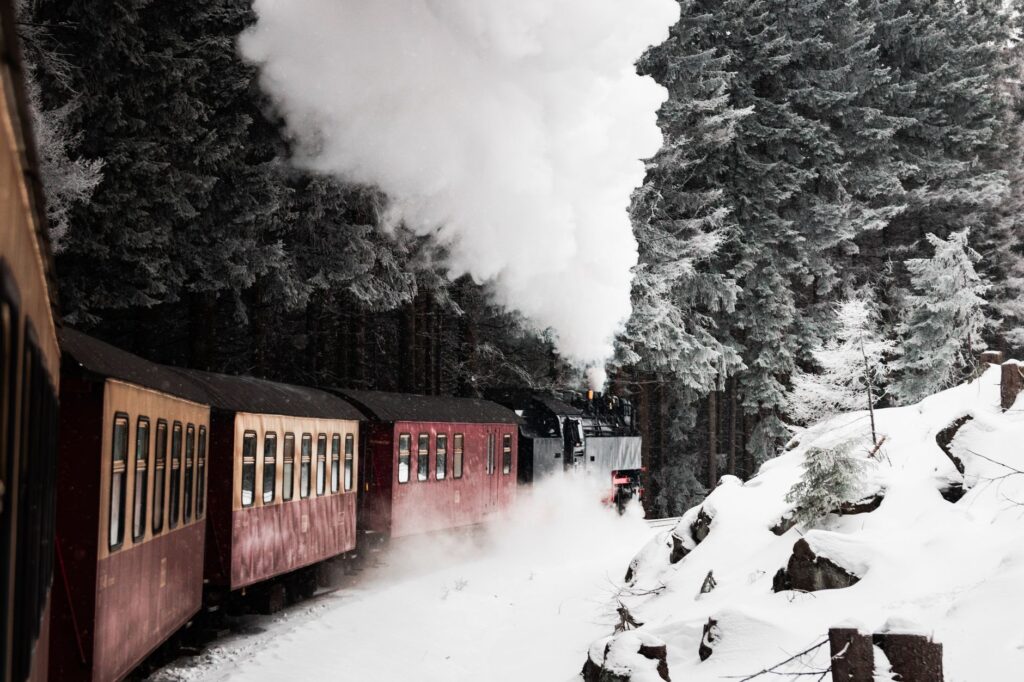
The design of locomotives operating on these routes has evolved from traditional steam boilers to modern dual-traction electric trains. In high-mountain sections, where the adhesion of steel wheels on rails becomes insufficient due to snow and steep gradients, engineers resort to the system invented in the nineteenth century by Swiss pioneers, integrating a third toothed rail in the center of the track upon which the locomotive’s cogwheel engages. This mechanical solution guarantees safe and controlled advancement, even under extreme meteorological conditions.
Added to this mechanical robustness is the integration of state-of-the-art digital signaling systems capable of monitoring slope stability and rockfall hazards in real time. The network of sensors installed along the gorges transmits continuous data to control centers situated in the valleys, allowing automatic speed reduction or preventive service interruption upon any geological anomaly. In this way, cutting-edge technology acts as an invisible shield protecting infrastructure constantly exposed to the fury of natural elements.
The Human Pulse: Drivers, Technicians, and High-Altitude Communities
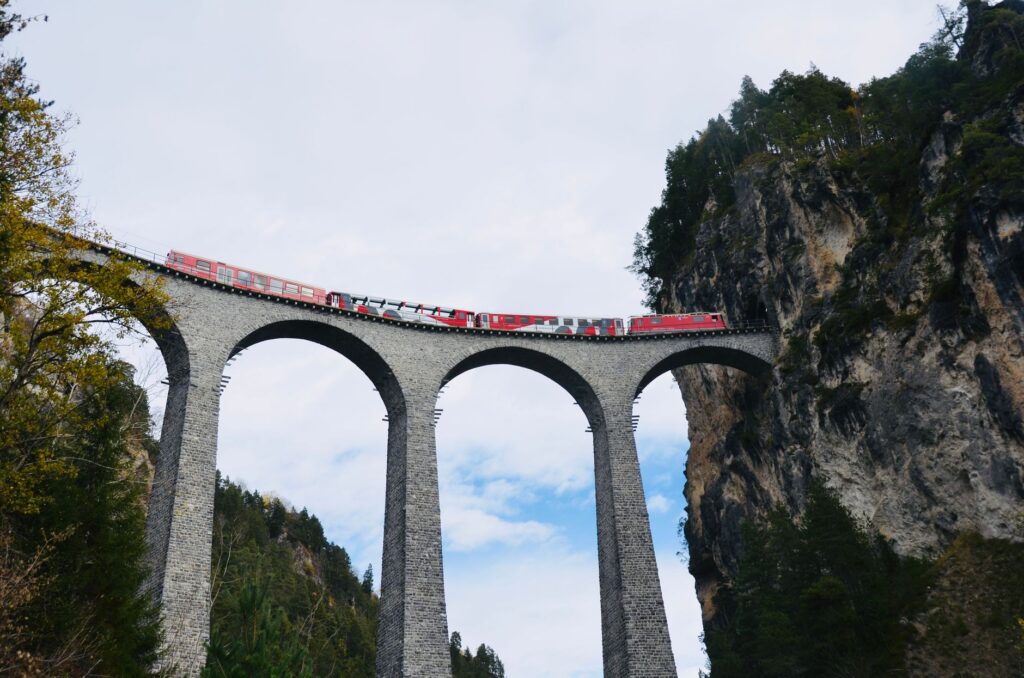
Behind every convoy winding through the alpine abysses lies an indispensable human framework for the operational survival of the line. Machinists traversing these routes require exhaustive training combining technical mastery of regenerative braking with an almost instinctive knowledge of local meteorology. For these professionals, the daily journey is not a monotonous routine, but a constant exercise in vigilance and adaptation amidst unexpected fog banks, hidden ice sheets, and hurricane-force winds lashing elevated viaducts.
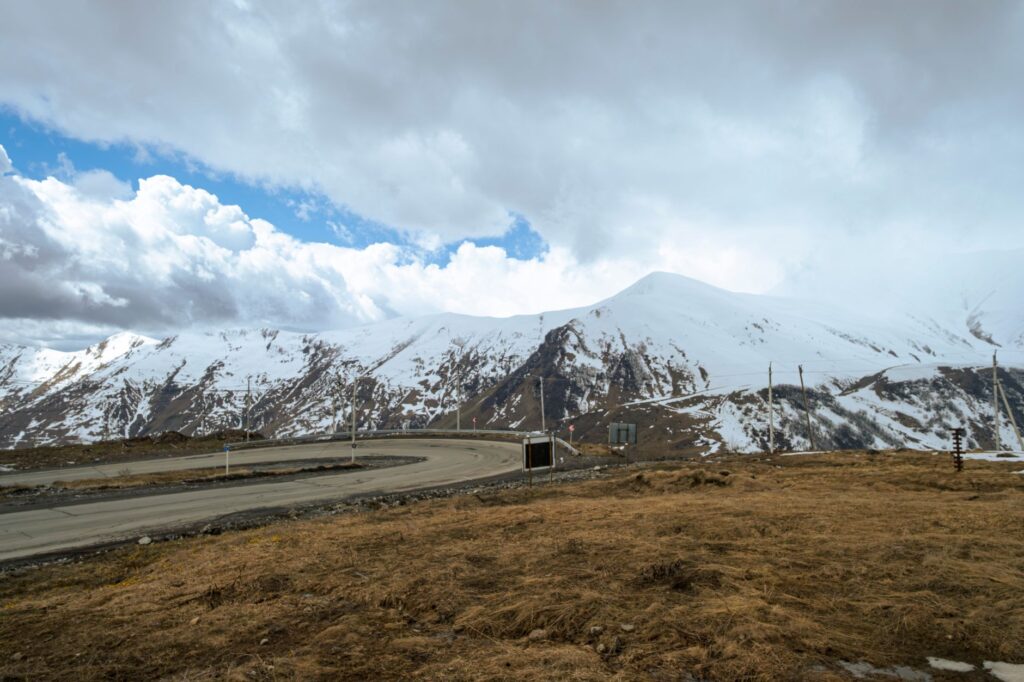
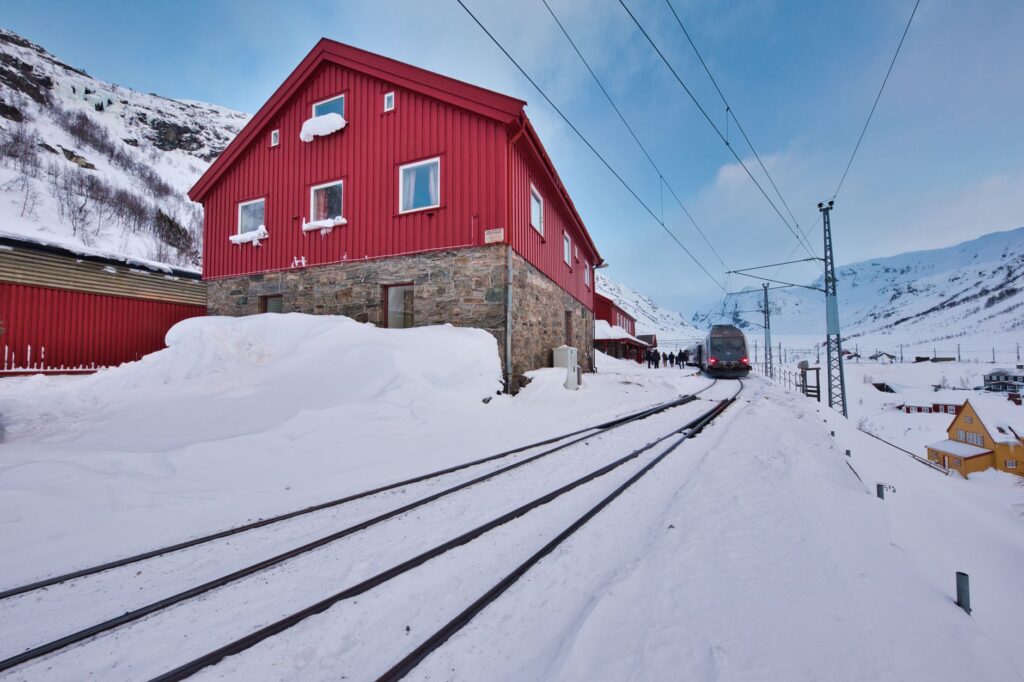
Likewise, local communities depend absolutely on the punctuality and regularity of these trains for the supply of basic provisions, healthcare access, and school mobility. In many of these high-mountain settlements, the railway serves as the umbilical cord preventing total depopulation during the winter. Station masters and track maintenance teams, often resident in the same isolated valleys, perform a quiet yet heroic labor, clearing frozen switches in the dead of night and ensuring the day’s first train can begin its journey without setbacks.
Subterranean Infrastructure: The Great Base Tunnels
The culmination of modern transport engineering in the region materializes in the pharaonic base tunnels cutting through the Alps at elevations far below historical mountain passes. These underground galleries, exceeding fifty kilometers in length in some cases, have revolutionized transalpine traffic by eliminating limitations imposed by steep ramps and sharp curves. Thanks to this infrastructure, heavy freight trains and passenger services circulate at sustained speeds of up to two hundred kilometers per hour, connecting northern and southern Europe with unprecedented efficiency.
Nevertheless, the construction and maintenance of these colossal underground works pose massive logistical and environmental challenges. Managing millions of tons of extracted rock, constant groundwater seepage, and the artificial ventilation of kilometer-long galleries demand strict civil engineering protocols. Furthermore, the concentration of traffic in these primary arteries requires allocating millions in resources to fire safety and emergency evacuation systems, turning every kilometer of tunnel into a marvel of technological redundancy and operational planning.
The Impact of Climate Change on Track Stability
In recent decades, global warming has introduced an unprecedented factor of uncertainty into the management of alpine transport infrastructure. The progressive melting of permafrost, which acts as the natural cement consolidating rocky slopes and summits, is triggering an alarming increase in the frequency of rockfalls and landslides. Slopes that remained stable for generations now erode rapidly, threatening the physical integrity of railway lines and forcing operators to completely redesign their risk mitigation strategies.
The mountain is no longer an unalterable monolith; it is a dynamic and fragile organism responding to rising global temperatures with constant instability, forcing a rethink of the durability of our most essential communication networks.
To counter this vulnerability, railway authorities have heavily invested in constructing dynamic retention nets, high-resistance mesh anchored to the rock, and wind- and rock-shelter galleries. However, the economic costs of these interventions are exceedingly high and raise legitimate questions regarding the long-term financial sustainability of maintaining railway routes in natural environments growing increasingly hostile due to global climate disruption.
The Dilemma of Intermodality and Freight Transport
One of the fundamental strategic objectives of transport policy in the alpine region has been the transfer of heavy freight traffic from roads to rail, aiming to reduce pollutant emissions and congestion on mountain motorways. This system, known as the rolling highway, allows complete trucks to be loaded directly onto low-floor rail platforms, crossing the mountain range without generating local emissions and easing pressure on fragile alpine valleys.
Despite their clear ecological advantages, this intermodal model faces significant operational bottlenecks. The capacity of loading and unloading hubs is limited, and any unexpected interruption on the main railway line immediately triggers a collapse in logistical terminals situated at both ends of the mountain range. Coordination between different national railway operators remains essential, though frequently hindered by divergent technical regulations and competing commercial priorities among the various countries sharing the alpine corridor.
Practical guide
Planning a journey across the alpine railway network requires understanding both its logistical advantages and operational limitations, especially during peak tourist periods or adverse weather events.
- Advance Seat Reservation: Panoramic high-mountain trains and services with glass-roofed carriages require mandatory seat reservations, which typically open up to ninety days in advance.
- Schedule Flexibility: It is imperative to check line status in real time via the official apps of railway operators, given that weather conditions can alter schedules without prior notice.
- Luggage and Dimensions: Due to limited space on historic rack railways, traveling with moderate-sized luggage or utilizing advance station-to-station luggage shipping services is recommended.
- Intermodal Connections: Integrated tickets facilitate combinations between long-distance trains, regional mountain railways, and postal bus services connecting to the most remote valleys.
Visual Epilogue at the Final Summit
As the last afternoon train descends slowly down the steep slope, the headlights project a luminous beam cutting through the growing gloom of the valley, reflecting off the crystal-clear waters of a glacial stream flowing with unstoppable force. In that moment of stillness, the roar of diesel and electric motors merges with the majestic silence of the snowy peaks, reminding the traveler that transport in this remote outpost is not merely a means of moving from one point to another, but a delicate bridge cast between human technical audacity and nature’s imposing eternity.
The true measure of progress in the high mountains does not lie in the speed with which we manage to conquer them, but in the subtlety with which we manage to traverse them without disturbing their silent soul.