
The Crossroads of Infrastructure and Integrity
The development of modern and sustainable transport systems is one of the most ambitious promises of the 21st century for developing nations. However, in Peru, this transition faces not only technical and geographical challenges but also unprecedented institutional scrutiny. Urban mobility and national connectivity, pillars of economic sustainability, rely on massive foreign investment that often becomes entangled in complex webs of lobbying and political decision-making. When trust in procurement processes breaks down, it doesn’t just halt a project; it compromises the viability of a cleaner, more efficient future for millions of citizens.
In this context, government integrity emerges as the most critical component of any mobility project. Sustainability is not limited to reducing carbon emissions or using renewable energy in public transport; it fundamentally involves the sustainability of the institutions that manage these resources. Without transparency, major infrastructure projects—from strategic ports to subway lines—risk becoming monuments to inefficiency, moving away from their original purpose of serving the common good and improving urban quality of life.
The Jerí Case: Shadows Over Strategic Investment
The current Peruvian judicial landscape has focused on Congressman José Jerí and his inner circle. The Public Ministry has formally requested the lifting of bank secrecy for five individuals linked to the Somos Perú lawmaker, as part of an investigation tracking alleged irregularities in meetings with Chinese businessmen. These dealings, which reportedly took place within the context of decision-making regarding budgets and large-scale projects, raise serious questions about how foreign powers’ interests are managed in the national infrastructure sector.
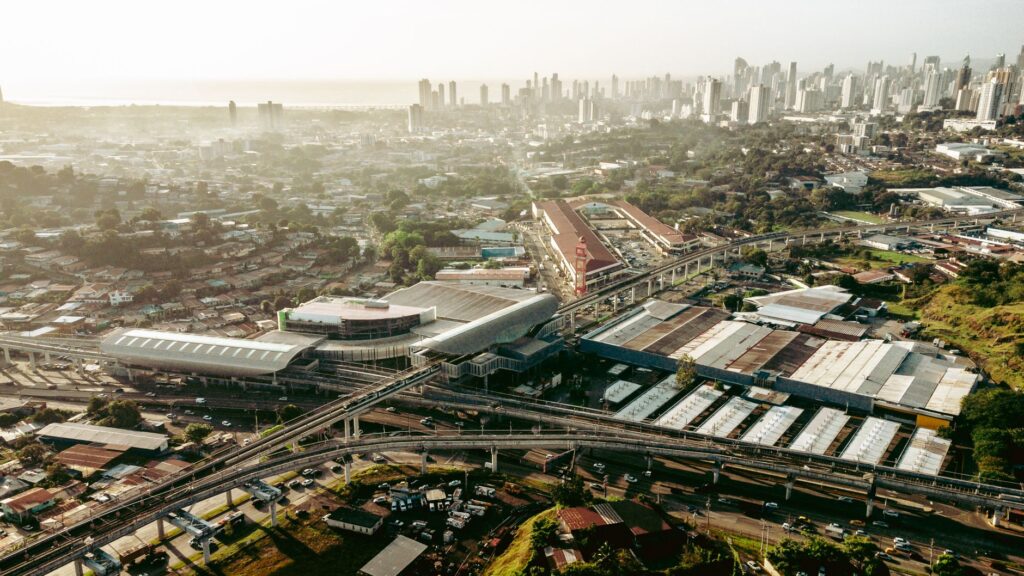
The fiscal investigation seeks to determine if these meetings influenced the allocation of resources or facilitated contracts for companies from the Asian giant, which currently leads much of the mobility and construction agenda in the country. Lifting bank secrecy is an intrusive but necessary measure, according to the prosecution, to map the flow of capital and rule out any form of bribery or influence peddling that might have tainted the planning of critical infrastructure.
Transparency is not an obstacle to investment, but the only guarantee that development is truly sustainable and equitable for society.
The Asian Giant and Peru’s New Mobility Route
China has consolidated its position as Peru’s main trading partner and the largest investor in infrastructure. From the construction of the Chancay Megaport to railway and renewable energy projects, Chinese capital is the engine driving many of the country’s modernization promises. This bilateral relationship is strategic, but its execution requires robust regulatory frameworks to prevent the speed of development from overshadowing the clarity of processes. Sustainable mobility requires long-term planning that is immune to political cycles and private agendas.
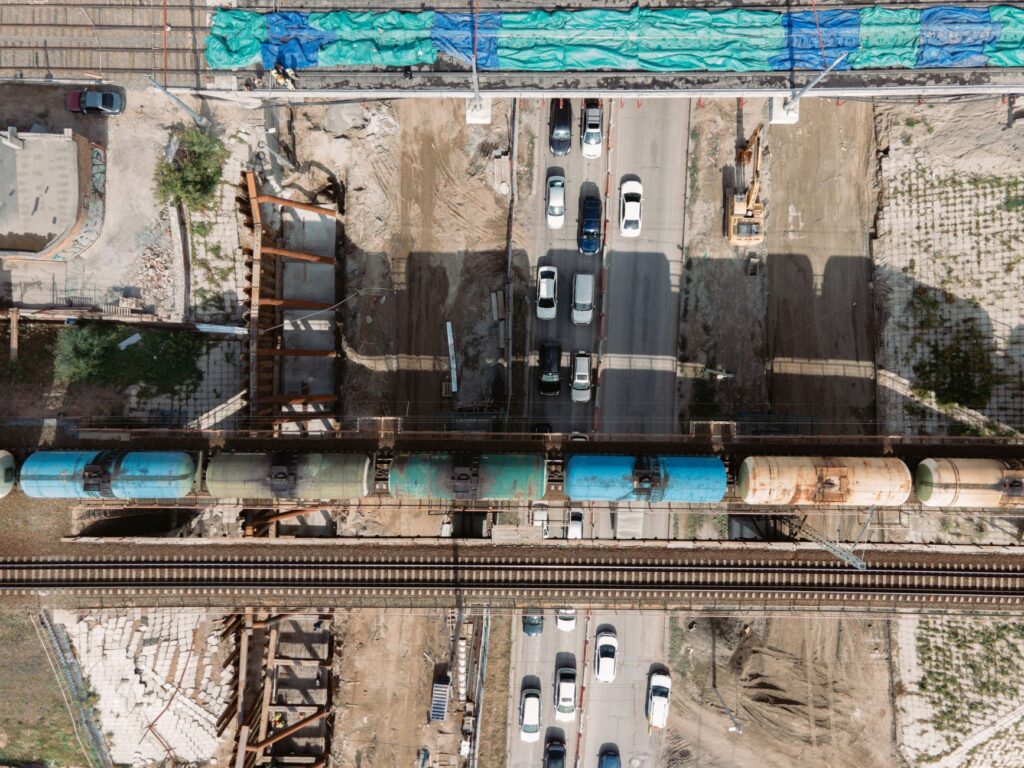
Chinese companies bring cutting-edge technology and a financial execution capacity that few competitors can match. However, the lack of transparency in high-level negotiations can create a climate of distrust that deters other investors and generates social backlash. For Peru to become a logistics and mobility hub in the region, it is imperative that every contract and every coordination meeting meets the highest standards of public ethics, preventing the shadow of corruption from damaging the country’s image before the international community.
Institutional Sustainability: The Forgotten Pillar
Often, when we talk about sustainable transport, we focus on electric buses, high-speed trains, or bike lanes. However, there is an «invisible sustainability» which is governance. A transport system is sustainable only if its financing is transparent and its maintenance is guaranteed by solid institutions. The Public Ministry’s investigations into political figures underscore the fragility of this pillar. When mobility decisions are suspected of being influenced by undeclared private interests, the technical efficiency of the adopted solutions is called into question.
The fight against corruption in the infrastructure sector is, therefore, a fight for environmental sustainability. Poorly planned projects or those awarded under irregular criteria often lead to cost overruns, chronic delays, and, ultimately, works that do not meet the promised environmental standards. Rigorous oversight of meetings between politicians and businesspeople is not just a legal matter; it is a safeguard to ensure that resources intended to improve mobility actually reach their destination and are not lost in the mazes of corrupt bureaucracy.

The Chancay Port and the Mirror of Global Mobility
The Chancay Port project is perhaps the most tangible example of Peru’s connectivity ambition. With predominantly Chinese investment, this complex promises to revolutionize trade and cargo mobility in the South Pacific. However, its magnitude also makes it a lightning rod for geopolitical tensions and questions about sovereignty and transparency. The management of such mega-projects must be a model of information openness, where environmental and social impacts are discussed with the same seriousness as economic profitability.
Mobility does not end at the docks of a port; it extends through road and rail corridors that must integrate harmoniously with the territory. If the bidding processes for these connecting routes are under suspicion, the entire logistics system is compromised. The case involving José Jerí serves as a reminder that citizen and judicial vigilance must be constant, especially when investment amounts are so high that they may tempt the violation of ethical norms.
The Role of the Prosecution in Development Oversight
The work of the Public Ministry in cases of alleged political corruption is fundamental to maintaining the country’s democratic health. By requesting the lifting of bank secrecy, justice sends a clear message: no one is above the law, and the use of public office to favor foreign interests will be investigated to the fullest extent. This vigilance is what allows the Peruvian mobility system to aspire to global quality standards, where competition is fair and based on technical merit.
It is crucial that these investigations are carried out with speed and technical rigor, avoiding their transformation into tools for political persecution, but without yielding to pressure from power groups. Clarity in the accounts of lawmakers and officials linked to strategic sectors is an essential requirement for citizens to regain faith in major national transformation projects. The mobility of the future is built today on the foundations of truth and justice.
Integrity in public management is the fuel that allows infrastructure projects to reach the goal of social welfare.
Toward a Transparent Governance Model in Transport
To prevent cases like the meetings with Chinese businessmen from recurring, Peru needs to implement structural reforms in how infrastructure and mobility projects are managed. This includes digitalizing all meeting agendas of public officials, making it mandatory to declare any conflict of interest in real-time, and creating independent ethics commissions to oversee major tenders. Sustainability must be a cross-cutting criterion that includes not only ecological impact but also administrative probity.

The future of mobility in Peru is bright if technical development can be separated from bad political practices. The transition toward smart cities and integrated transport systems is possible, but it requires an ethical pact between the public sector, the private sector, and civil society. Only through absolute transparency can we ensure that the roads we build today truly lead us toward a more just and sustainable tomorrow for all Peruvians.
Practical guide
- Project Tracking: Use the Ministry of Economy and Finance’s Friendly Consultation platform to monitor the budgetary progress of transport works.
- Whistleblowing: If you are aware of irregularities in public tenders, you can report them to the Comptroller General of the Republic through their anonymous reporting channels.
- Active Transparency: Check ministry transparency portals to see high-ranking officials’ agendas and who they meet with.
- International Standards: Learn about the ESG (Environmental, Social, and Governance) criteria that foreign companies investing in the country must meet.
- Legislative Oversight: Follow the performance of your representatives in the Congress Budget and Transport commissions through official broadcasts.
- Access to Information: Exercise your right to request public information regarding concession contracts for critical infrastructure.
- Citizen Participation: Get involved in public environmental impact hearings for new mobility projects in your region.
Building a connected and sustainable country is a collective task that does not end with the inauguration of a project. It requires constant vigilance of the processes that made it possible. At the end of the road, true mobility is that which allows us to move forward as a society, leaving behind the practices that for decades have hindered our potential. Integrity is, and will always be, the shortest path to progress.
Source: Diario Correo