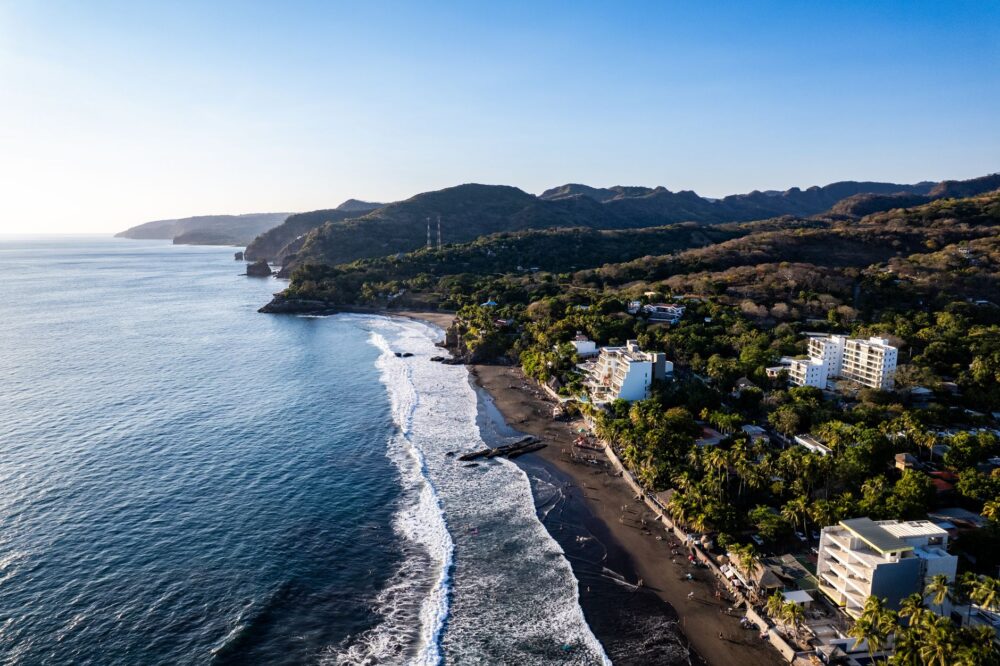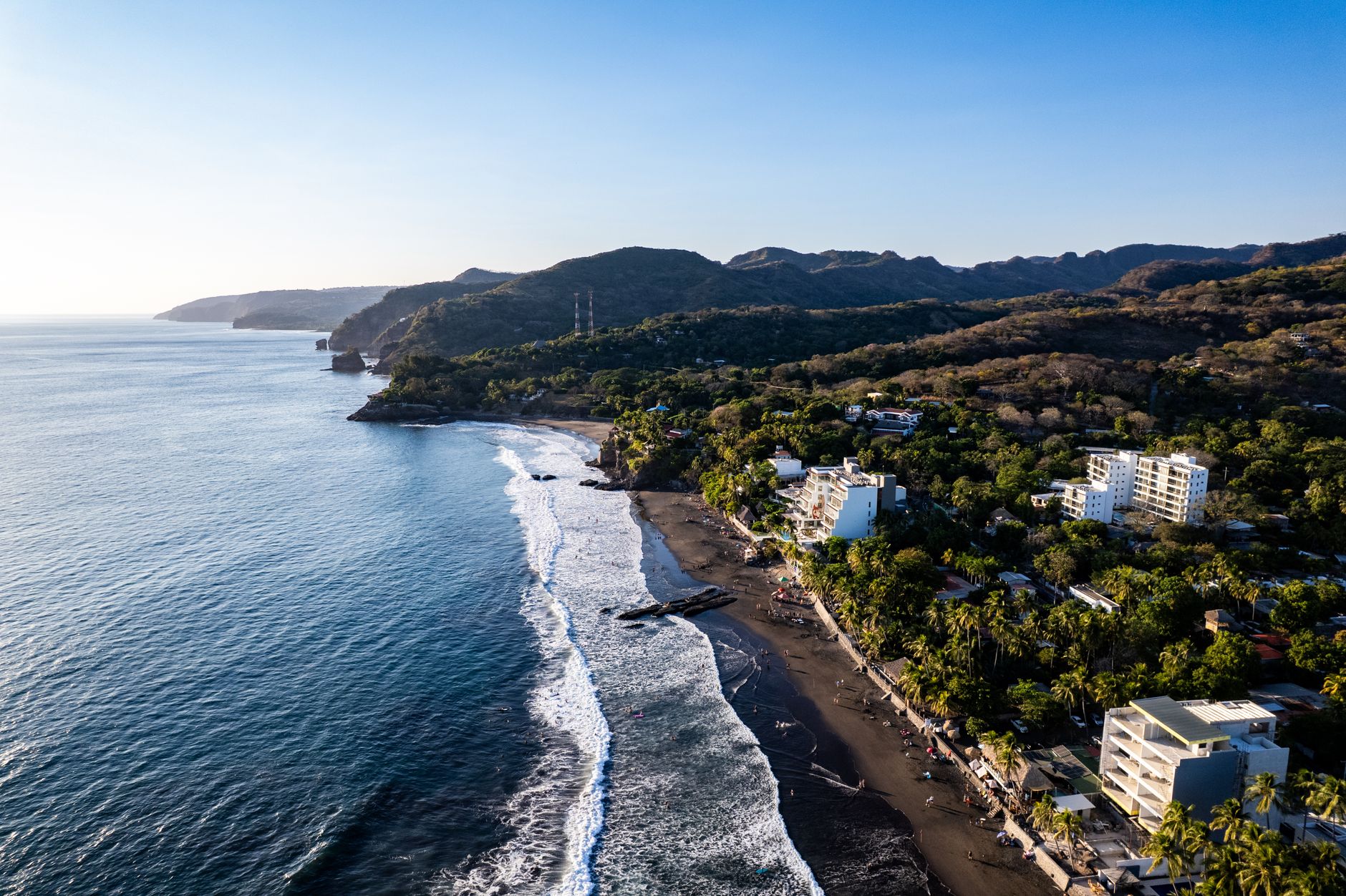

A New Era for the Salvadoran Coastline
The Salvadoran Pacific littoral is experiencing a period of profound economic and territorial transformation. Driven by a decisive governmental strategy and surging interest from international private stakeholders, the Central American nation is accelerating its drive to position itself as a magnet for investment and an undisputed benchmark for adventure, sun, and beach tourism in Latin America. This evolution is no accident; it responds to meticulous planning designed to capitalize on the natural appeal of its waves, the warmth of its communities, and tangible improvements in public safety and road connectivity.
The transformation of the coastal strip, internationally promoted under initiatives like Surf City, has evolved from a sector-specific promise into the backbone of the national economy. The steady influx of foreign capital earmarked for high-end hotel infrastructure, restaurants, wellness centers, and sustainable real estate developments demonstrates that investor confidence has firmly consolidated. However, the paramount challenge today lies in balancing this accelerated growth with environmental preservation and the social inclusion of local communities.
Infrastructure and Connectivity as Development Engines
The success of any modern tourism hub depends critically on accessibility and robust public services. In El Salvador, the modernization of the coastal highway network has dramatically shortened travel times from the international airport and the capital, turning previously isolated areas into easily accessible destinations. This overland connectivity is complemented by substantial upgrades to potable water supplies, electrical grids, and telecommunication coverage—essential elements for attracting major hotel chains as well as digital nomads and high-net-worth travelers.
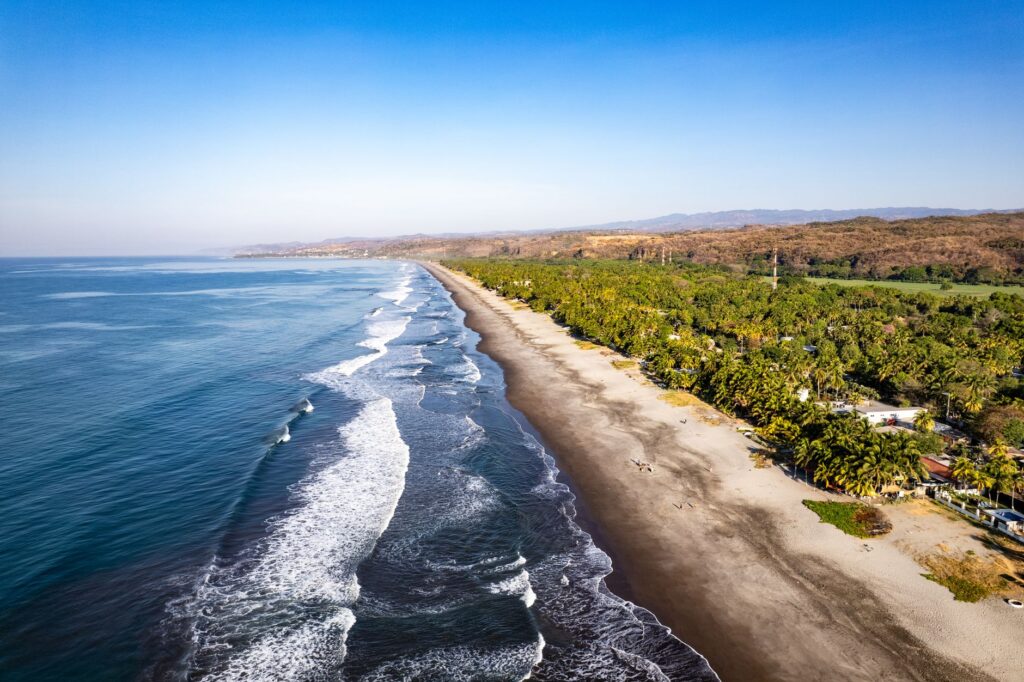
Investment in public works has acted as an undeniable catalyst for private initiative. Every kilometer of newly paved highway and every equipped scenic viewpoint unlock fresh opportunities for small and medium local enterprises, ranging from surf schools to nature-guide cooperatives and traditional seafood eateries. This decentralized economic dynamism is vital to ensure that the dividends of the tourism boom permeate deep into the social fabric of coastal municipalities.
Natural Assets and the Consolidation of Adventure Tourism
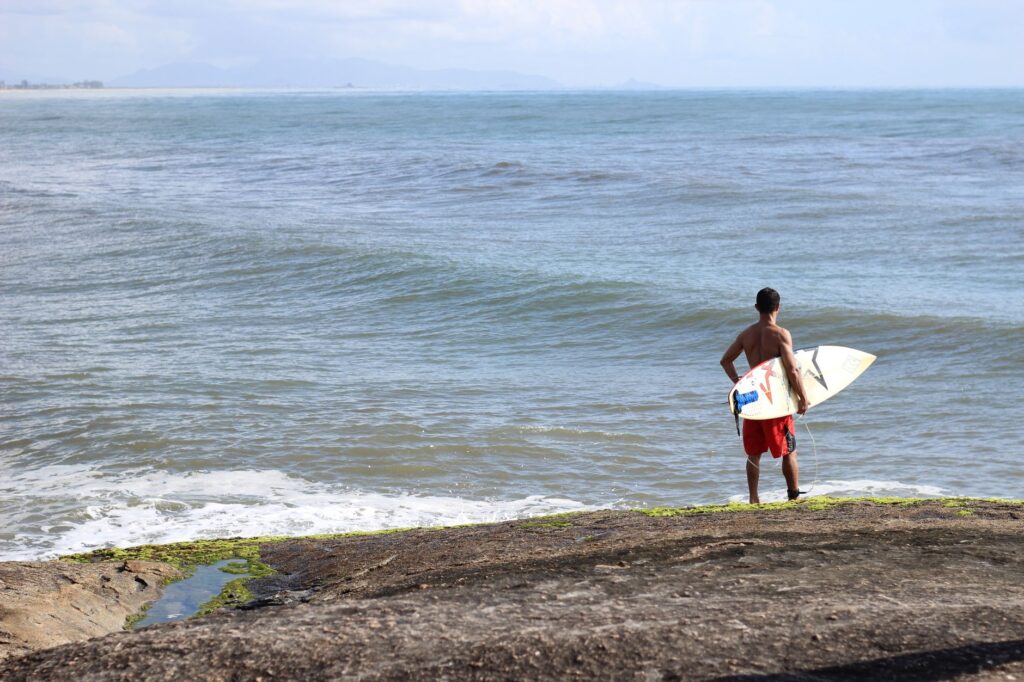
Beyond macroeconomic figures and construction blueprints, the true magnet of the Salvadoran coast remains its privileged geography. With a coastline bathed by warm Pacific waters year-round and world-class surf breaks, the country has rightfully earned a premier spot on the international surfing circuit. Beaches such as El Tunco, El Zonte, and Punta Roca not only host global competitions but also attract athletes and enthusiasts seeking authentic experiences far away from the overcrowded mega-resorts of the Caribbean.
Sustainable tourism development along the coasts cannot be measured solely by foreign exchange volumes, but rather by the ability to keep the soul and biodiversity of the visited territory entirely intact.
Yet the adventure offering extends far beyond surfboards. Volcanic cliffs, mangrove-fringed estuaries, and trails descending into hidden coves provide a flawless stage for active ecotourism. Marine wildlife observation, kayaking in protected waters, and interpretive hiking trails allow travelers to connect with the region’s ecological wealth, fostering an environmental consciousness that contemporary travelers increasingly demand.
Environmental Sustainability Amid the Real Estate Boom
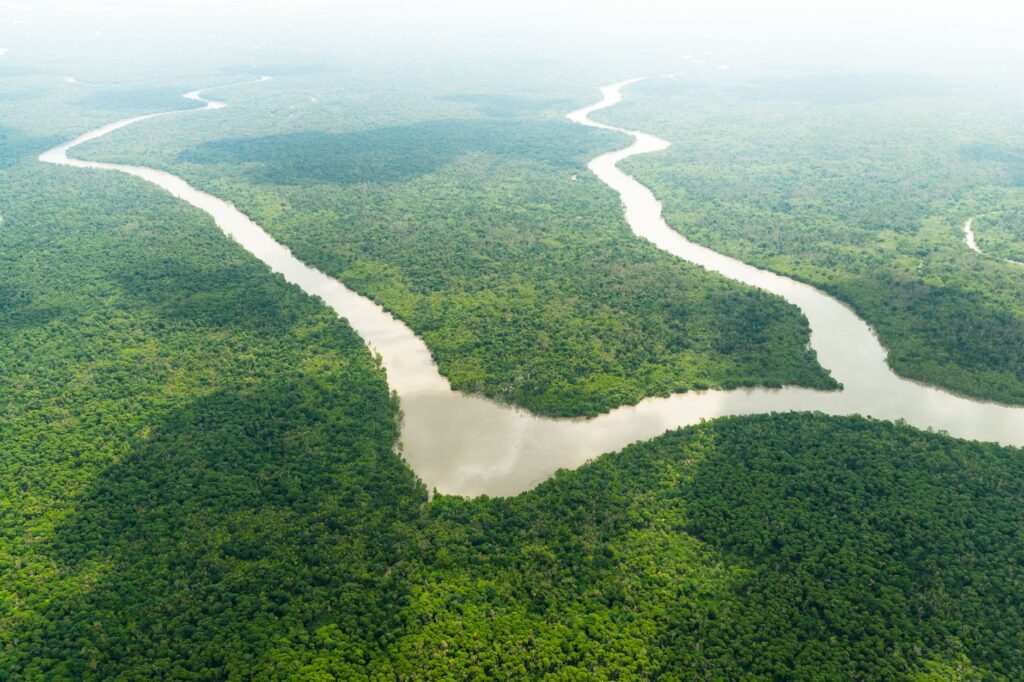
Accelerated growth inevitably carries ecological risks if not managed with rigorous science and strict regulatory frameworks. The rise in visitor density and the expansion of beachfront construction projects pose urgent challenges in solid waste management, wastewater treatment, and the protection of dune systems and mangroves, which act as natural barriers against coastal erosion and extreme weather events.
Various environmental and academic organizations emphasize the necessity of enforcing stringent environmental impact studies and promoting bioclimatic architecture in new developments. The adoption of renewable energy sources, efficient water usage, and the protection of nesting sea turtles along these beaches serve as key indicators of the maturity with which the national tourism sector must confront its own future. Sustainability is no longer a marketing ornament, but a sine qua non requirement for the destination’s long-term viability.
Socioeconomic Impact and the Role of Local Communities
No tourism development strategy can be deemed successful if it marginalizes the native inhabitants of the impacted territories. Along the Salvadoran coast, artisanal fishing communities and local farmers bear daily witness to a metamorphosis that redefines their traditional livelihoods. While tourism generates thousands of direct and indirect jobs, it is imperative to secure technical training programs and accessible credit so local residents are not mere spectators, but owners and managers of their own economic destiny.
Knowledge transfer and the preservation of intangible cultural heritage are just as vital as concrete and asphalt construction. Initiatives blending traditional hospitality with international service standards are enabling coastal youth to find professional opportunities on their native soil, mitigating migration flows and strengthening community fabric through tourism cooperatives and community-led projects.
Diversifying the Offering: Beyond Sun and Waves
To mitigate seasonality and capture broader market segments, the Salvadoran tourism sector is actively diversifying its catalog of experiences. Coastal gastronomy, blending fresh seafood with indigenous ingredients and contemporary techniques, has emerged as a top-tier attraction. Culinary festivals, lowland coffee routes, and wellness experiences integrating yoga with traditional medicine enrich the visitor’s stay.
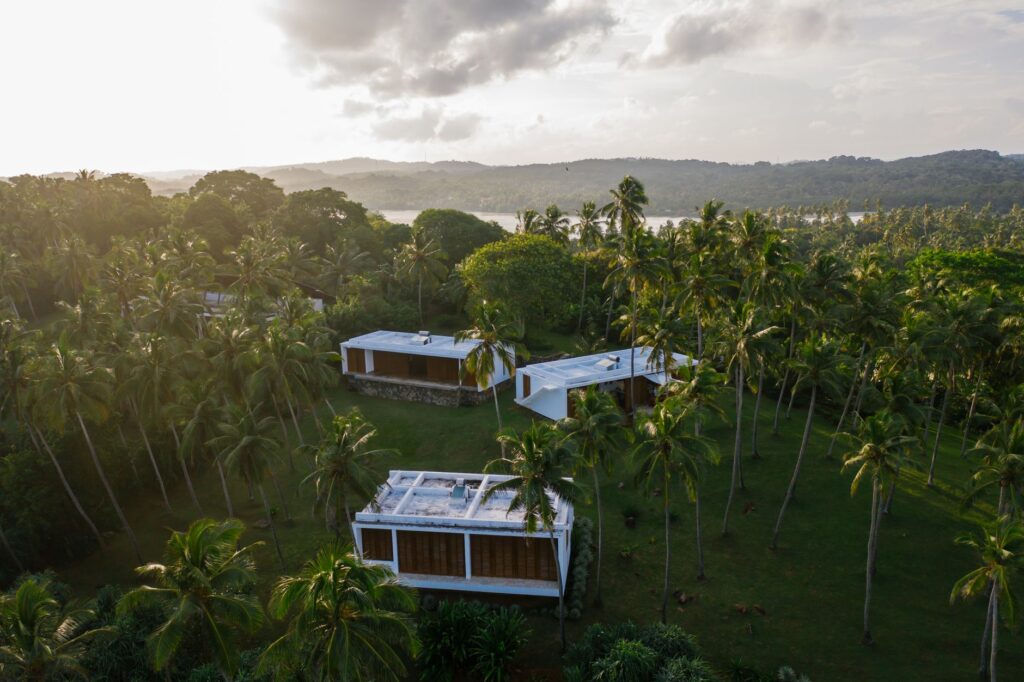
Furthermore, the meetings, incentives, conferences, and exhibitions (MICE) sector is finding inspiration in coastal boutique hotels and convention centers for international corporate events. This versatility allows the coastal strip to maintain stable occupancy rates year-round, consolidating a diversified, resilient business ecosystem less vulnerable to the seasonal fluctuations of traditional vacation tourism.
Future Outlook and Regulatory Challenges
The horizon of coastal tourism in El Salvador brims with opportunity, yet it also demands agile and transparent public governance. Streamlining procedures for direct foreign investment must run parallel to strict oversight of labor and environmental laws. International investors value legal stability, public safety, and clarity in urban planning regulations—elements that the Salvadoran state must guarantee permanently.
The ultimate challenge for authorities and entrepreneurs alike is to consolidate a country brand associated not only with the speed of economic growth, but with the human quality of its people and the integrity of its natural landscapes. The world watches closely as this small Central American nation rewrites its narrative through tourism.
Practical guide
- How to get there: El Salvador International Airport (SAL), located about 40 kilometers from the primary coastal zone, receives daily direct flights from major North and Central American cities. From there, access via private vehicle or authorized tourist transport takes between 35 and 50 minutes along the Coastal Highway.
- Best time to visit: For surfing and water sports, the swell season runs from March to October. For those seeking drier weather and relaxed beach activities, the months from November to February offer excellent climatic conditions.
- Accommodation: The lodging landscape ranges from low-impact eco-lodges and surf-oriented boutique hostels to full-service international resorts, distributed primarily across El Tunco, El Zonte, and Costa del Sol.
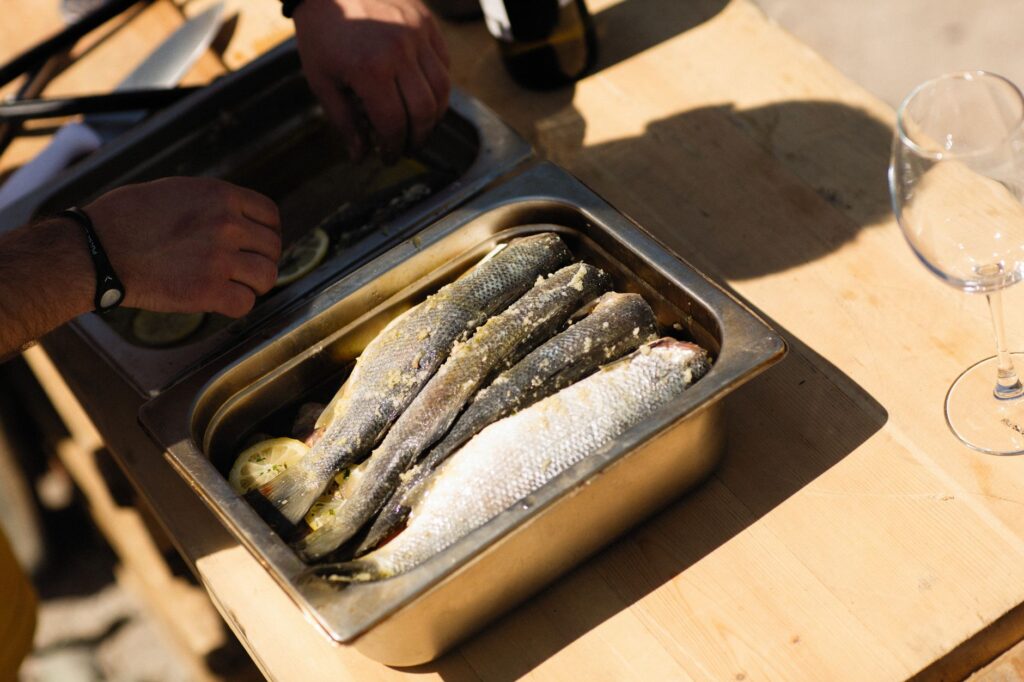
- Essential gastronomy: Sampling local fresh seafood—especially shrimp and fried fish—prepared in traditional beachfront eateries is a must, alongside iconic pupusas available in specialized coastal variants.
- Safety and health recommendations: Biodegradable sunscreen, insect repellent, and staying hydrated are strongly advised due to high tropical temperatures. Travel insurance covering adventure sports is recommended.
Final Reflection on the Coastal Horizon
Facing the vast expanse of the Pacific, where the sun daily melts into the deep blue of the ocean, El Salvador projects a renewed image of hope and dynamism. The waves breaking relentlessly against the volcanic rock not only draw intrepid surfers from every corner of the globe, but also symbolize the steady pulse of a nation determined to transform its natural vocation into an engine of shared prosperity. In every corner of this surging coast beats the promise of a future built on hard work, vision, and profound respect for the land of their birth.
The convergence of foreign investment, local pride, and environmental preservation charts an unprecedented path in the Central American region. As projects mature and visitors continue arriving to discover the authenticity of its landscapes, the country proves that tourism, when conceived with strategic rigor and human sensitivity, is far more than a service industry: it is an enduring bridge toward global understanding and sustainable development.
Source in EN: Turismo acelera su apuesta para atraer más inversión y visitantes – elsalvador.com (https://news.google.com/rss/articles/CBMilwFBVV95cUxQc3RhZnN3Q0cybl95OU10eUlpNVVpNFE5U2NlMmViM0tiM1p2LXhrZlZzU0F2TUVzeWVFaENybTNSZlk1X0xDOHo2RWpuVFA0UUdXX3pCS20wNFdTMnlRYk1iSW1Ic1c2S3poVV9kSzZfV2JPQUNHcHk4N2RWWm9TYUpCUFp4Znlld2JIbG5BTEpCcHgzeTRZ?oc=5)