
Contemporary tourism is undergoing an irreversible metamorphosis where travelers no longer seek the easy applause of isolated monuments, but rather an intimate understanding of complex territories. In this context, the recent training initiative organized by Kata Travels for industry professionals is not an isolated commercial event, but the symptom of a latent demand: the urgent need to rediscover South India and Sri Lanka through lenses that prioritize authenticity, holistic well-being, and connection with local communities resisting over-tourism.
This report examines how these two neighboring yet profoundly distinct geographies are rewriting the rules of high-end hospitality. Far from predictable itineraries that for decades reduced ancient regions to static postcards, current offerings unravel cultural densities, ancestral healing practices, and a tourism infrastructure that understands contemporary luxury is rooted in time, silence, and environmental respect.
The Transformation of the Tourism Trade for the New Traveler
During recent training sessions organized by specialized operators like Kata Travels, it became evident that travel agents face an audience radically different from that of the past decade. Traditional catalogs focused solely on landmark monuments have lost ground to proposals demanding deep territorial knowledge. Industry training is no longer limited to memorizing airline connections or hotel categories, but understanding the cultural nuances defining hospitality in Kerala, Tamil Nadu, or Sri Lanka’s highlands.
This paradigm shift responds to widespread fatigue with mass tourism. Industry professionals admit current travelers demand longer stays in single destinations, prioritizing immersion over rapid attraction consumption. Training sessions emphasized that true differential value today lies in crafting bespoke itineraries where wellness, zero-kilometer gastronomy, and respectful community interaction take center stage.
Kerala and Tamil Nadu: The Living Architecture of Monsoon and Ritual
Immersing oneself in South India requires abandoning Western expectations of temporal linearity. In states like Kerala and Tamil Nadu, daily life is deeply intertwined with natural cycles and secular architectures. Cities are not mere historical backdrops, but living organisms where Dravidian temples remain active centers of art, music, and social cohesion, far from the museum fossilization affecting other global enclaves.
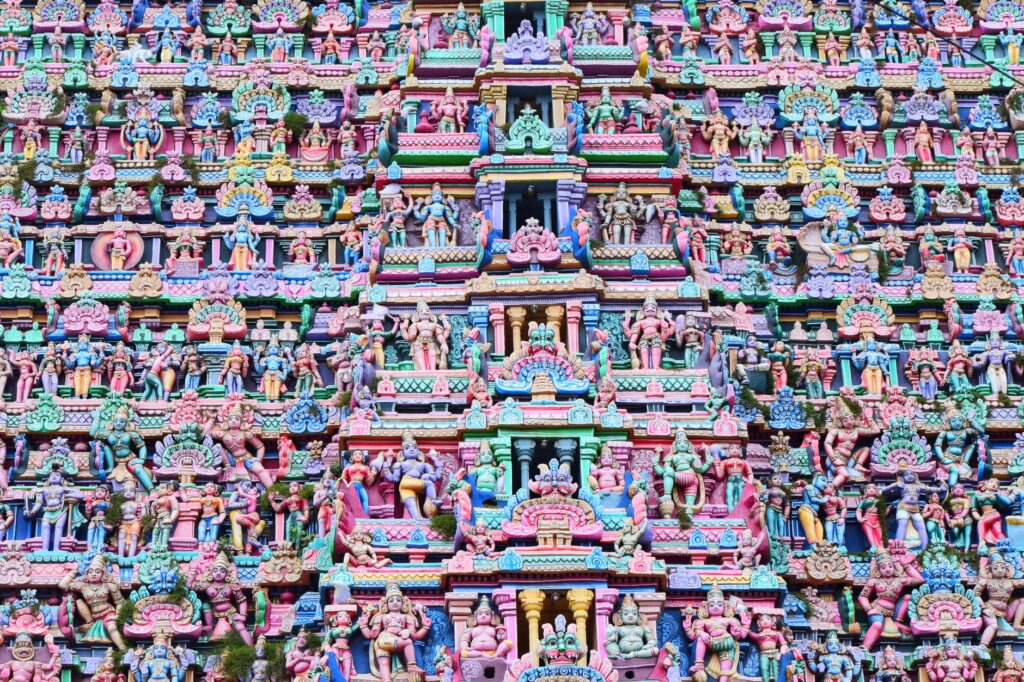
Spatial management in this region reflects a millennial worldview. Traditional temple complexes with towering gopurams function as cities within cities, housing markets, classical dance schools like Bharatanatyam, and artisan workshops. Understanding this urban and spiritual matrix allows travelers to transcend mere visual contemplation and enter a network of meanings where every sculpture and ritual retains active social relevance.
The Canal System and Amphibious Life in the Backwaters
One of the greatest exponents of this symbiosis between humanity and nature is Kerala’s backwaters. This intricate network of lagoons, canals, and navigable rivers has sustained a unique amphibious economy for centuries. Converted traditional cargo boats serve as silent floating homes, allowing travelers to navigate an ecosystem where life’s rhythm is marked by tides and rice cultivation on reclaimed land.
For tour operators, the current challenge is avoiding commercial saturation of these fluvial routes. The most respectful proposals encourage stays in small family-run homestays or eco-lodges managed by local cooperatives, ensuring the visit’s economic impact directly benefits those who inhabit and protect this delicate lacustrine environment.
Sri Lanka: The Island of a Thousand Names Among Hills and Rock Temples
Crossing the Palk Strait, Sri Lanka offers an insular narrative where tropical biodiversity coexists with invaluable Buddhist and Hindu heritage. From the dry northern plains to the rugged central mountains, the island concentrates a staggering variety of landscapes and microclimates in a relatively small territory.
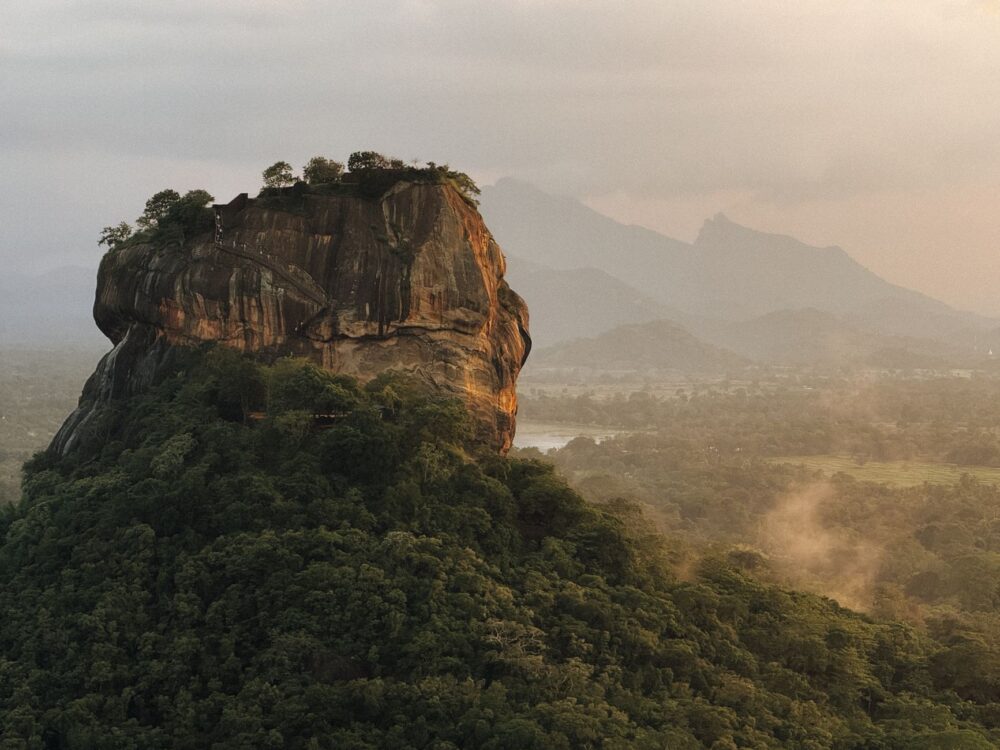
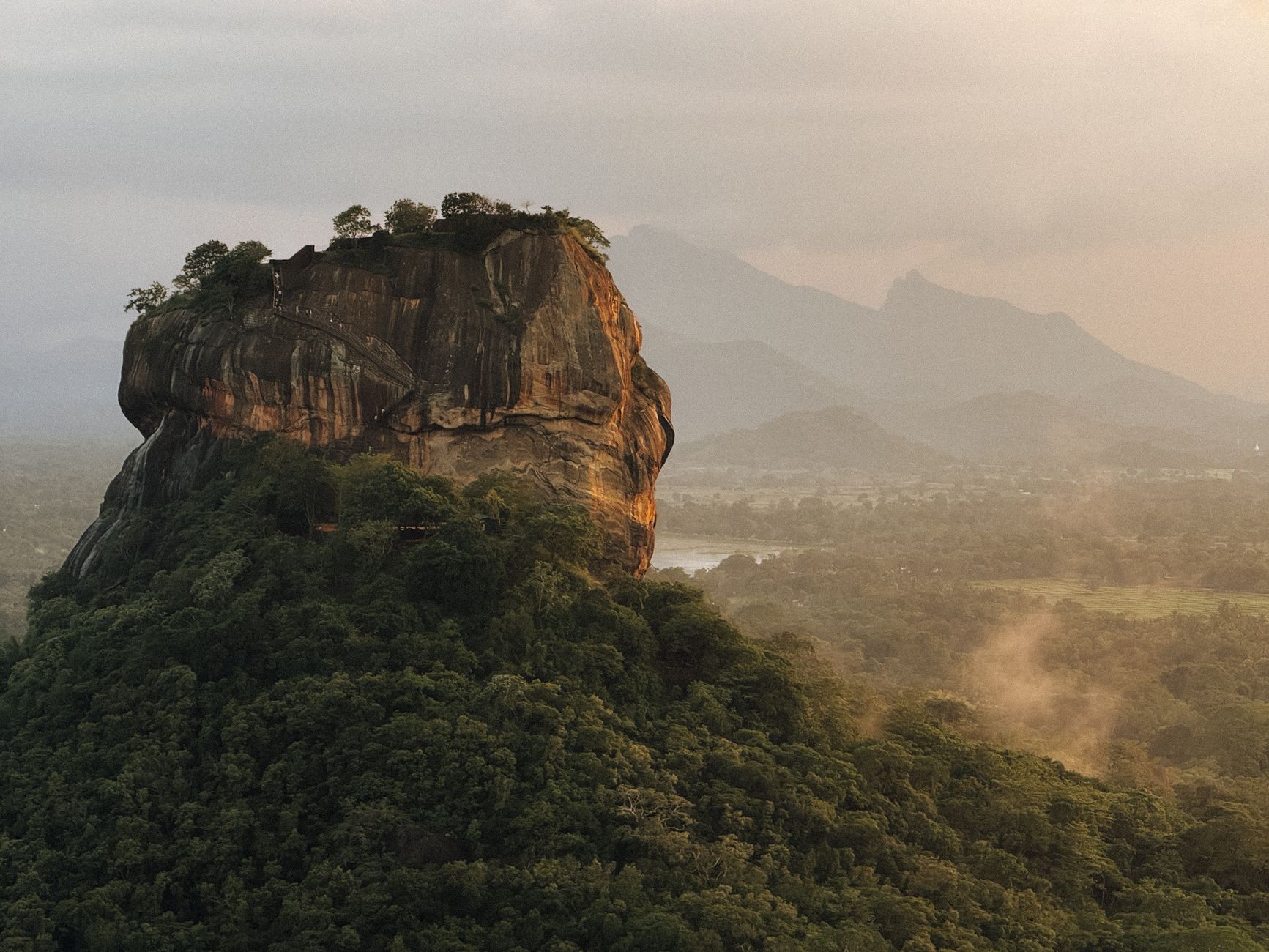
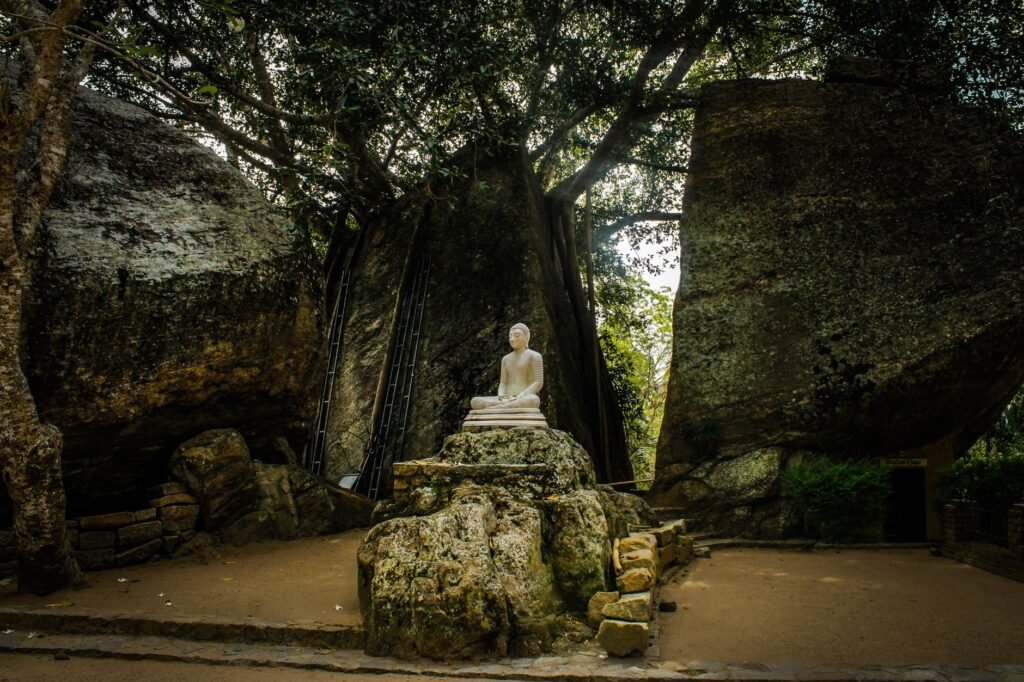
The island’s cultural heart, known as the Cultural Triangle, harbors archaeological treasures such as Sigiriya—the fortress city built on a titanic monolith—and the Dambulla rock temples. These vestiges are not silent relics; they remain sites of fervent pilgrimage where devotees in white offer lotus flowers among monumental Buddha statues carved into living rock over two millennia ago.
The Green Revolution of the Highlands and the Tea Legacy
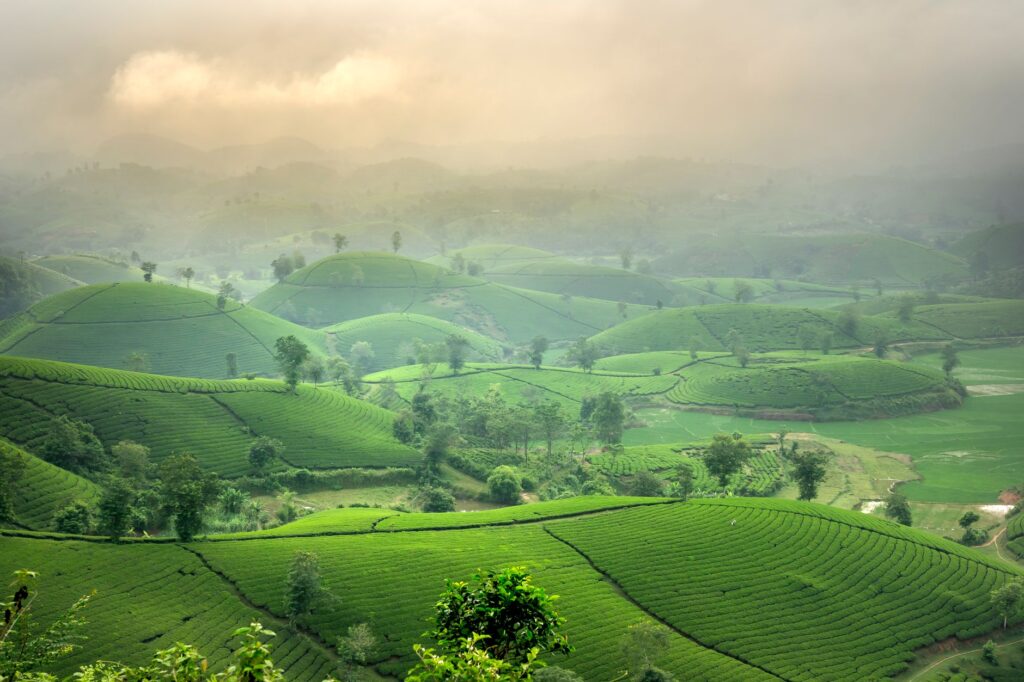
As travelers ascend toward Nuwara Eliya or Ella, the landscape mutates radically. Rugged slopes are covered in rigorously geometric emerald-green blankets, testimony to the tea industry introduced during British colonial times. Today, these plantations represent a fundamental economic engine and the axis of highly valued rural and wellness tourism.
Former colonial mansions have been restored as boutique hotels combining traditional afternoon tea with digital detox experiences, guided walks with local naturalists, and meditation programs amidst mist and silence. This conversion demonstrates how historical heritage can be reinterpreted through contemporary lenses of sustainability and environmental respect.

Wellness as Ancestral Science: Ayurveda and Sinhalese Medicine
A fundamental axis of recent tourism training has been the rise of holistic wellness, understood not as a passing Western spa trend, but as the rigorous application of millennial medical systems. In both southern India and Sri Lanka, Ayurveda constitutes an officially recognized comprehensive healthcare system, where treatments rely on exhaustive individual constitution diagnoses (doshas) by licensed physicians.
Centers specializing in these therapies require minimum stays ranging from one to three weeks, integrating personalized diets crafted from local spices, daily yoga sessions, meditation, and medicinal oil massages. This medical and preventive approach attracts travelers seeking true regenerative pauses, stepping away from conventional circuits to focus on physical and mental equilibrium restoration.
True luxury in contemporary travel is no longer measured by the marble of the facilities, but by the environment’s ability to restore mindfulness and inner peace to the traveler.
The integration of these practices into specialized agency offerings demonstrates wellness is a top-tier economic vector. Operators emphasize selecting centers maintaining traditional quality standards and professional ethics, avoiding diluted or purely commercial versions that distort these therapeutic disciplines.
Gastronomy and Markets: The Alchemy of Indian Ocean Spices
No approach to South India and Sri Lanka is complete without exploring their cuisines, considered among the most complex and aromatic on the planet. Far from global culinary homogenization, regional gastronomy is a manifesto of biodiversity and historical trade, merging Arab, Portuguese, Dutch, and British influences upon an indigenous base dominated by rice, coconut, and spices.
In cities like Kochi or Colombo, morning markets are sensory feasts. The trade in cinnamon, cardamom, black pepper, and turmeric continues to govern economic and social relations. Immersive culinary experiences—such as cooking classes in traditional homes or guided spice market tours—have become favored pedagogical tools for travelers seeking to understand the Indian Ocean’s colonial and commercial history through taste.
Practical guide
When to travel: The optimal period to visit South India and Sri Lanka spans from November to April, coinciding with the dry season and milder climates in coastal and mountainous areas.
Entry requirements: An electronic travel authorization is required for both India (e-Visa) and Sri Lanka (ETA). A passport with at least six months of remaining validity is essential.
Health and wellness: International health consultation is recommended before travel. For Ayurvedic retreats, book months in advance at centers certified by local authorities.
Transportation: In Sri Lanka, the train journey between Kandy and Ella is considered one of the world’s most scenic; first-class tickets should be reserved weeks in advance.
Currency and payments: The Indian Rupee and Sri Lankan Rupee are local currencies. While credit cards are widely accepted in hotels and major cities, carrying cash is essential for small shops and rural areas.
The Return to Silence: The Last Frontier of Conscious Travel
At the end of any profound journey through these lands, the certainty remains that the most significant voyage occurs within the traveler’s mind. When the noise of major cities fades among Ceylon’s tea plantations or Kerala’s canal murmurs, one realizes these geographies’ true value lies in their enduring capacity to remind us of the beauty of slowness, mindfulness, and everyday sacred respect.