
As the sun began to dip behind the stately buildings of the Barrio de Salamanca, Madrid wasn’t preparing for sleep; it was awakening in one of its most effervescent forms. The eighteenth edition of Vogue Fashion’s Night Out (VFNO) was not merely a night of late-night shopping; it was a bold statement about the current state of Spanish fashion and its global drawing power. Thousands gathered in the main arteries of the Golden Mile, from Serrano Street to Ortega y Gasset, to celebrate a symbolic coming-of-age for an event that has evolved with the times while maintaining its essence of shared exclusivity.
The atmosphere in 2026 felt different—imbued with a maturity that blends the nostalgia of its beginnings with a committed push toward technology and sustainability. It wasn’t just about entering the world’s most prestigious boutiques; it was about inhabiting a public space transformed by light, design, and, above all, a human energy that only Madrid can project when fashion takes to the streets. The music, the flashes, and the constant murmur of an enthusiastic crowd served as a reminder that, after nearly two decades, Vogue’s big night remains the definitive thermometer of the capital’s cultural pulse.
The Golden Mile Reborn Under Vogue’s Light
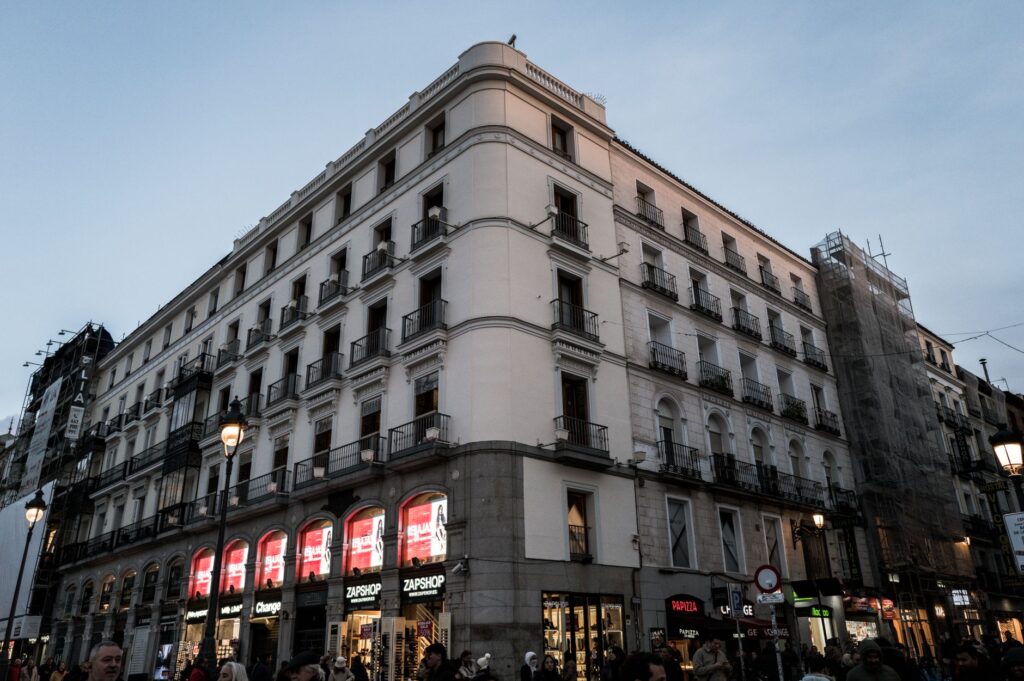
The epicenter of the celebration was once again the quadrilateral formed by Serrano, Jorge Juan, Lagasca, and Claudio Coello streets. This year, the organization opted for unprecedented urban integration, where the sidewalks became literal asphalt runways. The facades of 19th-century historic buildings served as canvases for cutting-edge light projections narrating the magazine’s history through its most iconic covers. The sensation was that of walking through a living museum, where luxury shed its usual rigidity to embrace a public hungry for aesthetic experiences.
Stores, ranging from ‘prêt-à-porter’ giants to intimate designer ateliers, opened their doors with offerings that went far beyond mere commercial discounts. We found live customization workshops, exclusive capsule collection launches for the night, and an attention to detail that turned every visit into a small private event. VFNO 2026 has proven that physical retail doesn’t just survive; it triumphs when it can offer an emotional narrative and direct contact with the creator.
«Fashion in Madrid isn’t just about what we wear; it’s a way of inhabiting the city and celebrating our collective identity on a magical night.»
The flow of people was constant yet fluid, thanks to an organizational effort that prioritized the total pedestrianization of key areas. Attendees, dressed in their finest—from the most sober minimalism to the baroque maximalism so beloved in the capital—created a fascinating human tapestry. It was impossible not to stop and observe the diversity of styles coexisting under the spotlights, confirming that Madrid is today a melting pot of trends where individual freedom is the supreme norm.
Democratizing Luxury on the Streets of Madrid
One of the major milestones of this edition has been the consolidation of VFNO as a space for the democratization of design. While major international brands maintained their aspirational status, there was a special focus on ‘Made in Spain’ design. Young talents redefining the national aesthetic had their own spaces, allowing the general public to discover the contemporary craftsmanship brewing in the city’s workshops. This balance between the global and the local is what gives the Madrid night its unique character in the international Fashion’s Night Out circuit.
Digital interaction also played a crucial role. Through smart mirrors placed at strategic points, attendees could virtually try on garments from the featured collections and share their looks in real-time. This fusion of the tangible and the digital removed the physical barriers of the stores, allowing fashion to flow throughout the network. However, the true luxury remained the physical encounter, the toast between strangers, and the chance to see the work of great creative directors up close in a relaxed atmosphere.
Music and Rhythm: The Sonic Heart of VFNO
VFNO cannot be understood without its soundtrack. This year, live music took center stage with three main stages strategically distributed. From international DJ sets setting the pace at Puerta de Alcalá to acoustic performances by emerging artists in the inner courtyards of Jorge Juan, the city vibrated with a mix of genres reflecting the event’s plurality. Music was not a mere accompaniment but the common thread that united different zones and kept the night’s energy high.
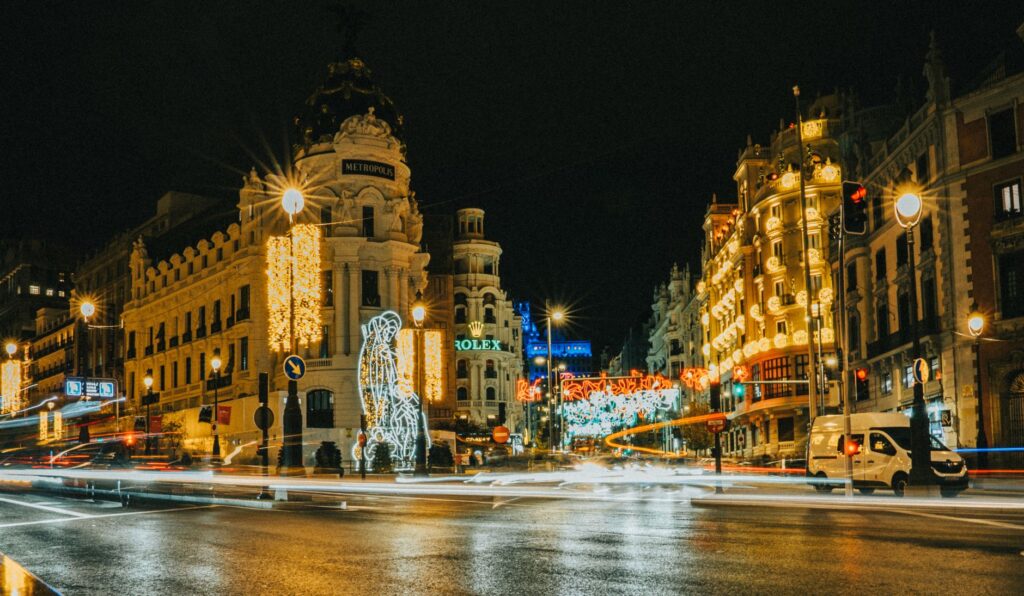
On the main stage, the presence of established pop and electronic figures drew a crowd that sang along to every song under the starry September sky. Brands also integrated music into their own experiences, with private performances turning fitting rooms into small concert halls. This synergy between rhythm and couture defines the spirit of the Vogue party: a multi-sensory celebration where hearing is as important as sight.
Sustainability and the Vanguard: The Message of 2026
The eighteenth edition was not oblivious to global concerns. Sustainability was the backbone of many initiatives presented. We saw artistic installations created from recycled fabrics and a strong presence of circular fashion, featuring garment collection points and repair workshops. Vogue Spain wanted to send a clear message: the future of fashion will be sustainable, or it will not be. This commitment extended even to the event’s logistics, with a minimized carbon footprint and the use of biodegradable materials in all signage and catering.
Talks and roundtables held during the afternoon before the official start of the night also addressed ethics in production and responsible consumption. Hearing designers and experts debate how the industry can be a driver of positive change added a layer of intellectual depth to the celebration. VFNO 2026 proved that one can celebrate glitz and glamour without turning a back on the social and environmental responsibility the 21st century demands.
Economic and Cultural Impact in Barrio de Salamanca
Beyond the camera flashes, VFNO represents a vital economic boost for Madrid’s retail and hospitality sectors. Hotels in the area reported full occupancy, and restaurants designed special menus for the occasion, merging gastronomy and aesthetics. The impact extends far beyond the night of the event, as it positions Madrid as a top-tier global shopping destination, competing directly with Paris, Milan, or London.
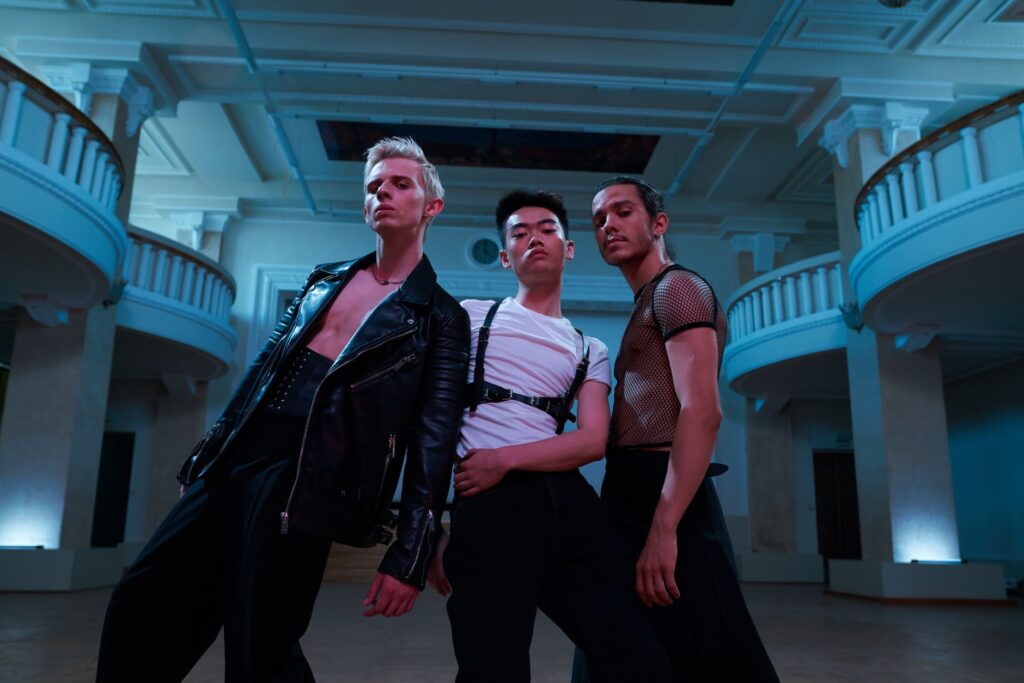
Culturally, the event has managed to integrate fashion into the city’s social agenda organically. It is no longer just a date for experts or industry professionals but a popular festival that Madrileños feel is their own. The turnout for the 18th edition confirms that VFNO is a cultural institution that contributes to the Madrid brand, projecting an image of a modern, welcoming, and deeply creative city.
«Seeing the streets of Madrid filled with people celebrating creativity is the best reminder that fashion is, above all, a language of freedom.»
Gastronomy and After-Parties: The Night Doesn’t End at the Store
As stores began to close their doors around midnight, the party moved to the capital’s clubs and terraces. Official and spontaneous after-parties kept the VFNO spirit alive until the early hours of the morning. Signature cocktails inspired by Vogue’s great editorials and secret dinners in landmark locations completed a 360-degree experience. Madrid, known for its unparalleled nightlife, became the perfect setting to prolong the debate on what was seen on the urban runways.
The neighborhood’s boutique hotels also played a fundamental role, transforming their lobbies into meeting spaces for the industry. It was there that future collaborations were forged and the night’s most notable looks were discussed. Gastronomy, always present in the Madrid DNA, provided the final sensory touch with proposals that played with textures and colors, proving that good taste knows no borders between artistic disciplines.
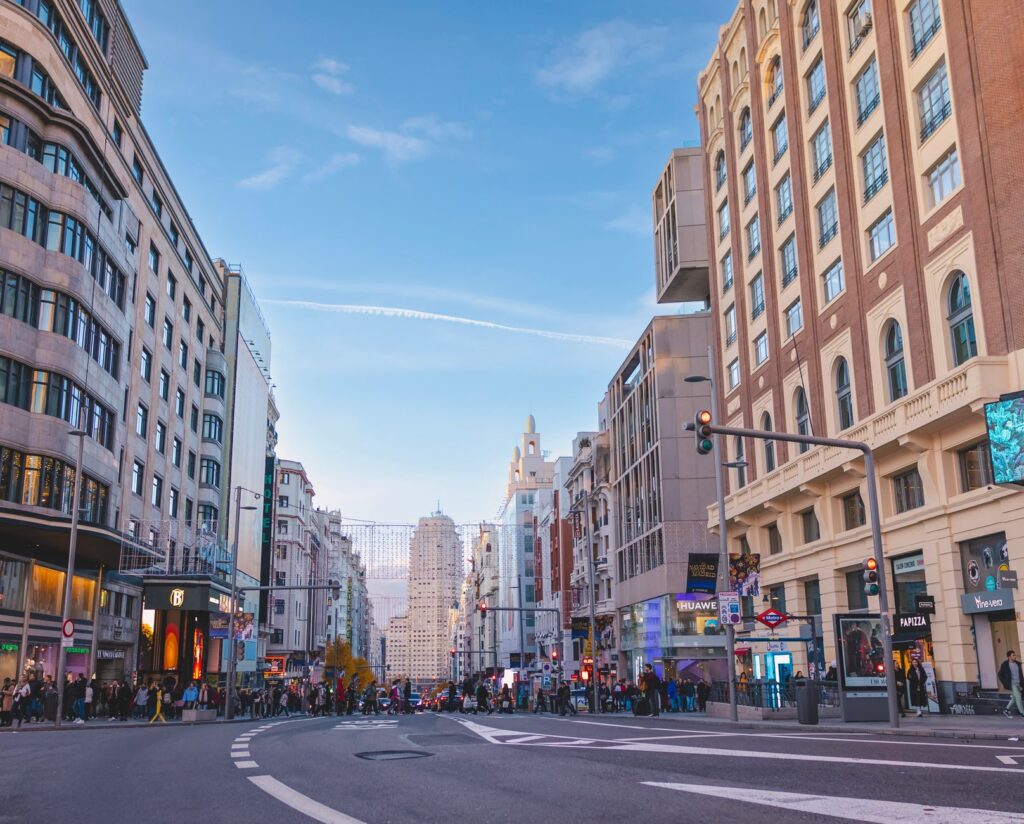
Eighteen Years of History: The Coming of Age of an Icon
Reaching the eighteenth edition is no small feat. Since that first event in 2009, VFNO has survived economic crises, paradigm shifts in consumption, and a global pandemic. Its resilience lies in its ability to reinvent itself. What began as an initiative to encourage consumption has transformed into a large-scale cultural festival. The 2026 edition was, perhaps, the most balanced of all, managing to combine spectacle with reflection and luxury with accessibility.
Looking back, one can perceive the evolution of the city itself. Madrid is today more cosmopolitan and self-assured than it was two decades ago, and VFNO has been both a witness and a driver of that change. Last night was not just a celebration of the present, but a tribute to all the designers, models, photographers, and citizens who have made fashion an essential part of the Madrilenian soul.
Madrid Dressing Up for the World
The international projection of this edition exceeded all expectations. Fashion correspondents from around the world traveled to the capital to cover an event that is now a mandatory reference on the global calendar. The image of the Puerta de Alcalá illuminated with the Vogue logo and surrounded by a vibrant crowd has traveled the globe, consolidating Madrid’s reputation as a city that knows how to enjoy life with style and generosity.
This success is not the result of chance but of close collaboration between public institutions, Vogue magazine, and the private sector. Madrid has demonstrated that when creative talent is combined with impeccable logistical management, the results are extraordinary. VFNO 2026 leaves a very high bar for future editions, but above all, it leaves an indelible memory in all those who were lucky enough to walk its streets that night.
Practical guide
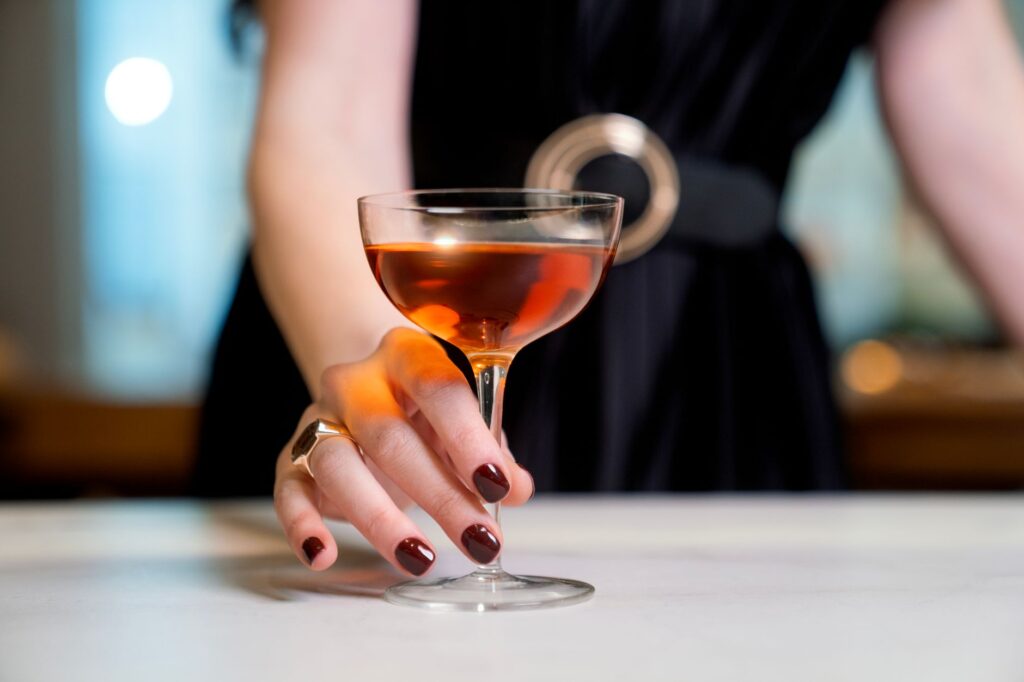
For those wishing to experience the event in future editions, it is essential to keep some logistical tips in mind. Although street access is free, entry to certain stores and VIP areas usually requires an invitation or prior registration through the official Vogue Spain website. It is recommended to arrive early at the Barrio de Salamanca, preferably using public transport (Serrano, Velázquez, or Colón metro stations), as road traffic is cut off on main thoroughfares.
- Attire: There is no official dress code, but the night invites creativity. It is the perfect time to take a risk with that special look.
- Transport: The City Council usually reinforces metro and night bus services. Avoid using private cars.
- Accreditations: Keep an eye on Vogue’s social media weeks in advance to get your official wristband, which often grants exclusive benefits.
- Recommended Route: Start at Plaza de Colón and walk up Serrano, detouring through Jorge Juan to enjoy the gastronomic offerings.
The Last Toast Under the Madrid Sky
At the end of the night, as the echoes of the music began to fade and the boutique lights dimmed, a sense of collective gratitude remained in the air. Vogue Fashion’s Night Out 2026 fulfilled its promise of being a haven of beauty and joy in a complex world. It was a reminder that beyond fleeting trends, what endures is the ability to connect through art and personal expression.
Madrid bid farewell to its big night with the elegance of one who knows they have given their best. In the mind’s eye remain the colors, the fabrics, and the smiles of a crowd that, for a few hours, made fashion its flag. As cleaning crews returned the Golden Mile to normalcy, the quiet desire for next September to once again paint the city in Vogue’s unmistakable red was already beginning to be felt.
Source: Condé Nast Traveler Spain