
The September heat in southeastern Alicante does not merely announce the end of summer; it serves as a reflective pause for one of the municipalities with the highest demographic and tourist pressure on the Costa Blanca. To mark World Tourism Day, Torrevieja has unveiled a series of events that go far beyond standard festive celebrations, bringing an unavoidable debate to the fore: how to transition from the traditional sun-and-beach model toward a paradigm where ecological sustainability and the preservation of industrial and natural heritage are more than mere declarations of intent.
Promoted by local councils and sector stakeholders, this initiative arrives at a turning point for the town. Far from resting on the record-breaking occupancy figures registered during the summer months, the local government and various civic groups have sought to highlight attractions that lie outside the purely coastal circuit. The salt flats, protected wetlands, and labor history now form the new core pillars of a narrative aimed at de-seasonalizing visitor arrivals and mitigating environmental impact.
The White Geography: When Salt Mining Sculpts the Landscape
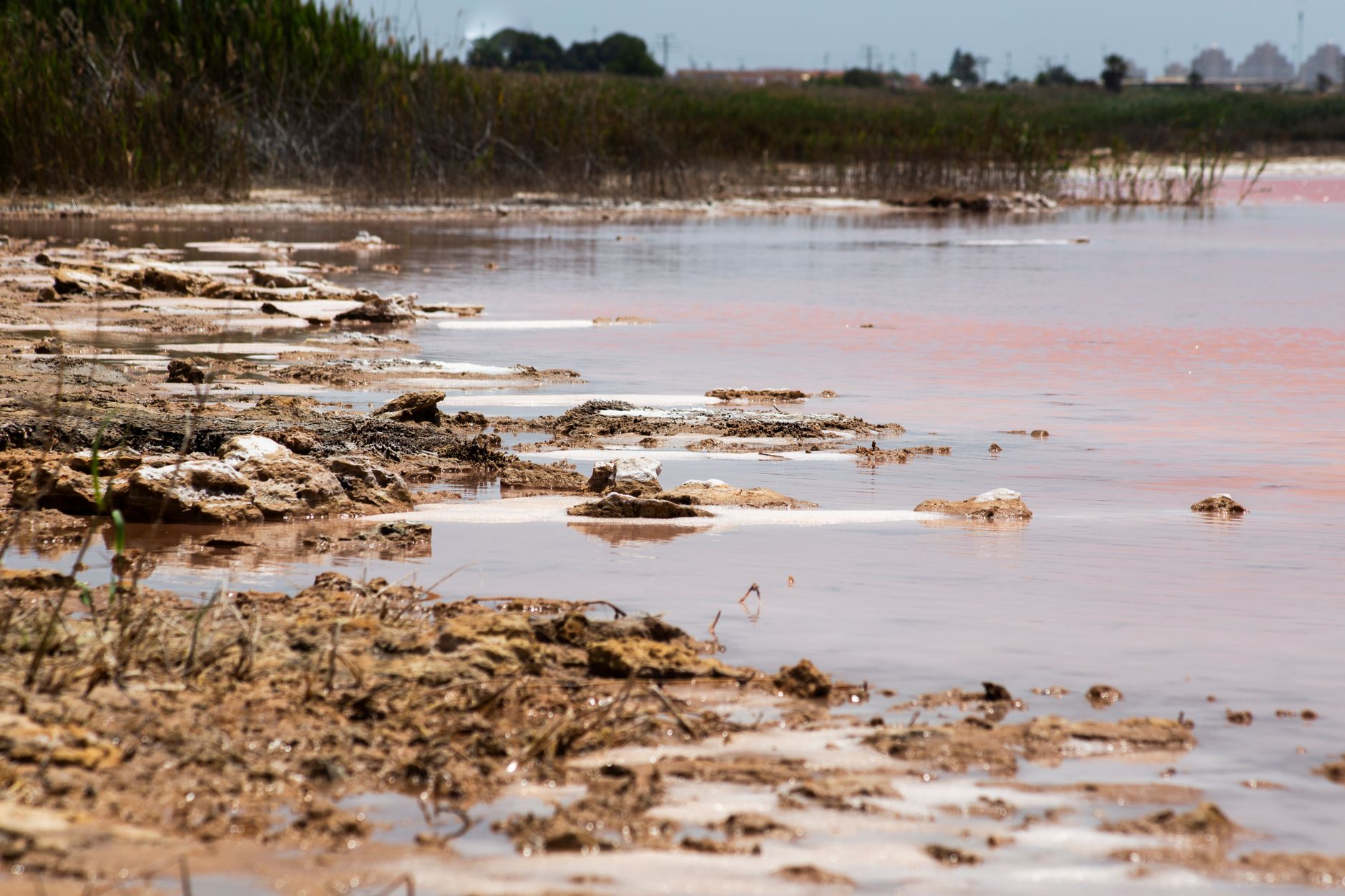
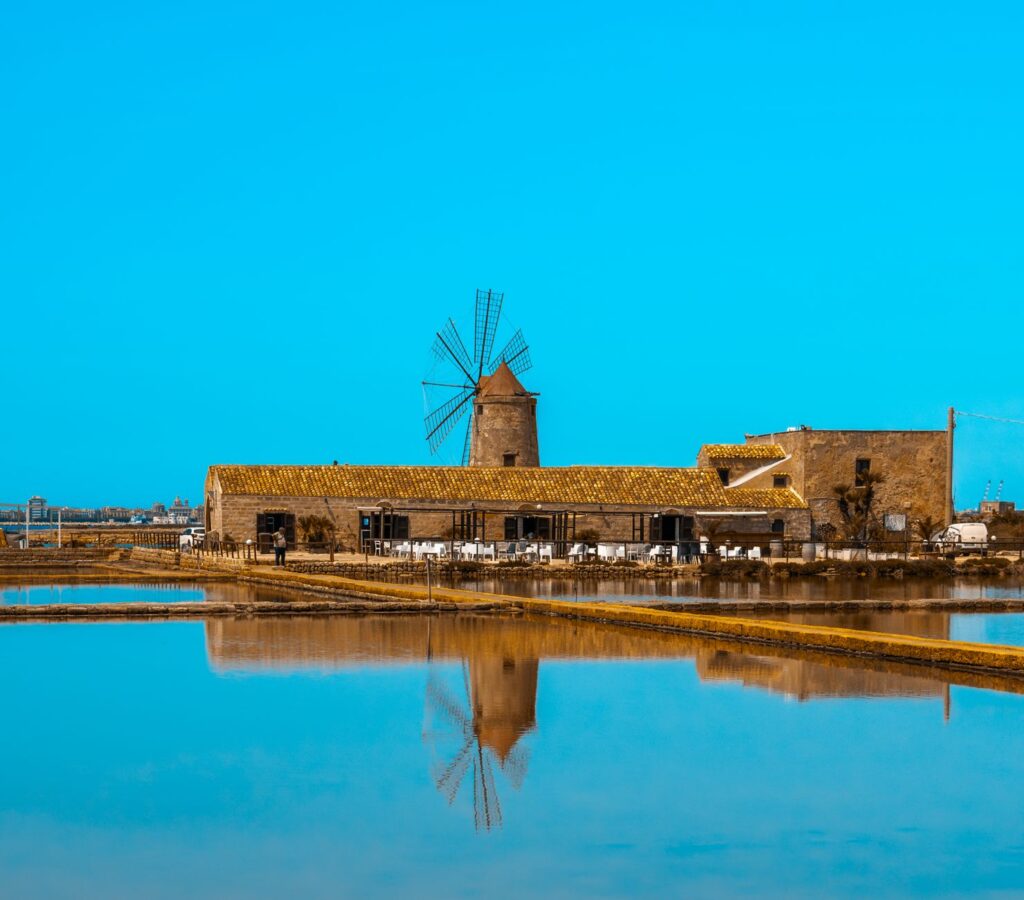
Understanding Torrevieja’s territorial singularity requires a journey into its two massive aquatic bodies: the lagoons of La Mata and Torrevieja. Designated as a Natural Park, a Special Protection Area for Birds (SPA), and a wetland of international importance, this ecosystem forms the ecological heart of the region. Here, human intervention and natural cycles have coexisted for centuries in a complex symbiosis where the commercial extraction of marine salt has shaped a unique environment within the Mediterranean basin.
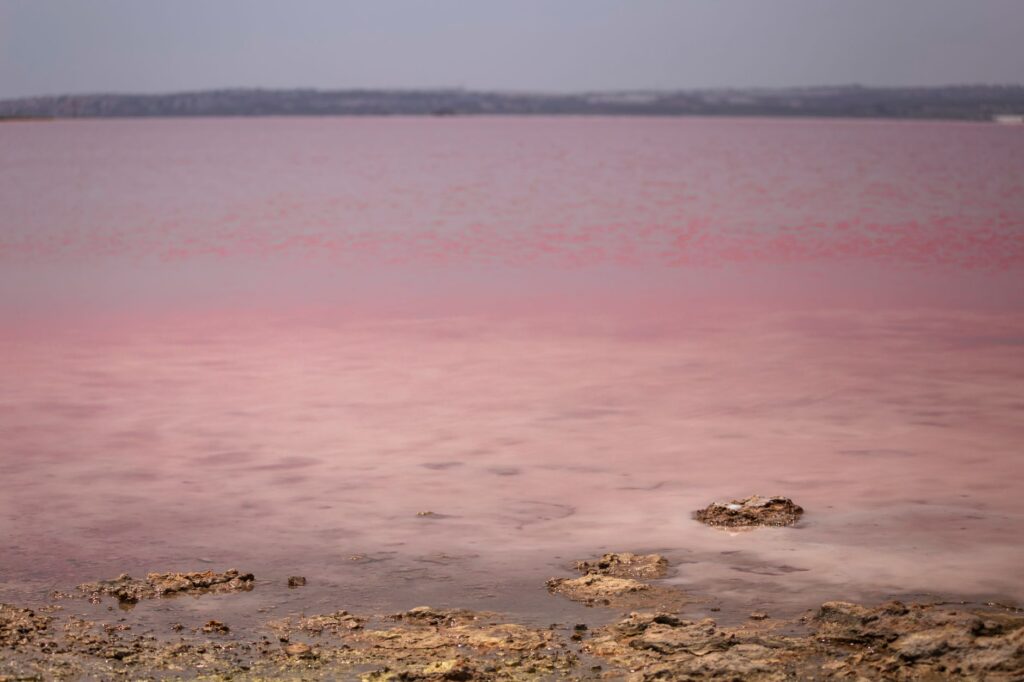
Unlike other coastal wetlands degraded by urban expansion, this landscape retains a striking visual identity thanks to high saline concentrations that color the waters in shades of pink and violet. Trails open to the public allow observers to spot emblematic avifauna such as greater flamingos, avocets, and various wading species that use this refuge along their migratory flyways. Nevertheless, the balance remains fragile, and local authorities face the ongoing challenge of regulating visitor flows to prevent overcrowding and the degradation of wetland margins.
The Memory of Crystals: The Historic Legacy of the Pier
Torrevieja’s bond with salt extends beyond the strictly environmental realm, deeply impregnating the city’s architecture and social fabric. The salt industry, which emerged as one of Spain’s most dynamic economic engines in the 19th century, left an indelible mark on local urban planning. Historic infrastructure such as the old salt loading pier, storage warehouses, and dismantled railway lines bear witness to a past defined by rigorous labor and large-scale maritime trade.
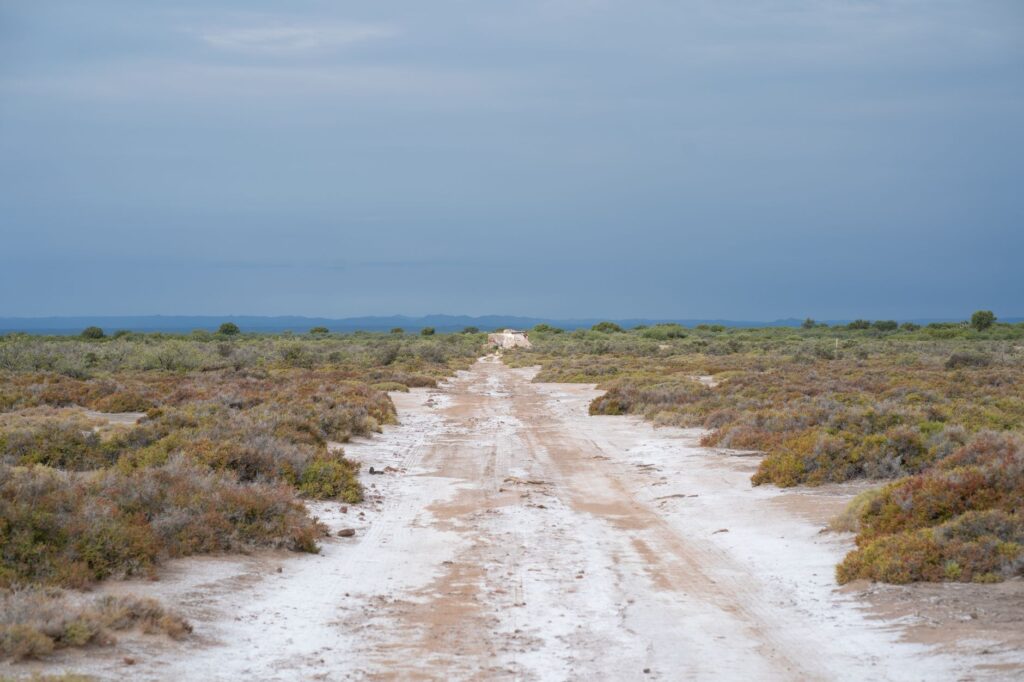
During the tourism commemoration events, the City Council has scheduled guided tours and interpretive visits to these industrial enclaves. The goal is for both tourists and residents alike to recognize the heritage value of installations that explain the very origins of the municipality, founded largely around salt production following the earthquake of 1829. This engagement with industrial history fosters a deeper respect for the surroundings and diversifies cultural offerings beyond nightlife and conventional hospitality.
Demographic Momentum and the Challenge of Carrying Capacity
One of the greatest challenges facing Torrevieja in its tourism strategy is managing its colossal demographic growth. During the summer months, the floating population multiplies the municipal census several times over, placing severe strain on water infrastructure, waste management, and urban mobility. Seasonal saturation tests the resilience of a town that has historically based its economy on residential construction and second-home tourism.
Faced with this scenario, territorial planning experts emphasize the urgent need to calculate and strictly enforce carrying capacity limits, particularly within protected natural areas. The sustainability policies presented during this commemorative cycle point toward the implementation of more efficient public transport systems, the pedestrianization of key commercial axes, and the promotion of civic awareness campaigns aimed at both domestic tourists and the large international resident community living in the area.

True tourism sustainability on the Mediterranean coast is not about attracting fewer people, but about fundamentally transforming the relationship visitors build with the territory they temporarily inhabit.
Local grassroots associations play a vital role in this transformation process. Environmental groups and cultural entities actively collaborate with the administration to demand greater rigor in protecting the coastline and shorelines. Past civic pressure has successfully halted invasive urban development projects, paving the way for a broader ecological awareness that is gradually permeating the public statements of local policymakers.
The Gastronomy of Dry Land and Sea: Culinary Identity and Zero-Kilometer Produce
Contemporary tourism seeks authentic experiences, and local gastronomy has become a primary vehicle for territorial valorization. In Torrevieja, the dining table reflects a dual influence: the seafaring tradition of local fishers and the agricultural wisdom of the countryside in El Hondo and the Vega Baja del Segura. Iconic dishes such as *caldero torrevejense*—a fish rice flavored with ñora peppers and rockfish stock—synthesize a history of survival and resourcefulness.
As part of promotional activities, restaurants committed to sustainability initiatives are championing zero-kilometer produce, reducing the carbon footprint associated with food transport. Integrating goods from neighboring orchards and the seas of the Alboran and southeastern Iberian Peninsula into tourist menus not only enriches the traveler’s experience but directly supports local producers, closing the circle of a circular, localized economy.
Integrating the International Community: A Sociocultural Challenge
Torrevieja possesses a demographic feature that sharply distinguishes it from other Spanish coastal destinations: over half of its registered population originates from outside Spain, with substantial communities of Britons, Scandinavians, Russians, and Central Europeans. This cultural diversity enriches the social fabric, yet it also presents distinct challenges when consolidating a sense of community belonging and cohesive tourism management.
Initiatives launched on World Tourism Day seek to actively involve this international resident population in conservation programs and cultural revitalization. Fostering a sense of shared ownership among foreign residents toward natural assets—such as the salt lagoons or coastal coves—is essential to prevent social fragmentation and ensure that environmental stewardship rests on a broad, plural, and long-term civic foundation.

Practical guide
- How to get there: Torrevieja is located about 45 kilometers from Alicante-Elche Airport (ALC). Regular bus lines connect the airport terminal directly to the Torrevieja bus station. By private car, access is via the AP-7 motorway or the N-332 coastal highway.
- When to visit: Spring (April to June) and autumn (September to November) offer mild temperatures ideal for exploring the Natural Park without enduring extreme summer heat or heavy crowds.
- La Mata and Torrevieja Lagoons Natural Park: Access is open and free of charge. Visitors are advised to start at the Interpretation Center (located in La Mata) to review permitted trails and conservation rules. Swimming in the lagoons is strictly prohibited to protect the ecological balance.
- Recommended Gastronomy: Do not miss trying the fish caldero at restaurants along the promenade or fishing port, paired with fresh produce from the local Vega Baja orchards.
- Sustainable Mobility: Use municipal bus services to travel between the town center and outlying beaches, or make use of the bike lanes built along the coastline.
Torrevieja’s future as a leading destination will depend on its ability to safeguard the fragile balance between the momentum of mass tourism and the pressing urgency of environmental regeneration.
The conclusion of this special program leaves little doubt that tourism in the municipality has crossed a threshold of no return. The summer postcard of umbrellas and congestion is gradually giving way to a more mature perspective, conscious that natural resources are not inexhaustible. Watching the sunset over the pink waters of Torrevieja’s lagoon, tinted by minerals and centuries of salt harvesting, makes it clear that this land’s true wealth lies not in the volume of visitors it hosts each summer, but in the fragility and indomitable beauty of the landscape it manages to preserve.
Source in EN: Todo Alicante