
Introduction to the Wadden Sea and Its Amphibious Geography
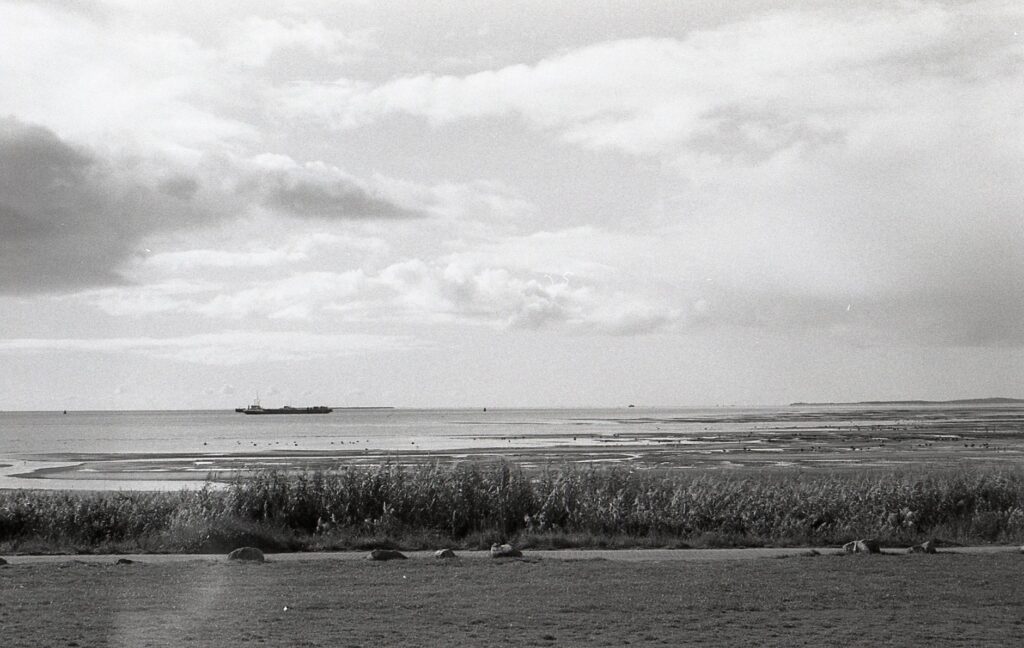
The Wadden Sea is not an open sea in the conventional sense, but rather a vast intertidal zone stretching some five hundred kilometers along the southeastern coast of the North Sea. Washing against the shores of the Netherlands, Germany, and Denmark, it forms a landscape where the boundaries between land and water are rewritten twice daily. In this territory declared a UNESCO World Heritage Site, human mobility does not rely on asphalt highways or conventional railway tracks, but on the relentless rhythm of the tides and an intermodal network of shallow-draft ferries, lightweight cargo barges, and pile-supported boardwalks that defy the mud.
Understanding the logistics of this European outpost requires shedding the traditional idea of direct transit. Here, a journey of barely ten nautical miles can double in duration due to a sandbank freshly formed by an autumn gale or an ebb tide that leaves the access channels to fragile islands like Amrum, Norderney, or Sylt completely dry. Local transport authorities, ferry captains, and island inhabitants share a symbiotic reliance on tide tables, turning every daily commute into an exercise in nautical precision and adaptive engineering.
The Engineering of Flat Hulls and Buoyed Channels
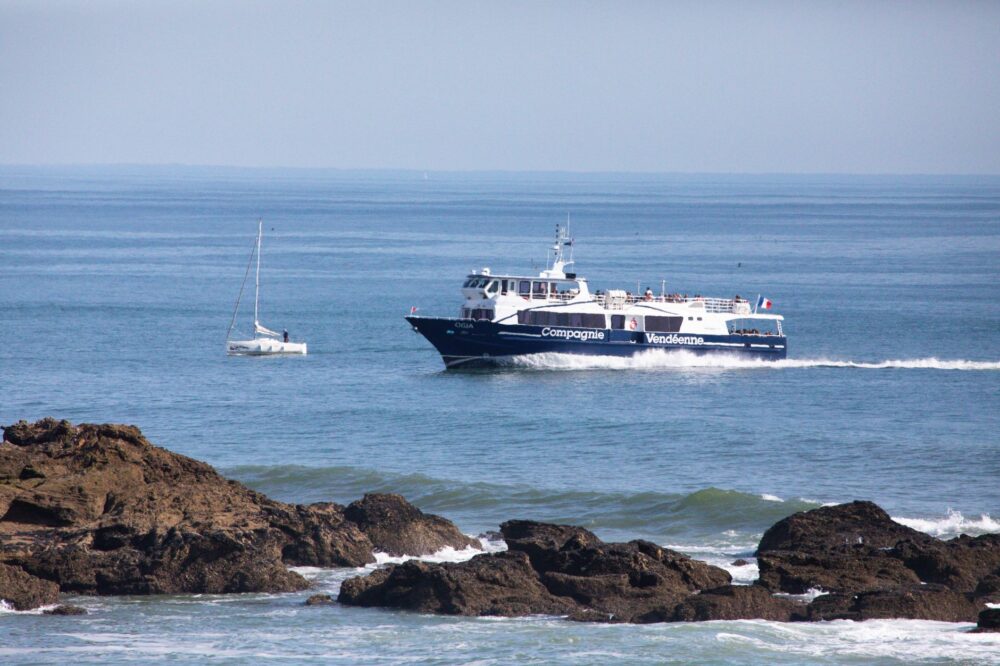
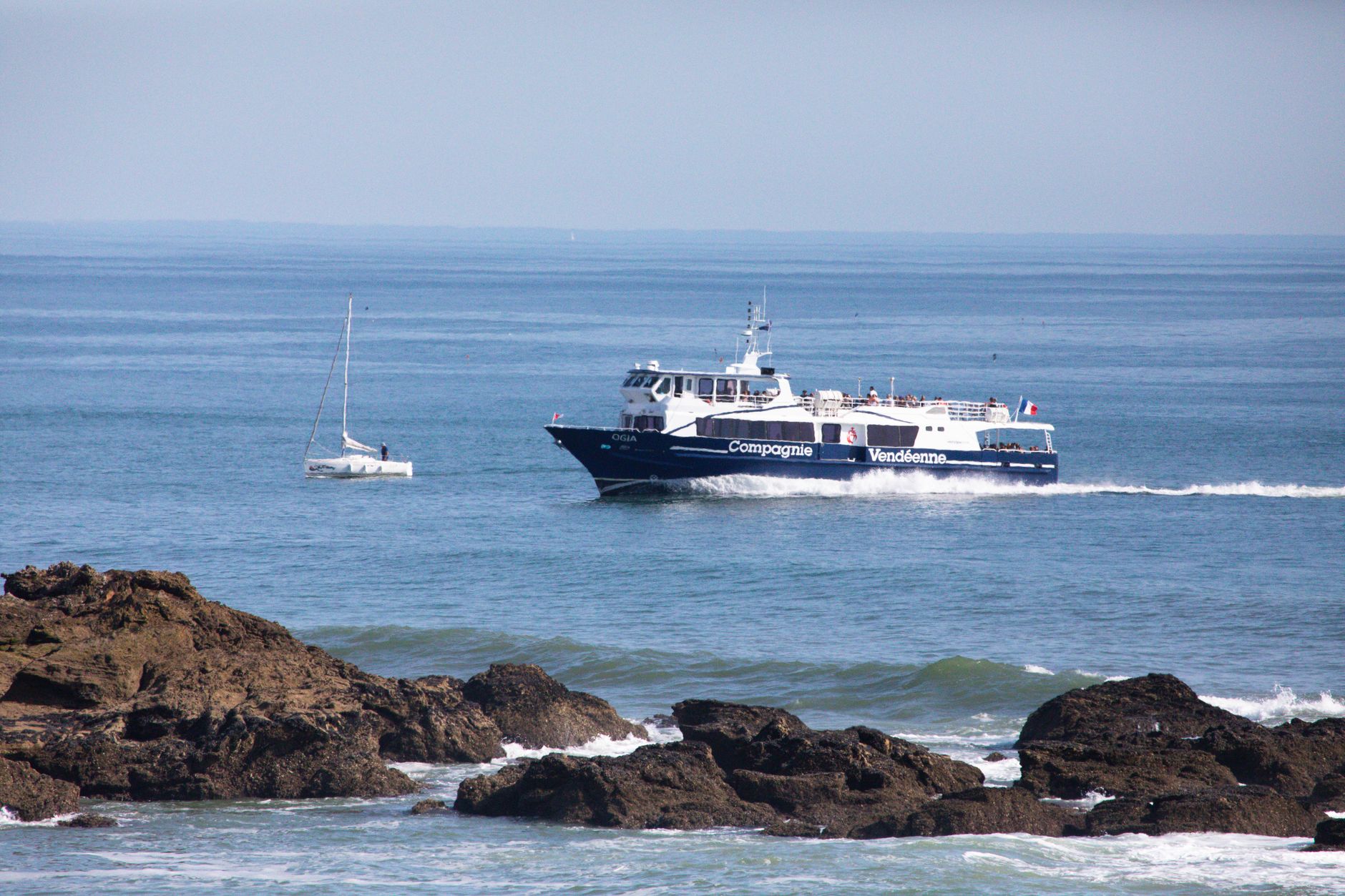
Navigation in the Wadden Sea imposes extreme technical demands on naval architecture. Traditional deep-keel vessels are incapable of operating in these waters, where vast expanses of mud—known locally in German as the Watt—are exposed entirely during low tide hours. For this reason, the ferry fleet connecting the mainland with the East and North Frisian Islands is composed largely of flat-bottomed vessels, azimuthing propulsion systems, and a minimal draft that rarely exceeds two meters.
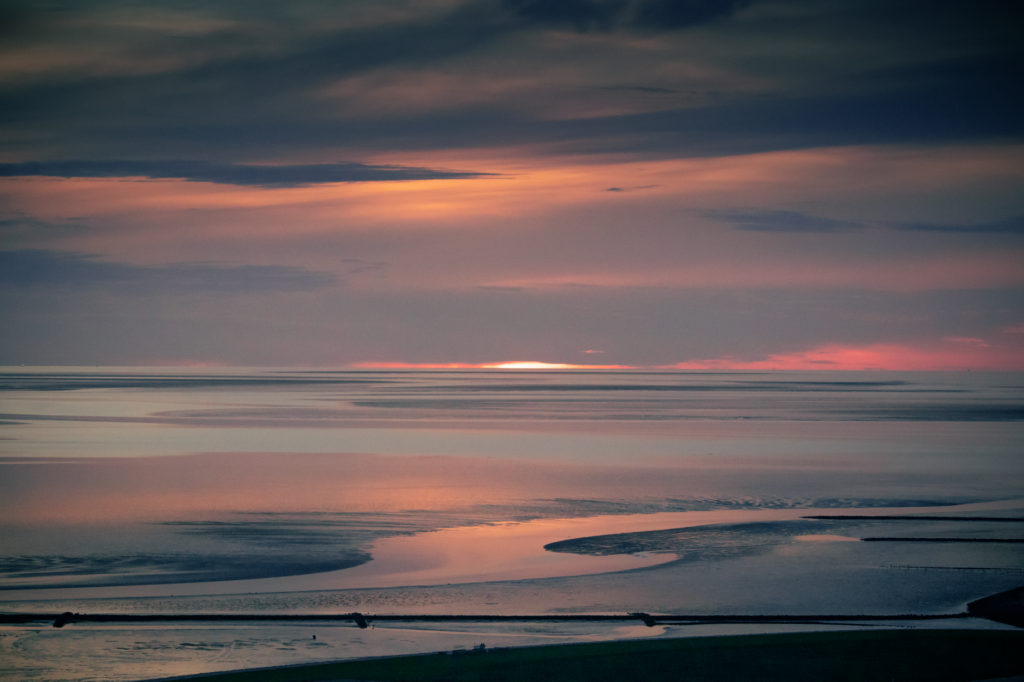
These ships act as authentic floating bridges carrying residents, heavy vehicles, and essential medical supplies alike. Navigation channels, locally known as deep watten, are constantly dredged by governmental bodies to prevent sediment accumulation from isolating entire communities. However, this ongoing maintenance generates a primary ecological dilemma: altering the seabed disrupts the natural habitats of migratory birds and mollusk beds, forcing engineers to strike a delicate balance between the economic viability of routes and environmental preservation.
The Tidal Factor: When the Clock is Set by Moon and Wind
Unlike urban rail systems or air traffic governed by fixed schedules and predictable routines under normal conditions, transport in the Wadden Sea is subjected to the tyranny of astronomical hydrodynamics. The tidal range in this region can reach up to four meters, generating water currents exceeding three knots in narrow tidal channels. Captains must calculate departure times with millimeter precision to harness high water and avoid running aground on shifting sandbanks.
Added to this factor are the adverse weather conditions typical of the North Sea. Strong northwesterly winds can trigger storm surges, raising water levels unexpectedly and flooding access ramps at mainland ports such as Dagebüll or Norddeich. Conversely, prolonged periods of high pressure combined with easterly winds can empty the channels prematurely, forcing the suspension of ferry departures for hours. This climatic volatility requires operators to maintain highly flexible contingency plans and constant communication with passengers.
Island Connectivity: Balancing Tourism Demand and Basic Supply
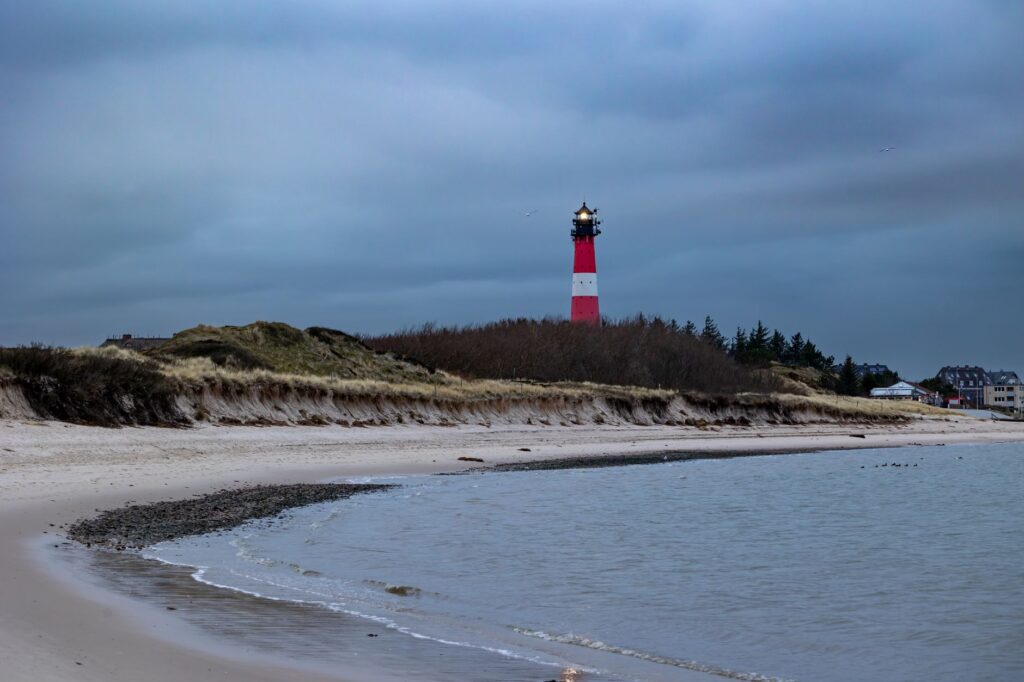
The islands of the Wadden Sea experience extreme demographic fluctuations that test the resilience of their transport system. During the summer months, the population multiplies exponentially with the arrival of tourists drawn by fine sandy beaches and mud-flat hiking trails (Wandern). Ferries then operate at full capacity, running multiple daily rotations to absorb the demand for foot passengers and private vehicles.
However, when the summer season concludes, the logistical network contracts to serve exclusively the needs of permanent residents. At that point, priorities shift radically: passenger transport yields the spotlight to the supply of fuel, fresh food, construction materials, and mail. Cargo barges play a quiet yet vital role, ensuring life on the islands does not grind to a halt despite winter isolation and frequent storms lashing the German-Dutch coastline.
The Energy Transition in Shallow Water Maritime Routes
In recent years, pressure to reduce the carbon footprint has profoundly transformed the Wadden Sea transport fleet. Situated within a strictly protected national park, shipping companies have progressively phased out traditional high-combustion diesel engines in favor of hybrid and fully electric propulsion systems.
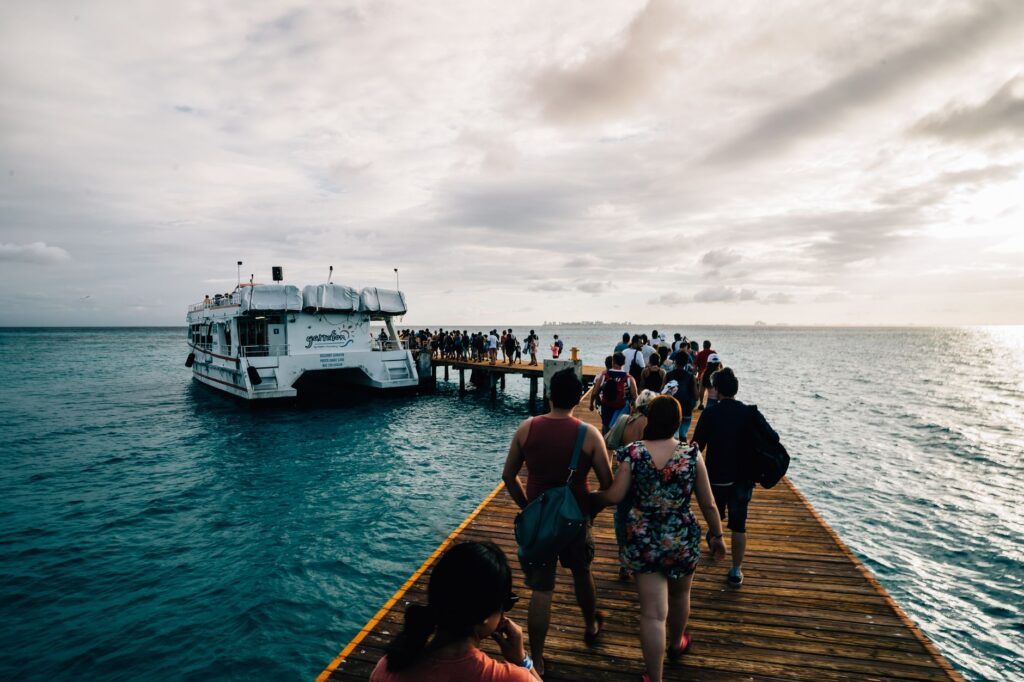
New-generation vessels operating on key routes already combine lithium-ion battery packs with generators fueled by certified biofuels, drastically reducing noise emissions and pollutants near seal nurseries and coastal bird nesting grounds. Nonetheless, electrifying this fleet faces a formidable technical challenge: charging infrastructure at island ports requires multi-million-euro investments to supply the high voltages needed within very tight time windows while ferries discharge and embark passengers in a matter of minutes.
The Mainland Rail and Shuttle Bus Alternative
The Wadden Sea transport system is not confined to the aquatic realm; mainland intermodality is the gear that articulates passenger flows from major European metropolises like Hamburg, Bremen, or Amsterdam to the ferry docks. Regional rail lines operated by companies such as Deutsche Bahn or private operators directly connect terminal stations with ferry piers, synchronizing train arrival schedules with boat departures.
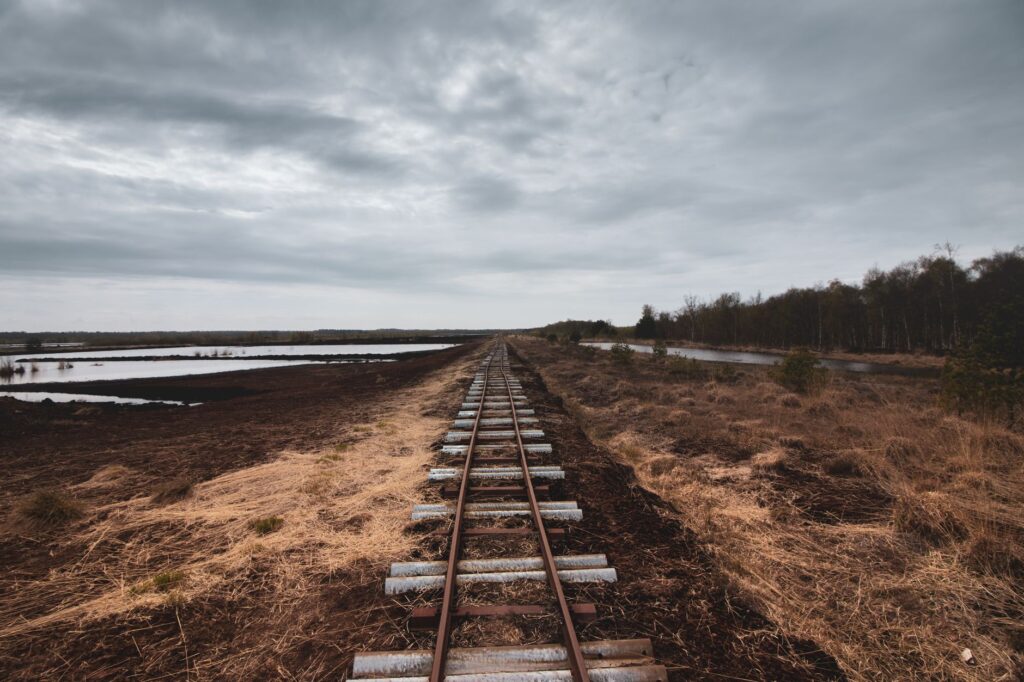
In unique instances, such as the historic railway causeway linking the mainland town of Niebüll with the island of Sylt (the famous shuttle train known as the SyltShuttle), private cars and trucks are loaded directly onto rail flats to cross nine kilometers of muddy marshland. This rail corridor avoids constructing an expensive highway across a fragile ecosystem, demonstrating how railway infrastructure can be integrated with lower environmental impact in flood-prone landscapes.
The true challenge of transport in the Wadden Sea lies in maintaining the delicate thread of human connectivity without fracturing the fragile natural fabric that sustains it.
Safety Practices and Rescue Operations in Treacherous Waters
The combination of unpredictable currents, sudden fogs, and shifting bottoms makes the Wadden Sea one of the most complex navigation environments in Western Europe. For this reason, maritime rescue services, such as the German Maritime Search and Rescue Association (DGzRS), maintain a permanent network of fast-response vessels stationed at strategic points along the coast and islands.
These rescue craft, specifically designed to operate in shallow water and withstand capsizes in extreme sea conditions, complement automated buoyage and radar systems. Commercial captains and recreational sailors must comply with strict safety protocols, including the mandatory use of specific VHF radio channels for port coordination and ongoing consultation of meteorological bulletins issued by national hydrological services.
Practical guide
Planning a journey across the Wadden Sea intermodal system requires logistical rigor, respect for natural timetables, and careful seasonal timing. Below are the fundamental recommendations for navigating this territory safely.
- Schedule planning: Always consult official tide tables (Tidekalender) alongside ferry timetables, as extreme low water can delay departures or alter docking points.
- Advance vehicle booking: If traveling by car to high-demand islands like Sylt, Norderney, or Schiermonnikoog, booking ferry space or the rail shuttle weeks in advance during peak season is essential.
- Luggage and light mobility: Opt for manageable suitcase sizes. Many access gangways to secondary piers and ship decks require carrying luggage manually up steep stairways.
- Rail connectivity: Use combined train-ferry tickets offered by national rail networks, which generally include guaranteed connections in case of minor tidal delays.
- Appropriate clothing: Weather conditions in the North Sea change rapidly; always carry windproof and waterproof garments, non-slip footwear, and protection against ambient moisture.
- Environmental regulations: Strictly obey access restrictions within protected national park zones and avoid walking on mud flats without authorized local guides.
The journey through this amphibious labyrinth concludes not only with arrival at the destination, but with the quiet realization that modern mobility can still submit to the pace of nature. As the flat hull of the ferry softly grazes the wooden pier under a gray sky of low clouds, the traveler understands that in this corner of the world, reaching port is not a conquest over the elements, but a truce signed with the tides of the North Sea.