
Introduction to the Northernmost Frontier of the Planet
The Svalbard archipelago, nestled in the heart of the Arctic Ocean between the 74th and 81st parallel north, represents one of the most extreme, fragile, and mesmerizing marine environments on Earth. Planning an expedition cruise traverse through these waters points toward an experience that transcends conventional tourism, venturing into a territory where geology sculpted by millennial glaciers merges with a rigorous polar ecosystem. This report examines the technical, logistical, and environmental reality of navigating the northern waters of Spitsbergen and its surrounding islands, offering a contrasted perspective on how an expedition of this magnitude is structured.
Far from the mass-market itineraries of large ocean liners, navigation in the archipelago demands expedition vessels with reinforced hulls—typically bearing ice-class notations—capable of operating under conditions where katabatic winds and shifting pack ice dictate the daily rhythm. Svalbard is not a static destination; it is a living system in constant transformation, where glacier retreat and variations in sea ice cover demand absolute operational flexibility from captains and expedition leaders. Understanding this scenario involves unraveling both the aesthetic grandeur of its fjords and the complex technical machinery that makes traversing the 80th parallel possible without compromising crew safety or the integrity of the fragile natural environment.
The Extreme Geography of the High Norwegian Arctic
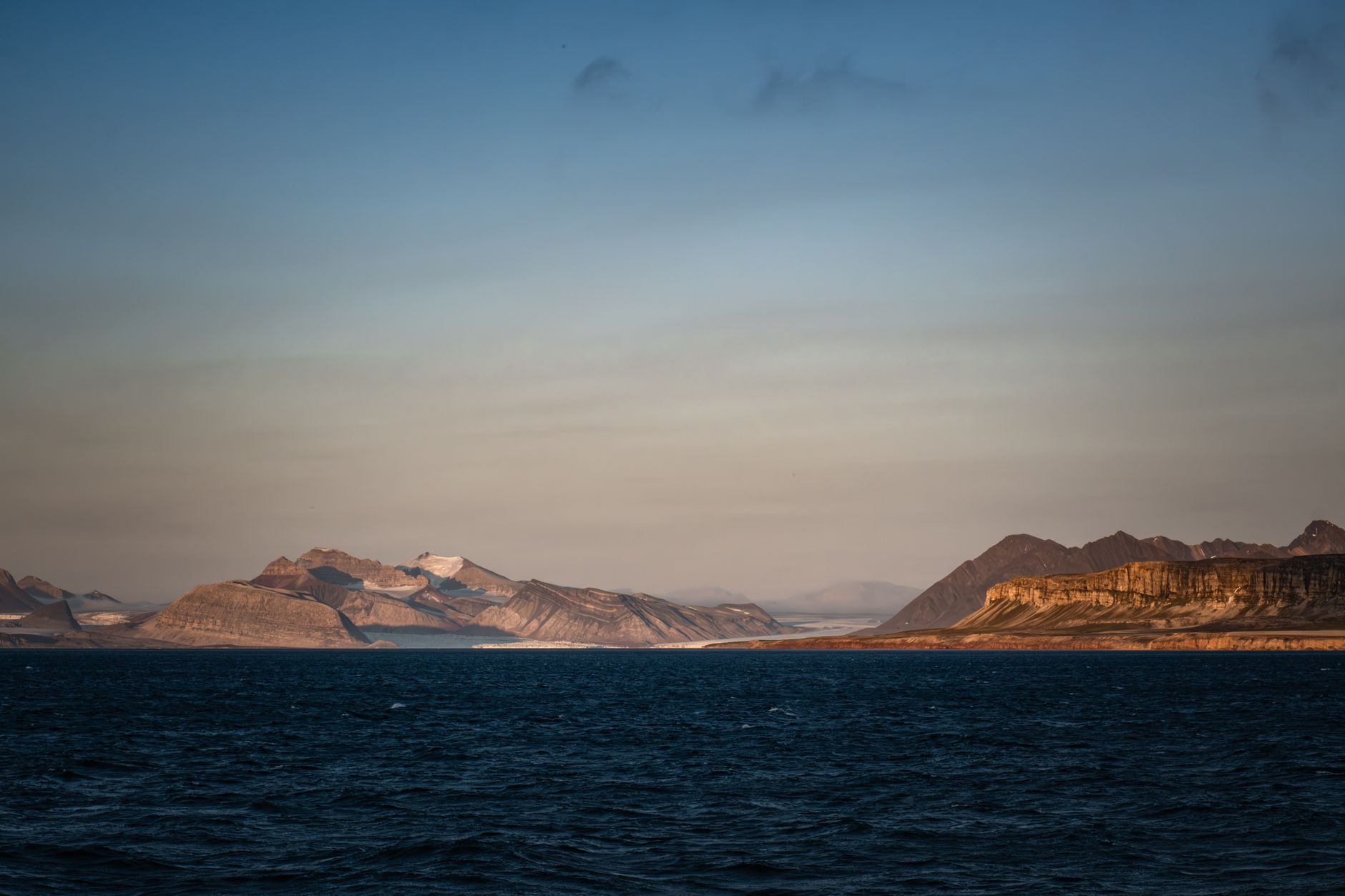
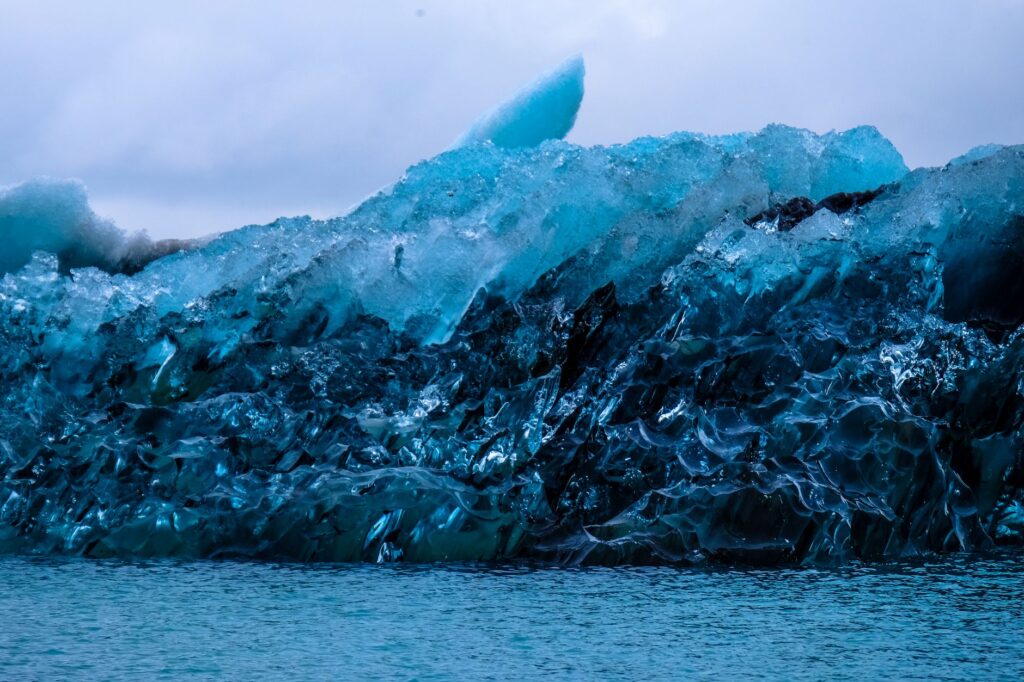
Spitsbergen, the largest island of the archipelago, concentrates the vast majority of navigation activity due to its rugged coastal topography. Deep fjords, carved by massive ice tongues during the glaciations, act as natural corridors allowing vessels to penetrate the island’s interior. These channels are flanked by walls of basaltic and sedimentary rock rising vertically hundreds of meters above sea level, crowned by perpetual ice caps from which towering icebergs and brash ice regularly calve.
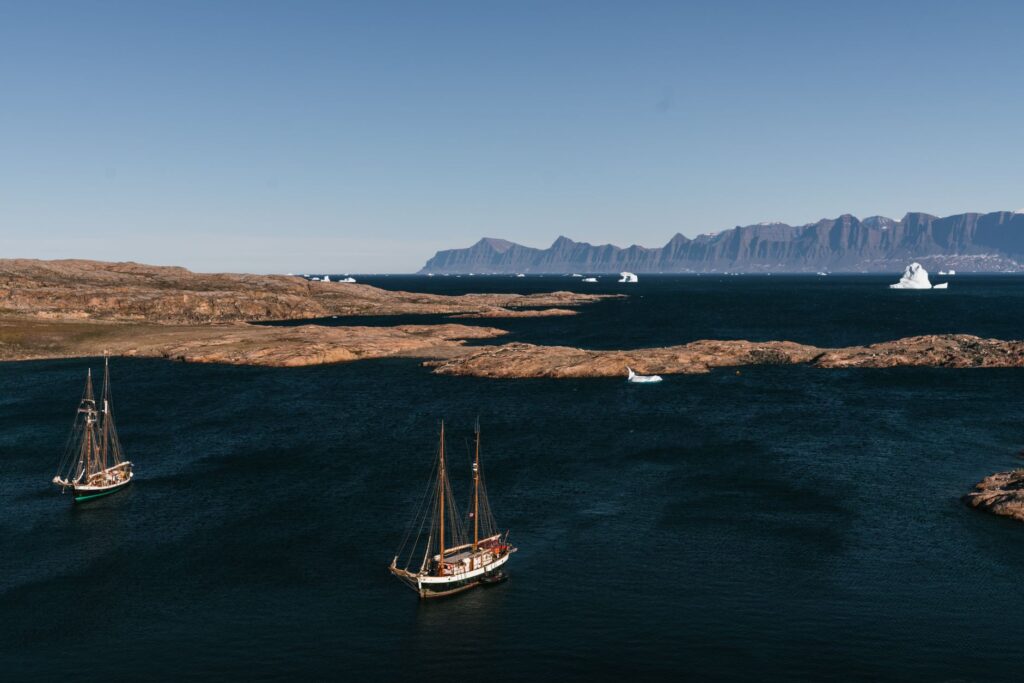
The submarine morphology of the region is equally complex. Channels and straits feature shallow sills and deep trenches carved by glacial dynamics, requiring the constant use of updated bathymetric soundings and close collaboration between the bridge and navigation officers. The absence of conventional navigational buoys across most peripheral waters turns the crew’s experience into an exercise in seamanship, where visual reading of the water surface—looking for color changes betraying shallows or tidal currents—proves just as decisive as electronic global positioning systems.
The Fleet and Technology of Expedition Cruises
Unlike conventional cruise ships, vessels designed for navigation in Svalbard typically accommodate between one hundred and two hundred passengers. This reduced scale responds not only to strict environmental regulations imposed by Norwegian authorities, but also to purely operational necessities. A smaller hull allows maneuvering in confined spaces, approaching glacier fronts safely, and anchoring in sheltered bays where conventional port infrastructure is nonexistent.
Propulsion and structural design are critical elements. Vessels generally feature diesel-electric systems ensuring silent and efficient navigation, minimizing vibration and acoustic impact on marine fauna, particularly cetaceans such as minke whales, fin whales, and belugas. Likewise, maintaining a fleet of rigid-hulled inflatable boats, commonly known as Zodiaks, is indispensable. These amphibious vehicles allow landings on pebble beaches or directly onto the pack ice, transporting travelers in small groups under the constant supervision of armed, polar-trained guides.
The Logistics of Provisioning and Autonomy in Longyearbyen
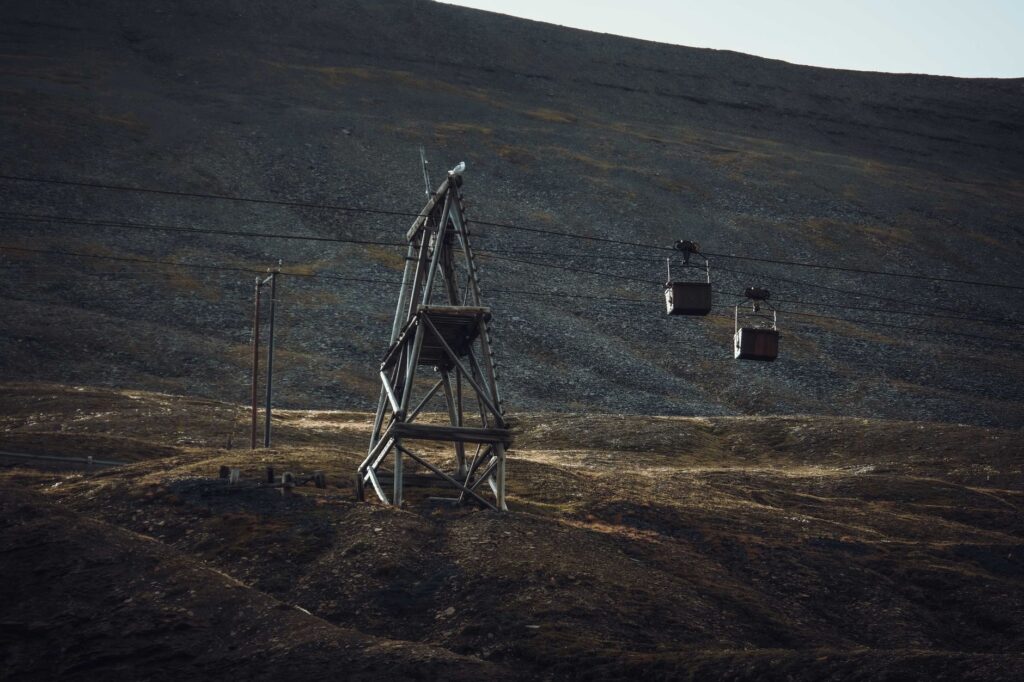
Longyearbyen, the northernmost civilian settlement in the world, located in the Adventfjorden fjord, functions as the nerve center and base port for the vast majority of expeditions in the archipelago. Arrival at this former mining town, now transformed into a scientific and tourism hub, marks the beginning of the critical logistical phase of the journey. Fresh food supplies, special fuel for low temperatures, satellite communication equipment, and technical gear destined for land operations are loaded here.
The supply chain in Svalbard is intrinsically conditioned by its geographic isolation. Everything consumed onboard must be planned months in advance, as en-route resupply options are nonexistent. Operators must coordinate cargo arrivals via regular freight flights or coastal freighters operating from the Norwegian mainland. This logistical dependency demands rigorous contingency plans against potential delays caused by Arctic storms, persistent fog, or temporary closures of the local airfield.
The Environmental Factor and Marine Sea Ice
Navigating through Svalbard means confronting the dynamic challenge of sea ice. Pack ice, composed of frozen seawater, shifts constantly, driven by winds and surface currents. For navigators, interpreting ice concentration—usually measured in tenths—is a skill vital for survival and route efficiency. Daily satellite maps provided by the Norwegian Meteorological Institute are essential tools, but the ultimate decision to penetrate or circumvent an ice field rests exclusively on the captain’s experience.
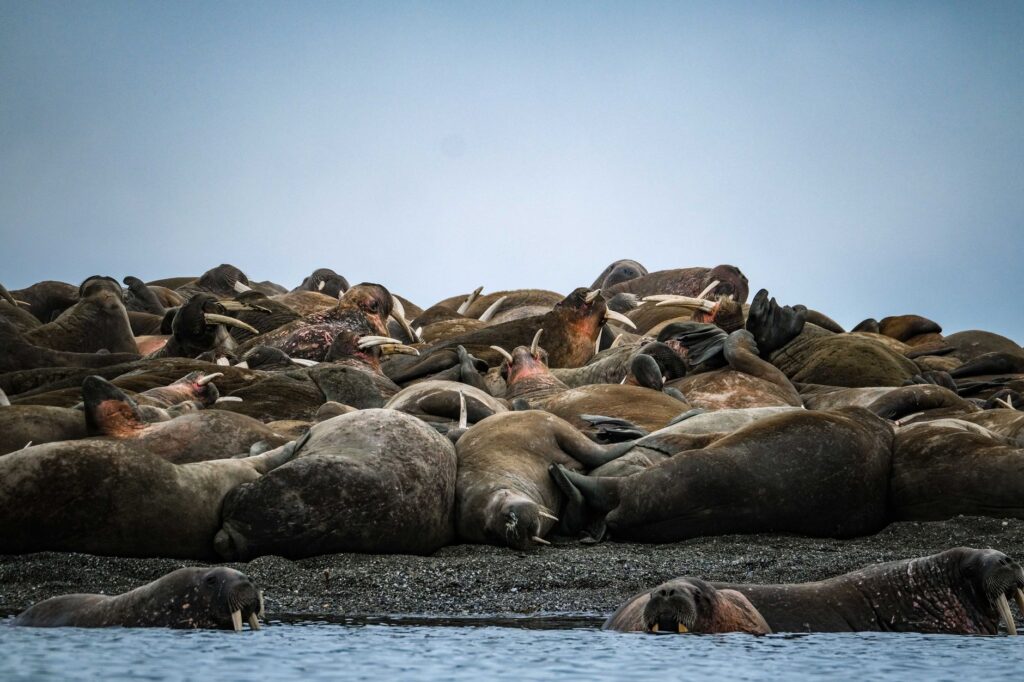
Global warming has drastically altered traditional ice patterns in the region, reducing multi-year ice cover in western fjords and forcing ships to seek higher latitudes, such as the straits between Spitsbergen and Nordaustlandet, to sight solid pack ice. This phenomenon not only affects navigation operations but profoundly reconfigures the habitats of iconic species, altering feeding routes for seals, walruses, and polar bears, which requires tour operators to adopt increasingly strict environmental codes of conduct.
Polar Safety and Protocols Regarding Wildlife
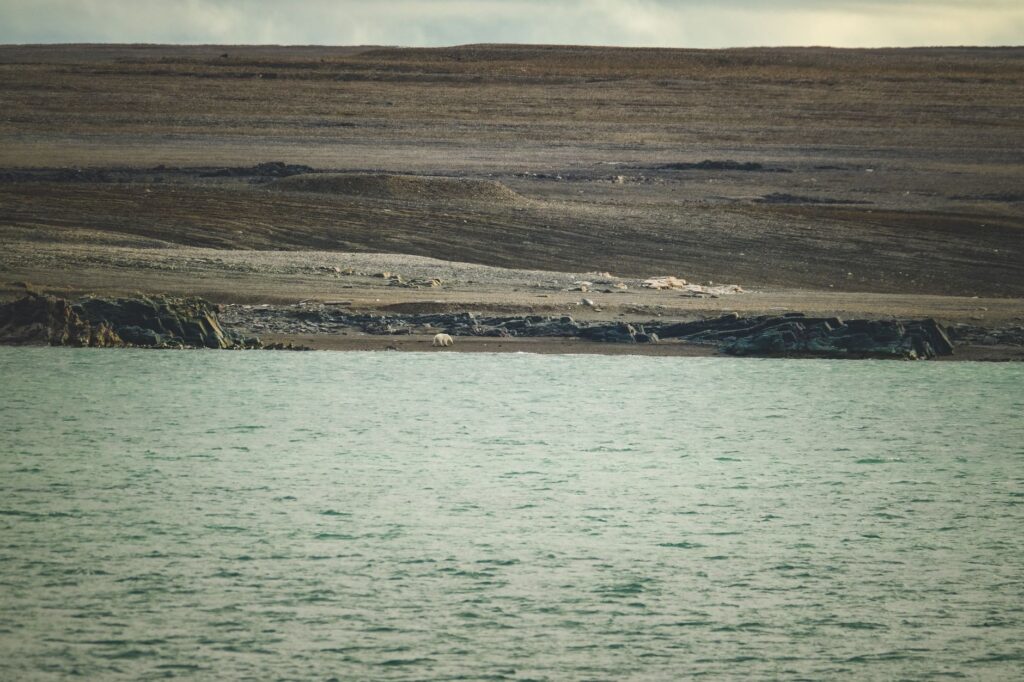
The presence of the polar bear (*Ursus maritimus*) infuses every second of the expedition with a profound respect for wild nature. The archipelago hosts one of the most important populations of this large marine carnivore, strictly protected by Norwegian legislation since 1973. Local regulations strictly prohibit searching for, harassing, or deliberately approaching bears in a way that alters their natural behavior. Expedition cruises must maintain strict safety distances, using binoculars and telephoto lenses for observation.
The fascination of the Arctic does not lie in the conquest of its frozen abysses, but in the ability to contemplate its immensity without altering the fragile heartbeat of the life blooming within them.
When conducting landings on solid ground, safety protocols are non-negotiable. Teams of guides armed with high-caliber rifles and flare pistols establish a 360-degree perimeter watch before passengers set foot ashore. Pre-landing inspections of the area are conducted to rule out the presence of individuals hidden behind rocky ridges or glacial moraines. The golden rule in Svalbard is clear: native fauna holds absolute priority, and all human activity is unconditionally subordinated to the safety and tranquility of the ecosystem.
Life Onboard and the Human Dimension of the Journey
Beyond seamanship and polar logistics, the experience of an expedition cruise is defined by the intimate coexistence among passengers, crew, and a multidisciplinary scientific team. Onboard, days are governed by the perpetual light of the midnight sun during summer months, blurring hourly boundaries between day and night. Daily lectures delivered by glaciologists, polar historians, ornithologists, and marine biologists transform the main lounge into an open classroom where the science behind the landscapes vanishing past panoramic windows is dissected.
This intellectual immersion fosters an unusually cohesive community of travelers. The remoteness from conventional digital connectivity—with extremely limited and costly satellite internet access—promotes a radical disconnection from the urban rhythm and a deep reconnection with contemplative observation. Long hours on deck searching for whale spouts or the whitish profile of an Arctic fox on the tundra become moments of collective introspection.
Socioeconomic Impact and the Future of Polar Tourism
The rise of expedition cruises in the high Arctic has sparked intense debate over the archipelago’s carrying capacity and the sustainability of its local economy. The 1920 Svalbard Treaty establishes a unique legal framework guaranteeing citizens of signatory countries equal access to commercial activities, significantly diversifying the origins of operators and visitors. However, the Norwegian government and the Governor of Svalbard (*Sysselmesteren*) have implemented increasingly severe restrictions.
Recent measures include strictly limiting the number of passengers authorized to land simultaneously in sensitive sites—frequently restricted to a maximum of two hundred daily per zone—and an absolute ban on the use of heavy fuel oils in protected waters. These regulations seek to balance the legitimate right to enjoy and understand the territory with the long-term preservation of a natural sanctuary acting as a key thermometer for global climate health.
Sustainable Navigation Practices and Citizen Science
In response to environmental challenges, the expedition cruise industry has increasingly adopted citizen science initiatives. During voyages, passengers actively collaborate in collecting oceanographic data, recording cetacean sightings through standardized applications, and monitoring seabird colonies like Atlantic puffins and thick-billed murres. This collaboration transforms the passive traveler into an active contributor to international scientific institutions.
Likewise, captains implement rigorous logs of speed and energy consumption, optimizing routes to reduce carbon footprint. Waste management onboard complies with the strictest standards of the international MARPOL convention, with zero discharges of grey or black water into the pristine waters of the fjords. Sustainable navigation in the archipelago ceases to be a commercial option and becomes an indispensable condition for operational survival.
Practical guide
Planning an expedition cruise traverse through Svalbard requires technical rigor and logistical anticipation far exceeding any conventional vacation trip.
- Best time to visit: The operating season runs exclusively between June and September. June stands out for extensive ice fields and bear sightings on pack ice; July and August offer milder temperatures and deep access to fjords; September marks the return of twilight and the first northern lights.
- Vessel selection: Prioritize ships with superior ice class ratings (PC5 or PC6) and a capacity under two hundred passengers to guarantee access to all landing sites authorized by the governor.
- Essential personal equipment: Merino wool thermal layering system, high-end windproof and waterproof jacket and trousers, high-cut non-slip rubber boots (usually provided by the operator), tactile thermal gloves, windproof beanie, and Category 4 UV-protected polar sunglasses.
- Optics and photography: Weather-sealed camera body, versatile telephoto lenses (70-200mm or 100-400mm), spare batteries (extreme cold drastically reduces autonomy), high-capacity memory cards, and a good pair of stabilized marine binoculars (8×42 or 10×42).
- Documentation and health requirements: Valid passport, international travel medical insurance with mandatory coverage for evacuation and rescue in remote high-mountain or polar zones (with coverage limits exceeding one million euros), and prior knowledge of strict biosecurity protocols to prevent the introduction of invasive plant species.
Epilogue Visual in the Polar Horizon
When the vessel undertakes the return journey southward and the lights of Longyearbyen reappear on the fjord’s horizon, the perception of time and space has undergone an irreversible metamorphosis. Svalbard bids farewell with the exact same severity with which it welcomed the traveler: a massive wall of bluish ice calving silently into the dark waters of the Greenland Sea. In that final moment, under the persistent glow of a sun refusing to set, the white immensity ceases to be a mere geographic destination and becomes an indelible reminder of the grand, fragile beauty of the natural world.