
Introduction to a Liquid Crossroads of Global Significance
The Strait of Gibraltar is far more than a mere geographical accident separating two continents; it represents one of the most complex oceanographic and biological arteries on the planet. In this narrow passage, barely fourteen kilometers wide at its tightest point, the cold, dense waters of the Atlantic Ocean constantly collide and mix with the warm, saline masses of the Mediterranean Sea. This perpetual collision generates a unique dynamic system where surface and deep currents converge, creating an environment of high biological productivity that sustains everything from tiny planktonic organisms to massive marine mammals.
For the traveler and researcher approaching this maritime frontier, the experience transcends simple coastal tourism. Here, the vastness of the marine landscape intertwines with intense human activity, turning the Strait into an open-air natural laboratory. Understanding the keys to its ecological functioning requires looking beyond the cliffs of Tarifa or the North African coasts, plunging instead into the invisible currents that sculpt this ecosystem and into the multidisciplinary efforts seeking to balance biodiversity conservation with the relentless transit of international merchant traffic.
The Dynamics of Currents: When the Atlantic Feeds the Mediterranean
The oceanographic engine of the Strait of Gibraltar operates like a machine of perpetual exchange. Due to the high evaporation rate in the Mediterranean Sea, its water level tends to drop slightly relative to the Atlantic, creating a deficit compensated by a steady surface current flowing from west to east. This Atlantic water mass, colder and less saline, rushes in while dragging essential nutrients from deep oceanic depths.
In the opposite direction, at depths exceeding two hundred meters, an outflow occurs: Mediterranean water, dense and laden with salts from heavy evaporation, spills over the submarine threshold and pours into the depths of the Atlantic. This two-layer circulation phenomenon is fundamental for global thermoregulation and for maintaining the biological fertility of both seas. Submarine ridges and canyons act as shock topographies, forcing deep water ascents known as upwellings, which enrich the surface with mineral salts indispensable for the base of the trophic chain.
Cetacean Biodiversity: Refuge and Transit for Large Marine Mammals
The nutritional wealth derived from these currents makes the Strait of Gibraltar a privileged feeding and transit zone for numerous cetacean species. Here, it is possible to document the regular presence of up to seven different species, some of which reside permanently in the area, while others use it as a seasonal migratory corridor between the open ocean and the inner fishing grounds of the Mediterranean.
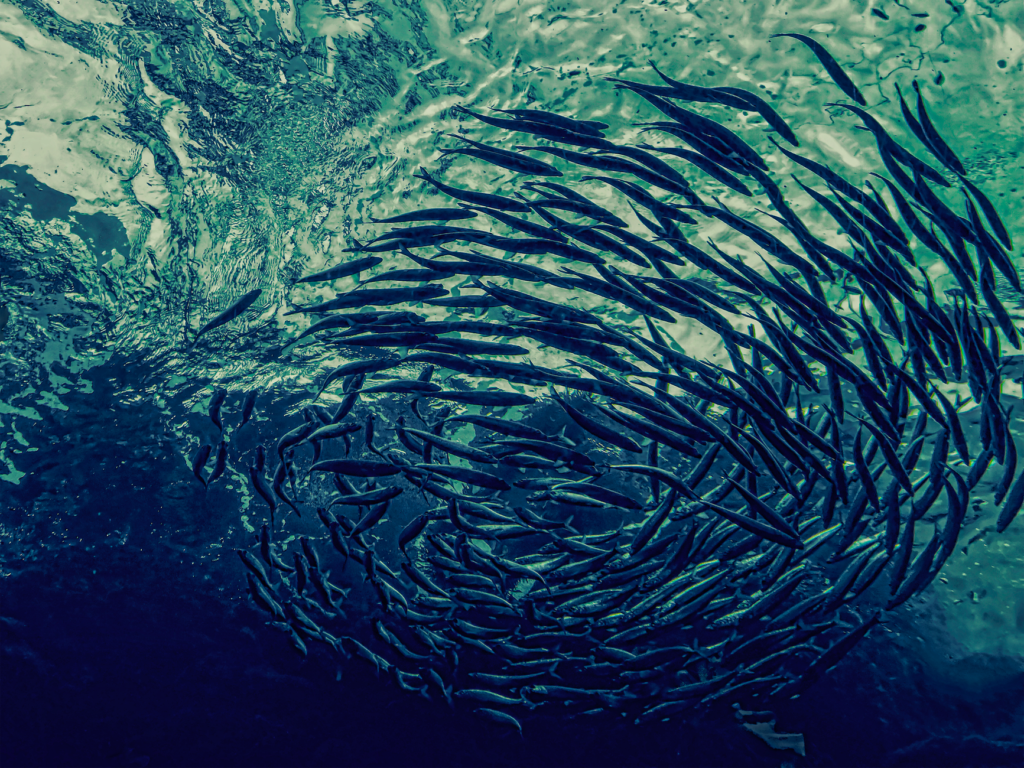
Among the most emblematic residents is the long-finned pilot whale, whose family pods patrol the waters in search of the powerful squid inhabiting the submarine canyons. Likewise, bottlenose and common dolphins ride the wakes of ships, taking advantage of turbulence to hunt pelagic fish. However, the most unique and closely monitored inhabitant of this ecosystem is the Iberian killer whale, a highly specialized population dependent on the seasonal migration of bluefin tuna, establishing a complex trophic and cultural interaction that scientists follow with fascination and concern.
Anthropogenic Pressure: The Challenge of Coexistence on a Maritime Highway
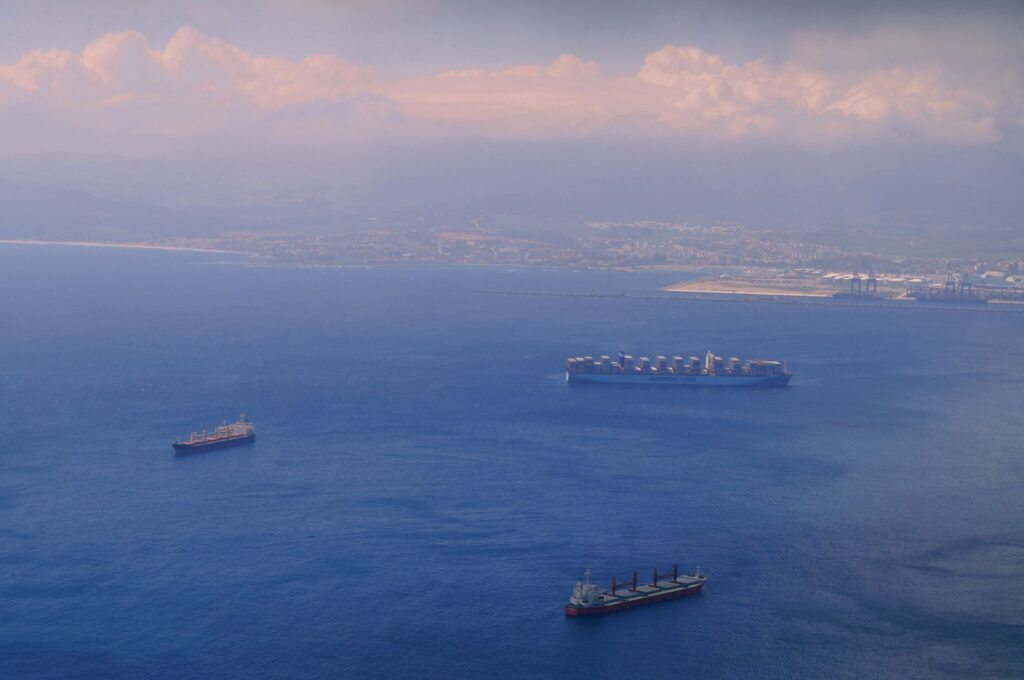
Despite its incalculable ecological value, the Strait of Gibraltar bears one of the densest maritime traffic loads in the world. Hundreds of merchant vessels, oil tankers, passenger ferries, and fishing boats cross this corridor daily, generating significant environmental challenges in the form of underwater acoustic noise, spill risks, and direct collisions with marine fauna.
Acoustic pollution, in particular, represents an invisible yet devastating threat to cetaceans, whose complex communication and echolocation networks are severely disrupted by the roar of large-tonnage engines. Added to this is the impact of intensive fishing, which directly competes for the trophic resources upon which apex predators depend. International organizations and local authorities collaborate closely to establish safe navigation corridors and limit speeds in critical zones, although the effective implementation of these measures remains a constant challenge.
Shared Shores: The Cultural and Fishing Heritage of Two Worlds
The geography of the Strait has been, since classical antiquity, a bridge between civilizations. Phoenician, Roman, Arab, and European cultures have left an indelible mark on both shores, cementing a shared maritime identity where traditional fishing has played a starring role for millennia. The traps, an ancient and selective fishing gear for catching bluefin tuna, continue to operate in these waters as a living vestige of a sustainable relationship with the marine environment.
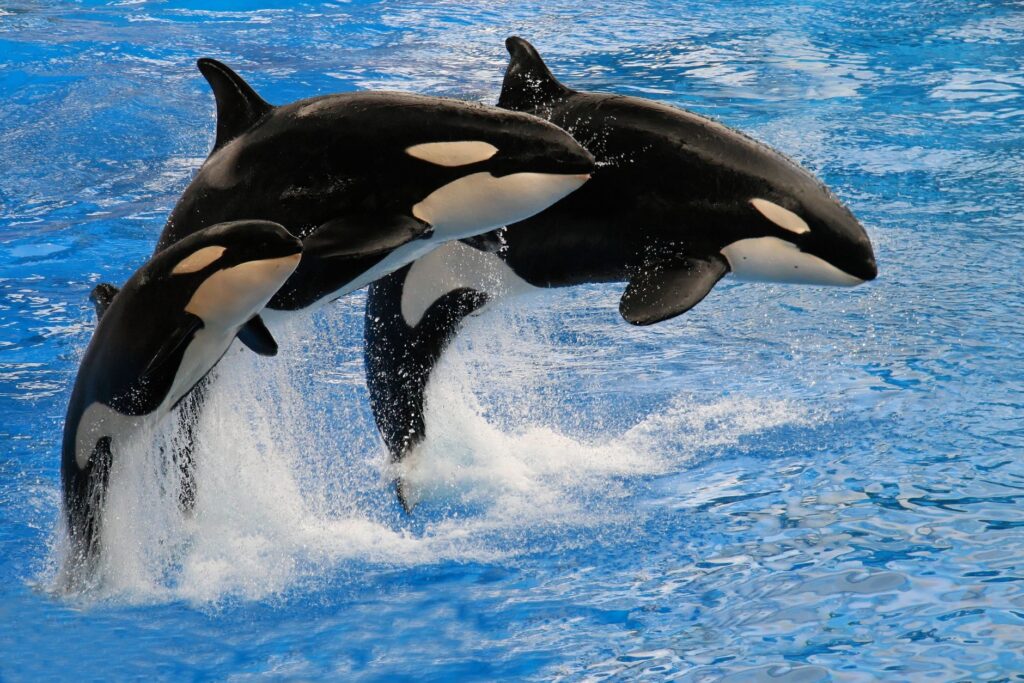
This fixed gear, which takes advantage of the migratory routes of tunas between the Atlantic and the Mediterranean, demonstrates that harmonious resource exploitation is possible if biological cycles are respected. The coastal communities of the region keep this legacy alive through deep ethnographic knowledge, passed down from generation to generation, which today complements the rigorous scientific monitoring programs driven by universities and oceanographic centers.
Citizen Science and Active Conservation: Monitoring the Pulse of the Sea
Given the vulnerability of the ecosystem, citizen science initiatives and participatory research projects have gained decisive weight in the Strait of Gibraltar. Marine biologists, onboard observers, and environmental enthusiasts collaborate in photographic cataloging of individuals, sighting registration, and the collection of water and plastic samples, generating fundamental databases for environmental management.
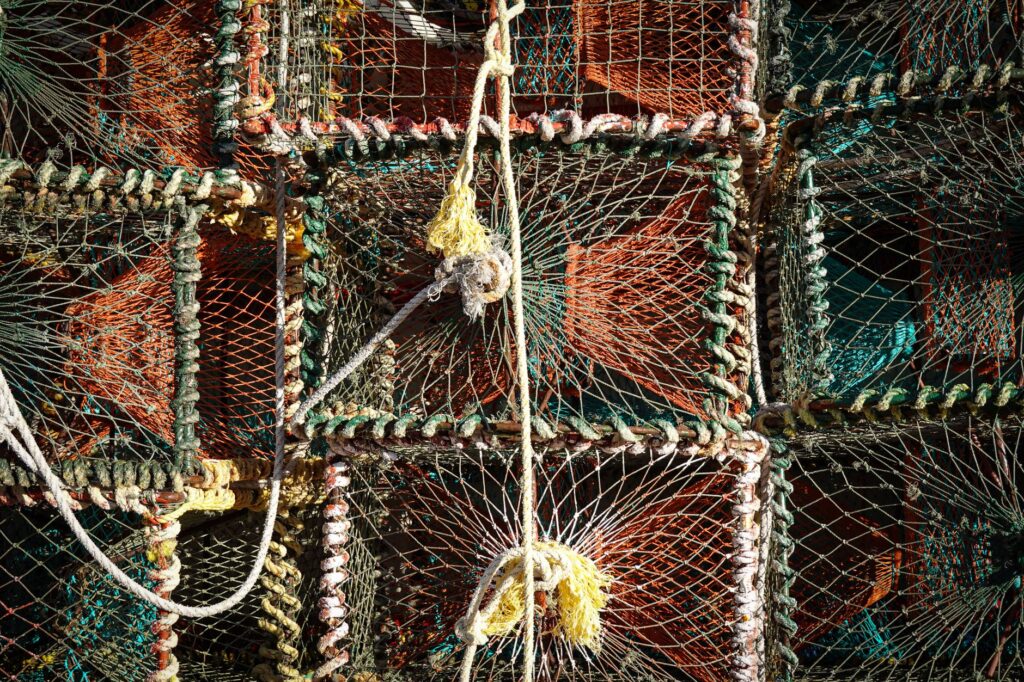
These collaborative platforms allow real-time monitoring of cetacean populations and the overall health of the marine environment. They also play a crucial educational role, transforming visitors and local tour operators into active agents of conservation. Strict regulation of whale-watching vessels, which must comply with rigorous codes of conduct to avoid harassing animals, exemplifies how tourism can be subordinated to the biological needs of the environment.
Practical guide
How to get there: The main access to the region from the European side is through the international airports of Málaga or Sevilla, continuing by road via the A-7 highway or AP-4 to the Campo de Gibraltar region and Tarifa. On the African side, Tangier features an international airport and frequent high-speed maritime connections from the ports of Algeciras and Tarifa.
When to go: Spring months (April to June) and early autumn (September to November) offer the best weather conditions and are optimal for observing migratory birds and passing cetaceans. Summer is ideal for spotting resident pilot whales and dolphins, though eastern winds (levante) can intensify and temporarily disrupt navigation.
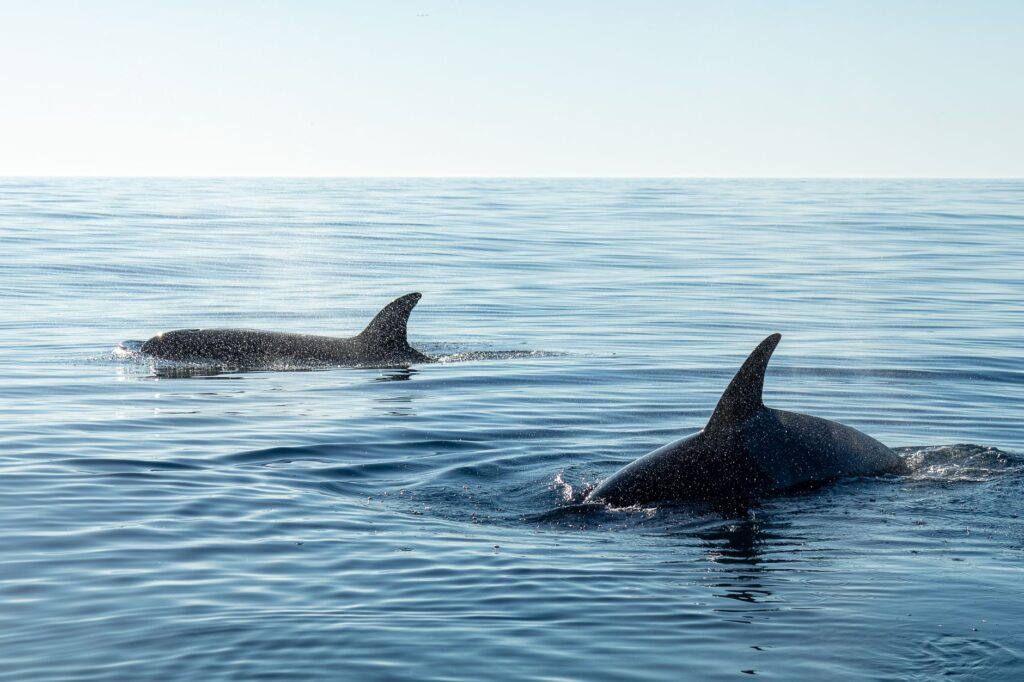
Travel recommendations: For marine wildlife observation, exclusively hire authorized services that possess the official good practices badge and avoid invasive approaches. It is essential to equip yourself with appropriate windproof clothing, non-slip footwear, and advanced sun protection, as weather conditions in the Strait change extremely rapidly due to the convergence of local winds such as the levante and poniente.
The Blue Pulse That Unites Continents
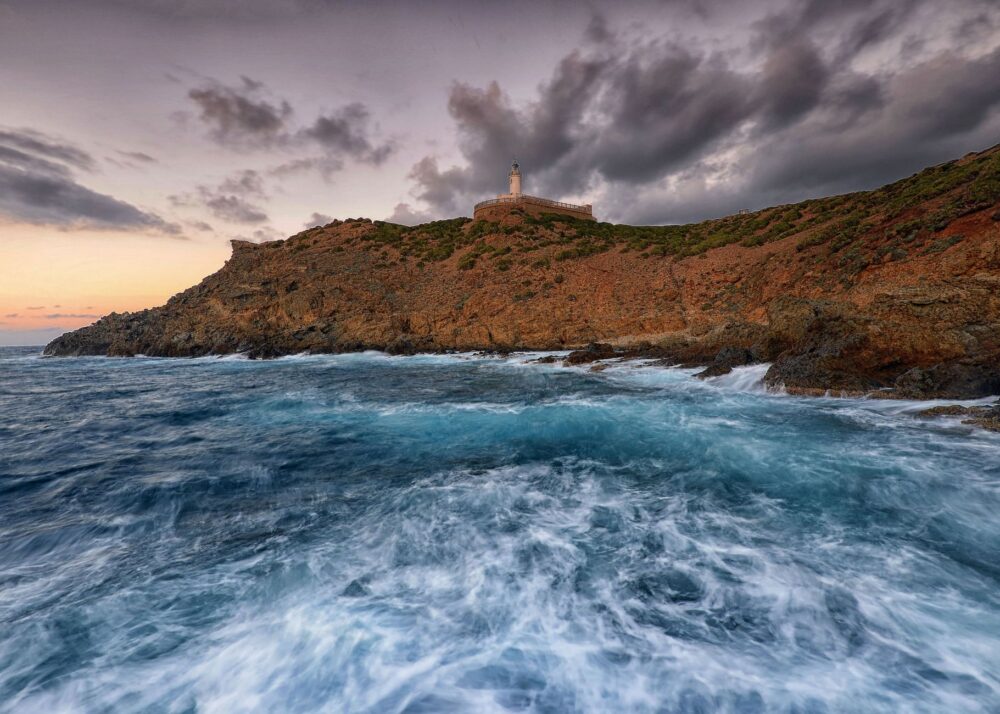
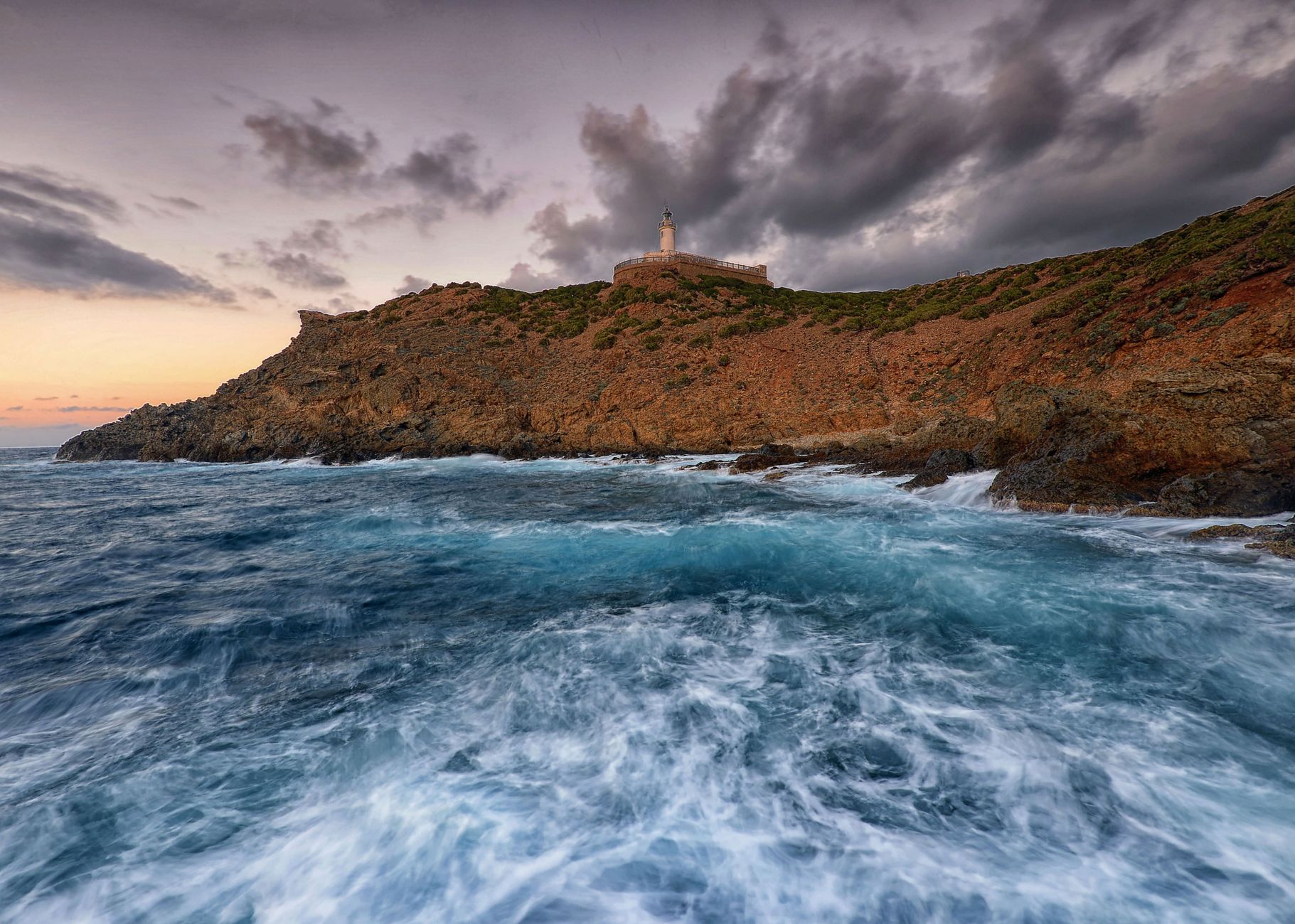
Observing the sunset over the waters of the Strait of Gibraltar from a coastal promontory invites profound reflection on the interconnection of the planet’s oceans. Here, where Atlantic waters fertilize the interior sea of Europe and Africa, nature demonstrates extraordinary resilience despite the intense human pressure it endures every day. This fragile balance depends as much on the complex laws of physical oceanography as on the collective will to protect a unique liquid heritage.
At the end of the day, when the wind subsides and the sea surface recovers its apparent calm, currents continue their relentless course in the depths, keeping the biological engine of this sea of encounters alive. Caring for the Strait of Gibraltar is not only preserving a cetacean sanctuary or a navigation corridor, but safeguarding the health of one of the world’s most vital ecological hinges, a perennial reminder that the boundary between continents is, in reality, a liquid embrace uniting life on Earth.