
The Gentle Artery That Weaves Vineyards and Locks
The European territory of Alsace hides beneath its surface of gabled roofs and terraced vineyards an artery of gentle water that forever altered its commercial and tourist physiography. Conceived in the mid-nineteenth century under the direction of hydraulic engineer Charles-Emmanuel Suchet, the Marne-Rhine Canal was never merely a fast track for coal and timber; it transformed the landscape into an amphibious corridor where slowness ceased to be a flaw and became the primary virtue for contemporary travelers. Across its more than three hundred total kilometers, the stretch running between Saverne and Strasbourg concentrates an exceptional density of architectural and landscape heritage, where each lock operates as a small chronometric clock regulating both houseboat traffic and the unhurried pace of the cycle tourist.
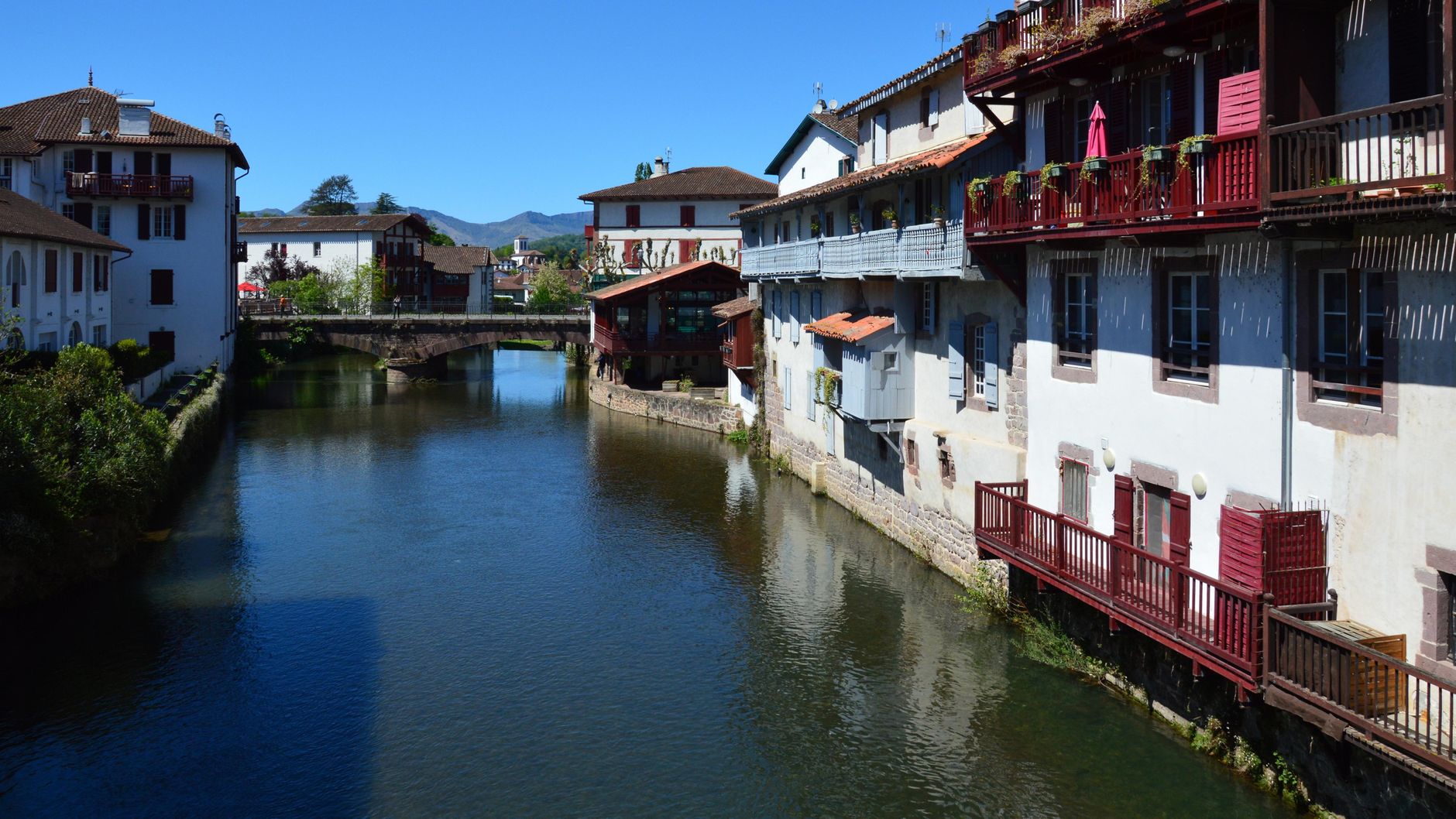
Understanding this infrastructure requires abandoning the rush of major European highways to adopt the rhythm of inland navigation. Here, water is not crossed; it is inhabited. The calm waters of the canal reflect the silhouettes of feudal castles crowning the Vosges Mountains, establishing a constant visual dialogue between medieval stone and nineteenth-century civil engineering. The regional authorities of the European Collectivity of Alsace have skillfully interpreted this historical vocation, transforming the former towpaths—the tracks where men and draft animals once pulled barges—into one of the most efficient and best-paved cycle paths on the continent, fully integrated into the EuroVelo 5 European network.
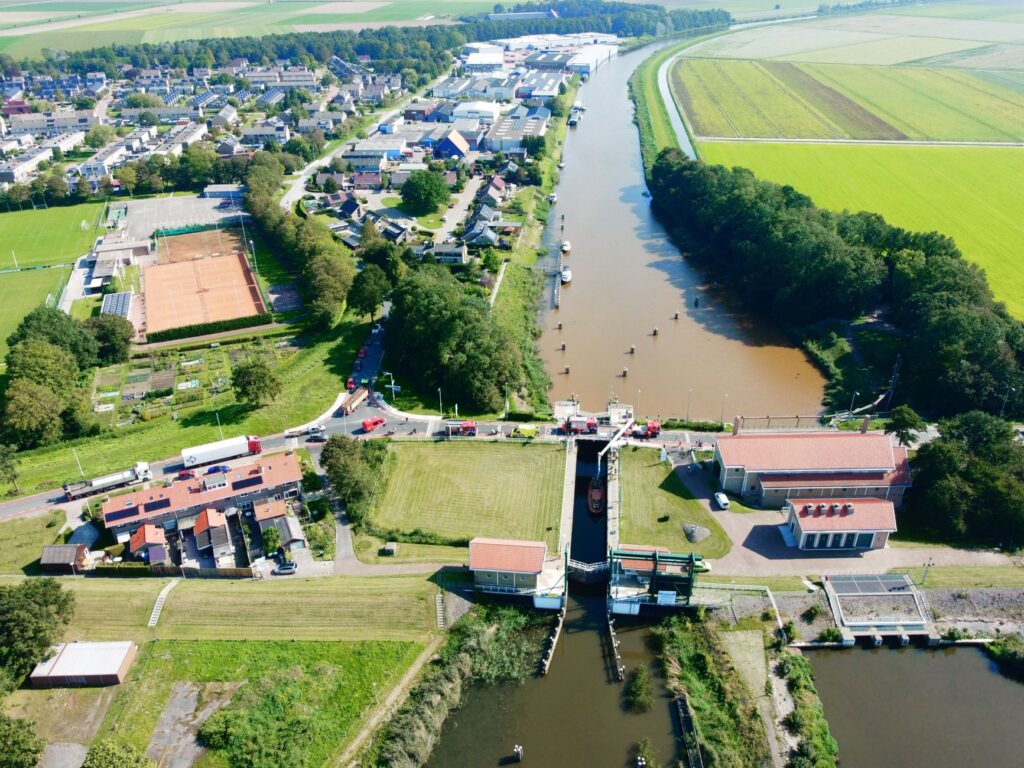
Traveling alongside the water in Alsace is an exercise in deciphering a cartographic archive where civil engineering bends to the whims of river valleys, proving that true territorial modernity often lies in the preservation of historical pulse.
The Engineering of Water: Manual Locks and Mechanical Lifts
The canal’s layout as it approaches the Vosges geological fault presents a formidable topographic challenge that compelled French Second Empire engineers to devise colossal solutions. A few kilometers from the border with Lorraine, the canal confronts a gradient insurmountable by traditional single-chamber locks, motivating the twentieth-century construction of the celebrated Saint-Louis-Arzviller inclined plane—a milestone of global engineering that replaced a staircase of seventeen locks and reduced transit time from an entire day to barely twenty minutes.
Nevertheless, the strictly Alsatian stretch descending toward the Strasbourg plain preserves a living network of manual and automated locks operating with millimeter precision. Local lockkeepers, custodians of a tradition combining hydraulic mechanics with attentive service to navigators, manage the gates under an unwritten code of fluvial courtesy. For the traveler exploring these banks on foot or by bicycle, witnessing the filling and emptying of a lock becomes a hypnotic ritual where water shifts levels with a steady murmur that masks the distant hum of vehicular traffic.
The integration of these structures into the landscape is no accident, but rather the result of rigorous heritage maintenance policies. The ashlar masonry walls of Vosges pink sandstone, quarried locally in Phalsbourg, resist the test of time and humidity, retaining a greenish patina that blends them seamlessly into surrounding beech and oak forests. Noble hardwood gates, protected with traditional tars, open and close their cycles under the watchful eyes of grey herons and kingfishers that have made this artificial corridor their preferred natural habitat.
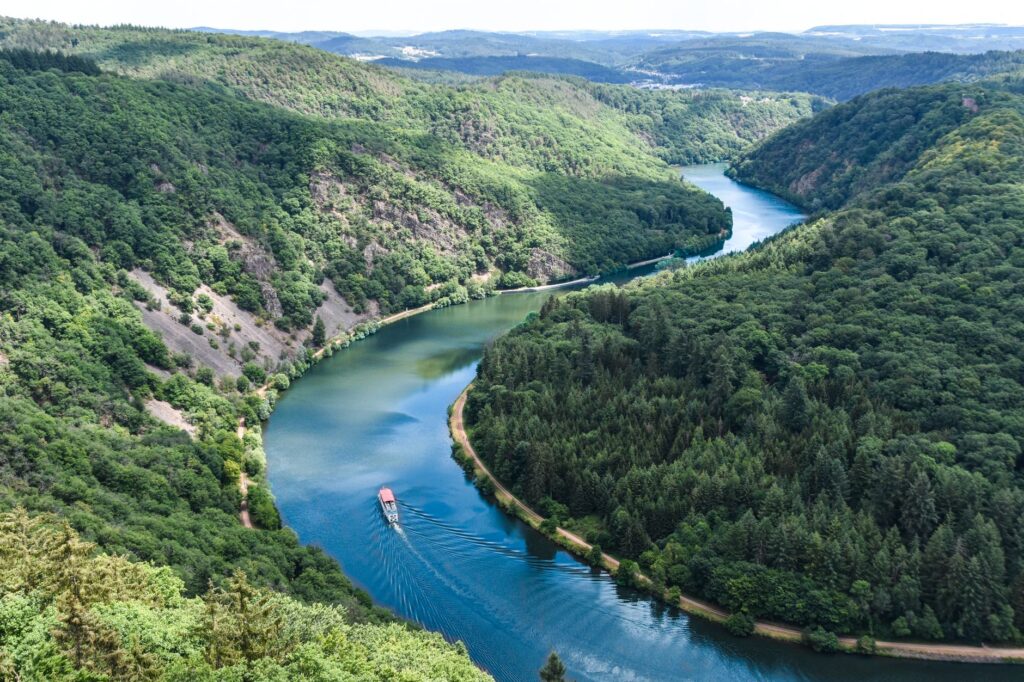
The Cycle Path as the Backbone of Slow Tourism
If the canal is the fluvial artery, the cycling route running along its northern bank constitutes the circulatory system oxygenating the rural economy of riverside villages. The path, fully paved and free of motorized traffic across the vast majority of its Alsatian course, allows for an immersive dive into the daily life of communities such as Hochfelden, Dettwiller, or historic Saverne, known as the gateway to Alsace due to its strategic location at the foot of the mountain pass. The absence of steep gradients makes this route accessible to families and long-distance touring cyclists alike.
The economic impact of this soft infrastructure has revitalized former secondary railway stations and abandoned port warehouses, converting them into technical service points for bicycles, rural tourism lodgings, and specialty cafes where local produce takes center stage. The infrastructure fosters a decentralized distribution of tourist flows, diverting visitors from the saturated urban centers of Strasbourg or Colmar toward the agricultural interior, where the canal’s circular economy supports producer markets, traditional bakeries, and small craft breweries.
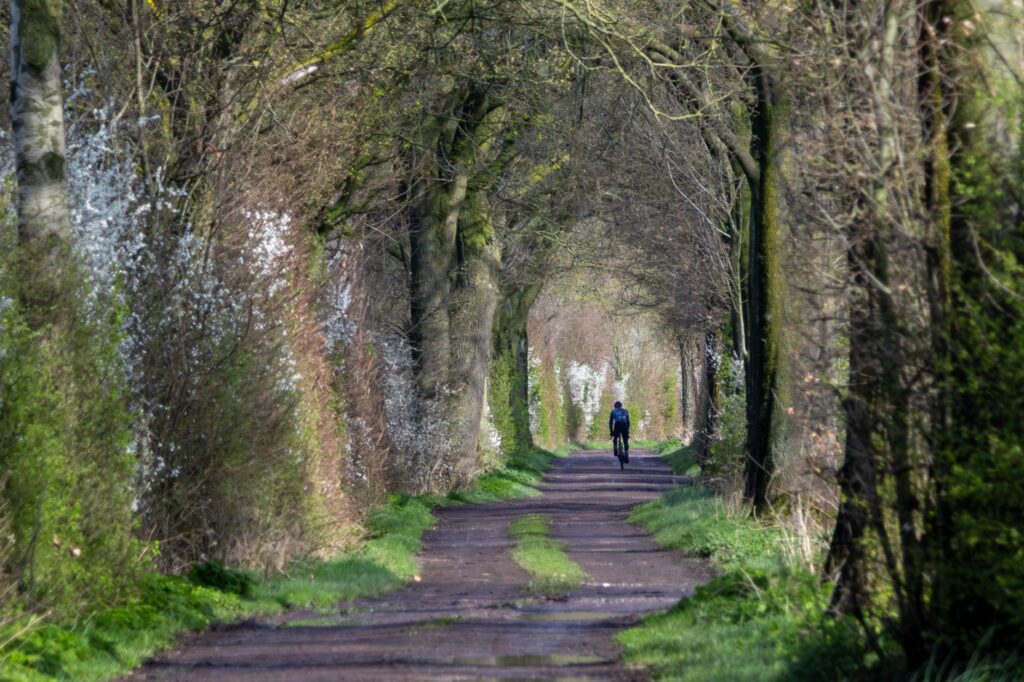
Furthermore, railway intermodality is a foundational pillar of this green corridor’s success. The regional SNCF TER lines connecting Saverne, Brumath, and Strasbourg accommodate bicycles without disassembly, offering free reservations in high season and enabling flexible circular routes. Travelers can pedal eastward driven by the river valleys and return in minutes by train, optimizing time and drastically reducing the carbon footprint of their holiday stay in the region.
Brick and Stone Architecture: Industrial Heritage Afloat
Navigating or cycling along the Marne-Rhine Canal is also undertaking an archaeological journey through the Industrial Revolution in eastern France. Former lockkeepers’ houses, standardized in the late nineteenth century under strict administrative canons, are recognized by their red-brick and sandstone facades, flanked by meticulously tended kitchen gardens that reveal their former occupants’ self-sufficiency. These buildings, mostly privatized or converted into administrative offices for Voies Navigables de France (VNF), retain decorative wrought-iron details on their eaves and lintels.
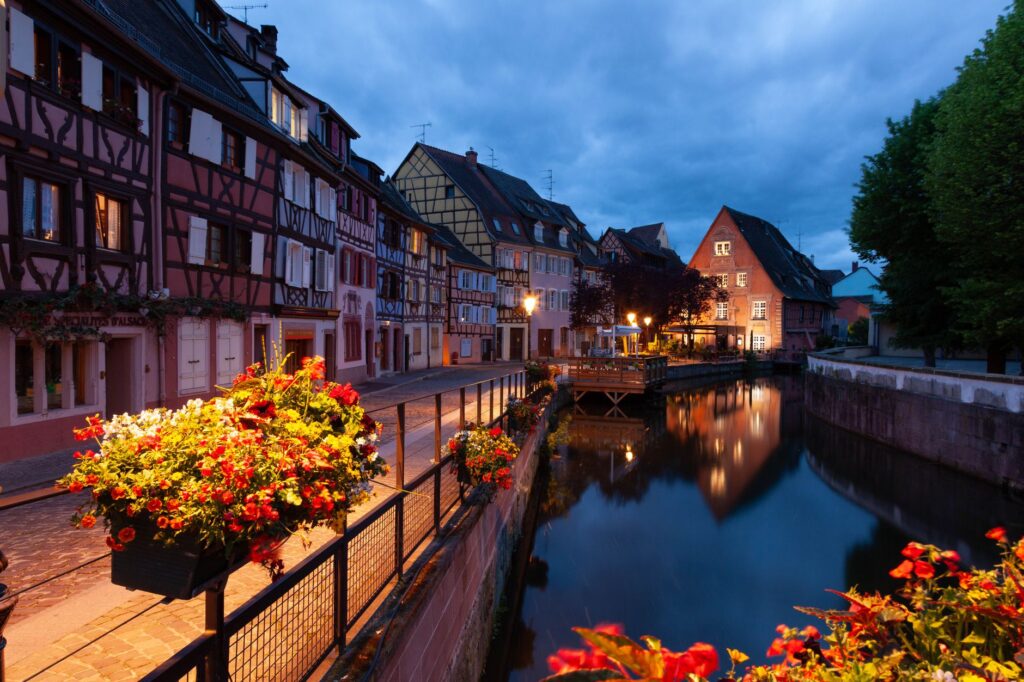
Particularly fascinating is the analysis of former coal and timber loading docks in the vicinity of the Saverne basin. Although heavy freight has almost completely yielded to recreational navigation, cast-iron bollards, mooring rings anchored in stone parapets, and old manual cranes remain intact, transformed into silent witnesses of an era when Saar coal and Lorraine steel fueled Alsatian industrial machinery. Interpretive panels installed by the municipal council allow visitors to understand the logistical scale of an inland port that once handled thousands of tons annually.
The preservation of this industrial heritage seeks not mere museological beautification, but integrated functionality. Metal swing bridges, which must still be manually operated by canal staff or boat skippers using reduction cranks, continue to interrupt cyclists’ passage punctually, generating a mandatory pause that encourages casual encounters between boaters and hikers amidst corn and hop fields.
The Amphibious Pantry: Riverside Gastronomy and Lockside Produce
The economic and cultural pulse of the canal is tasted with intensity at the tables of taverns and restaurant boats playing upon the region’s dual aquatic and terrestrial condition. Alsatian riverside cuisine is the result of a culinary crossbreeding where the Germanic tradition of pork and potatoes is softened by the lightness of garden vegetables grown in the canal’s fertile alluvial terraces. In the localities of the Zorn basin, a river running parallel to the canal along several stretches, river fish such as trout and pike reclaim prominence on local tavern menus.
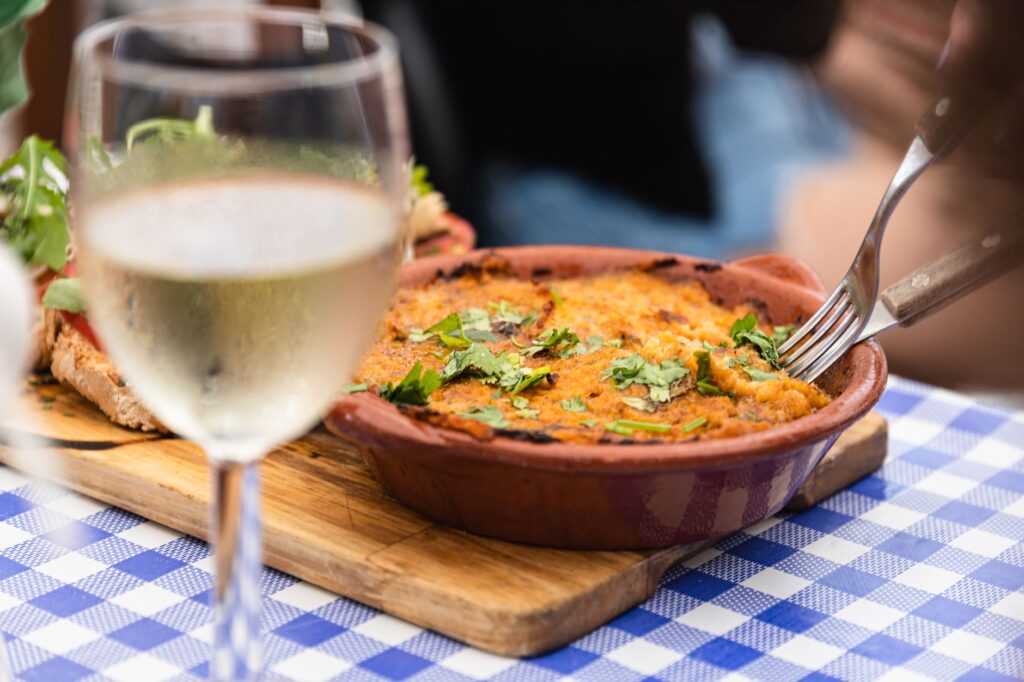
Stops in lock villages introduce bakery specialties such as savory walnut and lardons *kougelhopf*, ideal for days of strenuous saddle work, or raw-milk cheeses crafted on northern Vosges farms brought down to Saverne’s weekly markets. Likewise, the proximity of hop fields in brewing oases like Hochfelden imbues the air with an unmistakable herbal aroma tied to the production of some of France’s most reputed malts. Local craft breweries have capitalized on passing cycling tourism by offering pairings with zero-kilometer products.
Dining by the canal is no artificial culinary showcase, but a faithful reflection of a land of passage where hospitality is measured by generous portions and the crispness of local white wine served in short-stemmed glasses.
Practical guide
- How to get there: The primary access point to the Alsatian section is Strasbourg station, directly connected to Paris via TGV in just 1 hour and 46 minutes. To access the western sector of the canal, Saverne station features frequent regional connections from Strasbourg and Metz.
- When to go: The optimal season runs from May through October. May and June offer a floral explosion and mild temperatures for cycling, while September brings golden autumn tones and the harvest in nearby vineyards.
- Bike and boat rentals: Multiple agencies in Strasbourg and Saverne specialize in touring bicycle rentals equipped with panniers and roadside assistance. For river navigation, license-free boats (*coche sans permis*) can be rented at authorized nautical bases in Waltenheim-sur-Zorn.
- Navigation and cycling regulations: The cycle path is shared between pedestrians and cyclists, with walkers holding absolute right of way. On the canal, commercial and passenger vessels have absolute priority over recreational craft at locks.
- Recommended accommodation: Advance booking is advised within the network of *Chambres d’hôtes* and *Gîtes de France* set up in restored former lockkeepers’ houses, offering secure bicycle parking and breakfasts featuring local produce.
The Twilight Reflection in the Water Mirror
When the sun begins to dip behind the forested ridges of the Vosges, the surface of the Marne-Rhine Canal transforms into a sheet of liquid mercury absorbing the copper and violet tones of the Alsatian dusk. In that instant of absolute silence, broken only by the distant splash of a carp or the muffled cracking of branches in the thicket, the nineteenth-century infrastructure reveals its true human dimension. It is no longer a simple transport route nor a mere tourist attraction, but a sanctuary of slowness where time is measured by the rhythm of locks and the unhurried cadence of pedals over rural asphalt. Travelers leaving the bank at nightfall realize that the true luxury in the heart of Europe is not travel speed, but the capacity to pause and watch how patient, ancient water continues to silently sculpt the landscape.