
The horizon of the ancient sands of Giza is preparing to witness a convergence of events that will not repeat for generations. Egypt is not merely a destination visited to contemplate the past; it is a living organism in constant dialogue with its own myth. While the world marches toward a global digital uniformity, the banks of the Nile retain a stony magnetism that defies contemporary haste. Yet, turning our gaze toward the year 2027 is not driven by a whim of the tourism calendar, but by a unique historical convergence.
For decades, travelers have grappled with the dichotomy of overwhelming heritage managed through saturated infrastructure and century-old museums barely able to contain the tide of treasures unearthed beneath the scorching sun. This reality is about to undergo a fundamental transformation. The long-delayed opening of monumental new facilities and the mathematical precision with which ancient builders designed their temples will offer a completely renewed reading of pharaonic civilization. Journeying to the Nile will no longer consist simply of checking names off a list, but of bearing direct witness to an unprecedented cultural renaissance.
The new temple of knowledge: the definitive emergence of the Grand Egyptian Museum
For more than two decades, the international community has watched with anticipation as a mass of glass and stone rose near the pyramids, destined to house the largest archaeological archive on the planet. Following successive delays and partial openings, the year 2027 consolidates the full operational status of the Grand Egyptian Museum, popularly known as the GEM. This architectural colossus is not merely a repository of antiquities, but an exercise in modern museology that seeks to breathe new life into pharaonic relics.
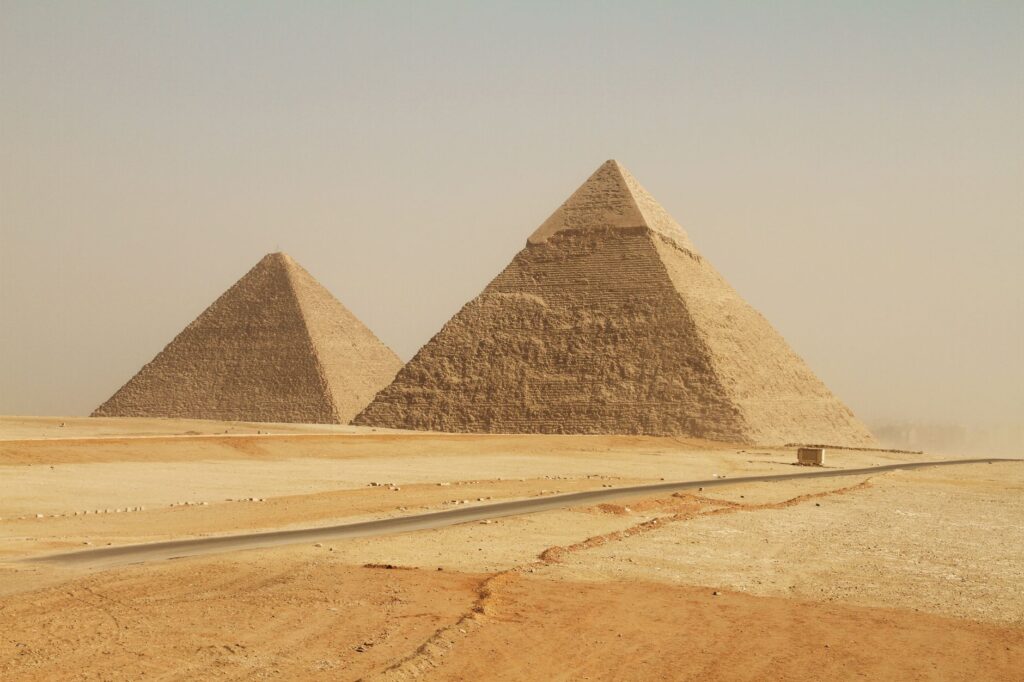
For the visitor, the difference compared to the old, crowded museum in Tahrir Square is stark. Natural light pours into the grandatriums where colossal statues, such as that of Ramses II, welcome the public in a seamless transition between the outer desert and the scientific rigor of the interior. For the first time in modern history, the complete collection of King Tutankhamun’s tomb is exhibited unitarily, allowing visitors to comprehend the sheer scale of the boy king’s funerary trove without the spatial constraints of the past. The museum experience thus elevates itself to the category of an aesthetic and anthropological revelation.
The geometry of the cosmos: the solar miracle of Abu Simbel
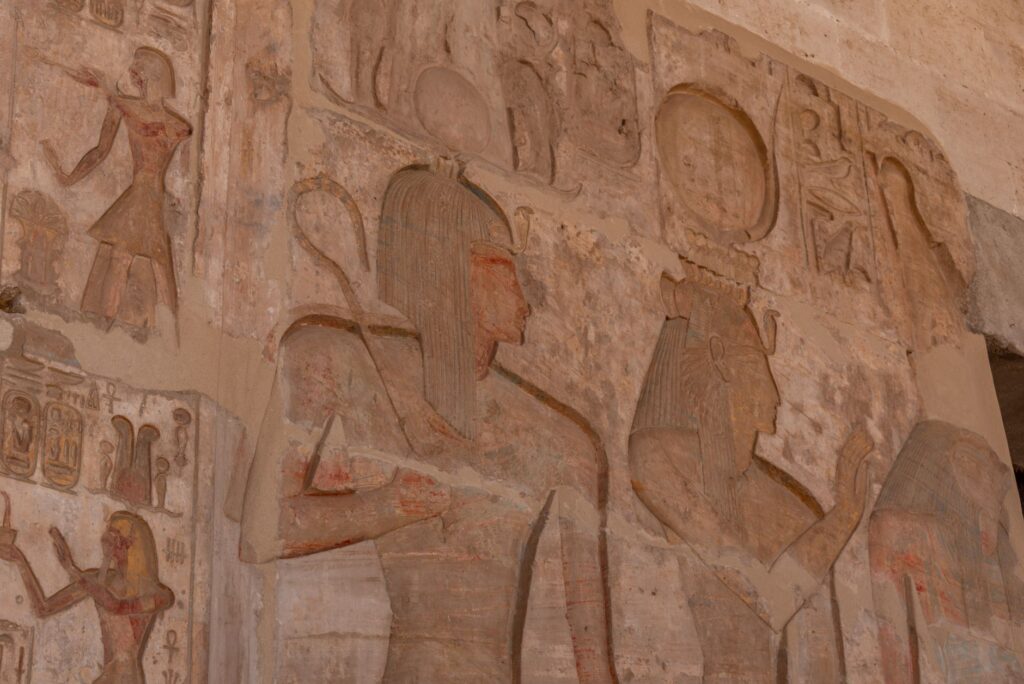
Beyond the metropolises and museums, the southern desert guards the best-managed secrets of ancient astronomy. On February 22 and October 22, 2027, the phenomenon in which solar rays penetrate sixty meters into the rock-cut sanctuary of Ramses II at Abu Simbel will occur once again, illuminating the faces of the gods carved into the stone, with the sole exception of Ptah, the lord of darkness. This technical marvel, conceived more than three millennia ago to legitimize the pharaoh’s divine power, retains its capacity for wonder entirely intact.
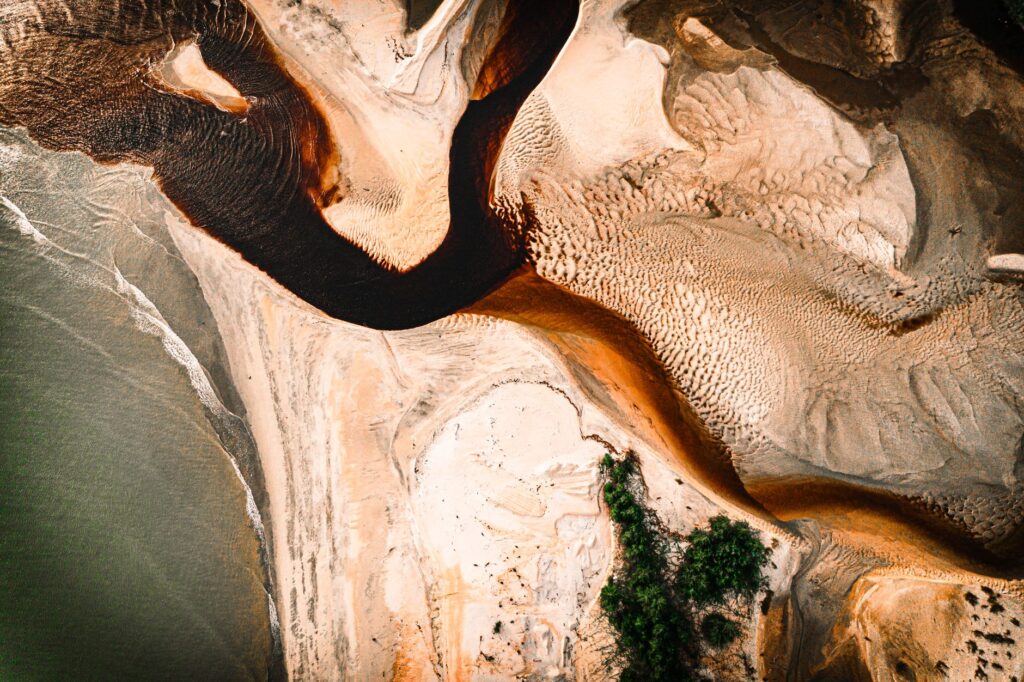
Attending this alignment within the context of 2027 acquires a renewed dimension thanks to recent archaeoastronomical studies, which have deepened our understanding of the symbiotic relationship between monumental architecture and the agricultural cycle of the Nile. The contemporary traveler who plans their stay to coincide with these dates seeks not a mere picturesque postcard, but a direct connection with the way ancient Egyptians measured time and their own place in the universe.
The Nile does not simply flow northward; it carries with it the memory of a civilization that understood eternity as a form of architecture resistant to oblivion.
The shadow over the pharaoh: the total solar eclipse of 2027
The event that will ultimately catapult Egypt to the center of global attention next year will take place on August 2, 2027. On that day, a total solar eclipse will cross Egyptian territory, offering one of the longest durations of total darkness in recent decades, particularly visible in areas of immense historical significance such as Luxor and the south of the country. The coincidence of a phenomenon of this magnitude over a landscape punctuated by obelisks and solar temples immediately evokes the cult of Ra, the supreme deity of the Theban pantheon.
Local authorities and the international scientific community are already working on establishing safe observation points that respect the heritage. Far from mere scientific curiosity, witnessing a total eclipse in the Valley of the Kings allows one to experience, if only for a few minutes, the profound spiritual shock that ancient priests must have felt at the sudden disappearance of the sun god. The darkness over the Theban hills will undoubtedly be the most memorable moment for those who choose this year to cross the threshold of the desert.
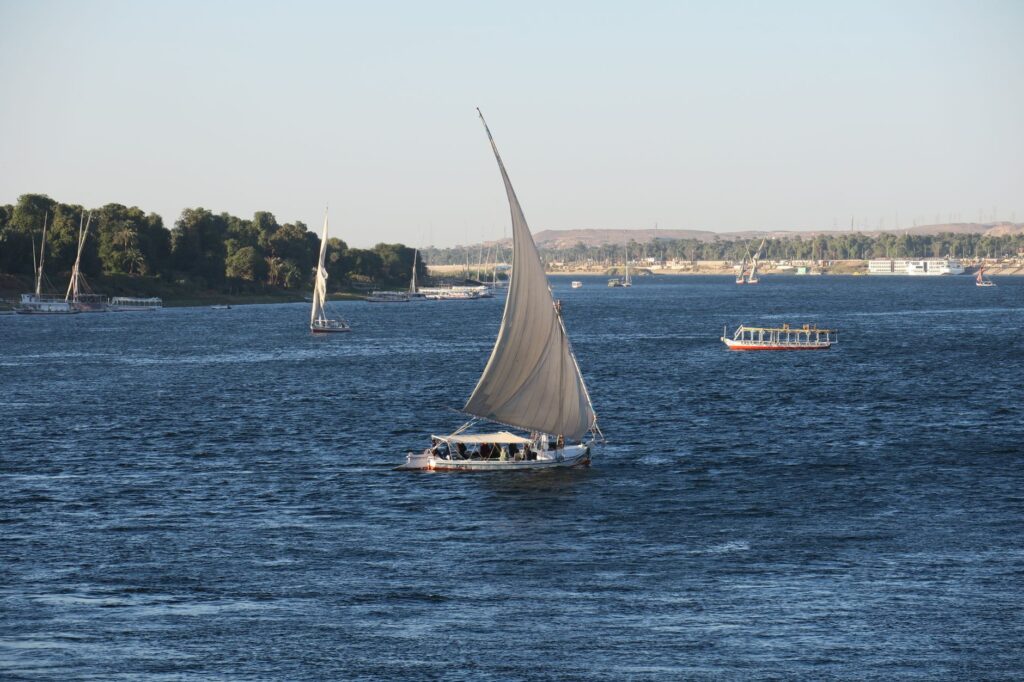
The transformation of river navigation: the revival of feluccas
The Nile River has historically been Egypt’s lifeblood, but mass tourism had turned much of its river traffic into a succession of soul-less floating hulks. In contrast to this unsustainable model, the year 2027 consolidates a trend toward low-intensity tourism, betting on the recovery of traditional, restored feluccas and lateen-sailed vessels that prioritize silence, wind propulsion, and direct contact with riverbank communities.
Sailing between Aswan and Luxor aboard these boats allows visitors to grasp the true rhythm of the country, far removed from the massive tourist piers. Stops on smaller islands, direct interaction with local farmers, and observation of birdlife in the river’s wetlands offer a human perspective that large cruise ships can never replicate. Slow travel thus becomes the only ethical and aesthetic response possible in the face of the destination’s overwhelming monumentality.
Architecture and sustainability in the Fayum oasis
A short distance from the bustle of Cairo, the Fayum region represents the greenest and least-known face of contemporary Egypt. Far from beaten paths, this desert oasis has undergone a profound renewal in its rural tourism and heritage conservation offerings, standing out for bioclimatic architecture initiatives that integrate local communities into the preservation of world-importance fossil sites, such as Wadi Al-Hitan.
Approaching Fayum in 2027 responds to the need to balance the classic itinerary with spaces for unhurried reflection. Traditional pottery workshops in the village of Tunis, birdwatching for migratory species at Lake Qarun, and contemplating sunsets over fossil dunes create a perfect counterpoint to the urban intensity of Alexandria or Cairo. The geographical diversification of the journey ensures a much richer and more nuanced understanding of Egypt’s complex contemporary social reality.
The human pulse: artisans, guardians, and storytellers of the Nile
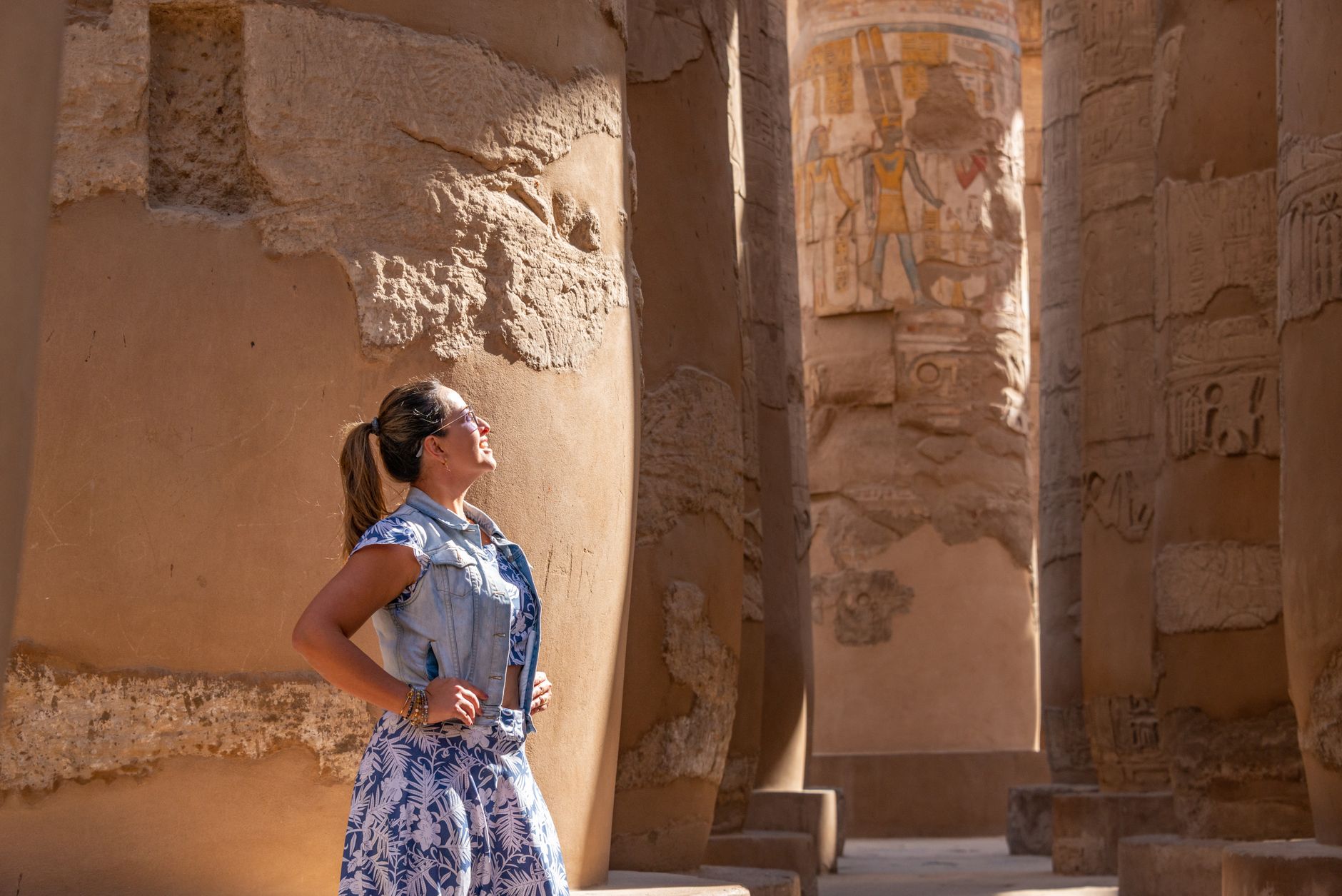
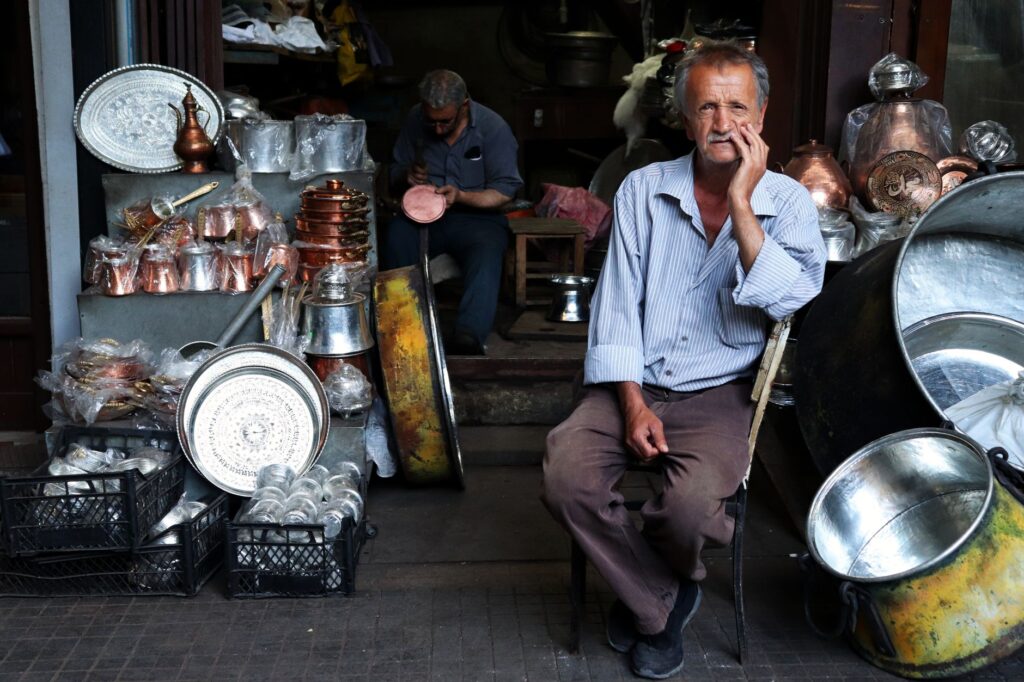
No journey through the Egypt of 2027 would be complete without paying attention to the people who sustain its intangible heritage. In the alleys of Khan el-Khalili, goldsmiths, glassblowers, and musical instrument makers continue to perpetuate crafts passed down through generations, resisting with dignity the blows of mass industrial production. These artisans are not mere extras for the visitor, but guardians of a complex identity that survives on the margins of official routes.
Striking up a conversation with temple guardians or shopkeepers who have spent decades in the same souk reveals a hospitality rooted in desert tradition. The traveler who looks beyond the commercial transaction discovers a web of human complicities that humanizes the weight of the millennia. The warmth of the encounter is, ultimately, the most lasting memory one takes away from these lands.
Traveling to Egypt at this historical moment requires abandoning haste and accepting that true answers are always found just beyond the final dune.
Practical guide
- When to go: The ideal window comprises the months of February and October 2027 to coincide with astronomical events, or between November and March to enjoy mild temperatures.
- How to get there: Cairo International Airport connects with major capitals worldwide. Domestic flights are recommended for swift travel between Cairo, Luxor, and Aswan.
- Entry requirements: Citizens of the European Union and Latin America require a visa, which can be processed online (e-visa) or directly upon arrival at authorized border posts.
- Accommodation: Advance booking months ahead is strongly advised due to high expected demand for the 2027 events, combining historic city hotels with sustainable desert camps in Fayum.
- Health and safety: Comprehensive travel medical insurance is essential, alongside standard health precautions regarding bottled water consumption and extreme sun protection.
- Cultural respect: Modest dress is advised when visiting places of worship and rural areas, covering shoulders and knees out of respect for local traditions.
- Currency and payments: The Egyptian pound is the official currency, though credit card usage is widely accepted in hotels and major tourist establishments in large cities.
Source in EN: El Viajero in EL PAÍS (https://elpais.com/elviajero/viajes/2026-09-18/por-que-deberias-visitar-egipto-en-2027.html)