
The Atlantic Cathedral of Wild Produce
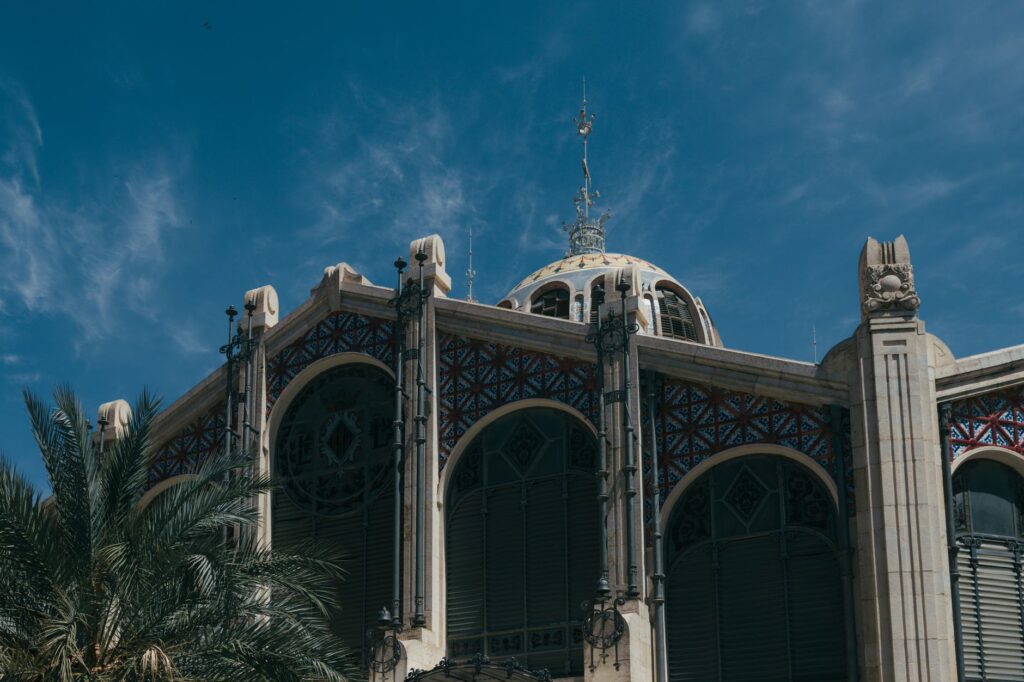
Beneath the imposing structure of granite and iron that defines Vigo’s urban skyline, the morning begins long before the sun burns away the sea mist hovering over the estuary. The Central Market of Piedra and Ribera is not merely a supply point, but the beating heart where Europe’s richest marine currents converge with the relentless effort of generations of shell-fishermen and sailors. Here, the air smells of pure salt, concentrated iodine, and the unmistakable freshness of the fish auctions that will supply the continent’s most demanding tables by noon. The architecture of the building, conceived to withstand the harsh Atlantic climate, shelters a microcosm where oral tradition and absolute respect for the produce dictate every commercial transaction.
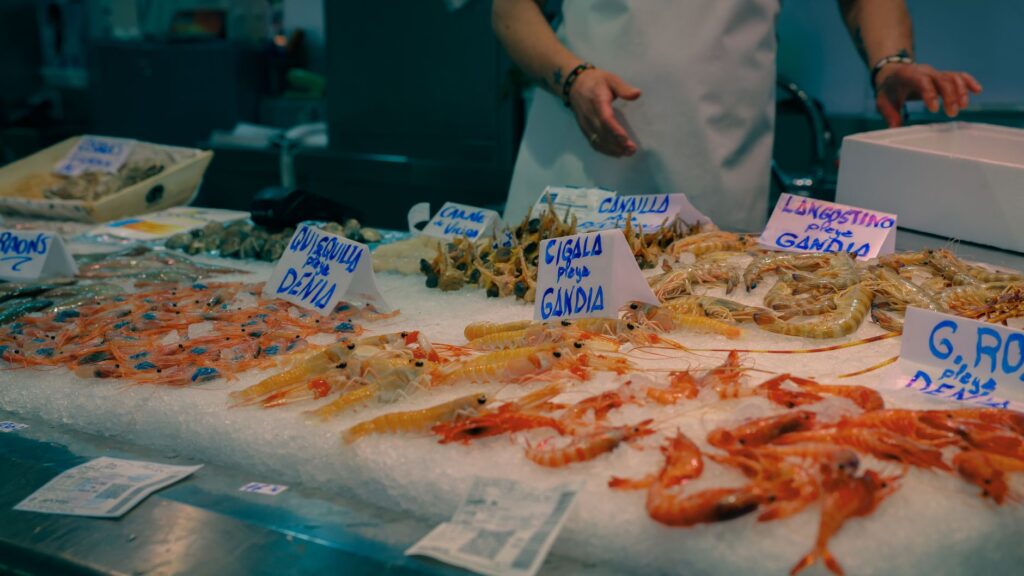
Along the central aisles, visitors step into an ancient ritual that transcends simple buying and selling. The female vendors, heirs to ancestral wisdom passed down from mothers to daughters, meticulously select barnacles, swimming crabs, and spider crabs harvested from the most perilous shallows of the Galician coast. Each mollusk and crustacean tells a story of spring tides and winter gales—a geological and biological testimony explaining why the gastronomy of this Atlantic strip is as indomitable as it is fascinating. The relationship between customer and merchant relies on blind trust; there is no room here for unnecessary intermediaries or commercial artifice masking the natural excellence of the catch.
The Pulse of the Estuary: Between Rafters and Low Tides
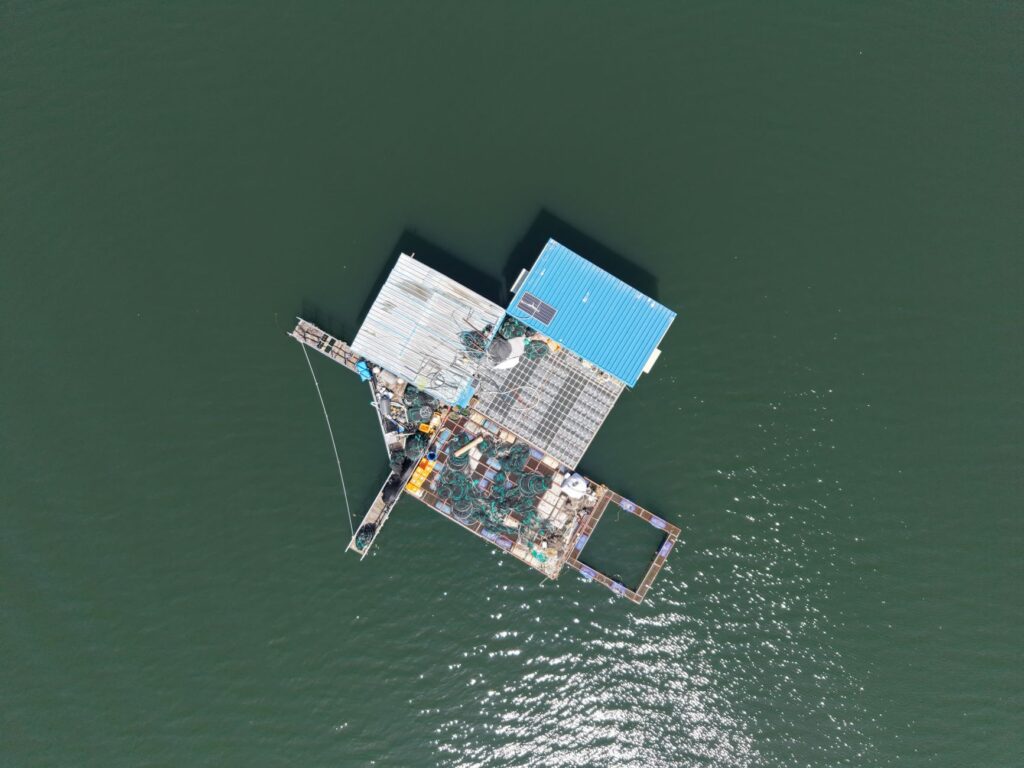
To grasp Vigo’s gastronomic magnitude, one must temporarily leave the asphalt behind and venture into the sheltered waters of its estuary, dotted with the characteristic wooden rafts where mussels bearing protected designation of origin mature. These floating structures, true marine farms suspended above the ocean, harness the phytoplankton-rich nutrients driven by deep-water upwellings. A few miles away, the Cíes Islands act as a natural barrier of immeasurable ecological value, safeguarding coastal fishing grounds and ensuring the proliferation of prized species such as wild sea bass, turbot, and monkfish. Within this delicate balance between human activity and environmental conservation lies the sustainability of a centuries-old economic model.
Local fishermen’s guilds operate under strict management codes regulating catch quotas and closed seasons—an ethical commitment ensuring the survival of marine resources. Aboard traditional wooden boats known as xeiteiras, sailors face the workday with a mix of respect and familiarity toward a sea that serves simultaneously as a livelihood and a spiritual home. This empirical knowledge of currents, rocky seabeds, and prevailing winds constitutes an intangible heritage that local institutions strive to preserve against the pressures of globalized industrial fishing.
The Guild of Flavor: Fish Markets and Haute Cuisine in Symbiosis
The journey of fish from the cold waters of the continental shelf to the stoves of Michelin-starred restaurants and maritime taverns in the Casco Vello is an exercise in logistical precision and thermal respect. At the Vigo fish market, the electronic auction sets a frenetic yet orderly pace where internationally renowned chefs compete for the day’s most exclusive catches. This seamless collaboration between the primary sector and haute cuisine has transformed Galicia into an avant-garde laboratory where traditional recipes—such as hake à la gallega or octopus á feira—dialogue effortlessly with the most sophisticated culinary techniques of the contemporary landscape.
The sea grants no truces and admits no simulations; in Vigo, every dish served at the table is an act of survival and raw beauty distilled by the northern wind.
Local chefs insist that the secret to their success lies in minimal intervention with the produce. When ingredients reach such elevated levels of freshness and salinity, cooking essentially means knowing when to remove the pan from the heat. Clean broths made from selected fish bones, delicate emulsions with extra virgin olive oil, and potatoes from the A Limia region are the sole accompaniments permitted to enhance the texture and unmistakable flavor of Vigo’s seafood. This culinary philosophy, grounded in honesty and zero-kilometer sourcing, draws thousands of gastronomic pilgrims annually from Tokyo, New York, and Paris.
Hidden Treasures of the Coastal Strip and Vineyards
Beyond the coastline, river valleys and granite slopes descending toward the Atlantic conceal another of the region’s great treasures: the vineyards carrying the Rías Baixas designation of origin. In this terraced landscape, where Albariño grapevines climb traditional overhead trellises to shield themselves from soil humidity, winemakers produce a white wine defined by vibrant acidity and unmistakable mineral notes. The combination of this crisp, structured wine with the marine treasures of Vigo’s market forms one of the sensory peaks of European gastronomy—a flawless geographical pairing where land and sea merge on the palate.
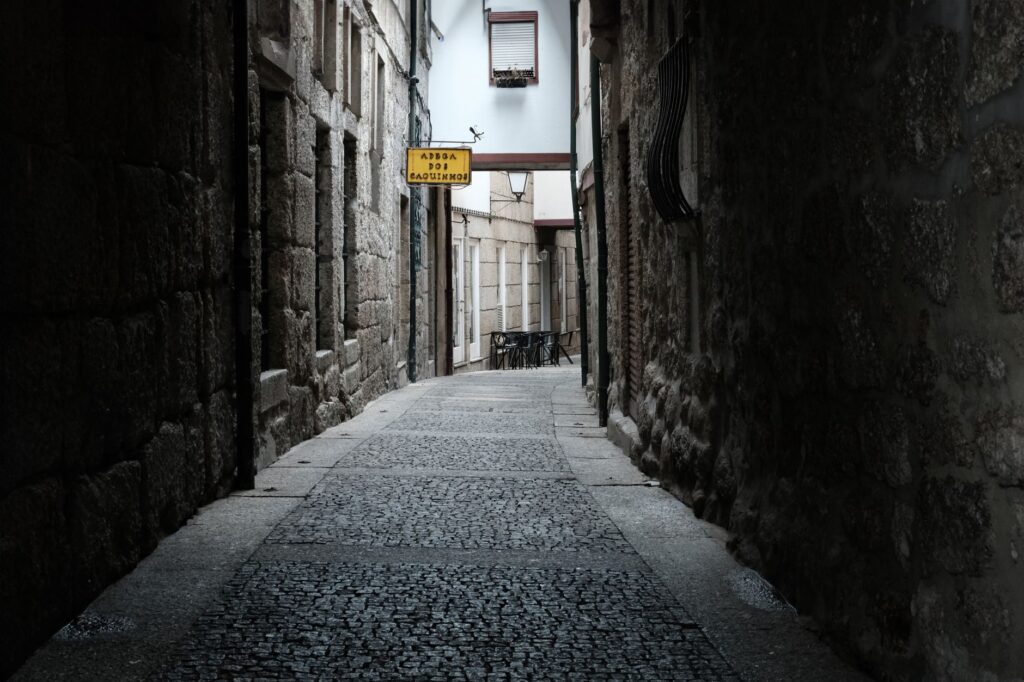
Wandering through the cobblestone alleys of the historic Bouzas neighborhood or exploring the stately manor houses dotting rural Pontevedra reveals family-run wineries where winemaking follows artisanal methods passed down through generations. Here, an indigenous grape variety that once hovered on the brink of extinction now leads the oenological revolution of the northwestern peninsula. Conversations with local vintners reveal an obsessive shared focus on climate, solar orientation, and granite-derived soils—elements imbuing every bottle with an unforgeable personality that no chemical laboratory can replicate.
Anthropology of the Counter: Vigo’s Liquid Memory
The Central Market is, above all else, a living archive of the city’s collective memory. Amidst its stainless-steel stalls and white tiles, one hears stories of shipwrecks, transatlantic migrations, and epic fishing voyages explaining Vigo’s complex sociological identity. Unlike markets converted into mere tourist theme parks for distracted visitors, this commercial space retains an unvarnished authenticity where locals visit daily to secure the exact ingredient for Sunday’s stew or scallop empanada. The vendors act as informal chroniclers of the community’s economic and emotional fortunes.
This communal vitality extends into adjacent squares, where flower vendors and vegetable sellers complete the sensory landscape with aromas of spearmint, Padrón peppers, and new potatoes. The peaceful coexistence between commercial bustle and the calm of surrounding cafes creates a unique urban atmosphere on the Spanish coast. Sitting at a nearby terrace to observe the human flow allows one to gauge the true pulse of an industrial and seafaring city that has reinvented itself without forsaking its deepest roots or its oceanic vocation.
The Art of Artisanal Canning and Industrial Heritage
Vigo’s fishing wealth is not consumed solely when fresh; the local canning industry represents a foundational chapter in the economic history and industrial design of Galicia. Emerging in the late 19th century with the arrival of capital and technology from Catalonia and France, salt-cured and canned fish factories transformed the social landscape of the estuary, massively incorporating women into the formal labor force. Today, centuries-old brands continue to hand-pack cockles, small scallops, baby sardines, and tuna belly, using top-tier olive oils and wrapping them in tins that double as authentic graphic collectible pieces.
Visiting former port warehouses converted into cultural centers or small gourmet boutiques offers insight into the care invested in every piece. Unlike mass industrial production, artisanal methods require opening cans by hand, meticulously cleaning every bone, and covering the fish with traditional sauces simmered over low heat. This sector has successfully positioned itself within the international luxury market, proving that a tin of sardines in oil can achieve gastronomic heights comparable to the world’s most select haute cuisine products when origin and processing adhere to rigorous standards of excellence.
Practical guide
How to get there: Vigo-Peinador Airport offers regular domestic connections. It is also easily accessible via the high-speed rail network (AVE/Alvia) from Madrid and other Spanish capitals, or via the AP-9 highway if traveling by car.
When to go: Spring and early autumn offer a temperate climate ideal for exploring both the market and the Cíes Islands, avoiding the heavy crowds of peak summer tourism.
Where to stay: The Nagari Luxury & Spa Hotel, located right in the historic center, blends contemporary elegance with impeccable service. Another notable option is the Gran Hotel Los Olivos, ideal for stays focused on maritime relaxation.
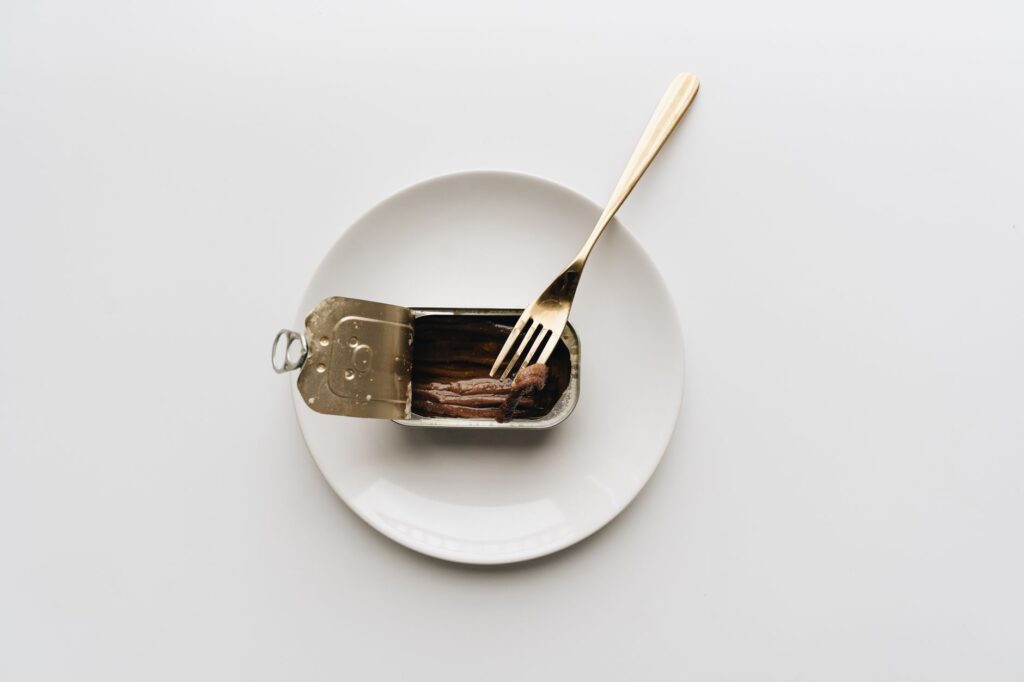
Market essentials: Visit the fresh seafood stalls on the ground floor early in the morning, purchase artisanal preserves in the historic surrounding shops, and taste a serving of oysters at the Rúa da Pescadería.
Gastronomic tip: Always pair white fish and seafood with a young Albariño wine from the most recent vintage sourced from small local producers.
The Final Whisper of the Saline Horizon
As evening begins to fall over Vigo’s harbor and the last fishing boats tie up at the breakwaters, the city acquires a melancholic, cinematic quality that has captivated poets, filmmakers, and solitary travelers for decades. The reflection of the setting sun on the granite facades of the old port seems to halt time, inviting one last silent contemplation from the viewpoints crowning the surrounding hills. In that fleeting instant, the commercial bustle of the day yields to the quiet poetry of the ocean, reminding all who behold it that true luxury in the twenty-first century no longer lies in accumulating ephemeral goods, but in the capacity to connect with the land, the honest labor of its people, and the uncontainable immensity of the sea.