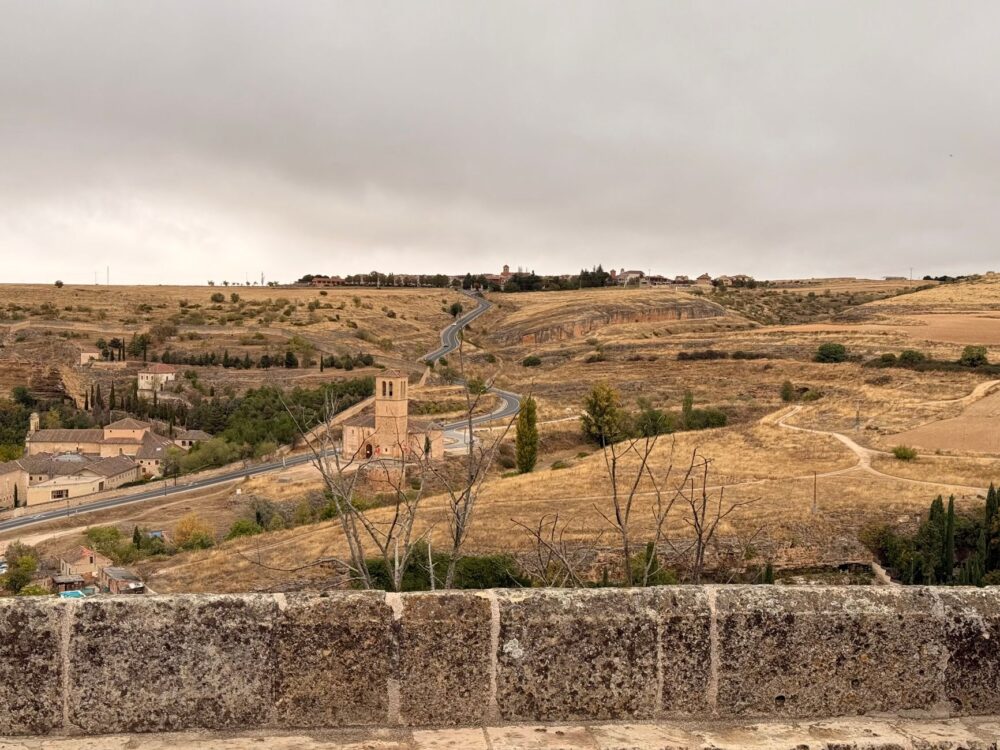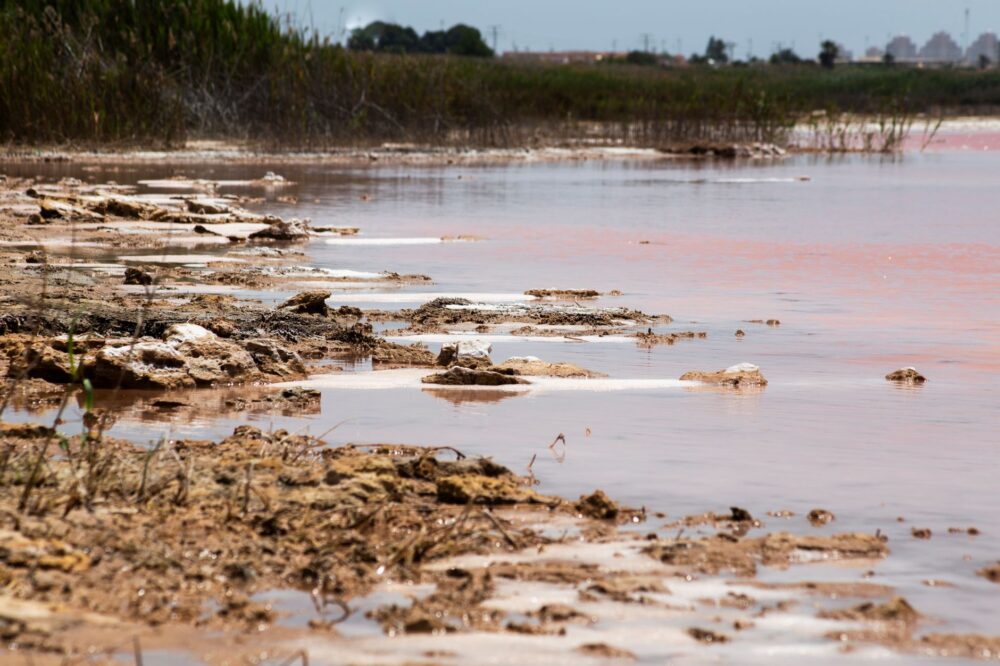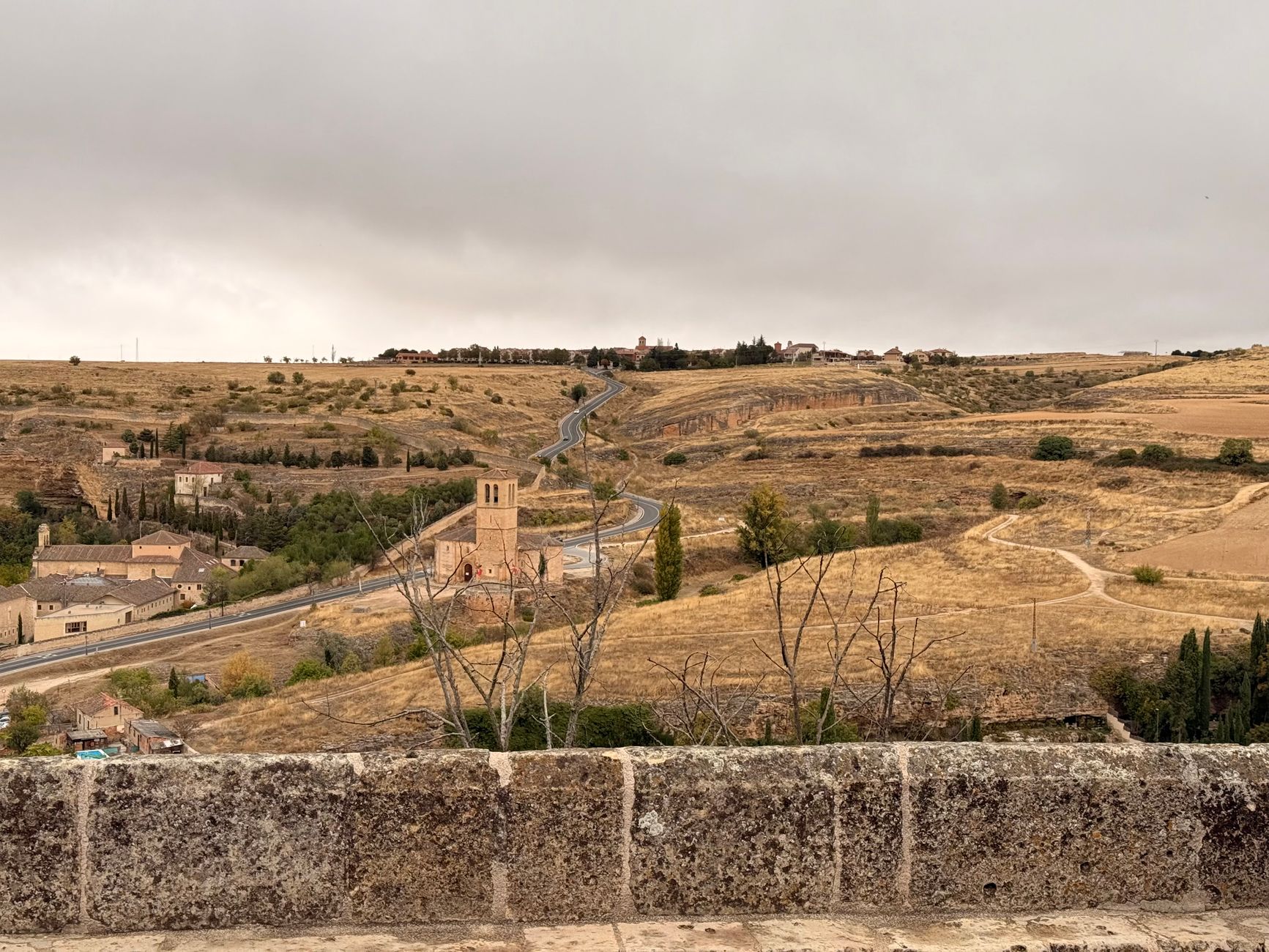

At over one thousand five hundred meters of altitude, where the Iberian Range’s winds test the patience of both stone and humanity, the Universal Mountains hide a hydrological treasure that spent decades agonizing in silence. The high-altitude peatlands of this Teruel comarca, formed by the millennial accumulation of decomposing plant matter under conditions of anoxia and constant cold, represent far more than a unique ecosystem: they are authentic natural sponges regulating the flows of the Tajo, Júcar, and Guadalaviar rivers. Yet, the historical alteration of stream beds, drainage for pastures, and the progressive abandonment of traditional extensive livestock farming pushed these mountain wetlands toward irreversible degradation. Today, an ambitious scientific and community project rewrites this landscape through hydraulic restoration and the return of terrain-adapted livestock.
This phenomenon responds neither to aesthetic caprice nor to rootless conservationist whim, but to the urgent necessity of adapting interior peninsular mountains to the ravages of climate change. As winter snow precipitation diminishes and summers turn increasingly scorching, high-altitude aquifers suffer unprecedented water stress. The intervention in the Universal Mountains demonstrates that the survival of mountain villages is inextricably linked to the health of their damp soils. When a peatland loses its water-retention capacity, the entire territory becomes fragile, accelerating hillside erosion and drastically reducing the replenishment rates of springs upon which both local wildlife and watering troughs depend.
The Anatomy of a Forgotten Landscape Between Pine Forests and Crags
To grasp the magnitude of the ongoing transformation, one must journey into the hanging valleys of Noguera and Griegos, where limestone yields to siliceous substrates favoring soil acidification and the proliferation of Sphagnum mosses. These Iberian bogs, although geographically distant from great boreal belts, share with them an extraordinary capacity to sequester atmospheric carbon. For centuries, local communities used these marshy meadows as summer pastures for sheep and horses, maintaining a fragile balance through controlled burning and minimal drainage canals that allowed transit without destroying the soil’s deep structure.
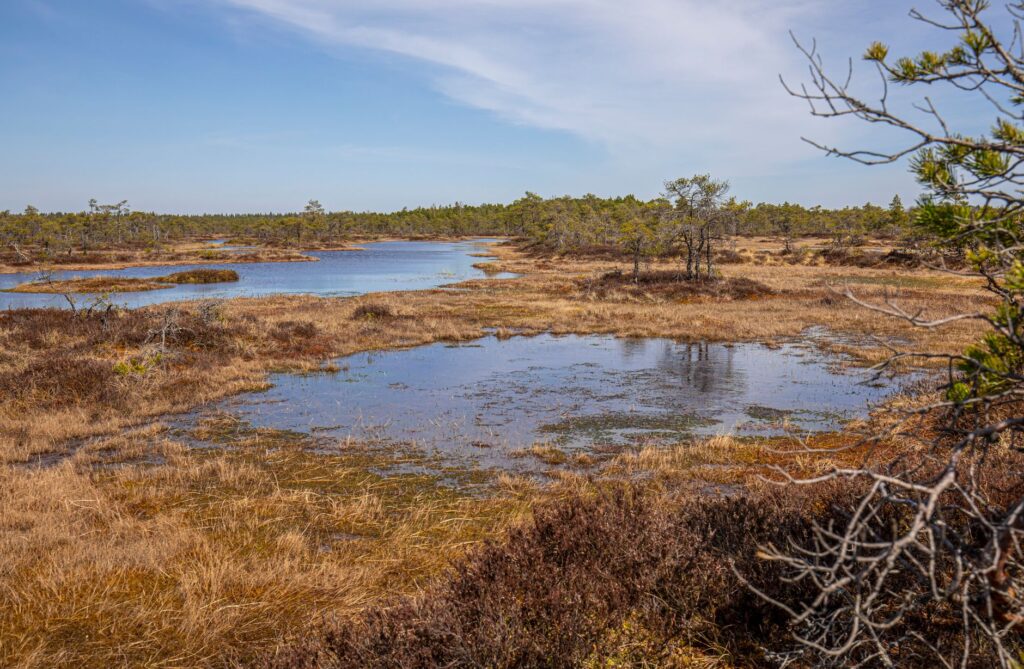
The decline began midway through the second half of the twentieth century with agricultural intensification, land consolidation, and, above all, rural depopulation. As the moderate pressure of browsing and selective trampling faded, many peatlands became choked with scrub or suffered deep drainage ditches dug to gain conventional pasture acreage. The result was devastating: dry peat began to oxidize, releasing tons of carbon dioxide accumulated over millennia into the atmosphere and turning once-plush pastures into drylands vulnerable to water erosion and high-intensity wildfires.
Invisible Engineering: Returning Water to Its Natural Course
The core of the current recovery strategy rests on a technique as seemingly simple as it is complex to execute: filling and clogging artificial drainage ditches exclusively using local materials, such as dry stone, deadwood stakes, and native vegetation sods. Technicians avoid heavy machinery to prevent compacting the fragile soil, entrusting the work to specialized crews operating artisanally. Each retention dam strategically placed along ancient channels slows runoff water velocity, forcing it to overflow in a controlled manner and flood the peatland surface once more.
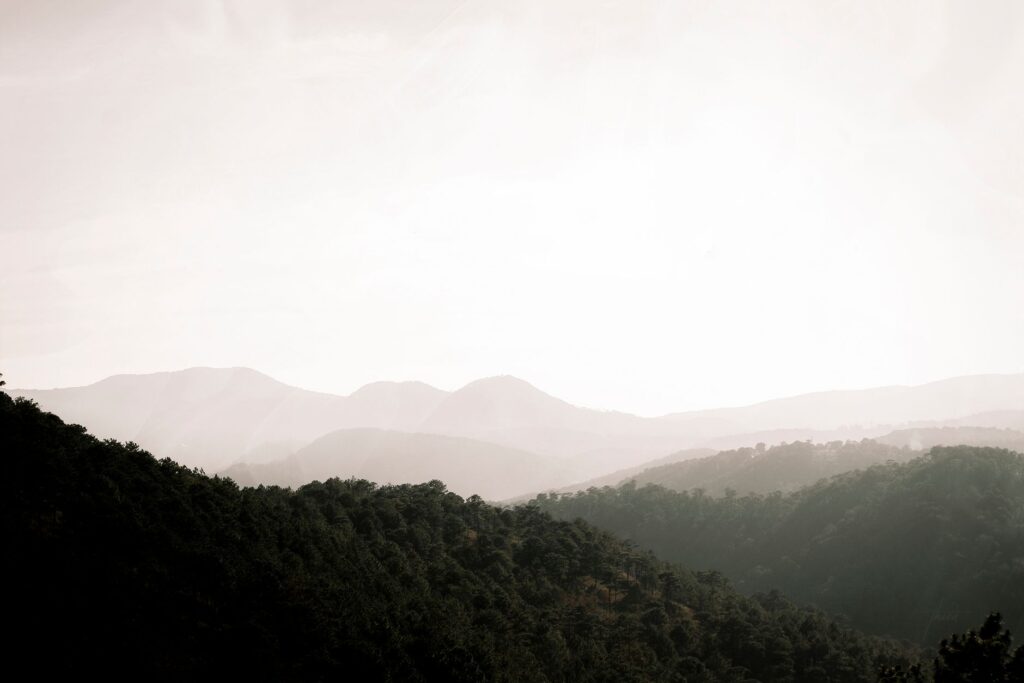
This hydraulic brake generates an immediate ripple effect across the ecosystem. As the water table rises again, the soil regains the water saturation conditions indispensable for peat-building mosses to resume growth. Simultaneously, fine sediments washed down by rains are trapped in the small natural reservoirs created by the dams, gradually healing the terrain’s scars. Preliminary hydrological analyses in the zone show that these small interventions successfully retain up to forty percent more water during summer months, smoothing out flood peaks and guaranteeing a constant ecological flow in headwater streams.
The Irreplaceable Role of Regenerative Grazing
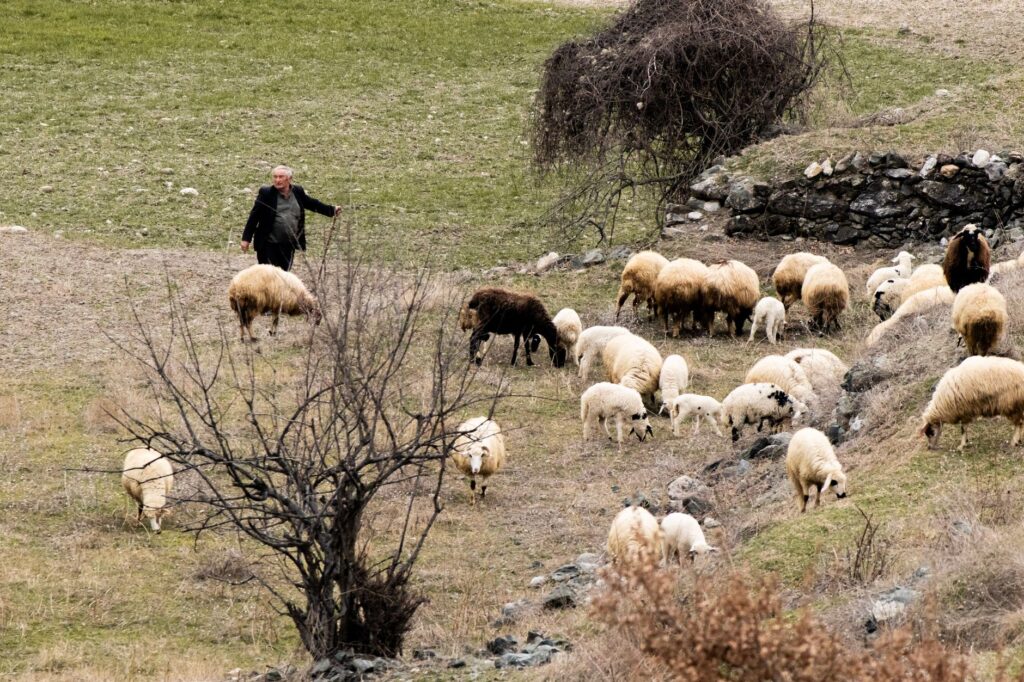
No ecological restoration in rural Europe can endure long-term if it ignores those who inhabit and work the land. In the Universal Mountains, peatland recovery does not seek human exclusion, but the revaluation of extensive livestock farming as an environmental management tool. Local shepherds, organized into cooperatives preserving endangered native breeds, actively participate in designing grazing calendars. The core concept is high-intensity, short-duration rotational grazing: flocks of Ansotana sheep or Guadarrabeña goats traverse fenced parcels for just a few days, lightly trampling the ground to inoculate organic matter and controlling excessive woody rush growth without harming the delicate shoots of the bogs.
True mountain conservation does not consist of placing the landscape under a glass bell, but of restoring the figure of the shepherd who intelligently shaped it for centuries.
This symbiotic interaction between livestock and wetland contrasts sharply with past conservationist policies that often marginalized local inhabitants under the erroneous premise that human activity was incompatible with biodiversity. Today, biological data refute that axiom. Zones subjected to controlled rotational grazing exhibit higher floristic diversity and better moisture retention than those completely abandoned to their fate. Livestock presence prevents the accumulation of dry biomass fueling severe wildfires, while manure supplies essential nutrients stimulating soil microfauna.
Biodiversity Against the Current: The Return of Amphibians and Avian Fauna
The transformation of the hydrological landscape has exerted an immediate, direct impact on local wildlife. Emblematic species that had vanished or drastically reduced their populations in recent decades have begun reclaiming domains within the restored peatlands. The midwife toad, marbled newt, and European tree frog once again find optimal spaces in temporary ponds and stagnant basins to reproduce without the threat of premature summer desiccation. Similarly, birds linked to high-mountain damp environments, such as the common snipe and alpine accentor, use these enclaves as resting and feeding areas during migratory journeys.
Researchers from the CSIC and regional universities monitoring the project also highlight a notable increase in aquatic invertebrate populations, particularly odonates (dragonflies and damselflies) and aquatic beetles, acting as infallible bioindicators of water quality. The recovery of these foundational trophic links positively impacts raptors and carnivorous mammals, such as wildcats and genets, finding richer, more stable pantries near the peatlands. This biological rebirth turns the comarca into an internationally referenced living laboratory for managing natural spaces threatened by global warming.
Circular Economy and Scientific Tourism: Redesigning the Rural Future
The economic impact of these actions extends far beyond the strictly environmental sphere. Facing persistent depopulation challenges plaguing the Teruel province, the Universal Mountains’ restoration serves as a catalyst for specialized, respectful, and deseasonalized nature tourism. Far from mass tourism, the comarca now attracts naturalists, wildlife photographers, university students, and hikers interested in scientific ecotourism. Traditional rural lodgings, local mountain guides, and small artisanal sausage and shepherd cheese workshops comprise a sustainable economic network rewarding visitors committed to conservation.
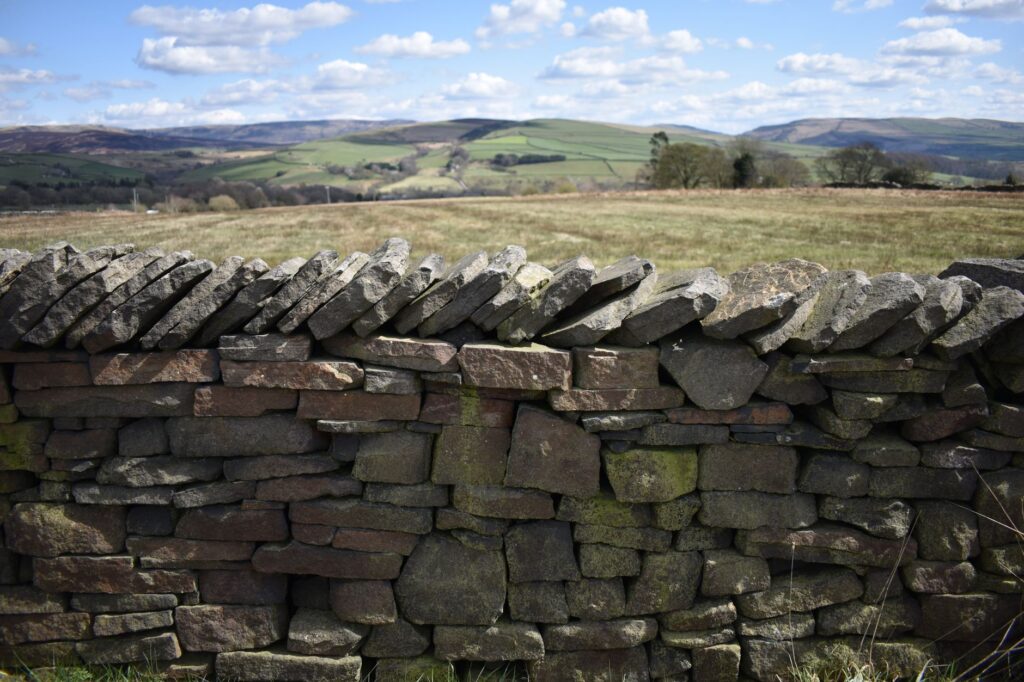
This alternative economic model proves that preserving natural resources is not a brake on local development, but its primary future guarantee. Local administrations, collaborating with conservation foundations, have established a low-intensity interpretive trail network equipped with informative panels explaining peatland mechanics without disturbing the surrounding tranquility. Furthermore, open environmental volunteering workshops allow visitors to participate directly in placing dry-stone dams and monitoring aquatic flora, turning travel into a transformative learning experience.
Practical guide
How to get there: The Universal Mountains lie in the southwest of Teruel province, bordering Cuenca and Guadalajara. The main private vehicle access route is the N-420 road from Teruel capital or Cuenca, subsequently taking secondary roads like the A-1512 toward Albarracín and Bronchales. The nearest international airport is Valencia, roughly two and a half hours away by road.

When to go: Late spring (May and June) and early autumn (September and October) offer optimal weather and landscape conditions. In spring, bogs display peak floral splendor; in autumn, mixed Scots pine and Pyrenean oak forests unfold an exceptional chromatic palette. Deep winter months are best avoided due to frequent snowfalls and persistent frosts complicating forest track transit.
Accommodation and gastronomy: Prioritize rural houses managed by local families in villages such as Noguera de Albarracín, Griegos, or Tramacastilla. Local gastronomy revolves around proximity products: serrano lamb with designation, Teruel black truffle, artisanal raw sheep milk cheeses, and seasonal wild mushrooms harvested under sustainability criteria.
Behavioral rules: Peatlands are extremely fragile ecosystems. Leaving marked trails, trampling Sphagnum moss cushions, lighting fires in the mountains, or discarding waste of any kind is strictly prohibited. Respect livestock gates and maintain a prudent distance from herds and working shepherd dogs.