
Beyond the Ninety Minutes: The Stadium as an Anthropological Territory
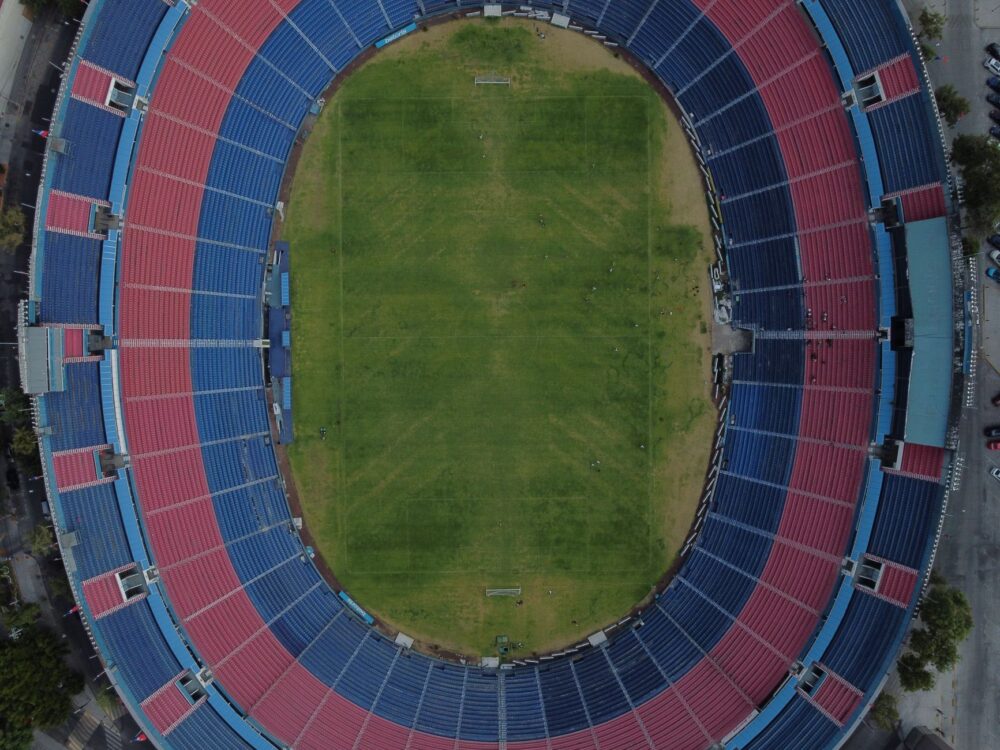
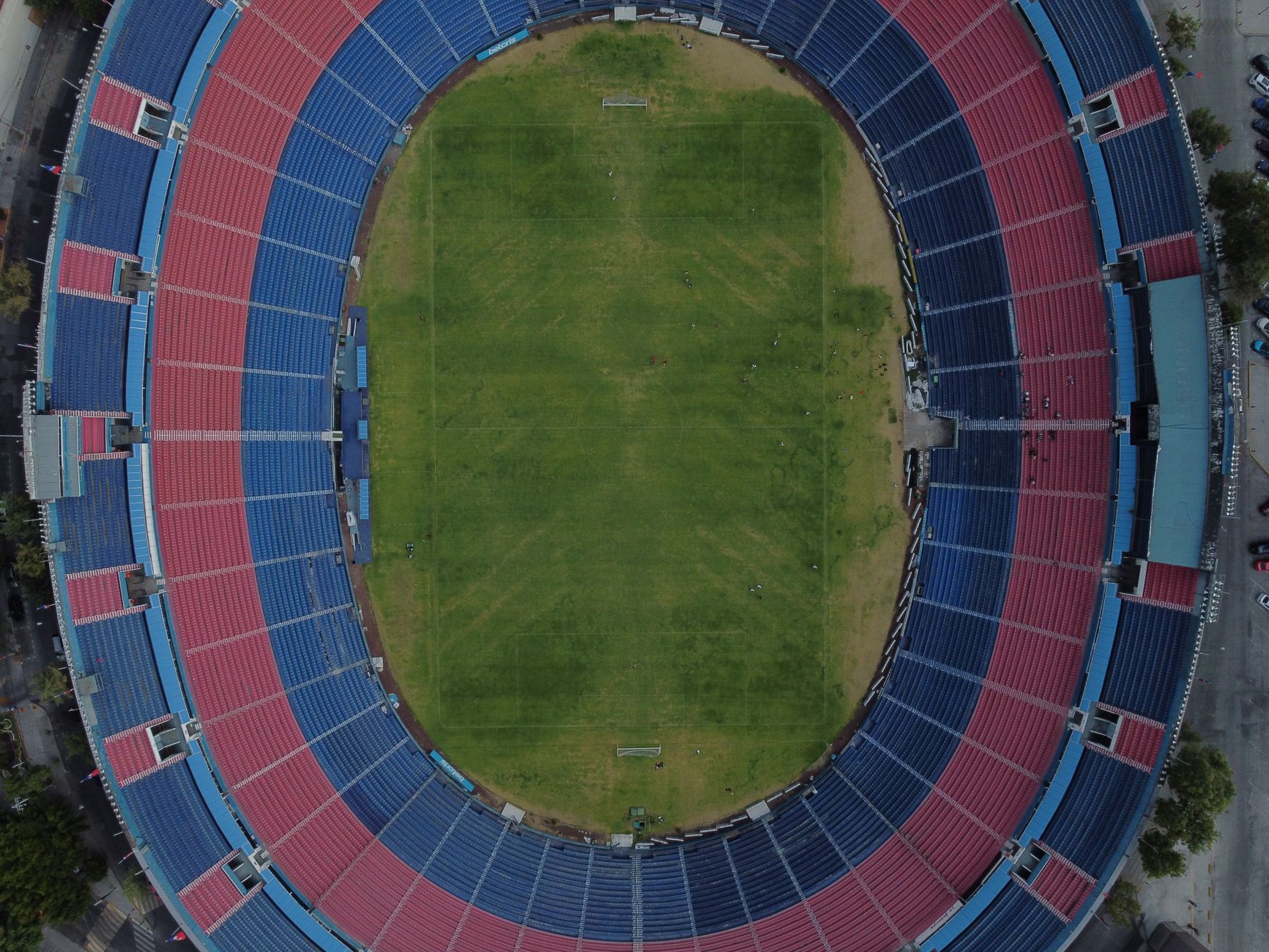
The opening whistle in a Chilean Primera División match does not merely signal the start of a sporting event; it is the culmination of a communal ritual that brews from early morning in working-class neighborhoods. To understand contemporary Chilean society, it is essential to look toward its concrete coliseums—structures that act as emotional thermometers for entire cities. In Santiago, Valparaíso, or Biobío, the stadium transcends its strictly utilitarian function to become a modern agora where political tensions, inherited passions, and the country’s distinct urban aesthetics converge.
Chilean stands preserve the memory of profound transformations. Far from the clinical sterility of large European arenas, the venues in this country retain a tactile rawness and a close proximity between the fan and the pitch that turns every match into a visceral experience. Here, the supporter is not a mere consumer of spectacle, but an active participant whose voice—forged into choral chanting—defines the atmosphere of the venue.
The stadium in Chile is not an isolated bubble of concrete; it is an amplified mirror of the street, echoing both the joys and fractures of the community that sustains it.
Concrete and Memory Architecture: The Country’s Historic Venues
The geography of Chilean stadiums is shaped by architectural milestones that narrate the evolution of the nation’s 20th-century engineering and urban planning. The Julio Martínez Prádanos National Stadium, located in the Ñuñoa commune of Santiago, is perhaps the most eloquent symbol. Inaugurated in 1938 under a monumentalist aesthetic, this venue has witnessed the most luminous moments of national sport as well as the darkest chapters of its political history, functioning as a permanent reminder that public space is inextricably linked to collective memory.
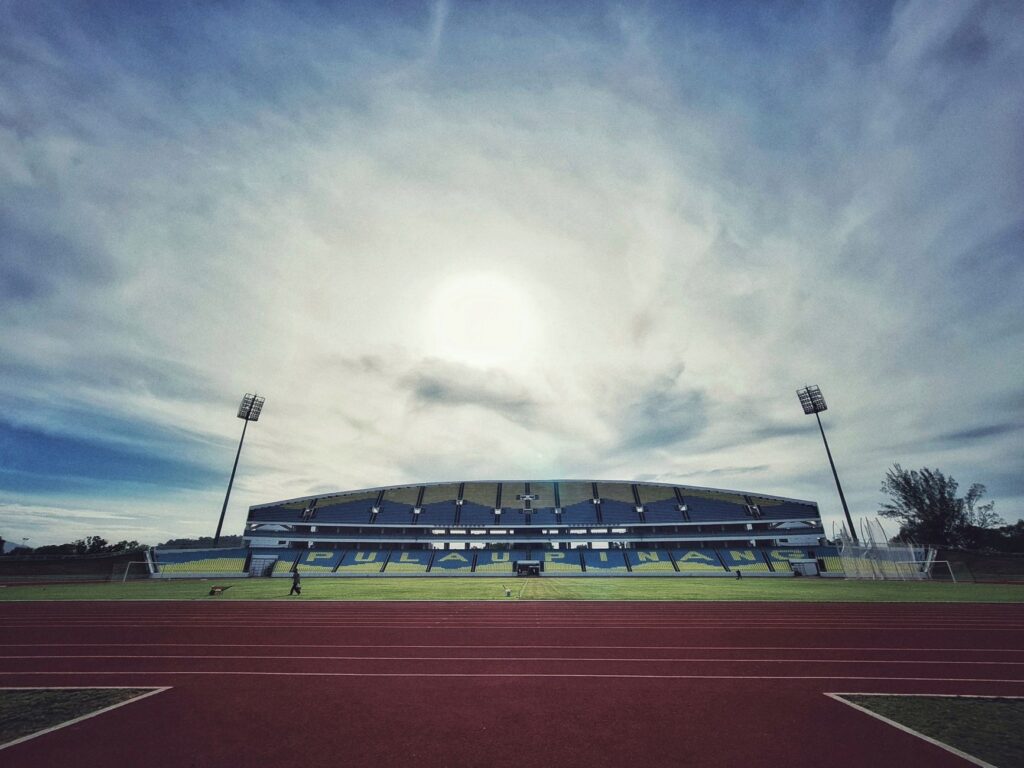
Meanwhile, the Monumental David Arellano Stadium and the San Carlos de Apoquindo Stadium—the latter recently modernized—represent the consolidation of private ownership and club identity in Chilean football. In the regions, history takes on different nuances. The Elías Figueroa Brander Stadium in Valparaíso, nestled in the hills of the main port, maintains a constant dialogue with the sea breeze and the rugged topography of the city, integrating the urban landscape into the visual experience of the match.
The Transformation Toward International Standards
Over the past two decades, Chilean football infrastructure has undergone a modernization process driven by milestones such as hosting the 2015 Copa América. Venues had to adapt to strict safety regulations, incorporating numbered seating, closed-circuit television systems, and modernized access points. This transition has not been without debates regarding the gentrification of space and the loss of certain grassroots spontaneity, forcing clubs to strike a delicate balance between modern comfort and the preservation of traditional mystique.
The Pulse of the Stands: Sociology of Hooliganism and Local Folklore
The beating heart of any stadium in Chile lies in its working-class sectors, historically known as the gallery. It is here that organized supporter groups operate, functioning with their own codes, internal hierarchies, and a visual aesthetic dominated by banners, drums, and regulated pyrotechnics. Far from the simplistic stereotype often projected by mainstream media, these collectives are guardians of an urban folklore passed down from generation to generation.

The repertoire of chants in Chilean football possesses a unique lyrical richness, adapting melodies from Latin American popular music to cheer on the team or mock the arch-rival. This phenomenon constitutes a genuine manifestation of urban subaltern culture, where the fan finds a space for collective catharsis against the pressures of daily life in modern metropolises.
The voice of the stands also manifests in the gastronomy surrounding the match. The aroma of anticuchos and sopaipillas at the outer entrances is an irreplaceable part of the ritual, anchoring the football experience in Chile’s popular culinary traditions.
Behind the Scenes: How Guided Tours of Historic Venues Work
In recent years, the tourism and sports industry has recognized the heritage value of these coliseums, opening their doors to the general public through guided tour programs. These itineraries allow access to areas usually off-limits to the ordinary fan, such as player locker rooms, press conference rooms, tunnel exits to the pitch, and institutional museums housing historic trophies, legendary jerseys, and photographic archives.
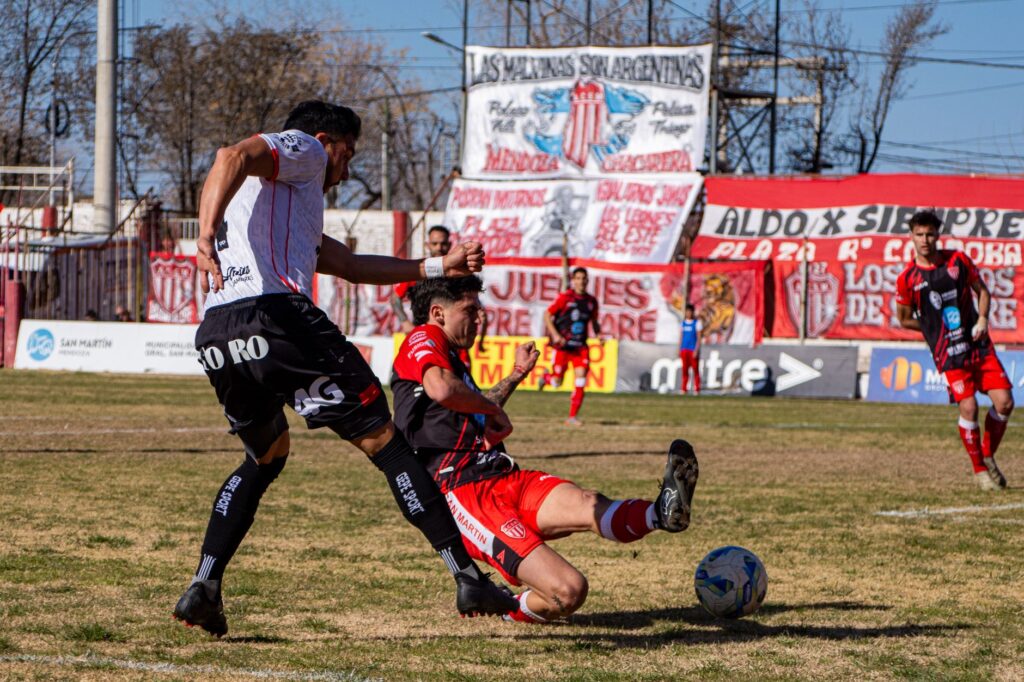
Participating in a guided tour of the National Stadium or the venues of the most traditional clubs provides a sense of the logistical and human work behind an official match. Guides, often local historians or former players, enrich the visit with locker room anecdotes, details about stadium acoustics, and stories of sporting feats that shaped continental milestones.
The Immersive Visitor Experience
For travelers interested in cultural tourism, these tours offer a privileged perspective on Chilean identity. Unlike traditional heritage circuits focused on colonial architecture or fine arts museums, the living stadium exposes the contemporary passions of the citizenry. The visit typically includes access to the pitch—provided pitch maintenance conditions allow—enabling visitors to experience the imposing vertical scale of the stands from the perspective of the protagonists.
Matchday: Practical Guide to Attending a Stadium in Chile
Attending an official Chilean Primera División match requires complying with a series of regulations and protocols designed to ensure attendee safety. Knowing these requirements in advance is essential to avoid setbacks and fully enjoy the sporting event.
- National Supporter Registry: For most high-attendance matches and at major venues, registration in the official National Supporter Registry system via ID card or passport is mandatory.
- Ticket Purchase: Tickets are sold exclusively online through authorized club web platforms. There is no ticket sale at physical box offices on matchday.
- Mandatory Documentation: Carrying a physical identity document (Chilean ID or foreign passport) used to purchase the ticket is indispensable, as strict biometric validation controls are conducted at access points.
- Prohibited Items: Bringing blunt objects, glass bottles, metal-tipped umbrellas, unauthorized flares, and alcohol is strictly prohibited.
- Early Arrival: Arriving at the stadium perimeter at least two hours before kickoff is strongly recommended to calmly clear multiple rings of police and private security.
Practical guide
Best Time to Visit: The national football championship in Chile generally runs between February and December, with a winter recess between June and July. Spring months (October and November) offer the most pleasant weather conditions for exploring open-air stadiums.
Getting There: The vast majority of major stadiums in Santiago (such as the National Stadium or the Monumental Stadium) feature excellent connectivity via the Metro network and urban bus lines (Red). In the regions, venues are accessible via local public transport or official taxi services.
Reservas y accesibilidad / Bookings and Accessibility: Guided tours of historic stadiums must be booked in advance through official foundations or club websites. Most remodeled venues feature access ramps, elevators, and preferred seating for people with reduced mobility.

The Echo of the Stands: The Emotional Footprint of Football in the Chilean Human Landscape
When the stadium lights turn off and silence reclaims the concrete, a subtle vibration lingers in the air—an emotional sediment that transcends the final score. Football in Chile is not a mere Sunday distraction; it is a shared language that vertebrated human relations in a geographically complex and fragmented territory. In every corner of the stands, under the often-clear sky of the Andes or facing the saline breeze of the Pacific, a narrative of belonging is woven, uniting entire generations.
Watching a grandfather explain past glories of his team to his grandson in the dim light of an empty stand confirms that these venues function as true secular sanctuaries of collective memory. There, sporting passion merges with the intimate history of Chilean families, proving that a people’s culture is also written with feet on the grass and soul in the throat.
Source in EN: Chile Travel – Football stadiums in Chile: guided tours and how to see a match (https://news.google.com/rss/articles/CBMilAFBVV95cUxPZlZTZ05LTVNzVEp2Q1VtU3g5VDlDQTNnQW81bGo3SHJjTDBNb1ZLYnoyNDY0Z004a2M1YjZxZGhMXzhGMC1vVzRLcS1sNkVkazNlRVp1YkVWbDFyR0xWbEROd3VyRHFLNk1HWlFZd1MzRTRGOTRlQko2MHRtajlrcmxyMXpYY0NFaVNibmoybGZPY2Qx?oc=5)