
The geography of the South Pacific continually defies the laws of contemporary logistics engineering. In the Republic of Fiji, a sovereign territory comprising over 300 volcanic and coral islands—approximately one-third of which are permanently inhabited—the concept of mobility does not conform to the immediacy of urban highways or the predictability of high-speed rail. Here, the primary artery is not asphalt, but saltwater: a complex web of oceanic channels, shallow reefs, and narrow straits where traditional wooden vessels, roll-on/roll-off cargo ferries, and fixed-wing bush planes converge. This report examines with journalistic rigor the mechanical, human, and geographical gears that sustain daily connectivity in one of Oceania’s most challenging archipelagos.
To understand the magnitude of this intermodal challenge, one must look beyond the tourism brochures promoting luxury resorts on Viti Levu and Vanua Levu. In the remote waters of the Lau Group or along the rugged shores of the Lomaiviti Islands, subsistence economies and the supply of basic goods rely on a delicate balance between tides, tropical weather, and aging coastal fleets. Every week, experienced captains calculate courses among submerged coral formations that shift constantly due to sedimentation and climate change, highlighting the structural vulnerability of a transport system vital to the nation’s social cohesion.
Fragmented Geography and the Pulse of the Pacific Ocean
The Fijian archipelago stretches across thousands of square kilometers of open ocean, turning connectivity into a matter of sovereignty and everyday survival. Unlike continental territories, where land infrastructure responds to population density, transport routes in Fiji must carve diagonals across unpredictable liquid surfaces. The principal islands, Viti Levu and Vanua Levu, concentrate most modern port infrastructure, including deep-water docks in Suva and Lautoka. However, as one ventures into the smaller island groups, the scale changes radically, demanding versatile, shallow-draft logistical solutions.
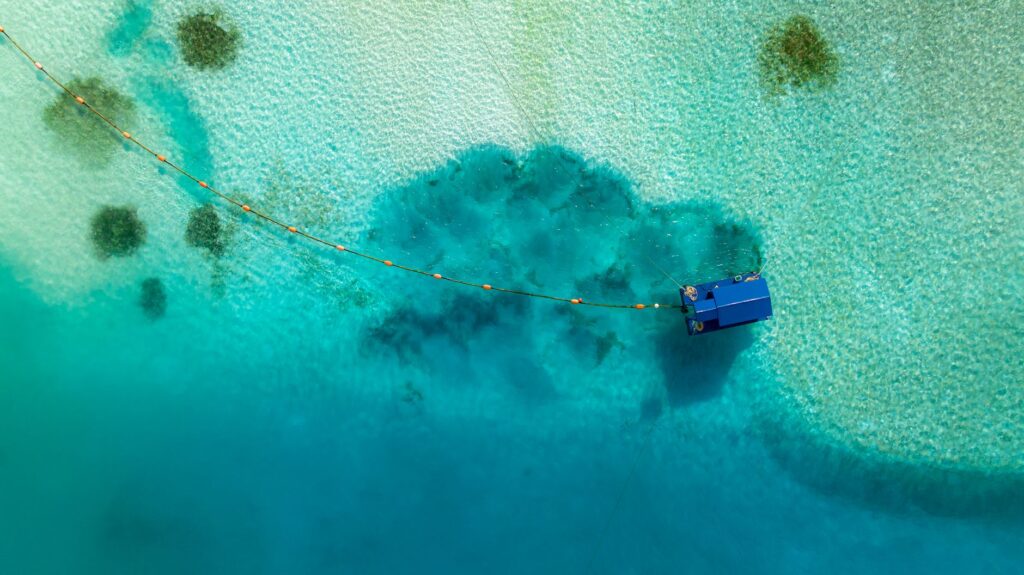
The marine currents converging in the Koro Sea and the Somosomo Strait act as natural filters restricting the transit of people and cargo. Trade wind patterns, prevalent for much of the year, impose severe operational limits on smaller vessels. In this scenario, navigation is not merely a tool for displacement, but an artisanal and technical discipline passed down through generations among local mariners, who combine visual reading of water color over reefs with satellite GPS positioning.
The Backbone of the Coastal Fleet
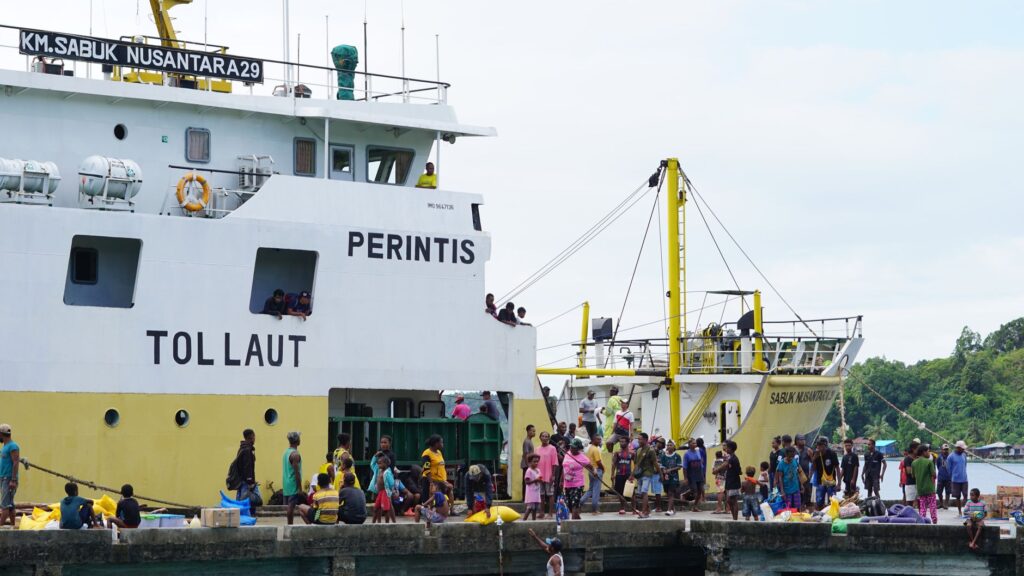
Maritime interisland traffic rests upon the shoulders of a heterogeneous fleet of cargo barges and mixed roll-on/roll-off ferries transporting everything from off-road vehicles to construction materials and livestock. Many of these vessels, built decades ago in foreign shipyards and subsequently adapted to harsh tropical conditions, operate under strict draft limitations to approach the rudimentary concrete ramps serving as docks on peripheral islands.
Maintaining these vessels represents a continuous financial and technical challenge for private and state operators. The shortage of certified domestic dry docks forces operators to conduct complex maintenance procedures in neighboring countries or improvise mechanical repairs using imported spare parts that take weeks to arrive. Despite these operational hurdles, coastal ferries remain the most economically viable option for bulk cargo transport, ensuring that the economic umbilical cord between the administrative capital and isolated communities remains intact.
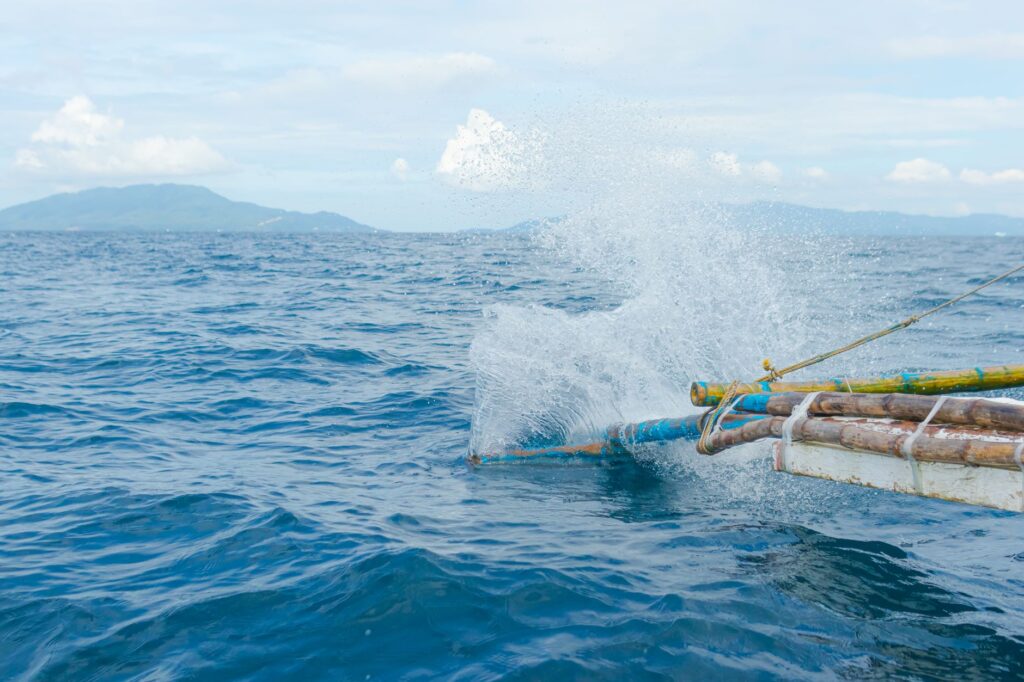
The true measure of infrastructure in Fiji is not calculated in tons of poured concrete, but in the capacity of its ships and barges to arrive punctually at ports where navigation charts have long demanded urgent revision.
Peripheral Airstrips and Bush Aviation
When the sea becomes impassable due to tropical cyclones or severe swells, light aviation serves as the archipelago’s vital lifeline. The national carrier Fiji Airways, through its regional subsidiary Fiji Link, and private operators flying short takeoff and landing aircraft manage a network of small airstrips strategically distributed across the islands. Compacted grass or basic asphalt strips on islands like Taveuni, Kadavu, or Gau accommodate twin-engine turboprops carrying urgent passengers, postal mail, and critical medical supplies.
Managing these peripheral airstrips requires rigorous meteorological oversight and minimal ground infrastructure, where the absence of automated control towers is compensated by direct VHF radio communication between pilots and local ground staff. This mode of air transport, akin to bush aviation in remote areas of Alaska or northern Canada, proves remarkably efficient during health emergencies, evacuating critical patients to referral hospitals on Viti Levu within minutes.
The Engineering of Floating Docks and Reef Passages
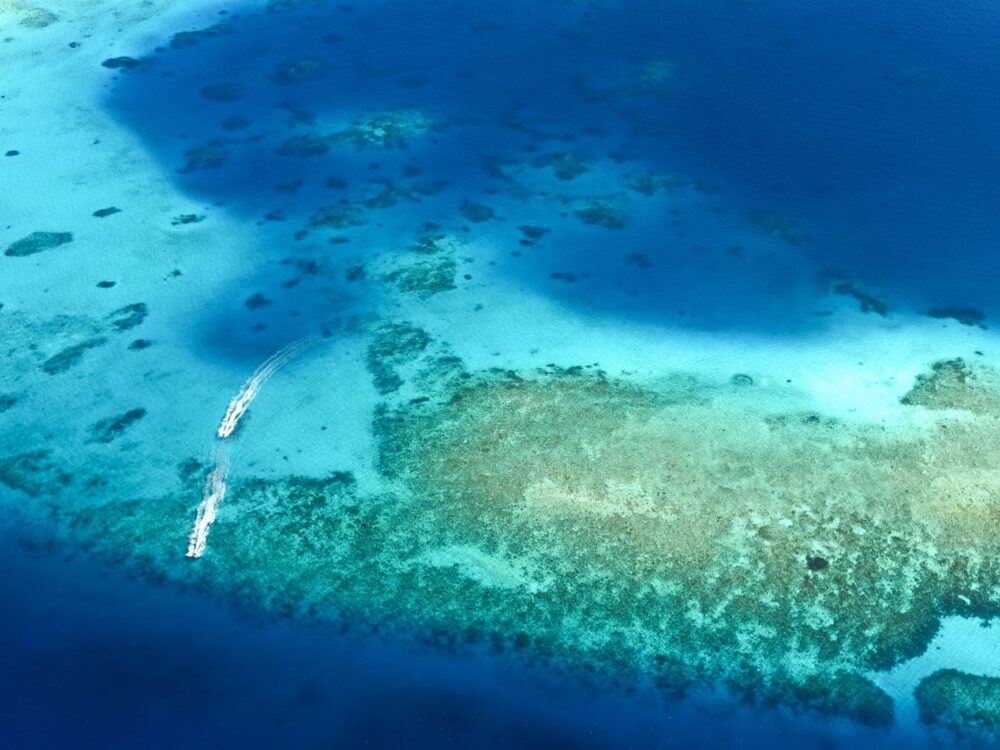
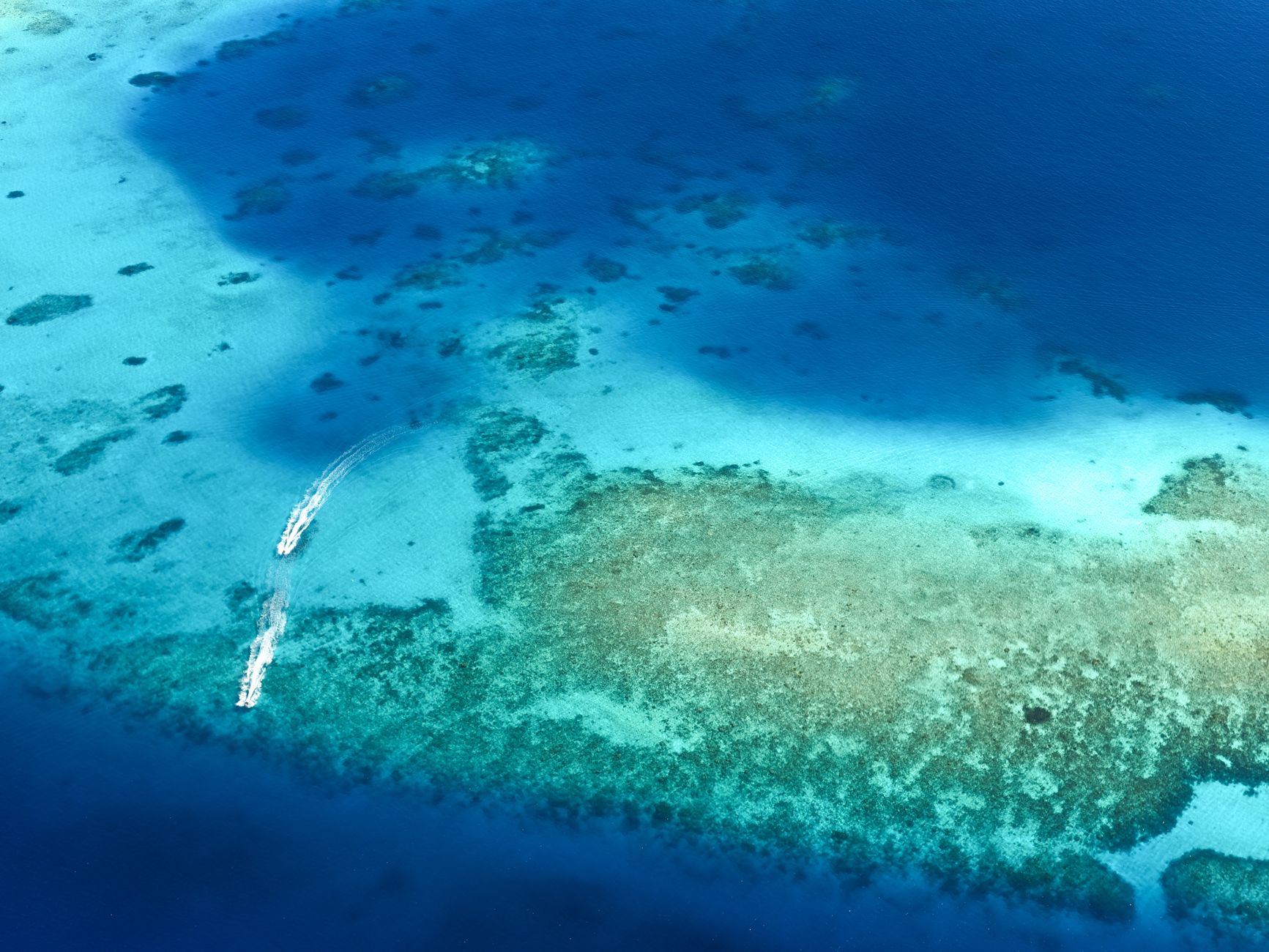
Accessing a coral island lacking deep-water port infrastructure requires precise nautical choreography. In many remote corners of the archipelago, large ferries cannot dock directly against the coast. Instead, they anchor offshore while auxiliary flat-bottomed vessels, popularly known as launch tenders or motorized longboats, handle passenger and light cargo transfers through navigable breaks in the barrier reef.
This intermodal operation demands exhaustive tidal awareness. During low tide, many of these channels shrink to mere centimeters of depth, precluding any approach. Local communities must synchronize commercial, educational, and supply activities with monthly tide tables, subordinating daily routines to the caprices of lunar and oceanic cycles.

Structural Challenges in the Supply Chain
Fiji’s reliance on imported fuel, machinery, and processed foodstuffs exposes its transport network to global economic volatility. Increases in international marine diesel prices directly impact ferry ticket costs and retail prices in outer-island shops. This economic distortion creates a significant living-cost gap between urban centers on Viti Levu’s southern coast and remote island settlements.
Similarly, the lack of adequate refrigerated storage at many secondary ports complicates the commercialization of perishable agricultural produce and artisanal fish catches. Local farmers frequently watch their harvests of cassava, taro, or tropical fruit spoil on docks while waiting for boats delayed by adverse weather, highlighting the urgent need to modernize intermodal transfer nodes nationwide.
The Transition Toward Sustainable Mobility
Faced with rising carbon emissions and high fossil fuel costs, transport authorities and international organizations are exploring hybrid propulsion alternatives and efficient naval designs tailored to island contexts. Pilot projects incorporating solar-assisted rigid sails on smaller coastal vessels aim to reduce the carbon footprint of traditional fleets without compromising cargo capacity.

This technological evolution is complemented by the digitization of ticketing and passenger management systems across major ports, a coordinated effort to improve safety and traceability at sea. However, implementing these upgrades proceeds at an uneven pace, hindered by budget constraints and the inherent geographical complexity of Fijian territory.
Practical guide
- Maritime Route Planning: Always consult operational updates from the Maritime Safety Authority of Fiji before undertaking interisland ferry journeys. Weather-related cancellations are frequent.
- Schedule Flexibility: Expect cargo barge and ferry timetables to be indicative, remaining subject to tidal conditions and cargo volume at each port.
- Regional Air Travel: For time-sensitive travel to islands like Taveuni or Kadavu, light aviation is the most reliable alternative to unpredictable maritime conditions.
- Luggage and Storage: Use waterproof dry bags for personal belongings, as transfers via auxiliary open boats expose luggage to saltwater splashes.
- Cash and Currency: In outer islands beyond major urban centers, ATM availability is nonexistent; ensure you carry sufficient local currency in cash (Fijian dollars).
- Documentation and Permits: Certain visits to traditional rural communities require adherence to local courtesy protocols (such as kava presentation ceremonies) and respect for customary reef access rules.
Ultimately, Fiji’s transport system stands as a fascinating testament to human resilience against the vastness of the ocean. Navigating this intermodal labyrinth requires understanding that time in the South Pacific is measured by the patience of tides and the tireless pulse of those who make the sea their only possible highway.
The sun begins to set over the Koro Sea horizon, dyeing the water a deep copper hue that contrasts with the dark silhouette of peripheral reefs. On the stern deck of an aging coastal ferry, the chief engineer checks a cooling valve bolt with a wrench while last-minute passengers stow their bundles next to flour sacks and fuel drums destined for an island village without electricity. No digital screens or public address announcements disturb the scene; only the steady drone of the diesel engine and the rhythmic slap of water against the steel hull. In this corner of the world, distance is not conquered by speed, but by the silent persistence of hard-won logistics, where every voyage is a shared act of faith between the mariner and the ocean.