
Introduction to the Siberian Frontier and the Great Eastern Route
The territory of the Russian Federation spans across nine time zones, a vast geographical expanse where distance is not merely a metric measure but a decisive factor in shaping the historical, economic, and human configuration of the country. From the banks of the Moskva River to the sheltered waters of the port of Vladivostok, the Trans-Siberian Railway represents the most colossal civil engineering feat of the nineteenth century and an irreplaceable transport axis. In its eastern section, running from Lake Baikal to the Pacific Ocean, the railway leaves the western plains behind to plunge into a landscape dominated by endless taiga, rugged mountain ranges, and extreme climatic conditions that have tested human technical capacity for over a century.
Understanding this corridor does not mean approaching a mere tourist product or a conventional commuter line, but examining a vital logistics system that vertebratres entire regions left isolated during the long winter months. The construction of this final section, formally completed in the early twentieth century with the circumvention of Lake Baikal and the subsequent integration of the Amur line, was a titanic milestone. Today, maintaining these tracks requires highly advanced engineering protocols to combat permafrost degradation and ensure the smooth flow of mixed traffic combining heavy industrial freight transport with long-distance passenger mobility.
The Geography of Cold and the Permafrost Challenge
The eastern layout of the Trans-Siberian unfolds in an environment where nature imposes its own rules with absolute severity. As the convoy advances beyond Chita toward Khabarovsk and Primorye, the scenery transforms into an endless succession of coniferous forests, swift rivers such as the Amur and Ussuri, and rocky formations where the ground remains frozen at depth throughout the year. This phenomenon, known as permafrost, constitutes the primary enemy of railway infrastructure. Seasonal thermal variations trigger freeze-thaw cycles that can destabilize embankments and misalign tracks with extreme rapidity.
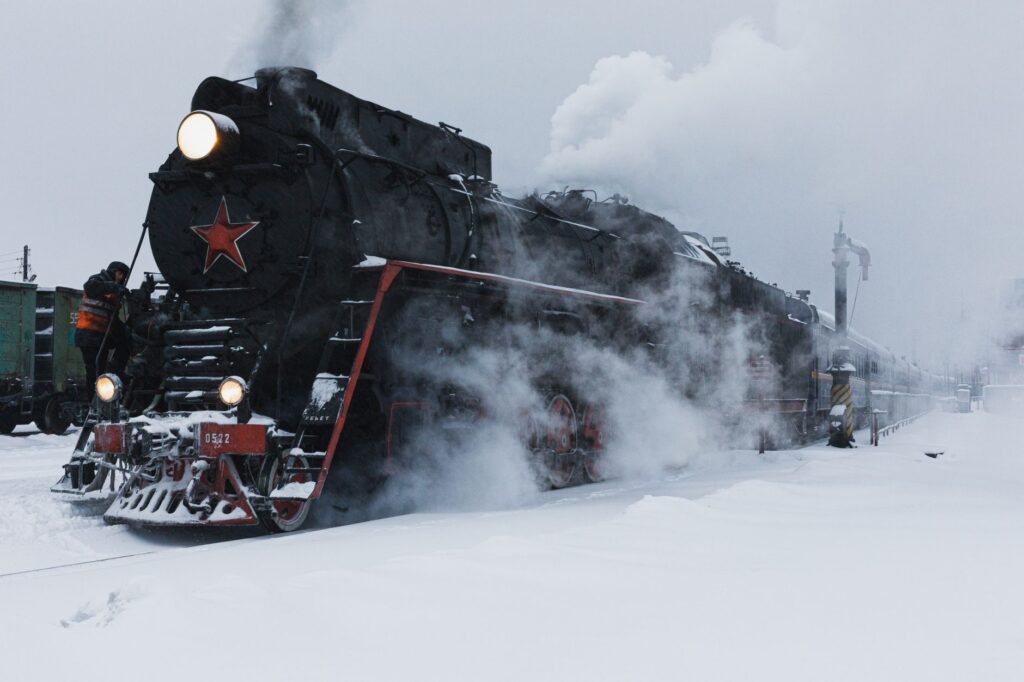
To counter these geological forces, maintenance teams from Russian Railways (RZD) employ specialized techniques including raising platforms on deep foundation piles, installing subsurface drainage systems to channel meltwater, and using specific granulometry ballast capable of dampening thermal stresses. High-latitude engineering is not limited to placing steel over ties; it requires constant monitoring via geotechnical sensors and the rapid intervention of rescue trains equipped with heavy machinery capable of operating in absolute geographical isolation.
The railway track in eastern Siberia is not merely a communication line; it is the circulatory system preventing the absolute isolation of entire communities when winter blocks conventional land routes.
Seasonal Architecture and the Heritage of Centenarian Stations
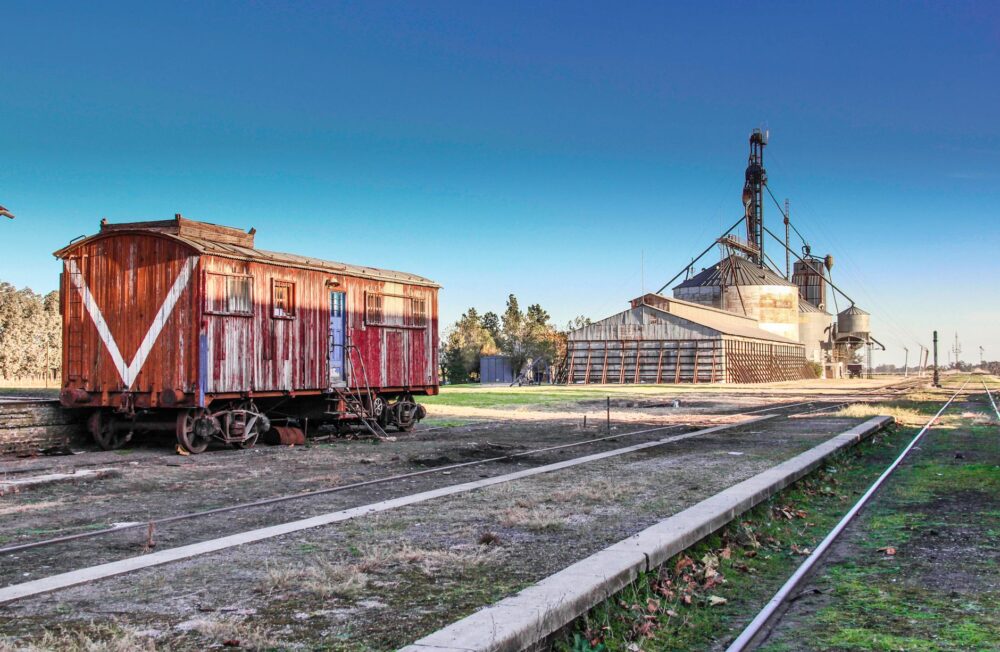
Along the kilometer-long stretches separating Ulan-Ude from the maritime terminal of Vladivostok, railway stations act as urban and cultural landmarks. Buildings erected in the late Tsarist period and remodeled during the Soviet era display a rich typological diversity reflecting the evolution of industrial and regional architecture in Siberia. While large urban terminals prioritize functionality and Stalinist monumentality, intermediate stops in small timber and mining settlements retain noble timber structures characterized by gable roofs designed to withstand massive snow accumulations.
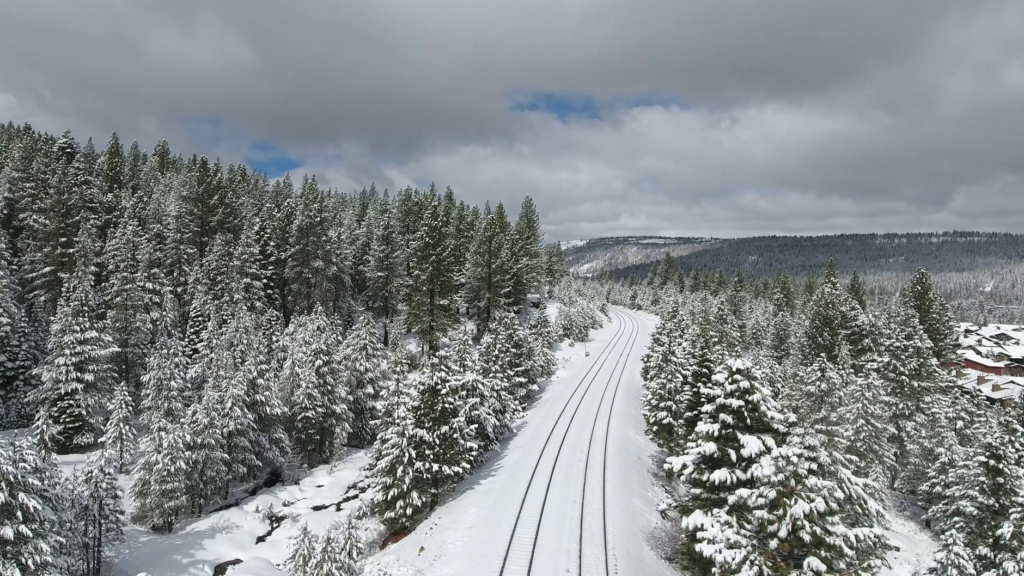
These edifices not only fulfill an operational function for train crossing and freight traffic management, but act as spontaneous community centers. The arrival of long-distance convoys marks the daily rhythm of these populations, where passengers disembark during brief technical stops to acquire local products from vendors stationed on the platforms. This architectural and human ecosystem reveals a perfect symbiosis between machine and territory, where each station tells a story of peaceful colonization, military strategy, and economic development driven by steam and later by diesel and electric traction.
Siberian Logistics: Balancing Heavy Freight and Passengers
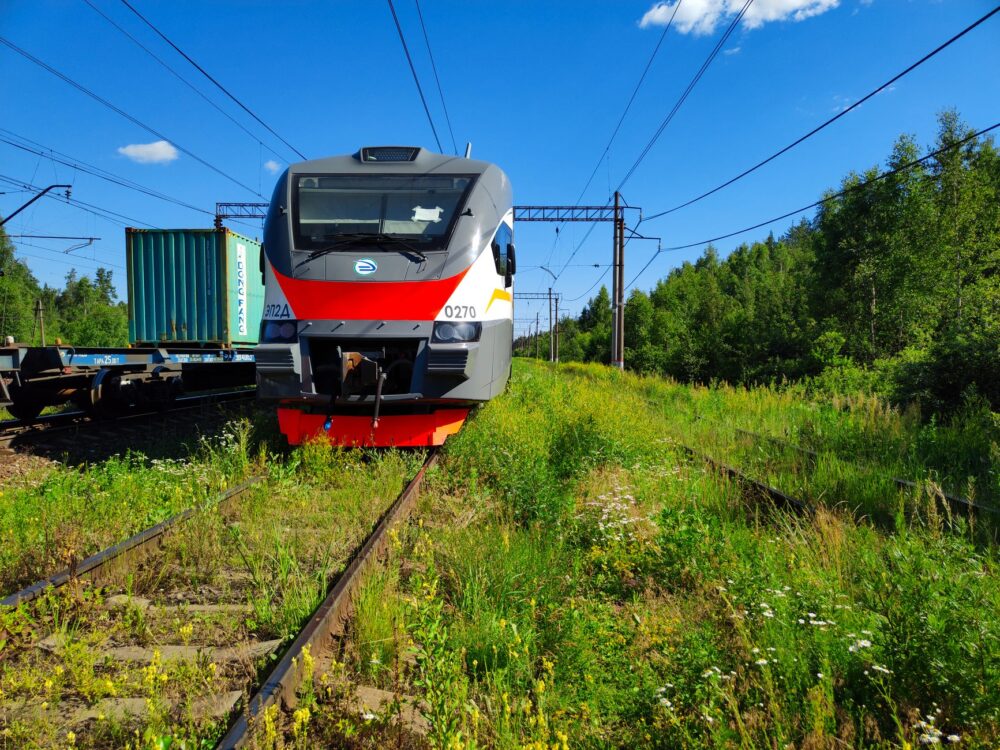
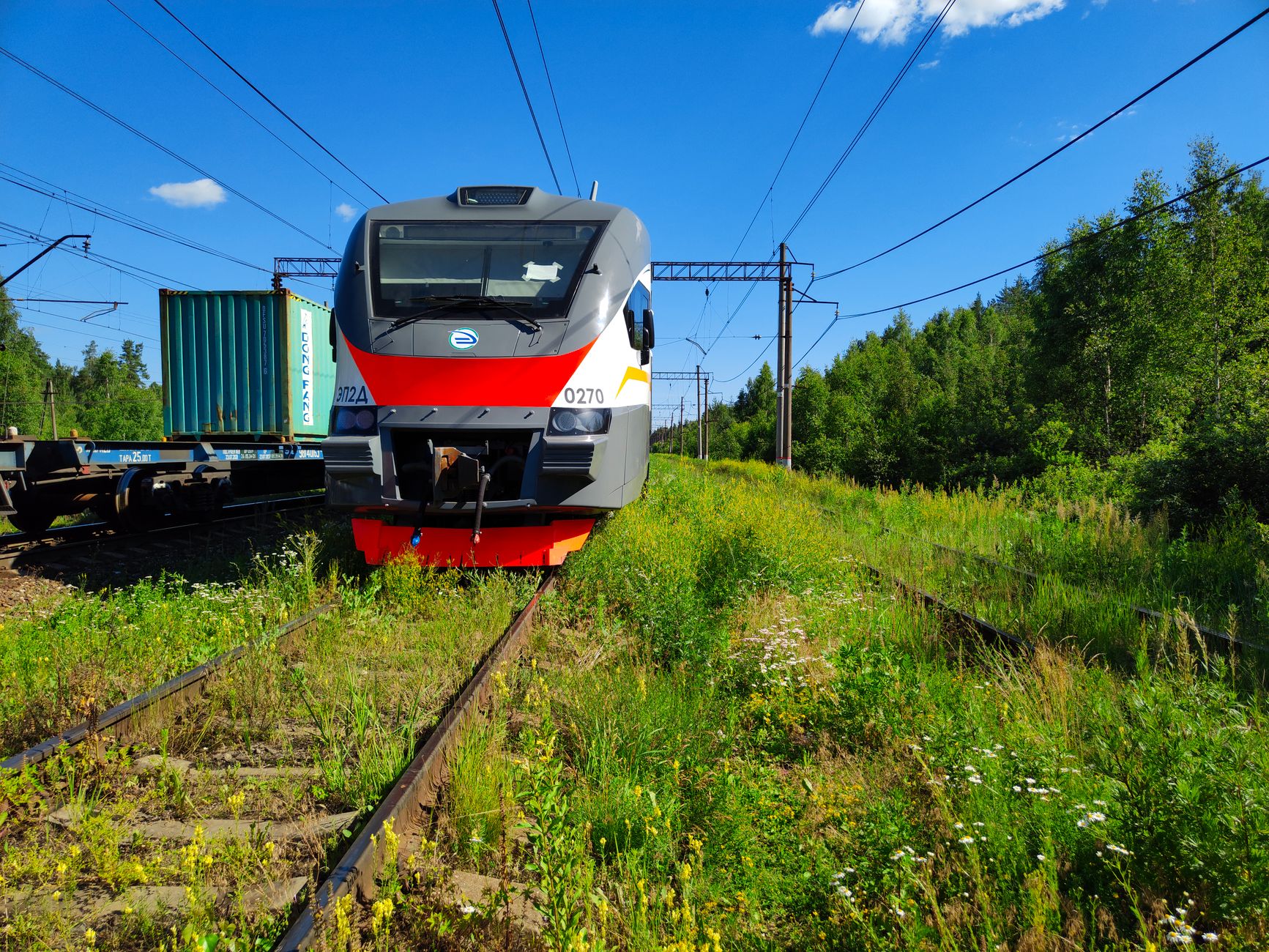
The daily operation of this railway corridor responds to a complex logistical choreography where heavy-tonnage freight trains share single or double tracks with passenger services, most notably the legendary Rossiya train. Transporting coal, timber, petrochemical products, and containers originating from Pacific ports destined for Europe, heavy freight trains demand minute timetable management to prevent bottlenecks in particularly steep sections, such as the passage through the Khabarovsk mountains or the kilometer-long bridges crossing the Amur River.
The electrification of the line, completed almost entirely by the late twentieth century with high-tension alternating current, marked a qualitative leap in hauling capacity and energy efficiency compared to reliance on coal and oil. However, seasonality continues to exert formidable operational pressure. During the summer months, intensive maintenance of the track superstructure temporarily reduces commercial speed, while the arctic winter demands locomotives equipped with auxiliary heating systems in their pneumatic circuits and the constant labor of rotary snowplows preceding commercial convoys.

The Human Fabric: Railway Communities and Life On Board
Traveling or working on the eastern section of the Trans-Siberian implies immersing oneself in a railway culture deeply rooted in the identity of its inhabitants. Locomotive drivers, track maintenance crews living in isolated control posts, and car inspectors form part of a professional caste whose expertise is passed down from generation to generation. Aboard passenger cars, time acquires another dimension; prolonged coexistence in platscart (open berth) compartments or kupé (closed four-berth cabins) fosters a particular sociability based on reading, unhurried conversation, and the consumption of traditional hot tea prepared in the samovars equipped in every carriage.
Communities flanking the railway depend entirely on its passage. Schools, health centers, and basic supplies arrive punctually thanks to work trains and mail cars stopping even at remote sidings where no formal urban center exists. This mutual dependence has generated singular social resilience, where the community recognizes in the railway not only a mode of transport, but the very guarantee of its subsistence and connection with the rest of the Eurasian nation.
Practical guide
How to get there and plan the journey: Access to the eastern section of the Trans-Siberian is usually achieved by connecting from Moscow or via international flights to the airports of Irkutsk, Khabarovsk, or Vladivostok. Planning requires advance ticket booking through official Russian Railways platforms or specialized agencies, carefully selecting the travel category (kupé for greater privacy or platscart for social immersion).
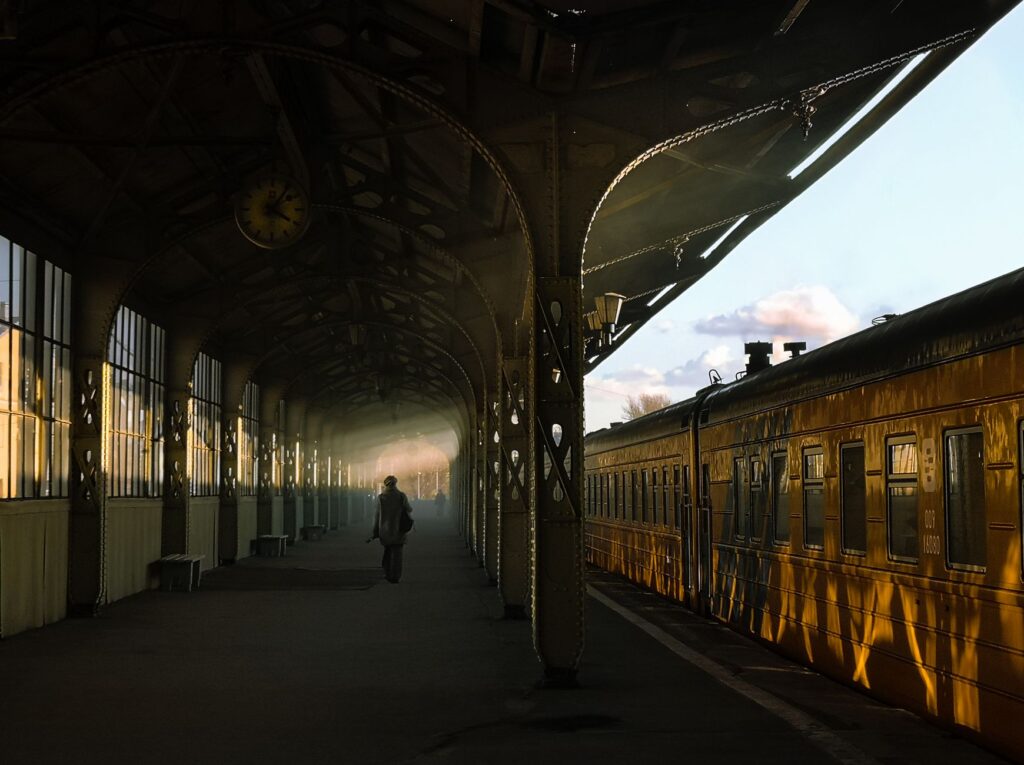
When to travel: The summer months (June to August) offer moderate temperatures and prolonged daylight, facilitating observation of river and forest landscapes. Conversely, deep winter (December to February) provides an extreme landscape experience with temperatures dropping below thirty degrees Celsius below zero, recommended solely for experienced travelers equipped with appropriate thermal gear.
Requirements and formalities: Obtaining the appropriate visa in advance is essential, alongside holding international medical insurance covering activities in remote areas and verifying current customs regulations for transporting electronic devices and foreign currency. Carrying cash in local currency for small purchases on intermediate platforms is advised, as credit card coverage may be limited in rural settlements.

Safety and health on board: Long-distance trains feature security personnel and basic medical assistance en route. Bringing a personal first-aid kit with frequently used medications, layered clothing to adapt to constant carriage heating, and light provisions complementing the dining car service is strongly recommended.
The Pacific Horizon: Arrival in Vladivostok
After traversing thousands of kilometers of silent forests, wind-swept plateaus, and immense river valleys, the train undertakes its final descent toward the coast of the Sea of Japan, skirting the Golden Horn Bay. Arrival at Vladivostok station, a monumental early twentieth-century building whose architecture evokes Yaroslavsky terminal in Moscow, marks the physical terminus of this great railway adventure. On the main platform, a milestone displays the mythical figure summarizing the entire enterprise: 9,288 kilometers.
Contemplating locomotive switching maneuvers against the brackish waters of the Pacific generates a profound sense of human scale against the immensity of the continental territory. Port steamers, gulls soaring over cargo vessels, and the tireless coming and going of citizens in this maritime outpost of Russia close the circle of a journey where engineering, geography, and history merge inextricably. The Trans-Siberian is not just a line on a map, but the tangible proof that human will can unite oceans across the cold immensity of the taiga.