The Best Hotels in Miami for 2026: From Wynwood’s Pulse to Island Calm
A comprehensive journey through Miami's hospitality landscape that redefines contemporary luxury, from private sanctuaries in Key Biscayne to vanguard artistic enclaves.
Miami has long since moved past its reputation as a destination solely for fleeting sunshine and unbridled nightlife, cementing its status as one of the most sophisticated cultural and design capitals in the Western Hemisphere. As we move through 2026, the city’s hotel industry is undergoing a fascinating metamorphosis. It is no longer merely about offering Atlantic Ocean views or infinity pools; true luxury now lies in the ability to connect the traveler with the architectural identity, culinary scene, and artistic sensibility of each distinct neighborhood.
From the secluded lushness of Key Biscayne to the graffiti and galleries of Wynwood, via the timeless elegance of South Beach and the financial energy of Brickell, today’s top accommodations function as design microcosmos. This report examines how Miami’s hospitality balances exclusive privacy with urban immersion, offering refuges where brutalist architecture coexists with tropical botany and personalized service reaches new heights of artisanal excellence.
Key Biscayne: The Low-Density Island Sanctuary
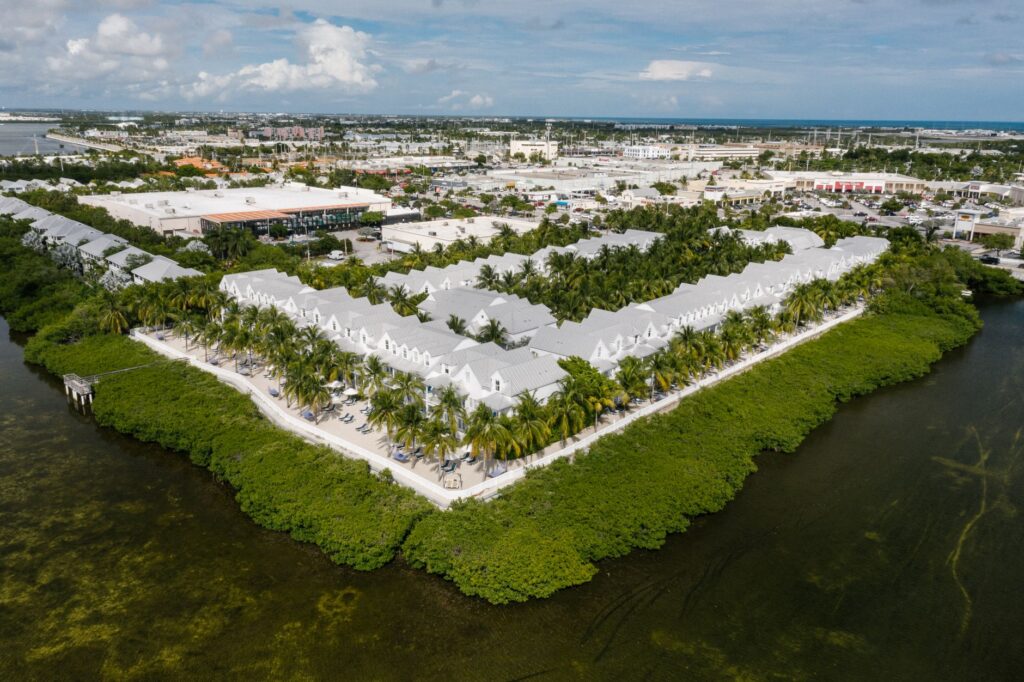
Located south of the Rickenbacker Causeway, Key Biscayne represents the perfect antidote to Miami’s urban frenzy. This insular enclave, characterized by subtropical vegetation and protected beaches, is home to some of the most serene hospitality offerings in the region. Here, the lodging experience is built around silence, sea breezes, and architecture that prioritizes integration with the natural landscape rather than competing with it.
The properties in this area operate under a premise of sophisticated disconnection. Unlike the glass towers of downtown, Key Biscayne’s low-rise hotels allow natural light to flood every corner. Mornings begin with bicycle rides through Bill Baggs Cape Florida State Park and culminate in dinners where local seafood merges with contemporary techniques. It is the premier destination for travelers seeking the privacy of a private island without sacrificing metropolitan proximity.
Architecture and Design Blending with the Mangroves
The visual language of hospitality in Key Biscayne relies on organic materials: treated tropical woods, regional limestone, and floor-to-ceiling windows that blur the boundaries between indoors and outdoors. Interior design studios have embraced neutral color palettes—sands, off-whites, and olive-green accents—that reflect the coastal surroundings. This aesthetic approach fosters an immediate sense of mental calm, where every decorative element serves a purpose of visual repose.
The true luxury in this sector of the city is the scarcity of noise and the abundance of personal space.
Brickell: The Verticality of Cosmopolitan Financial Luxury
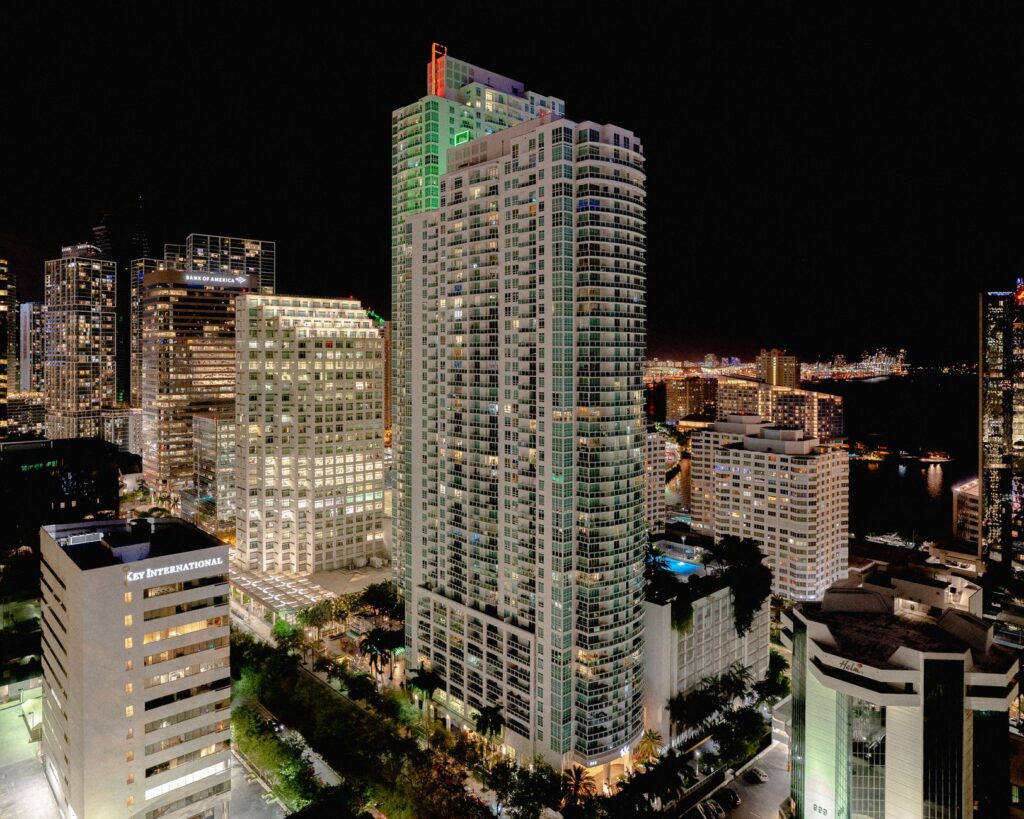
At the opposite geographic and atmospheric spectrum lies Brickell, the financial district that has rightfully earned the moniker of the Wall Street of Latin America. Here, hospitality takes on a markedly vertical form, integrating into skyscrapers signed by internationally acclaimed architects. The hotels in this area are designed for high-level business travelers and urban tourists looking to be at the epicenter of economic and gastronomic activity.
Brickell’s towers house bold proposals that combine executive efficiency with tropical hedonism. Lobbies function as gathering points for art collectors, financiers, and trendsetters. On the rooftops of these buildings, swimming pools suspended over Biscayne Bay offer dizzying perspectives of a skyline in constant transformation, cementing this neighborhood as a showcase of architectural modernity.
Wynwood and the Design District: Where Contemporary Art Inhabits Lodging
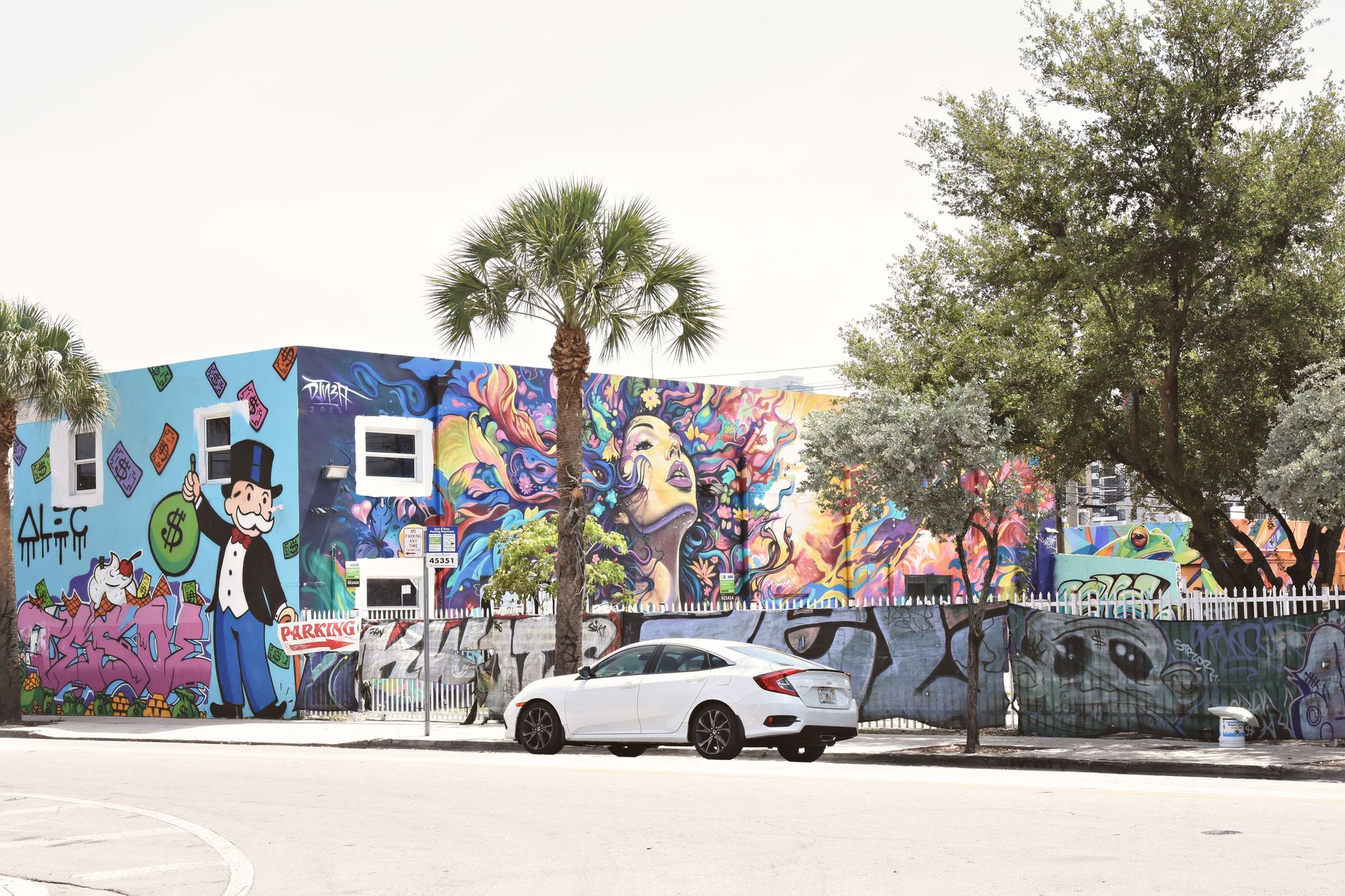
If Brickell represents financial the pinnacle, Wynwood and the Miami Design District embody the creative soul of the city. The emergence of boutique hospitality in these cultural districts has redefined the concept of urban hospitality. Instead of impersonal mega-chains, visitors find intimate properties that function as living extensions of the art galleries surrounding them.
The facades of these hotels often incorporate murals by world-class street artists, while interiors house private collections of contemporary art and mid-century design furniture. The experience is tailored for a public hungry for cultural stimuli, where stepping outside means coming face to face with open-air installations and conceptual fashion and design boutiques.
«The true evolution of Miami lies in its ability to transform concrete into a canvas and accommodation into a habitable gallery.»
Cuisine as the Central Axis of the Boutique Experience
In these creative enclaves, the culinary offering is not a secondary amenity, but the beating heart of the proposal. The chefs leading these restaurants collaborate closely with local farmers and Key West fishermen to craft menus that reinterpret Floribbean and Latin American cuisines with impeccable technical rigor. Dining spaces are designed with open kitchens that encourage direct interaction between the diner and the culinary team.
South Beach: The Reinvention of the Art Deco Icon
No conversation about Miami hospitality would be complete without addressing South Beach. Despite its historical reputation tied to nocturnal excess, this area is undergoing a profound process of maturation. Historic Art Deco hotels, located primarily along Ocean Drive and Collins Avenue, have undergone meticulous restorations that respect their 1930s architectural heritage while incorporating cutting-edge technology and rigorous sustainability standards.
The major names in international hospitality compete here to offer the finest interpretation of classic Miami Beach glamour. Interior courtyards shaded by century-old palms, private beach clubs, and comprehensive wellness programs are the pillars supporting this new era, where understated elegance replaces the flashy glitter of the past.
The Rise of Wellness and Sustainability in Miami Hospitality
A common denominator in Miami’s new generation of hotels is an unwavering commitment to holistic wellness and environmental responsibility. The city’s standout properties now feature world-class spas integrating therapies based on traditional medicine and biophilic technology. Optimized sleep programs, farm-to-table organic menus, and the complete elimination of single-use plastics are standardized practices across these establishments.
Sustainability is no longer a marketing talking point, but a fundamental operational requirement for travelers demanding ethical coherence in their luxury choices.
Technological Innovation and Invisible Service
The technological integration across Miami’s top hotels for 2026 stands out for its invisibility. Guests can manage lighting, climate control, and room access via encrypted apps on their own devices, eliminating operational friction. However, this digitalization coexists with a highly trained human service team, capable of anticipating traveler needs with absolute discretion and an encyclopedic knowledge of the city.
Practical guide
Best time to visit: Between November and April, when temperatures are milder and humidity levels drop significantly.
Urban mobility: Although water taxis and private transport services are efficient, renting bicycles is strongly recommended to explore Key Biscayne and Wynwood.
Dining reservations: Fine dining restaurants located within design hotels require reservations at least three weeks in advance during high season.
Beach regulations: Hotels with private beach access offer integrated services, but it is important to check local policies regarding coastal environmental protection.
At the end of the journey, hospitality in Miami transcends the mere sum of high thread-count sheets, panoramic views, and technological conveniences. The city’s best establishments function as emotional refuges where the contemporary traveler finds meaningful pause amid the accelerated pace of today’s world. Sitting at dusk on a terrace facing the Atlantic, feeling how the architecture merges with the golden palette of the Floridian sky, reveals the true essence of this destination.
Miami has established itself as a territory where natural beauty and creative audacity coexist in perfect harmony. The reviewed hotels are not simply places to pass through, but portals toward a deeper understanding of a metropolis that, in 2026, shines with its own light: mature, sophisticated, and profoundly human.
«Traveling to Miami today means discovering that behind the neon and velocity lies a serene elegance, sculpted by the sea and the talent of its people.»