
In the towering heights of the Indian Himalayas, where the air thins and the silence is broken only by glacial winds, nature and faith have been intertwined for centuries. Every summer season, mountain paths winding through alpine meadows and rocky moraines come alive with the steady footsteps of pilgrims and trekkers. This breathtaking yet fragile landscape serves as the backdrop for a journey that reaches far beyond adventure tourism, diving deep into the realms of spirituality and environmental stewardship.
Recently, local authorities led by Lieutenant Governor Manoj Sinha officially flagged off the traditional yatra—the sacred pilgrimage—toward the alpine lakes of Harmukh and Gangbal. This milestone marks the beginning of weeks when walkers from diverse backgrounds venture deep into the Zanskar range. Yet, beyond religious devotion or the sheer physical challenge of the trail, this year’s official message places paramount importance on a critical issue: the imperative need for eco-sensitive tourism in one of the most vulnerable mountain ecosystems on Earth.
The Revival of an Ancient Route Among Sacred Peaks
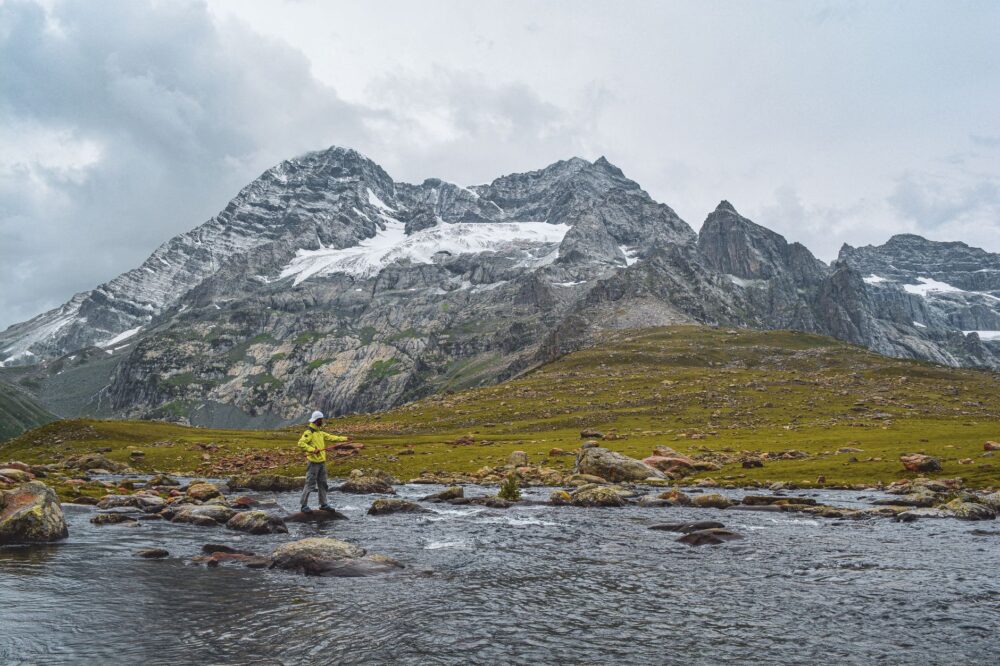
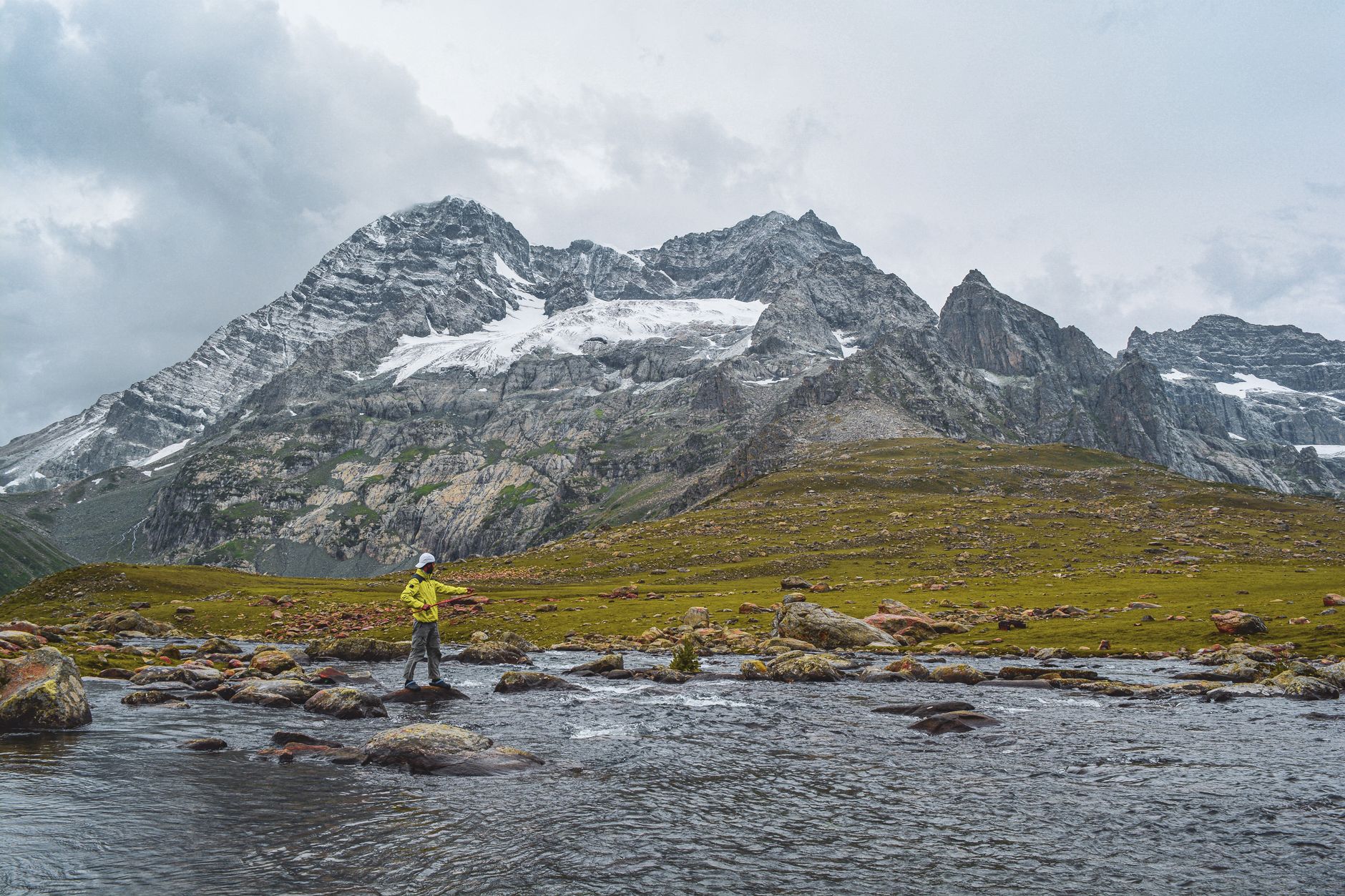
The trek leading to the foot of Mount Harmukh, whose summit reaches an imposing 5,142 meters of altitude, is no ordinary path. Since time immemorial, this mountain has been revered by local communities and travelers alike as a supreme sanctuary of peace. The twin lakes of Gangbal and Nundkol, nestled directly beneath this formidable mass of rock and ice, are viewed as celestial mirrors reflecting the purest glacial meltwater and the silent prayers of all who visit them.
Organizing an expedition or pilgrimage of this scale demands a delicate balance between logistical support and environmental preservation. During the flag-off ceremony, officials stressed that protecting the fragile alpine flora and keeping the mountain springs pristine must remain top priorities for every participant. Far from being an uncontrolled mass gathering, the contemporary institutional goal is to channel visitor flow through strict conservation guidelines.
The Sacred Geography of Harmukh and the Alpine Lake System
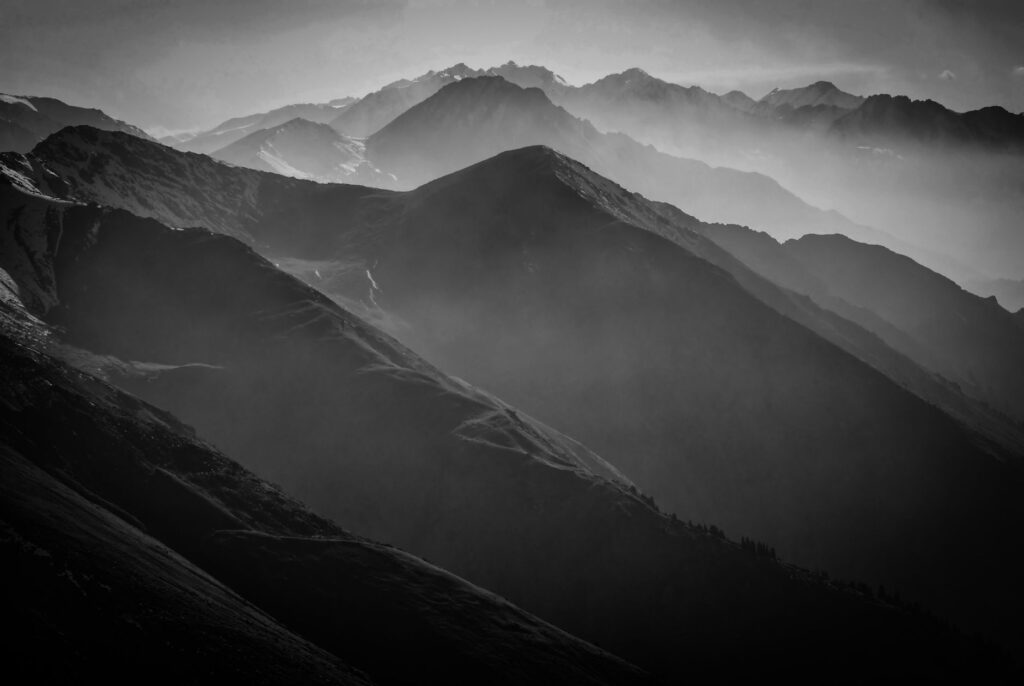
The Harmukh massif visually dominates the Ganderbal district in Jammu and Kashmir. Geologically, it consists of rugged rock formations carved by glacial activity over millennia. Hanging valleys, glacial cirques, and lateral moraines shape an abrupt topography that harbors specialized biodiversity adapted to extreme conditions.
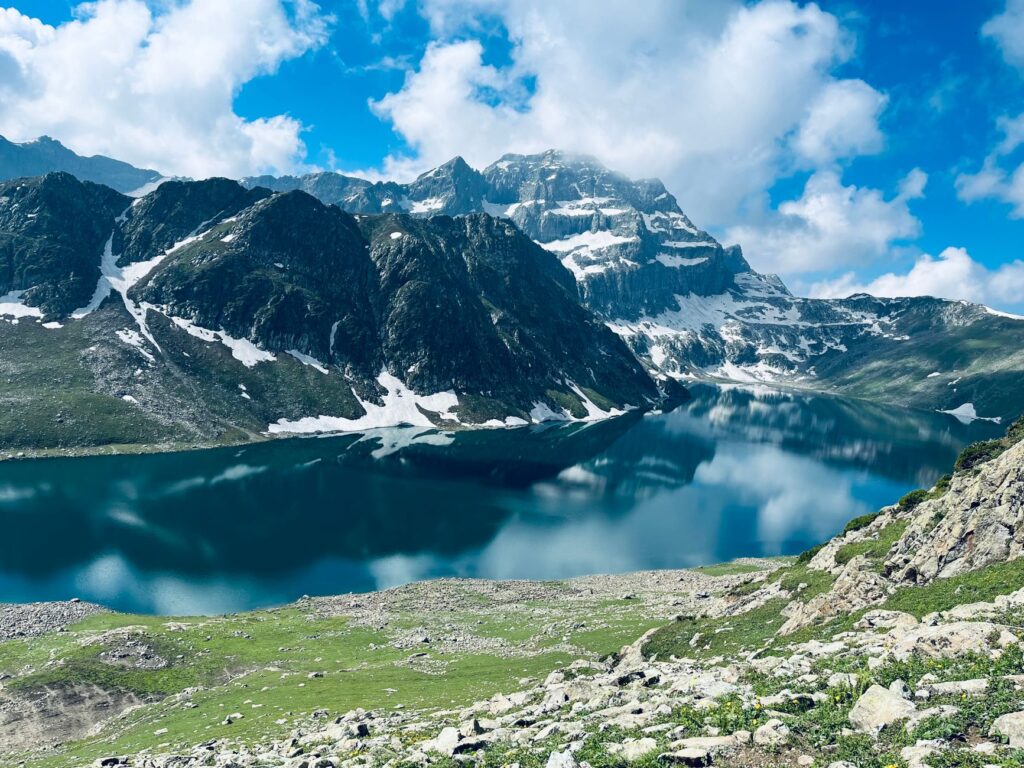
At the base of the mountain, Lake Gangbal spreads out as a sheet of crystal-clear water fed directly by the Harmukh glacier. This aquatic body holds profound religious significance for the Kashmiri Hindu community, who traditionally immerse sacred ashes in its waters, while also acting as an essential hydrological regulator for the valleys below. Protecting this high-altitude aquatic ecosystem safeguards the health of downstream river basins.
The Fragility of High-Altitude Flora and Fauna
Trekking above 3,500 meters in the Himalayas means entering an alpine and nival zone where vegetation is sparse and exceptionally slow-growing. Endemic plants, mosses, and lichens struggle to survive in nutrient-poor soils exposed to fierce winds. Uncontrolled livestock movement or systematic off-trail hiking can erode fragile turf within weeks, leaving scars that take decades to heal.
The mountain is not a passive playground to be conquered, but a living organism that tolerates our presence and whose health strictly depends on our restraint.
Similarly, local wildlife—including elusive species such as the snow leopard, the Himalayan black bear, and various raptors—suffers the consequences of poorly managed human presence. The accumulation of non-biodegradable plastics and organic waste alters the foraging habits of native fauna and pollutes high-altitude watersheds.
The Institutional Call for a Green Pilgrimage
The regional government’s address during the yatra’s inauguration signals a paradigm shift from the past. Historically, mass religious journeys across the Indian subcontinent have sparked severe challenges in waste management and resource depletion. Acknowledging this reality, the call for an eco-friendly pilgrimage aims to enforce mandatory sustainable protocols.
Among the guidelines issued by organizers and ecotourism agencies are the absolute ban on littering, the strict requirement to pack out all generated waste, and recommendations to utilize alternative cooking fuels at campsites to prevent the cutting of scarce high-altitude shrubs for firewood.
Local Economy and Sustainable Community-Based Tourism
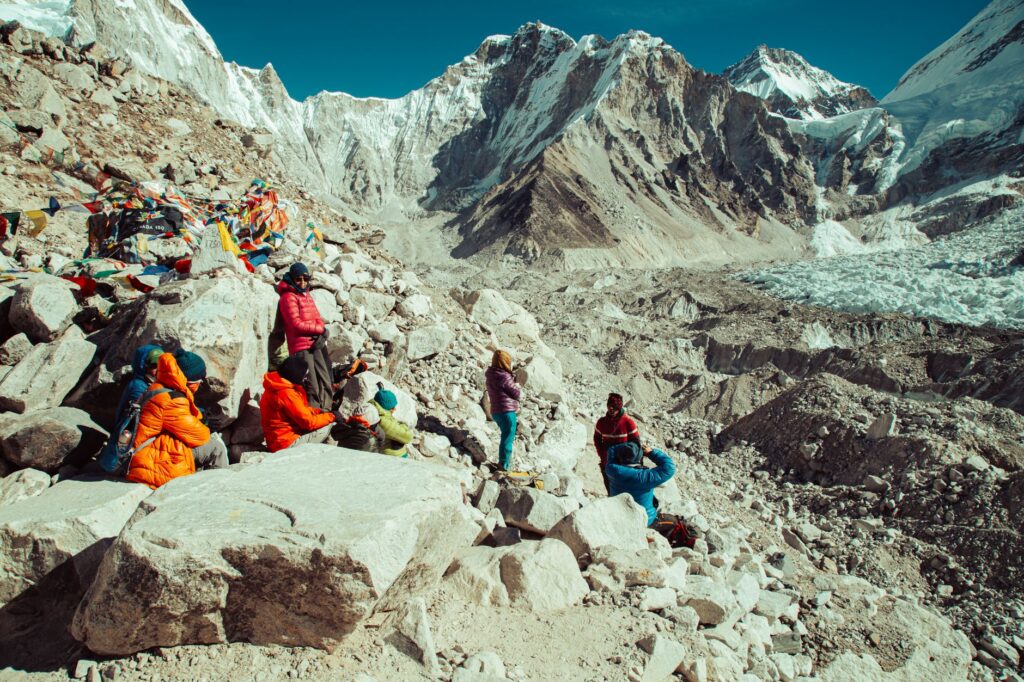
A fundamental pillar in the development of the Harmukh and Gangbal yatra is its socioeconomic impact on surrounding mountain communities. Villages like Naranag, the traditional trailhead, heavily rely on income generated by hiring out local porters, mountain guides, and eco-lodge operators.
Fostering community-based tourism ensures that financial benefits remain directly in the hands of local residents, who serve as the most effective stewards of the land. When communities perceive a direct economic incentive in preserving their natural surroundings, they become frontline defenders against destructive or extractive practices.
Logistical Challenges on the Roof of the World
Ensuring the safety of hundreds of pilgrims and trekkers in terrain as rugged as the Gangbal lakes demands complex coordination among mountain rescue teams, medical personnel, and security forces. Himalayan weather can shift dramatically within hours, turning bright sunshine into blinding snowstorms or sudden hail.
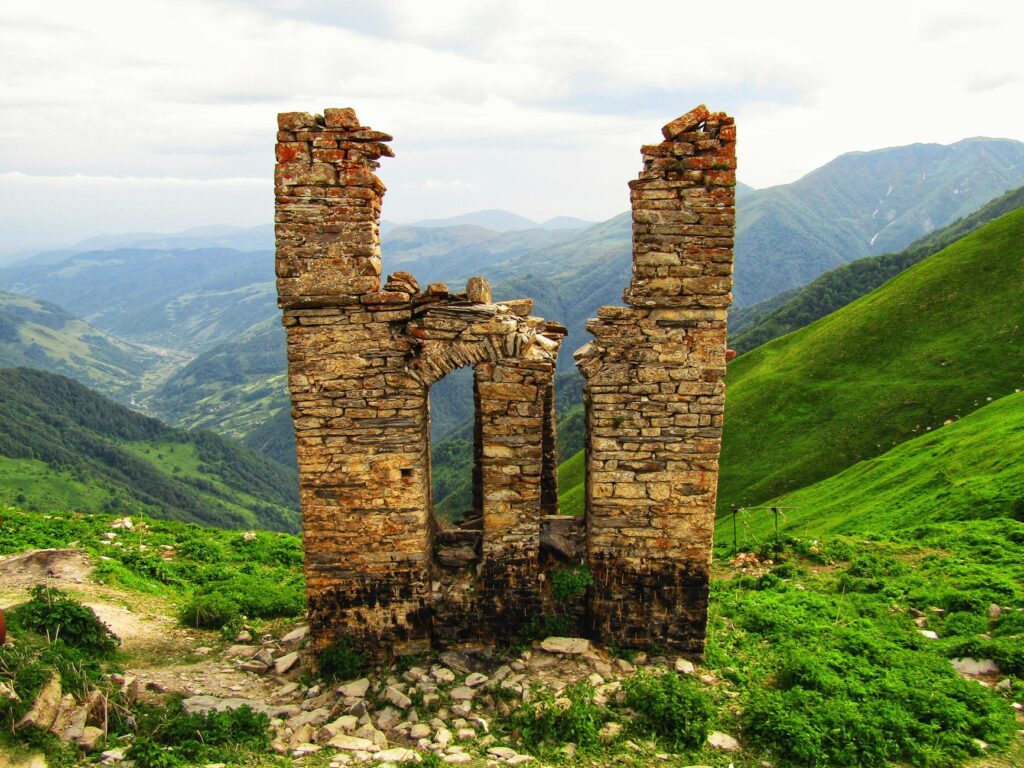
Checkpoints established along the route register every traveler, verifying that individuals carry adequate equipment to endure sub-zero night temperatures at high altitude. This oversight not only prevents accidents but also provides an opportunity to brief visitors personally on minimal-impact mountain ethics.
The Historical and Archaeological Heritage of Naranag
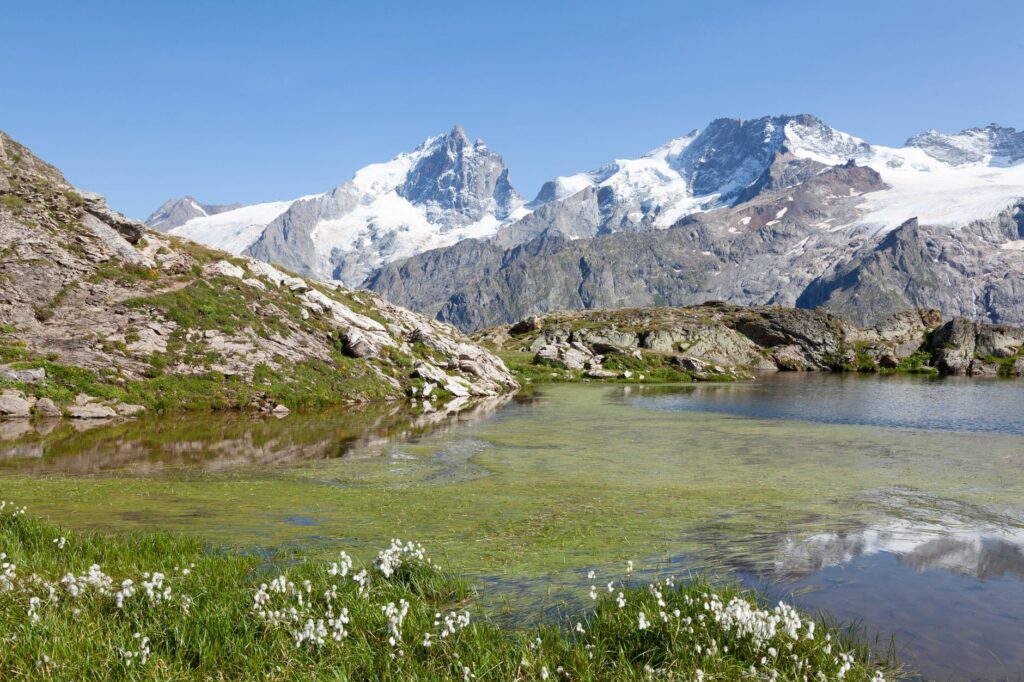
Before ascending toward the sacred lakes, most itineraries begin in Naranag, a site featuring a cluster of ruined 8th-century Hindu temples. Dedicated to Shiva, these carved stone sanctuaries offer tangible testimony to Kashmir’s rich cultural history and the antiquity of regional pilgrimage routes.
Integrating visits to these historical monuments with rigorous environmental mindfulness enriches the traveler’s experience, underscoring that they are walking through a cultural landscape shaped by humanity for over a millennium, locked in a fascinating, tense negotiation with the indomitable forces of nature.
Practical guide
- Getting There: The trek begins in the village of Naranag, located roughly 50 kilometers north of Srinagar, the summer capital of Jammu and Kashmir. It is easily accessible by taxi or private vehicle from Srinagar.
- Best Time to Visit: The months of July and August offer the most stable weather conditions and minimal snow cover along the primary trails leading to Gangbal and Nundkol lakes.
- Permits and Registration: Registration at military and forest checkpoint stations at the Naranag trailhead is mandatory for safety tracking and environmental management.
- Required Gear: Layered technical mountain apparel, sturdy broken-in trekking boots, a sub-zero rated sleeping bag, telescopic trekking poles, and a reliable water purification system.
- Environmental Rules: Littering of any kind is strictly prohibited. The use of soap in lakes or streams and the burning of local wood for campfires are completely banned. Pack it in, pack it out.
As the sun dips behind the razor-sharp ridges of Harmukh, the waters of Lake Gangbal turn a deep, metallic dark blue, reflecting the fading daylight. In that moment of absolute stillness, far from the noise of cities and everyday anxieties, the true dimension of the journey reveals itself. It is not merely about reaching a high altitude or enduring physical exertion, but about deeply grasping the fragility of the world we inhabit.
The pilgrimage to these high-altitude sanctuaries reminds us that nature is not an endless resource at our disposal, but a sanctuary demanding humility and respect. To walk softly, listen to the silence of the glaciers, and depart without leaving a trace beyond our footprints is the only truly worthy tribute we can offer to these sacred Himalayan peaks.
Source in EN: The Statesman – LG Sinha flags off Harmukh–Gangbal yatra, appeals for eco-sensitive pilgrimage