
Among peaks and mist: the highland identity of Mazamitla
Less than three hours from Guadalajara, the landscape of Jalisco undergoes a radical transformation. The warmth of the central valleys yields to a terrain of coniferous trees, fresh air, and forest humidity as one ascends toward the Sierra del Tigre. In this mountainous pocket sits Mazamitla, an urban core that defies the tropical imagery of the state with its silhouette of steeply pitched rooftops, cobblestone streets, and smoking chimneys.
The appeal of this Magical Town lies not merely in its alpine aesthetics, but in how its community has preserved a way of life tied to the land, forestry, and local commerce. Far from being a static stage set, Mazamitla operates as a living ecosystem where travelers can witness traditional crafts, hearty gastronomy, and a hospitality that contrasts sharply with the pace of large cities.
To grasp the current pulse of this highland refuge, one must examine its historical evolution and integration into contemporary tourism in western Mexico. Local records trace the population’s origins to Otomí and Purépecha indigenous settlements that used the area as a trade and gathering route. With the arrival of the Spanish, geographic isolation shaped a slow development based on rain-fed agriculture, extensive cattle ranching, and timber extraction.
Traditional architecture and the alpine myth
One of the first surprises visitors encounter while walking through Mazamitla’s historic center is its strong architectural imprint. White facades framed by stone masonry, dark wood portals, and inclined roofs with red clay tiles immediately evoke settlements in the European Alps or North American timber regions.
However, local chroniclers note that this aesthetic stems not from direct foreign colonization, but from climatic and structural solutions dictated by the natural environment. The abundance of pine and fir trees facilitated the extensive use of wood in housing structures, while roof inclines became indispensable to prevent collapse under heavy summer rains and occasional hail.
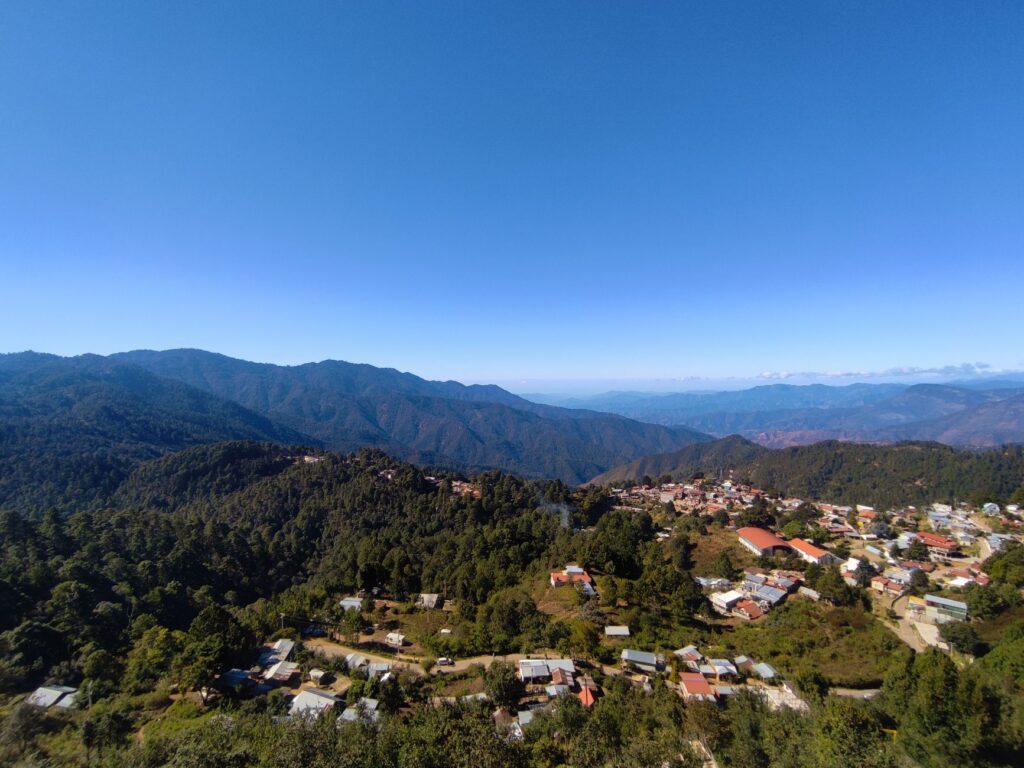
This construction syncretism grants the urban core a distinct visual personality best appreciated on foot, wandering leisurely through its steep alleys.
The civic heart: San Cristóbal Parish
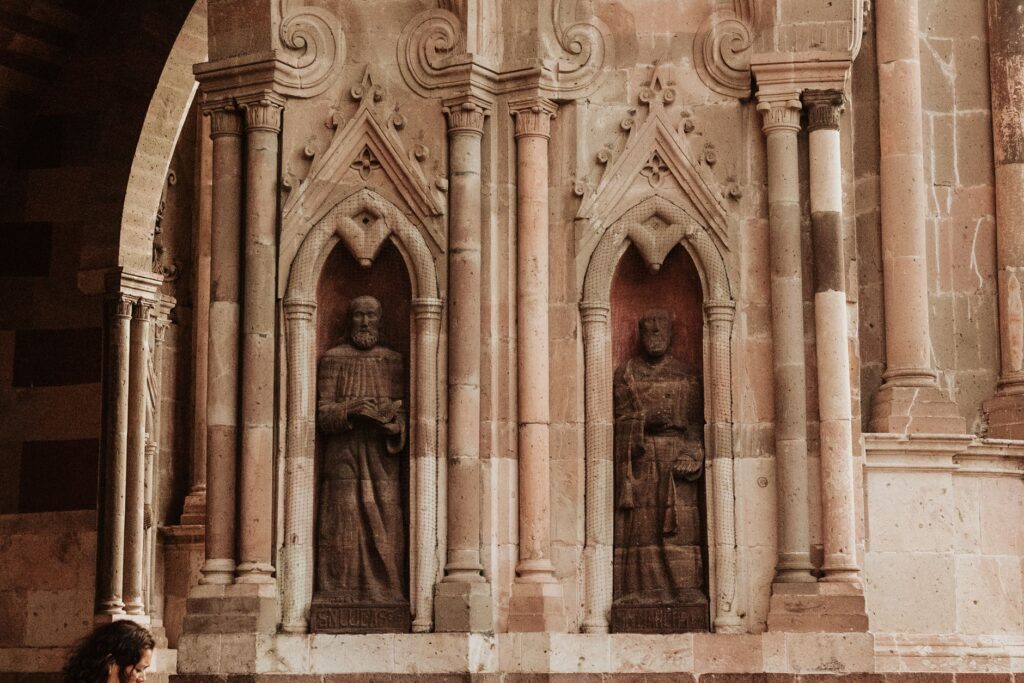
Dominating the main square stands the San Cristóbal Parish, an eclectic church whose construction was consolidated in the mid-20th century. Unlike the baroque churches prevalent in the Los Altos region or among Purépecha communities, this building stands out for its carved stone facade and vertical lines reminiscent of northern European religious architecture.
The interior, marked by elegant sobriety, invites quiet reflection and allows visitors to observe regional metalwork and sacred art. Around the atrium, the movement of locals and visitors creates an intergenerational gathering space where time seems to slow down.
Mountain flavors: gastronomy and local markets
The altitude and cool climate of the Sierra del Tigre dictate a hearty cuisine designed to provide energy and warmth. The signature dish par excellence is bote, a traditional stew made with a mixture of meats—beef, pork, and chicken—slow-cooked in clay pots with regional vegetables, dried chilis, and a touch of pulque or beer that adds depth to the broth.
Once prepared for community festivities and agricultural labor, this stew can now be found in various local diners and fondas. Locals recommend pairing it with handmade tortillas and a molcajete-ground chile de árbol salsa.
Another culinary pillar is dairy production. Artisanal cheeses from Mazamitla, especially adobera and fresh varieties, enjoy well-earned fame throughout Jalisco. They are crafted following traditional methods passed down through generations, using raw milk from cows grazing in highland pastures.
The municipal market and traditional sweets
To appreciate the area’s agro-alimentary wealth, a visit to the municipal market is essential. Among stalls featuring seasonal fruits, aromatic herbs, and fresh meats, counters dedicated to traditional sweets stand out.
Quince paste, guava rolls, peach preserves, and milk jamoncillos reflect the harvest from family orchards surrounding the municipal seat. Buying directly from local producers guarantees both food freshness and the survival of small-scale rural economies.
The cuisine of the Sierra del Tigre is a flavor archive where the cold climate justifies every thick broth and every clay-pot confection.
Adventure and nature: exploring the Sierra del Tigre
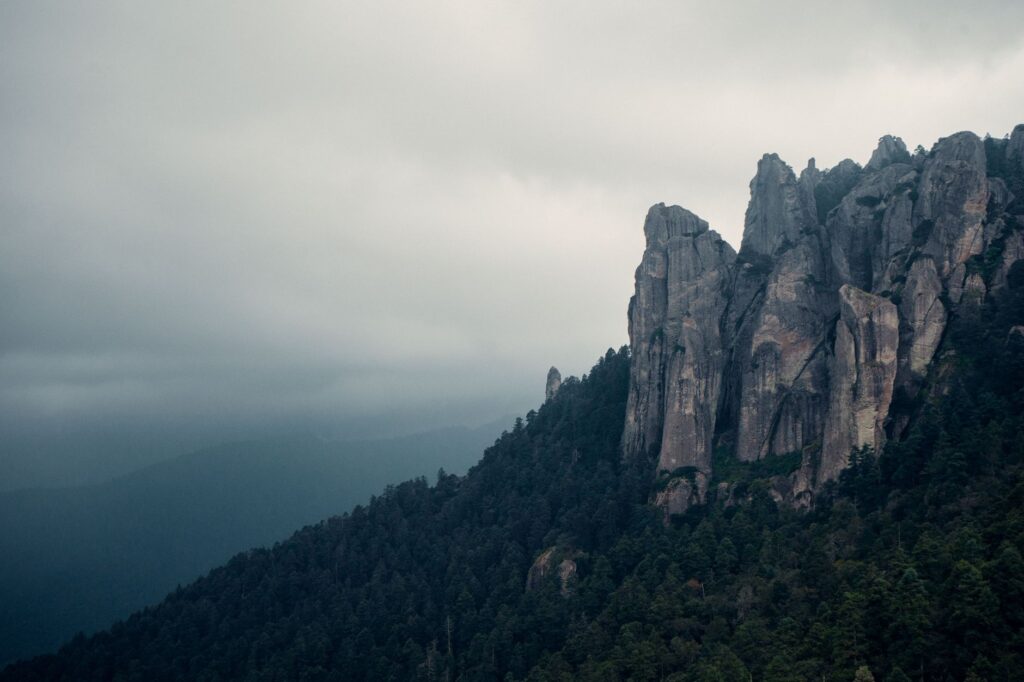
Beyond the comfort of cobbled streets, the true territory for exploration stretches across the surrounding forests. The Sierra del Tigre offers a network of forestry roads and trails ideal for hiking, mountain biking, and horseback riding guided by local horsewomen familiar with every fold of the landscape.
Vegetation is dominated by dense forests of pine, oak, and fir, home to diverse fauna including birds of prey, small mammals, and occasionally grey foxes and white-tailed deer. Conserving these ecosystems remains a constant challenge amid real estate pressure and mass tourism.
Ejido authorities and regulated service providers promote low-impact practices to ensure forest exploration does not alter natural cycles or generate waste in vulnerable areas.
El Salto Waterfall and natural viewpoints
One of the most visited natural attractions is El Salto Waterfall, a drop of approximately thirty meters that reaches its peak splendor during the rainy season between June and October. The trail to the waterfall winds through centennial trees and rock formations, offering moments of total acoustic isolation.
Additionally, various natural viewpoints distributed across the upper elevations allow visitors to contemplate the immensity of the landscape, encompassing parts of the Juárez Valley and distant glimpses of Lake Chapala’s basin on clear days.
Crafts and trades resisting time
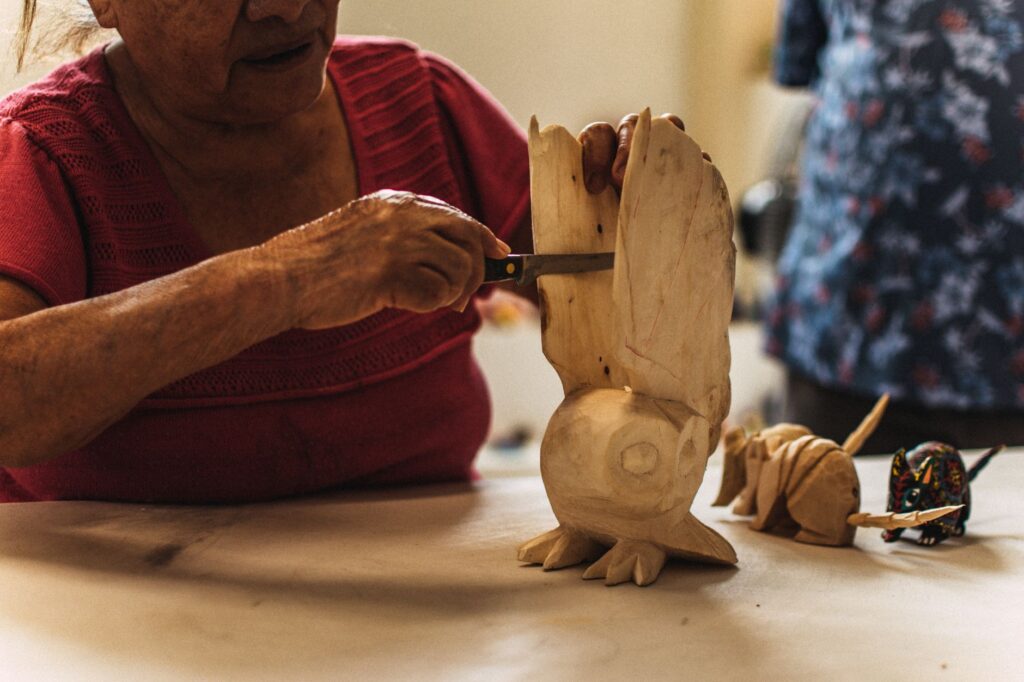
Craftwork in Mazamitla relies on mastery of local raw materials such as wood, clay, and wool. In family workshops around town, carpenters and carvers can be seen producing everything from rustic furniture to small kitchen utensils.
This woodwork maintains a direct link to the region’s forestry history. Although commercial timber harvesting has declined and is strictly regulated, local artisans have redirected their expertise toward creating utilitarian and decorative pieces that revalue forest resources.
Similarly, wool textile weaving, though less massive than in other Mexican regions, survives among women weavers who craft blankets and serapes essential for enduring cold mountain nights.
The value of handmade goods
Purchasing an artisanal piece in Mazamitla involves acknowledging hours of craftsmanship and accumulated knowledge passed down through families. Artisans note that the true challenge lies in competing with cheap industrial production often sold in tourist hubs.
Fostering fair trade and directly visiting peripheral workshops ensures economic value remains within the community, strengthening the municipality’s social and cultural fabric.
Practical guide
- How to get there: From Guadalajara, take Federal Highway 15D toward Morelia, exit at the toll booth toward Jocotepec, and continue along the lakeside highway to Mazamitla. Estimated driving time is two and a half hours. Regular bus services also operate from Guadalajara’s New Bus Terminal.
- Best time to visit: June to October for green landscapes and peak waterfall flows. November to February offers cold, dry weather ideal for cabins with fireplaces.
- Accommodation: Lodging concentrates in rental cabins within forested subdivisions on the outskirts and boutique hotels in the historic center. Advance booking is recommended during long weekends.
- Equipment recommendations: Essential items include comfortable footwear for dirt trails, layered warm clothing (night temperatures drop significantly), and a light raincoat if traveling in summer.
The slow rhythm of the mountain
When the sun begins to set behind the peaks of the Sierra del Tigre, temperatures drop noticeably and a light mist rolls over Mazamitla’s rooftops. This is the moment when cabin chimneys and town-center homes begin releasing wisps of aromatic ocote and pine smoke, impregnating the air with an unmistakable highland scent.
Visitors and locals seek refuge in traditional cafes for hot chocolate paired with corn bread, or in taverns for a steaming stew. In these quiet hours, the Magical Town reveals its true dimension: a space of pause where imposing nature and human warmth offer necessary respite from the frantic pace of the contemporary world.
Traveling to Mazamitla is not about ticking attractions off a checklist, but about tuning into the mountain’s slow rhythm, recognizing in every forest trail and traditional dish the living memory of a highland corner that refuses to lose its identity.
Source in EN: Alan x el Mundo – Qué hacer en Mazamitla (https://alanxelmundo.com/que-hacer-en-mazamitla)