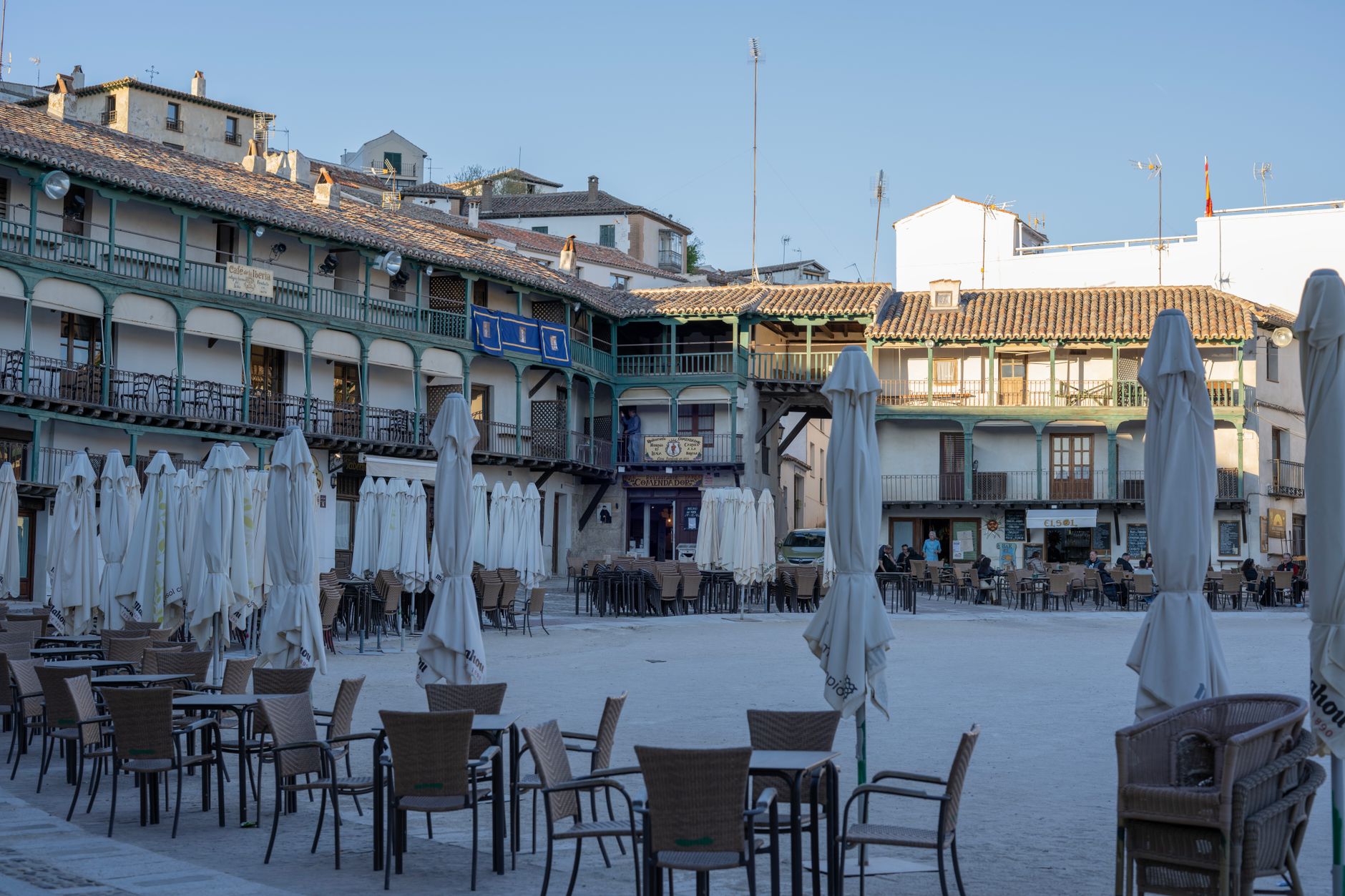

The geography of fine dining in Spain has ceased to be a territory monopolized by the major metropolises, transforming instead into an archipelago of excellence where each province champions its own distinct pantry. Far from the noise and impossible reservations of the capital or the Catalan capital, medium-sized cities such as Malaga, A Coruna, Murcia, Logrono and Valladolid accumulate a density of culinary talent that consistently surprises the contemporary traveler. This report journeys through five enclaves where popular tradition, proximity produce, and contemporary haute cuisine engage in an effortless dialogue, proving that the true vanguard of flavor is often hidden in arcaded squares, century-old food markets, and bustling bars where the local clientele sets the benchmark for excellence.
This phenomenon is not a passing trend, but the result of deep cultural roots and a sustained commitment to authenticity. While traditional circuits struggle with the saturation of mass tourism, these five cities have preserved their gastronomic identity while adapting to the highest standards of the twenty-first century. From the Atlantic to the Mediterranean, passing through the riverbanks of the Duero and the Ebro, the diner encounters an ecosystem where lifelong spoon stews coexist harmoniously with laboratory techniques applied to seafood, market gardens, or game.
Malaga: maritime awakening and southern vanguard
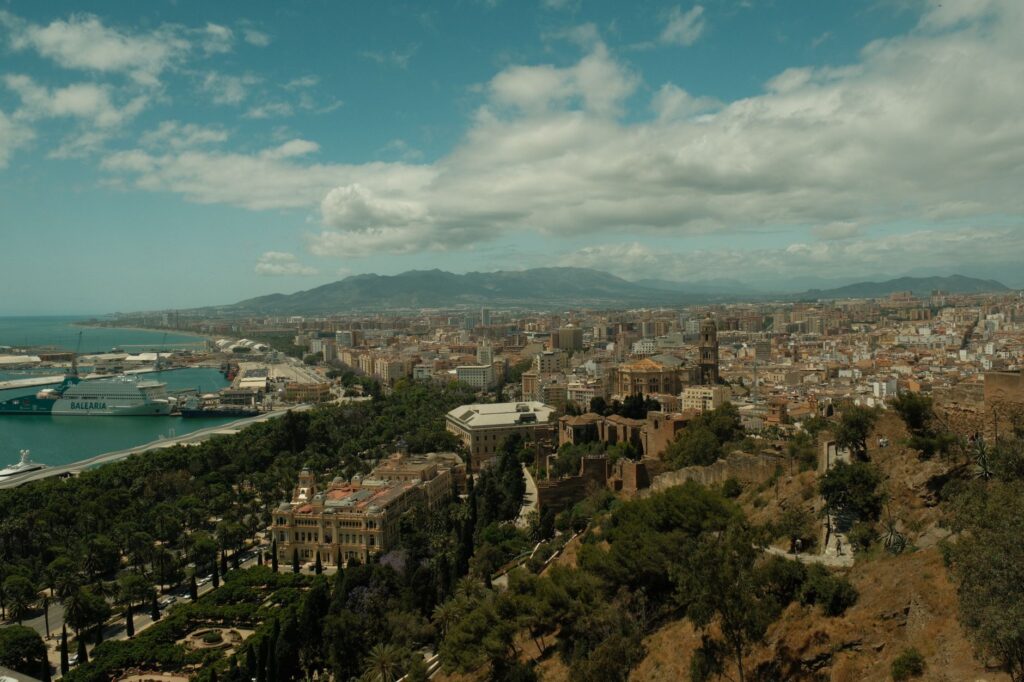
Malaga’s culinary transformation over the past decade stands out as one of the most fascinating case studies on the national scene. The capital of the Costa del Sol has transcended its reputation as a traditional sun-and-beach destination to establish itself as a gastronomic beacon where marine produce meets a vibrant fusion cuisine. The epicenter of this renaissance pulses around the historic port and the bustling Atarazanas Market, where stalls of fresh fish and subtropical fruits compete in color and aroma beneath a striking historic stained-glass window.
In Malaga’s tavern bars, the traditional sardine skewer remains a secular religion, but this ancient charcoal-grilling art is now complemented by fine dining proposals that reinterpret Andalusian heritage. Restaurants helmed by chef Dani Garcia or initiatives by emerging local talents have placed the province on the Michelin map without ever losing sight of popular roots. Here, the classic Malaga fried fish—crispy on the outside and juicy within—is served with the exact same pride as a sixteen-course tasting menu centered on almadraba red tuna and the harvest of the Axarquia region.
The subtropical pantry of Axarquia and the Mountains
The secret to Malaga’s success lies in its peculiar topography, which allows for the cultivation of mangoes, avocados, and cherimoyas just kilometers away from coves yielding exceptional seafood. This duality inspires dishes where exotic produce merges seamlessly with traditional maritime cooking. Local fishermen’s guilds and small-scale producers supply dining rooms daily that purposefully shun tourism standardization.
blockquote>Eating in Malaga today means understanding that the coast and the mountains do not turn their backs on each other, but instead converge on the plate with astonishing Mediterranean naturalness.
For travelers, exploring the pedestrian streets of the historic center reveals a network of taverns where sweet Malaga wine pairs effortlessly with seafood croquettes or perfectly emulsified antequerana porras. The experience is rounded out by an imaginative cocktail scene utilizing local citrus fruits to cap off an evening facing the Alboran Sea.
A Coruna: the Atlantic cathedral of raw produce
In the northwestern tip of the Iberian Peninsula, A Coruna stands as the unofficial capital of the world’s finest seafood. Battered by Atlantic storms and blessed with an extraordinarily rich continental shelf, the Galician city remains utterly devoted to its maritime facade. The San Agustin market and the stalls at Plaza de Lugo function as authentic sanctuaries where seafood is displayed with the solemnity of precious jewels, awaiting acquisition by both home cooks and the region’s most demanding chefs.
A Coruna’s culinary philosophy is rooted in radical honesty: here, the chef’s intervention typically seeks to respect the absolute integrity of the product. A barnacle boiled in the precise level of salinity, a freshly cooked spider crab, or wild turbot à la gallega prepared with a sizzling garlic and paprika drizzle are enough to justify a journey spanning thousands of kilometers. Yet the city has hardly ignored innovation; renovated taverns and Michelin-starred restaurants such as Luis Veira’s apply a contemporary lens to the Atlantic pantry.

Tapas hopping through Pescadería and the Old Town
Tapas hopping in A Coruna is an unavoidable social exercise. Streets like La Franja or the arcades of La Marina concentrate venues where drinks are routinely accompanied by a complimentary tapa—ranging from homemade empanada to steaming Galician broth—reflecting the land’s proverbial generosity. Coristanco potatoes, O Couto peppers, and designation-of-origin cheeses complete an inexhaustible culinary repertoire.
strong>Absolute respect for the biological cycle of marine species ensures that every season offers a distinct incentive to return.
Furthermore, the influence of historical emigration and trade has imbued local cooking with subtle transatlantic nuances, visible in the use of specific spices and the mastery with which blue fish are handled. Dining here is, ultimately, an act of communion with the indomitable force of the ocean.
Murcia: Europe’s vegetable garden transformed into haute cuisine
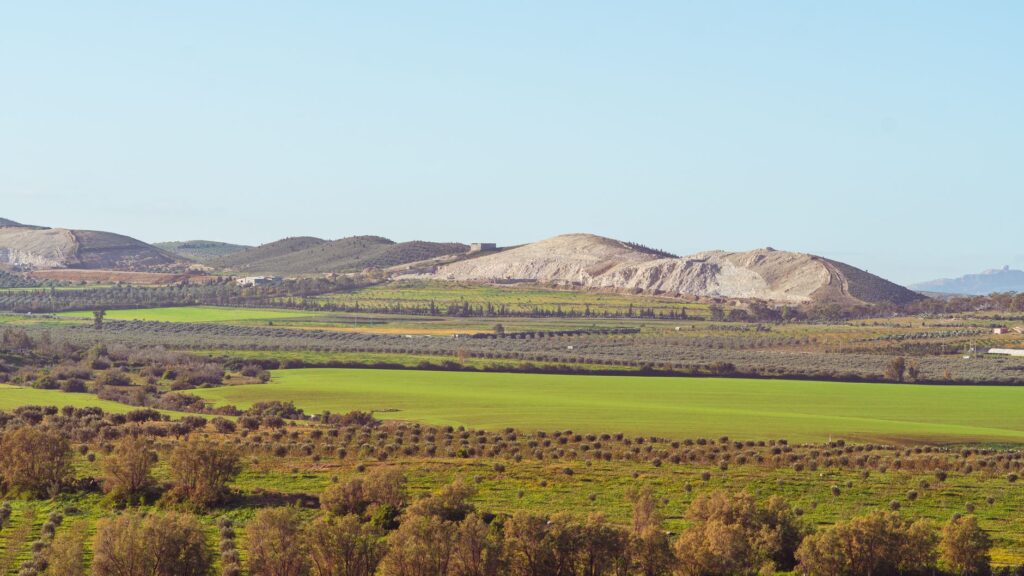
For decades, Murcian gastronomy bore the stigma of being largely unknown beyond its borders, unjustly reduced to the cliché of the local marinera tapa or the cierva pie. Today, that stereotype has shattered into a thousand pieces thanks to a generation of cooks who have elevated market-garden vegetables and Mar Menor treasures to the upper echelons of international cuisine. Murcia is, by its own right, one of the most potent pantries in Europe.
Restaurants such as Cabana Buenavista, led by chef Pablo Gonzalez-Conejero, have demonstrated that a seasonal tomato, a Vega del Segura artichoke, or corn can form the centerpiece of a gastronomic narrative as complex and thrilling as the finest game dish or highest-grade caviar. Technique is placed at the service of an arid land that bursts with life thanks to the ancient ingenuity of its irrigation systems.
The miracle of rice and the Mar Menor
The culture of rice in Murcia possesses unique nuances that set it apart from neighboring Valencia. Here, the supreme rulers are the Mar Menor caldero—a maritime fish stew made with nora pepper broth and rice—alongside variants featuring garden vegetables and rabbit. Each grain absorbs the intense character of a saline sea and a land tended with meticulous care across generations.
blockquote>Murcian cooking is definitive proof that water scarcity, far from impoverishing the table, stimulates unusual culinary creativity rooted in absolute utilization.
Tapas hopping around Plaza de las Flores or the cathedral surroundings allows visitors to sample everything from traditional paparajotes to more sophisticated preparations fusing market-garden traditions with Levantine and Manchego influences. It is a mandatory destination for those seeking robust flavors devoid of unnecessary artifice.
Logrono: the undisputed mecca of the bar tapa
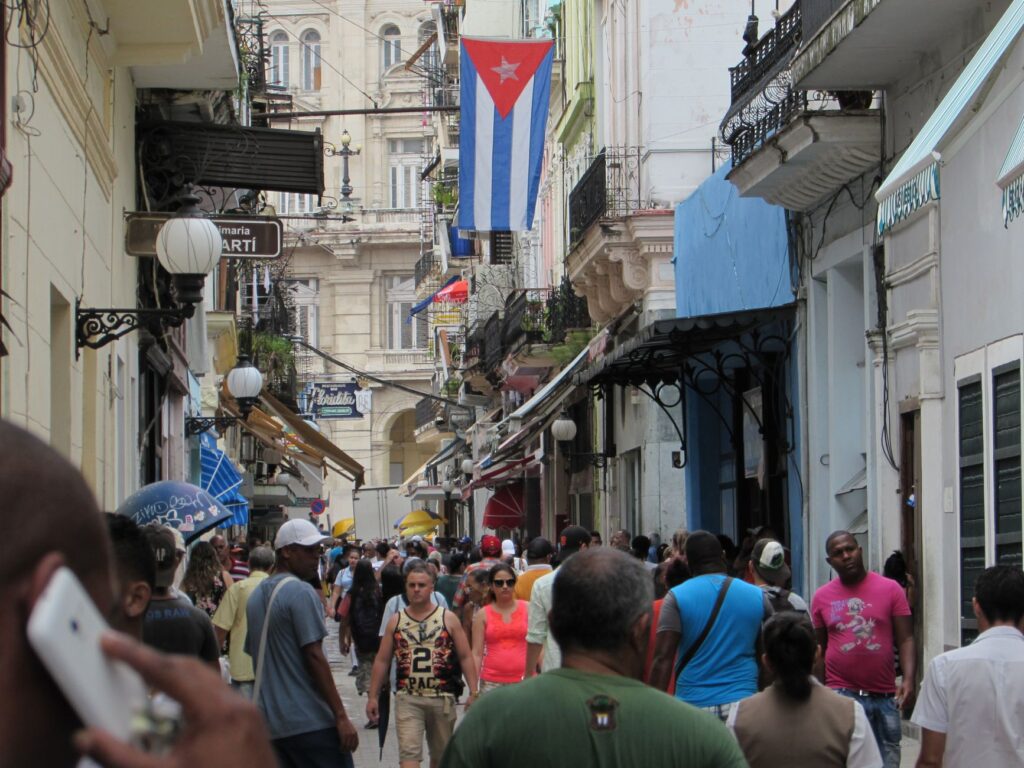
If there is a place in Spain where urban geography and gastronomy merge into a single sensory experience, that place is Logrono. The Riojan capital has turned the legendary Calle Laurel—and its smaller sibling, Calle Albornoz—into the global temple of standing tapas, a social ritual where hundreds of people drift from venue to venue in search of each house’s definitive specialty.
What is fascinating about Logrono is not merely the quality of its Rioja designation-of-origin wines, but the almost monomaniacal specialization of its bars. One venue serves exclusively grilled mushrooms with a secret sauce atop a slice of bread; the neighboring bar masters spicy potatoes with an exact kick of heat; another dedicates itself to crunchy pig’s ear skewers or hearty morsels known as cojonudos. All of this unfolds within an atmosphere of orderly, festive bustle.
Rioja beyond the pincho: interior heritage recipes
Although Calle Laurel commands headlines, Logrono’s culinary scene boasts a formidable backend grounded in traditional interior recipes. Fresh vegetable macedonias from the Ebro riverbank, white beans with quail, and vine-shoot lamb cutlets—cooked over the smoking embers of old grapevine roots—represent the pinnacle of pastoral and agricultural cooking.
strong>Wine here is never a mere accompaniment, but the guiding thread that structures the entire cultural and gastronomic experience of the city.
Restaurants in the historic quarter and residential districts combine this respect for tradition with urban wineries that invite diners to understand the nuances of Rioja Alavesa, Alta, and Oriental within a single menu.
Valladolid: the Castilian heartland between roast lamb and cellars
In the center of the Plateau, Valladolid acts as the undisputed capital of traditional Castilian roast cooking, yet it would be a severe error to reduce its culinary appeal to the classic quarter of churro roast lamb baked in an earthenware casserole. The city on the banks of the Pisuerga is experiencing a moment of effervescence thanks to its national tapas competition and a new wave of chefs who have lightened heavy traditional dishes without losing an ounce of identity.
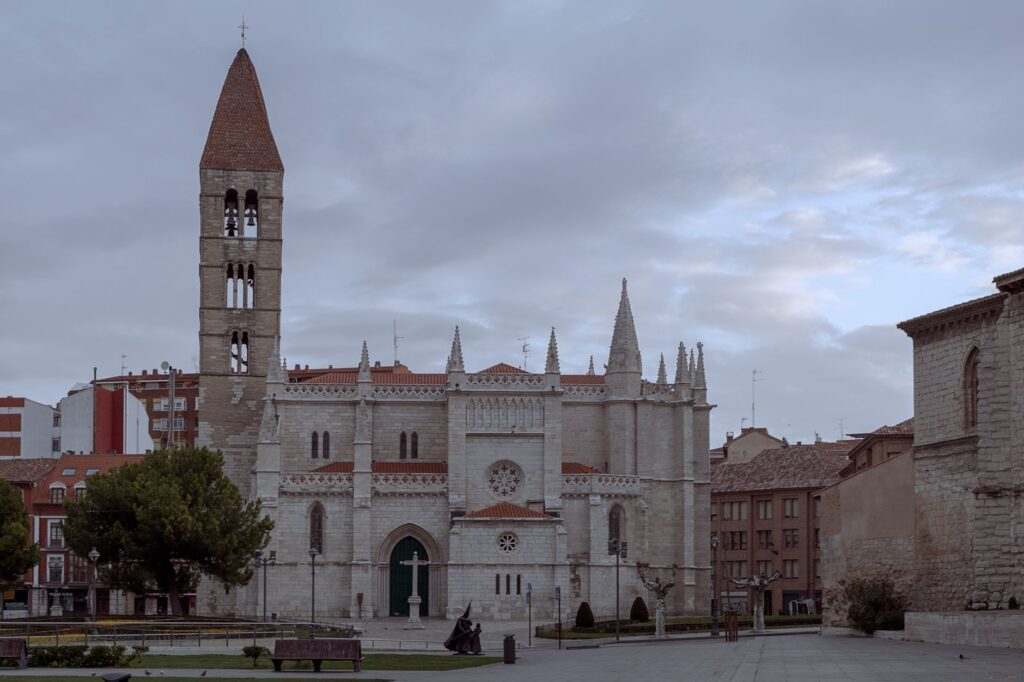
El Val market and historic squares witness a culinary landscape where meat coexists with legendary legumes such as La Granja white beans, pork butchery products, and the mycological treasures of nearby pine forests. Furthermore, the province encompasses up to five wine designations of origin—Ribera del Duero, Rueda, Cigales, Toro, and Leon—making Valladolid an authentic oenological powerhouse.
The tapa revolution and the modern pulse
During autumn, Valladolid transforms into the global showcase for small-format dining through its tapa contest, attracting chefs from across the country. This competition has breathed innovative spirit into lifelong neighborhood bars, which compete to offer miniature haute cuisine creations atop a traditional tavern counter.
The offering is rounded out by restaurants that reinterpret game products, artisanal sheep’s milk cheeses, and convent sweets, consolidating a proposal that balances Castilian sobriety with twenty-first-century agility.
Practical guide
To fully enjoy this gastronomic journey without complications, it is wise to keep certain logistical and cultural recommendations in mind. Each of these five cities possesses its own distinct rhythms that the savvy traveler must respect to avoid missing the best of each venue.
- Malaga: It is advisable to book weeks in advance at Michelin-starred restaurants and rise early to visit the Atarazanas Market before ten in the morning, when the produce reaches its peak visual expression and freshness.
- A Coruna: Tapas hopping in the Pescaderia district works best without prior reservations; let yourself be guided by the movement of locals and ask for the catch of the day at the Plaza de Lugo stalls.
- Murcia: The terraces of Plaza de las Flores are ideal for an aperitif, but for a deep gastronomic experience in the market gardens, renting a car and exploring neighboring municipalities is essential.
- Logrono: Calle Laurel is best enjoyed during vermouth hour (from 12:30 to 14:30) and in the evening (from 20:30 to 22:30). Avoid ordering complex dishes: focus on the unique specialty of each individual bar.
- Valladolid: Combine visits to traditional roast houses with a tour of the underground cellars in the historic center and set aside time to explore the bars participating in local tapas contests.
The flavor map of Spain today is an infinitely richer and more plural territory than it was two decades ago. Malaga, A Coruna, Murcia, Logroño, and Valladolid prove that excellence is not defined by urban size, but by respect for produce, collective memory, and creative courage. At the end of the journey, the diner understands that this country’s true wealth lies in its capacity to offer, within just a few kilometers, radically distinct culinary universes bound together by the exact same unwavering passion for good eating. Source: El Viajero in EL PAÍS.