
The Tourism Crossroads in Insular Landscapes
The prevailing tourism model across outermost regions and Atlantic archipelagoes faces an undeniable structural challenge. Overcrowding and the widening disconnect between visitors and local territories have historically eroded fragile environmental and socioeconomic balances. Amid climate urgency and demographic pressure, searching for alternatives is not merely an aesthetic choice; it represents an absolute prerequisite for economic and cultural survival. Rural island communities must transition toward frameworks where the region’s primary economic engine actively protects landscapes and preserves the dignity of farming livelihoods.
It is precisely under this premise of radical transformation that spaces for critical thinking and grassroots action emerge, such as the recent Buenavista Terrae conference held in the Tenerife municipality of Buenavista del Norte. This forum was never conceived as a conventional promotional trade show, but rather as a rigorous arena for debate and convergence among farmers, public administrators, academic researchers, and tourism operators committed to genuine sustainability. The core objective was demonstrating that tourism and regenerative agriculture can not only coexist, but must mutually reinforce one another to ensure long-term community well-being and authentic traveler experiences.
Agroecology: Cultivating Resilience Against Climate Change
Traditional and organic farming in insular settings confronts severe limitations stemming from insularity, water scarcity, and fierce competition for fertile land. However, throughout the Buenavista Terrae sessions, international and local experts highlighted how agroecology stands out as the most effective tool for mitigating climate change impacts. Unlike conventional intensive agriculture, which depends heavily on synthetic fertilizers and massive energy inputs, agroecological methods revive ancestral wisdom regarding terraced farming, crop rotation, and efficient water management.
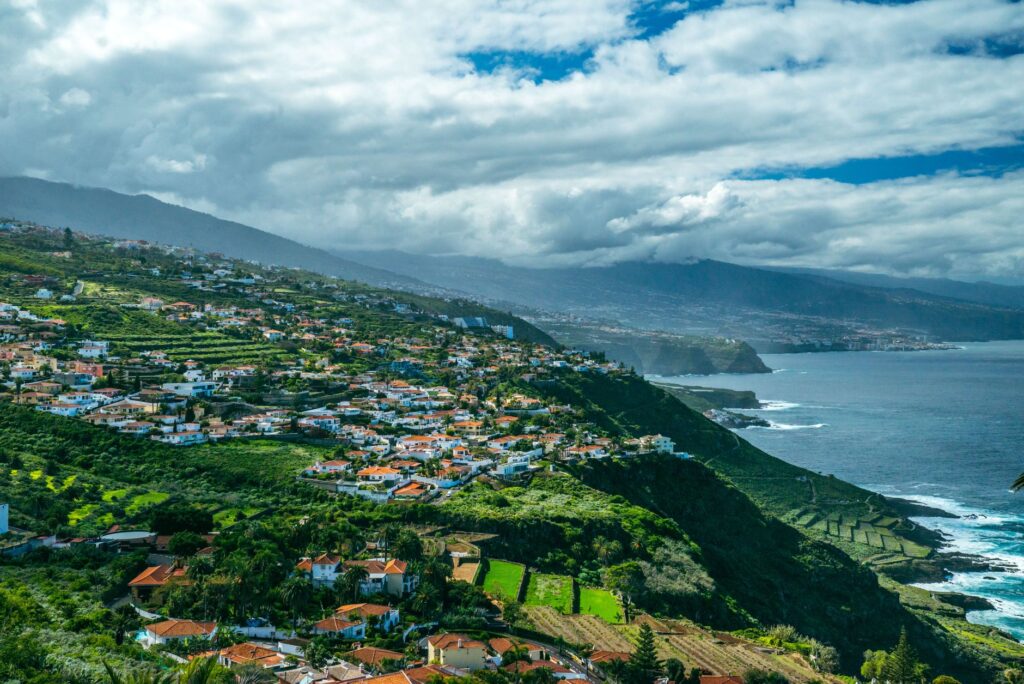
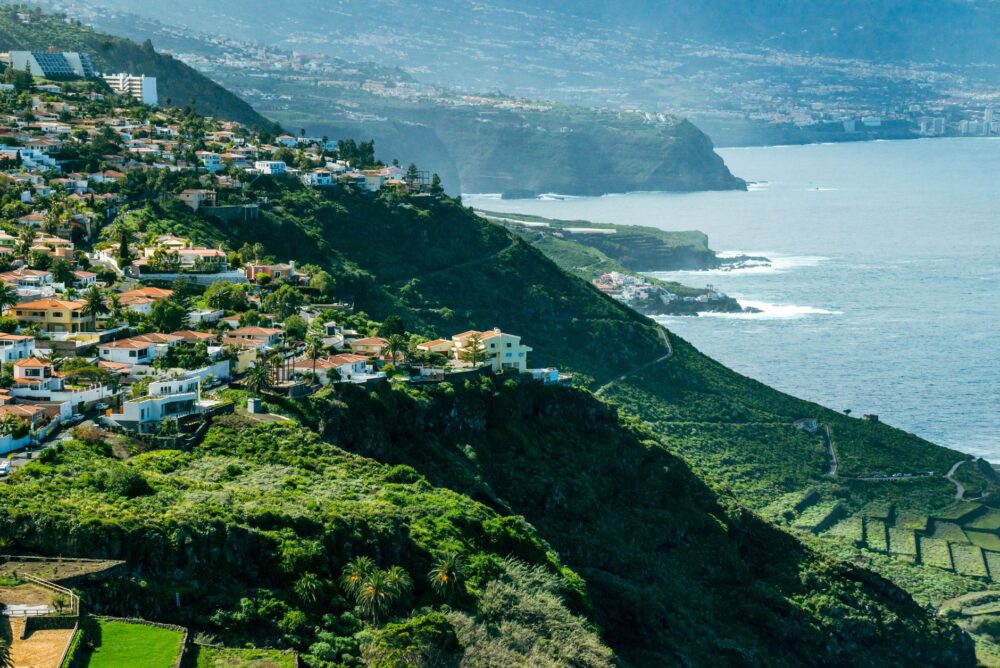
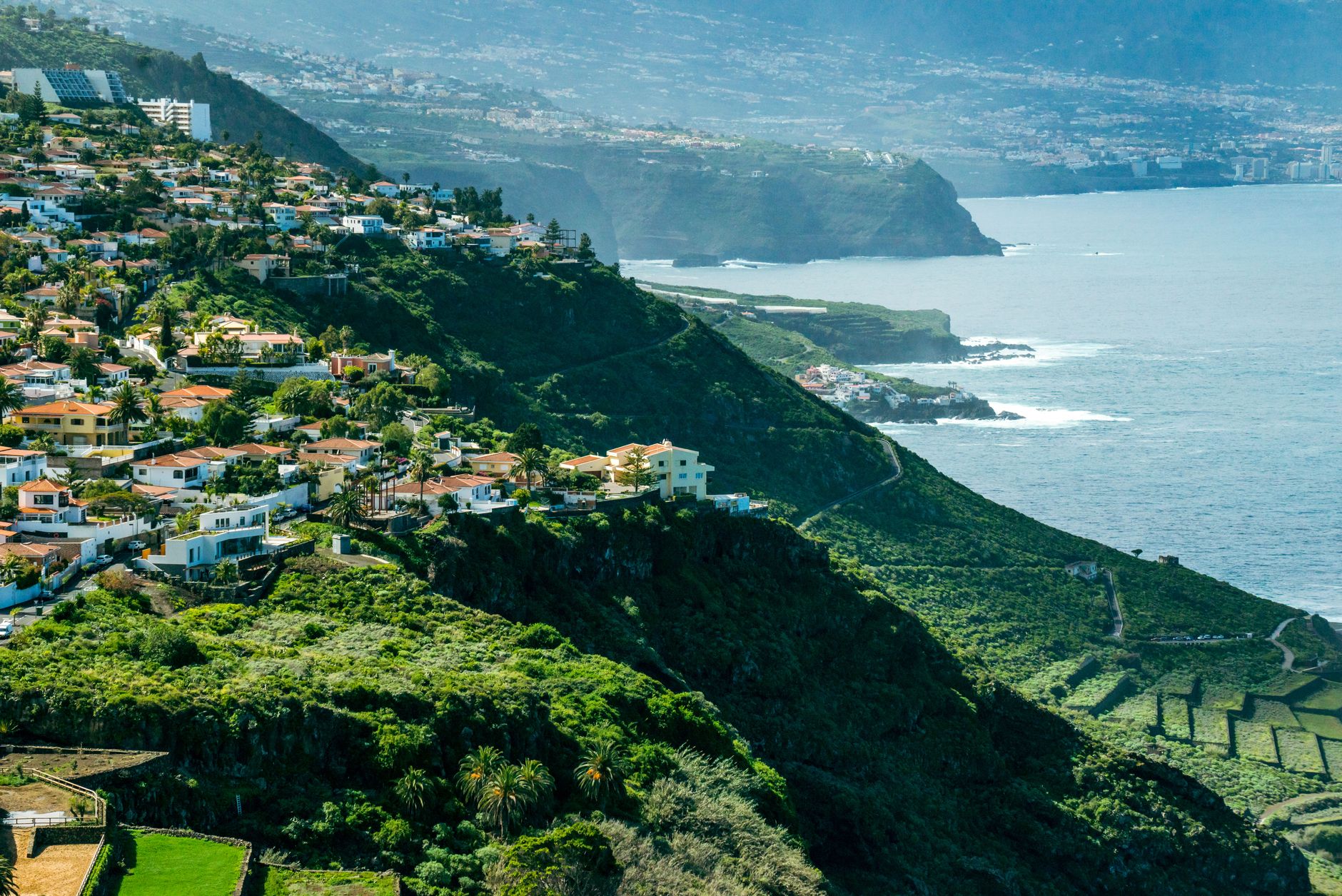
Living soil serves as the first line of defense against erosion and desertification in steep volcanic terrains like those found in northwestern Tenerife. Speakers emphasized that every farm managed under agroecological criteria functions as a sponge capable of retaining moisture, harboring endemic biodiversity, and sequestering atmospheric carbon. This vision extends far beyond producing healthy food; it constitutes a comprehensive spatial planning strategy that halts rural abandonment and prevents wildfires through the active maintenance of agricultural landscapes.
Food sovereignty is not merely deciding what we eat, but ensuring that those who work the land on islands have a secure, recognized, and dignified future.
The Invisible Bridge Between Farmer and Traveler
A central pillar of debate at Buenavista Terrae focused on the urgent need to bridge the physical and emotional gap between the primary sector and the tourism industry. For decades, large hotel resorts and mass-tourism catering operations have sourced provisions through sprawling global supply chains, importing foreign goods while local produce languished due to a lack of stable, profitable marketing channels. Dismantling this inertia demands political will, but above all, the creation of circular economy networks and short-chain distribution systems.
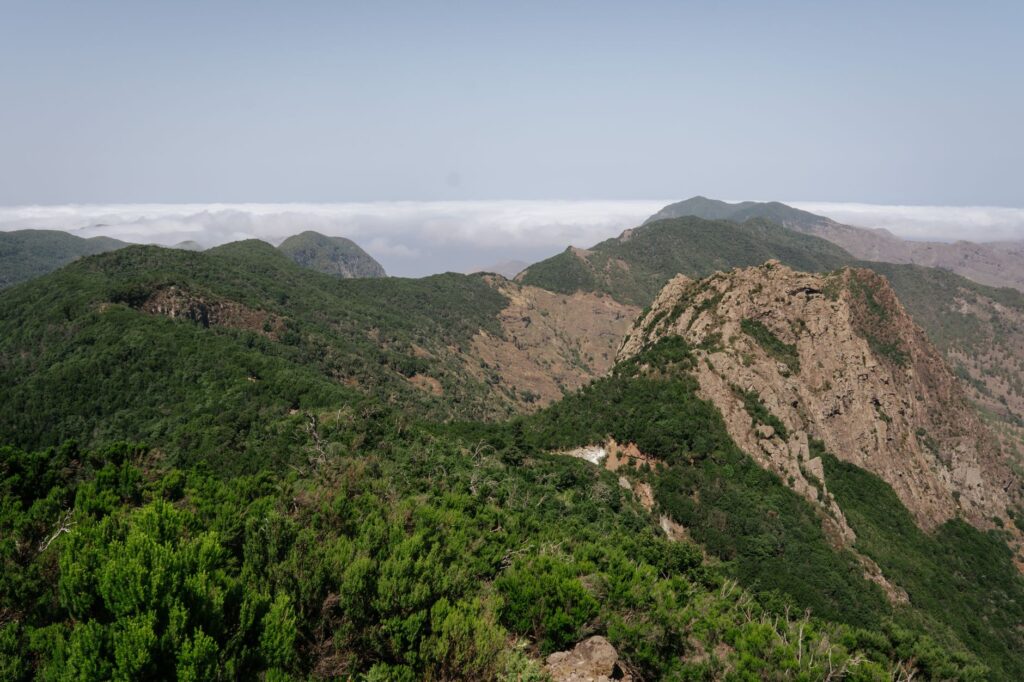
Sustainable tourism, according to the forum’s conclusions, must act as a megaphone and fair marketplace for local goods. When a visitor sits at a table and consumes heritage potatoes from Tenerife, artisanal raw-milk cheeses, or heroic viticulture wines cultivated on impossible slopes, they directly finance the preservation of island ethnographic heritage. The act of eating thus transforms into an exercise in environmental activism, where every consumed meal supports the continuity of traditional trades and prevents fields from turning into barren, lifeless wastelands.
Rural Heritage and Bioclimatic Architecture as Assets
The true value of a sustainable destination lies in its capacity to present itself honestly, devoid of artificial artifice or manufactured staging. Buenavista del Norte, nestled in the Daute region and crowned by the imposing cliffs of the Teno Rural Park, offers an exceptional canvas where traditional architecture engages in seamless harmony with the natural environment. Dry-stone walled farmhouses, ancient wine presses, windmills, and intricate networks of irrigation ditches and water channels form a unique cultural landscape that deserves preservation not as a museum piece, but as a living habitat.
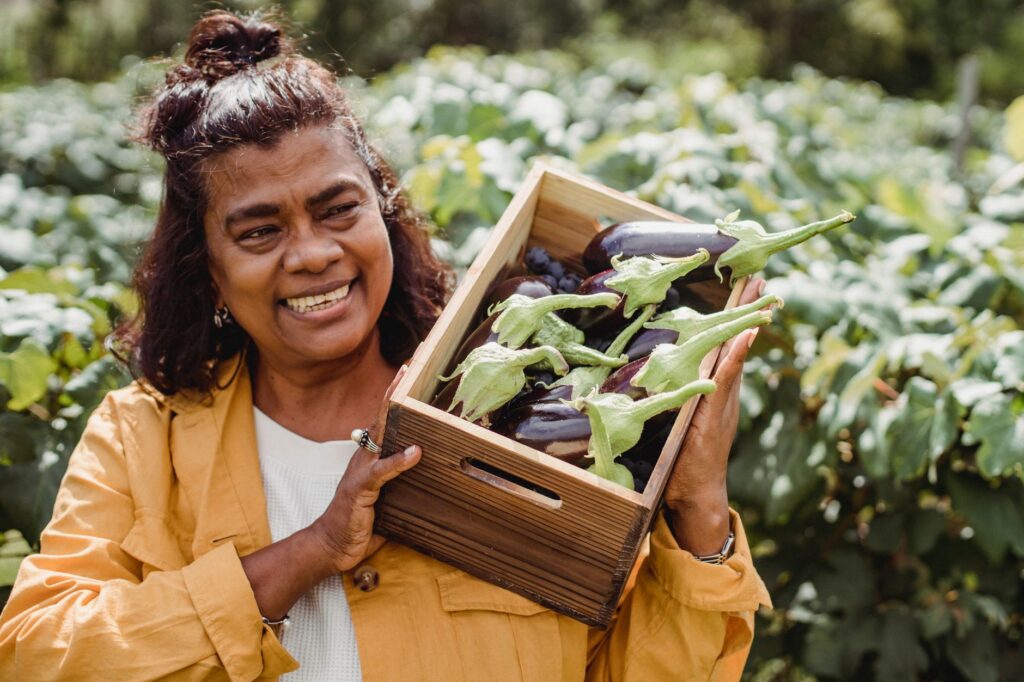
Architects and urban planners attending the conference insisted that the recovery of this built heritage must not be understood through exclusive touristification, but rather via residential use and small-scale or diffused lodging. Encouraging visitor stays in rural homes rehabilitated under energy-efficiency standards and using indigenous materials distributes wealth capillarily across rural neighborhoods, invigorating grocery stores, small artisan workshops, and local taverns that might otherwise face closure.
Institutional Challenges and Participatory Governance
No transition toward environmentally respectful tourism models can materialize without a courageous regulatory framework and genuinely participatory governance. During the Buenavista Terrae panel discussions, representatives from various local administrations debated the complexity of implementing tourism degrowth policies and land-use planning in geographically restricted territories. Real estate speculation pressure and bureaucratic sluggishness remain the primary obstacles to consolidating effective protection figures and direct support for agriculture.
Public participation serves as the thermometer measuring the democratic health of any sustainability policy. Speakers stressed the urgency of integrating environmental groups, agricultural unions, neighborhood associations, and small business owners into strategic decision-making. Sustainable tourism cannot be designed in offices far removed from insular reality; it must be built from the ground up, listening to the historical demands of those who inhabit the territory three hundred and sixty-five days a year and directly endure the consequences of overcrowding.
The Transformative Role of Environmental Education
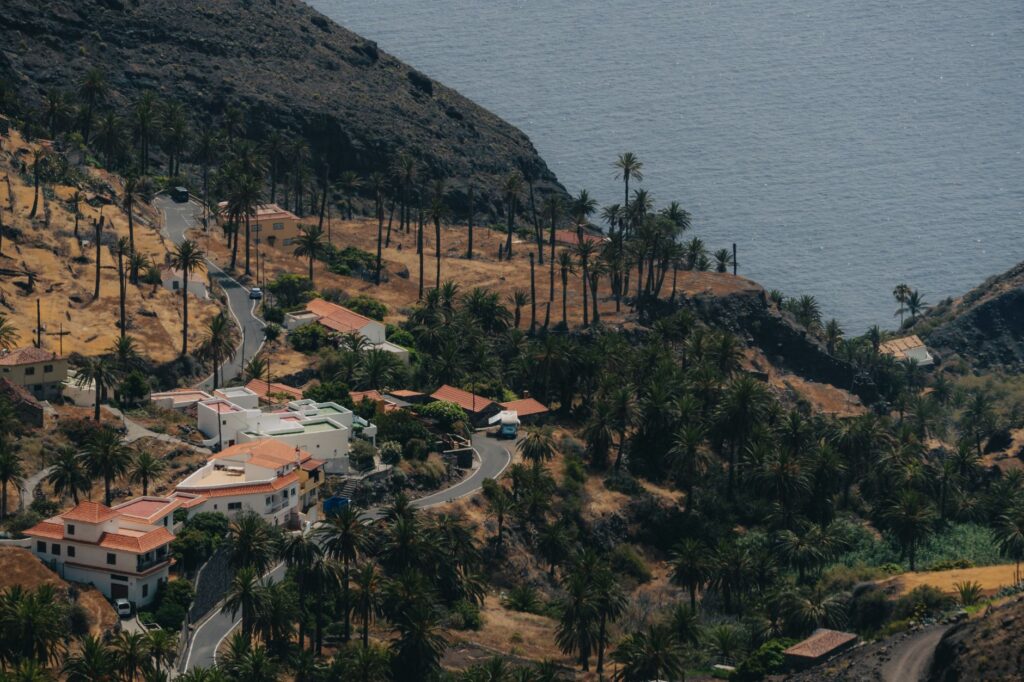
Transforming the mindset of contemporary travelers requires innovative pedagogical strategies that go far beyond traditional informational brochures or superficial institutional awareness campaigns. Buenavista Terrae showcased pioneering educational ecotourism experiences where visitors actively participate in local honey tasting workshops, native plant reforestation days, or practical regenerative agriculture courses alongside local farmers themselves.
This pedagogical approach turns tourists into active, conscious subjects capable of grasping the ecological complexity of the territory they visit. When travelers understand the titanic effort required to cultivate volcanic terraces beaten by trade winds, their behavior changes radically: they reduce their water footprint, respect the silence of natural surroundings, and value authenticity over ephemeral, standardized luxury. Education thus establishes itself as the most profitable investment to ensure peaceful coexistence between residents and visitors.
Educating visitors is not about imposing restrictive rules, but equipping them with the sensitivity to understand that every corner they step on is a community’s fragile home.
Practical guide
- How to get there: Buenavista del Norte is located at the northwestern tip of Tenerife. From Tenerife North Airport (FN), the car drive via the TF-5 highway takes approximately one hour. By public transport, Titsa bus line 363 connects Puerto de la Cruz with Buenavista.
- When to visit: Spring and autumn offer mild temperatures ideal for hiking the trails of the Teno Rural Park and enjoying agricultural activities without crowds.
- Sustainable accommodation: Choose small rural guesthouses integrated into the historic center or the hamlets of Teno Alto, managed by local families applying energy efficiency and waste management criteria.
- Gastronomy and markets: Visit the Buenavista municipal market and local shops to purchase zero-kilometer products such as artisanal goat cheeses, organic avocados, and local wines with protected designation of origin.
- Code of conduct: Respect official marked trails, avoid disturbing dry-stone walls, leave no litter, and always consume locally sourced products to support the local agrarian economy.

The Memory of the Land as a Final Legacy
As evening falls, when the golden Atlantic light bathes the cliffs of Los Gigantes and the constant murmur of the sea embraces the terraced fields, the essence of Buenavista Terrae acquires a profoundly human dimension. Sustainability is neither a commercial label nor an advertising slogan printed on glossy brochures; it is the subtle heartbeat of a community refusing to lose its identity amidst the uniform tide of global tourism. In every seed saved for the next harvest, in every weather-beaten hand teaching the ancestral art of tilling volcanic soil, and in every traveler returning home with a perspective transformed by respect, lies irrefutable proof that another kind of tourism is possible, urgent, and deeply necessary.
Source in EN: La Voz Canaria