
A perspective that pierces the Asian surface
Traveling to Vietnam requires shedding the prefabricated expectations projected by mass tourism agencies. Over the past decade, this Southeast Asian nation has undergone a dizzying transformation, integrating its turbulent historical past with a dynamic market economy that is remarkably open to the outside world. For the international traveler, the cultural shock lies not solely in the language barrier or the frantic traffic chaos of its metropolises, but in the subtle complexity of its social codes.
Understanding Vietnam entails deciphering a society where collectivism coexists with the sharpest commercial pragmatism. Local authorities and official media outlets, such as Vietnam.vn, constantly insist on the need for visitors to familiarize themselves with local regulations and the strict respect for the country’s sovereignty and customs. Far from constituting mere bureaucratic warnings, these guidelines are the necessary threshold to avoid diplomatic misunderstandings, administrative penalties, or vulnerable situations during the stay.
The legal framework and migratory documentation
The first challenge for any international traveler begins before boarding the plane. Visa procedures have undergone notable modifications aimed at expediting tourist arrivals, often allowing prior electronic visa (e-visa) processing with extended stays. However, Vietnamese authorities are exceedingly strict regarding passport validity, requiring a minimum remaining validity of six months from the entry date into the country.
Likewise, local legislation obliges foreigners to keep their documentation in order at all times and to register their stay in authorized accommodations. Hotels and guesthouses are legally required to report the presence of foreign guests to the local police within the first twenty-four hours. Ignoring this protocol not only generates administrative complications for the establishment but can also lead to untimely inspections for the traveler.
Public safety and institutional respect
Vietnam stands out globally as one of the safest destinations for travelers in terms of violent crime. Physical crime rates against foreigners are exceptionally low, allowing visitors to explore much of the country on foot even during nighttime hours without major incidents. Nevertheless, this general tranquility should not be mistaken for a total absence of risks, with petty theft and urban scams remaining the primary daily concerns.
Respect for Vietnamese institutions and patriotic symbols is non-negotiable; any public display of contempt toward authorities or the flag can lead to immediate detention and expedited judicial proceedings.
True rigor in Vietnam manifests within its legal and political system. Laws concerning state security, digital platform defamation, and participation in unauthorized political activities are uncompromising. Foreign visitors are subject to local jurisdiction and enjoy no special privileges due to their tourist status. Digital precautions, such as avoiding critical opinions about the government on social networks while on national territory, are elementary measures of prudence.
The traffic phenomenon and urban mobility
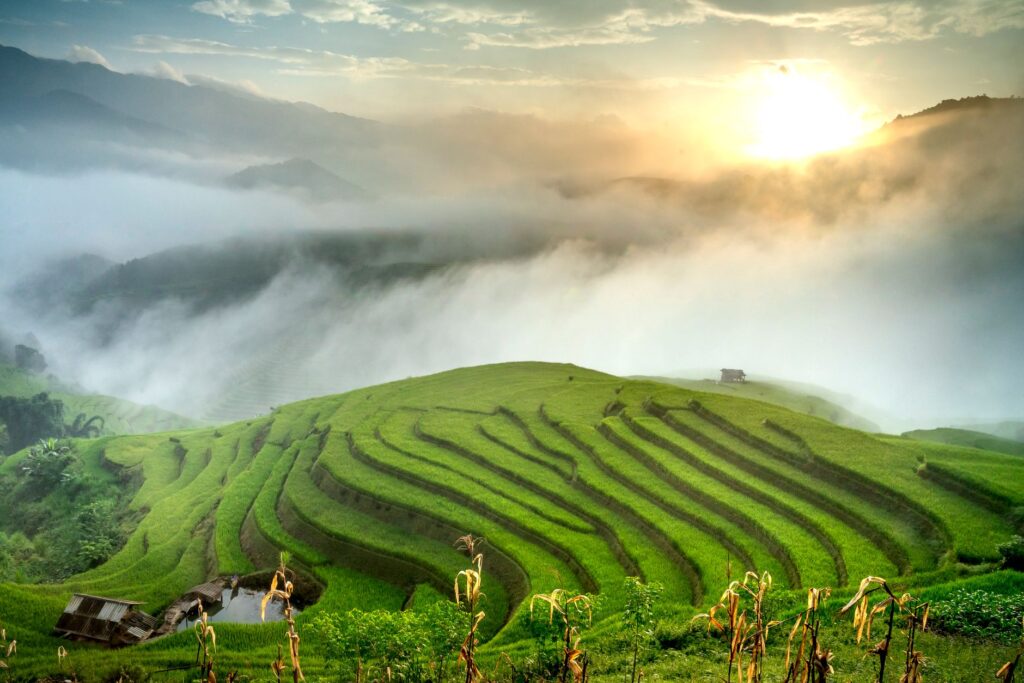
Immersing oneself in the streets of Hanoi or Ho Chi Minh City represents one of the most intense sensory experiences of the journey. Millions of motorcycles move in a seemingly chaotic flow yet endowed with an unshakeable internal logic. Crossing the roadway as a pedestrian requires a blend of boldness and composure: the golden rule is to walk at a steady, predictable pace without sudden movements, allowing drivers to calculate the trajectory.
For medium and long-distance travel, the railway network and sleeper buses offer economical alternatives, though punctuality can be affected by infrastructure under constant modernization. The use of ride-hailing apps for motorcycles or private vehicles has become widespread, bringing transparency to fares. However, it is vital to always verify that the driver is properly identified and that the vehicle meets basic road safety standards.
Economy, currency, and the art of bargaining
The Vietnamese economy revolves around the dong (VND), a currency with a high nominal denomination that often bewilders newcomers. ATMs are ubiquitous in cities, but cash remains essential in traditional markets, small rural shops, and informal urban transport. Credit cards are widely accepted in hotels, mid-range restaurants, and large supermarkets, though it is prudent to verify the fees charged by issuing banks.
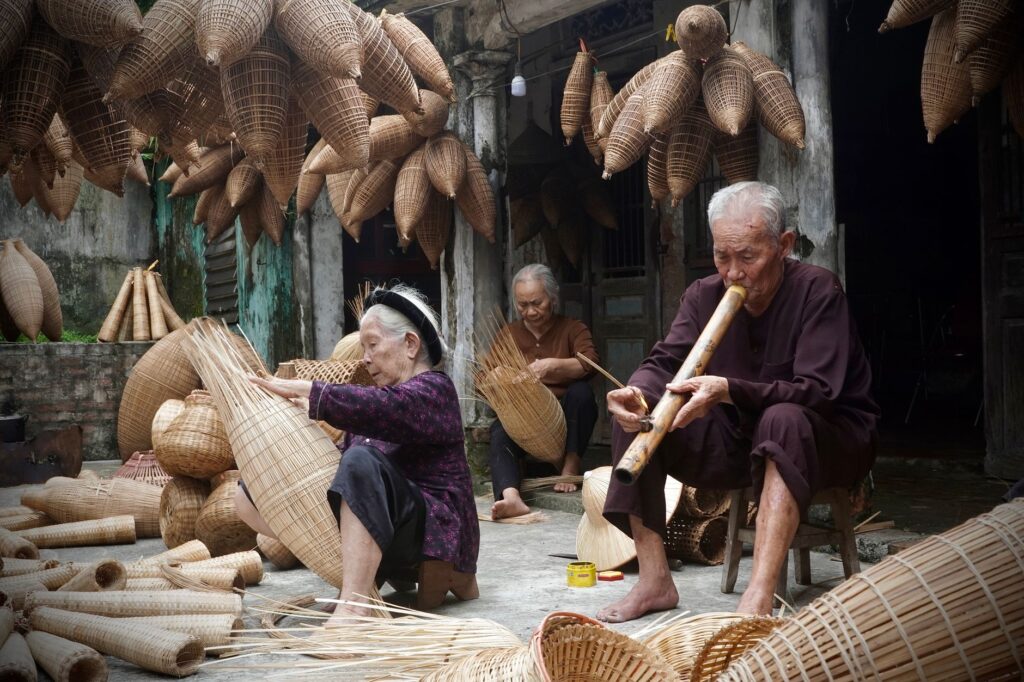
Bargaining is part of the commercial fabric in open markets, but it must be understood as a cultural and social exchange, never as an aggressive confrontation. Local authorities and merchants value a friendly demeanor and a smile above intransigence. Arguing over cents makes little sense when for the local economy that margin may represent a basic livelihood, making the balance between fair negotiation and generosity the smartest approach.
Etiquette in sacred spaces and rural areas
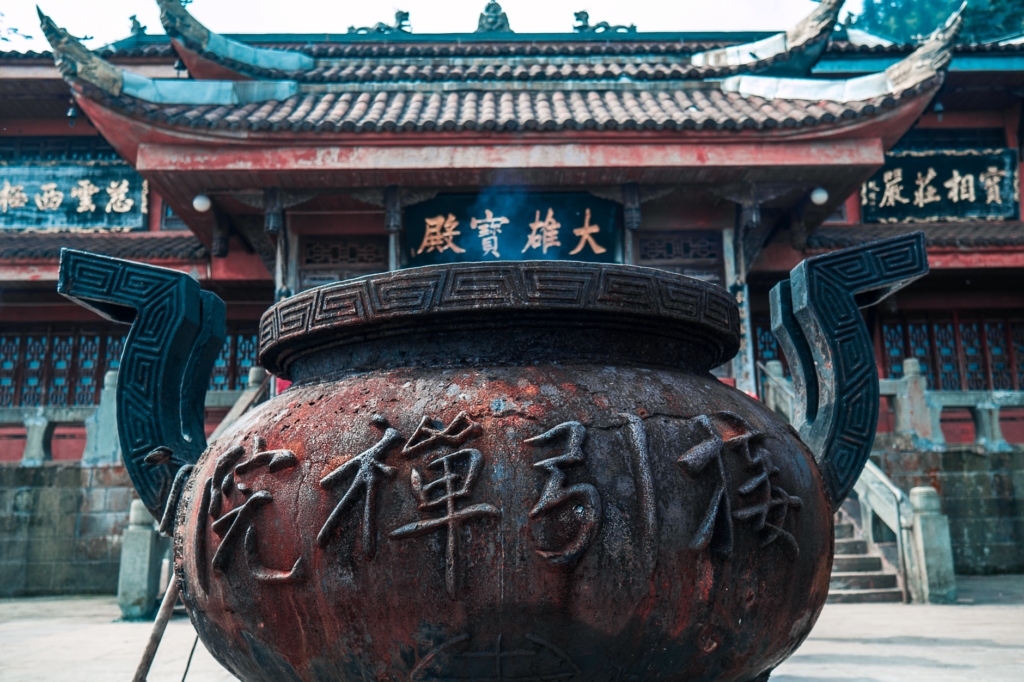
Religious syncretism in Vietnam combines elements of Mahayana Buddhism, Confucianism, Taoism, and folk beliefs. Temples, pagodas, and shrines are living spaces of devotion that demand a rigorous code of conduct. Visitors must dress modestly, covering shoulders and knees, and remove their footwear upon entering main prayer halls. Touching sacred statues or adopting disrespectful postures for photographs is strictly discouraged.
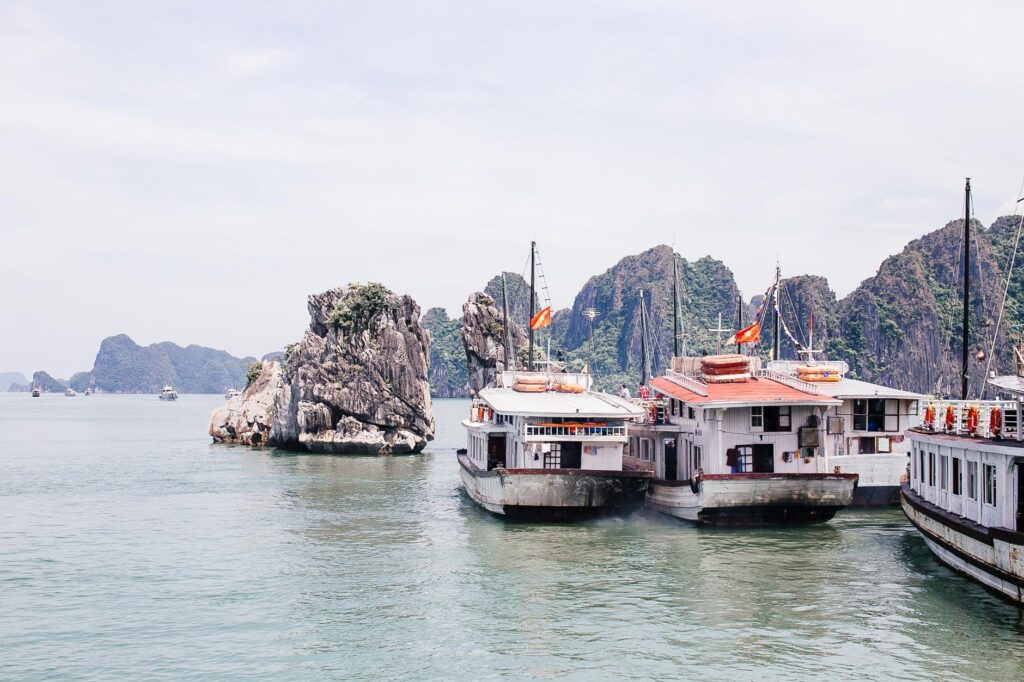
In rural areas and ethnic minority communities of the northern mountain regions, courtesy norms vary subtly. Asking permission before photographing individuals, especially the elderly and children, is an elementary display of respect. Likewise, entering traditional homes without an explicit invitation or ignoring local taboos related to domestic altars can deeply wound the hosts’ sensitivities.
Street gastronomy: pleasure and sanitary prudence
Vietnamese cuisine is globally recognized for its freshness, flavor balance, and masterful use of aromatic herbs. From the iconic pho to fresh spring rolls, the culinary experience is a fundamental pillar of the journey. Eating at street food stalls is not only economical but constitutes a direct immersion in the social life of the country, where the street functions as an open-air community dining room.
Nevertheless, sanitary prudence is essential. It is recommended to select stalls with a high turnover of local customers, which guarantees ingredient freshness. Water consumption should be strictly limited to bottled or purified water, avoiding ice cubes of dubious origin. Maintaining adequate hand hygiene and carrying basic medication for gastrointestinal disorders prevents a food setback from ruining the itinerary.
Practical guide
- Visas and passport: Verify the six-month minimum passport validity and process the official e-visa through authorized government channels prior to departure.
- Currency and payments: Always carry a reserve of cash dong for small shops and use cards at formal establishments, notifying your bank about international travel.
- Connectivity: Purchase a local eSIM or a physical card from official operators at the airport to guarantee stable mobile data and access to transport apps.
- Health and safety: Hire travel insurance with comprehensive medical coverage, vaccinate according to current health recommendations, and avoid tap water consumption.
- Social norms: Dress respectfully in temples and pagodas, maintain discretion regarding political topics, and strictly obey local laws on drugs and public safety.
The human heartbeat and the conscious traveler’s epilogue
At the end of the journey, beyond migratory statistics and administrative precautions, Vietnam reveals itself through the glances, silences, and resilience of its people. Every sunrise over the terraced rice fields of Sapa or across the tranquil waters of Ha Long Bay reminds us that true travel happens in the visitor’s capacity to listen. Vietnamese hospitality is not a tourist commodity, but a deeply rooted cultural legacy that rewards the patient traveler with moments of genuine human connection.
Accepting local rules, understanding the weight of recent history, and navigating streets with humility transforms the experience into enduring learning. Vietnam is not limited to being visited; it is inhabited with open senses, recognizing that every restriction and practical tip is ultimately a bridge built to protect and honor the authenticity of a country marching firmly toward the future.
Source: Vietnam.vn (https://news.google.com/rss/articles/CBMifkFVX3lxTE0wZzRpUWFCbTJVRktDMzVjZEtxbWdla0dmWTM0aGNKeVJEcVhlRklCSVQtdC1yNTJsQUNUN3B1d29mUk05MWcwc3JRSFlZbzQwQkEteUV0Q1JUSUpmNHJvZ1NESWNjanAxelNQeXB4SUNDckwtVWlkV2tuT2Q1QQ?oc=5)