
Introduction to the Mountain Colossus
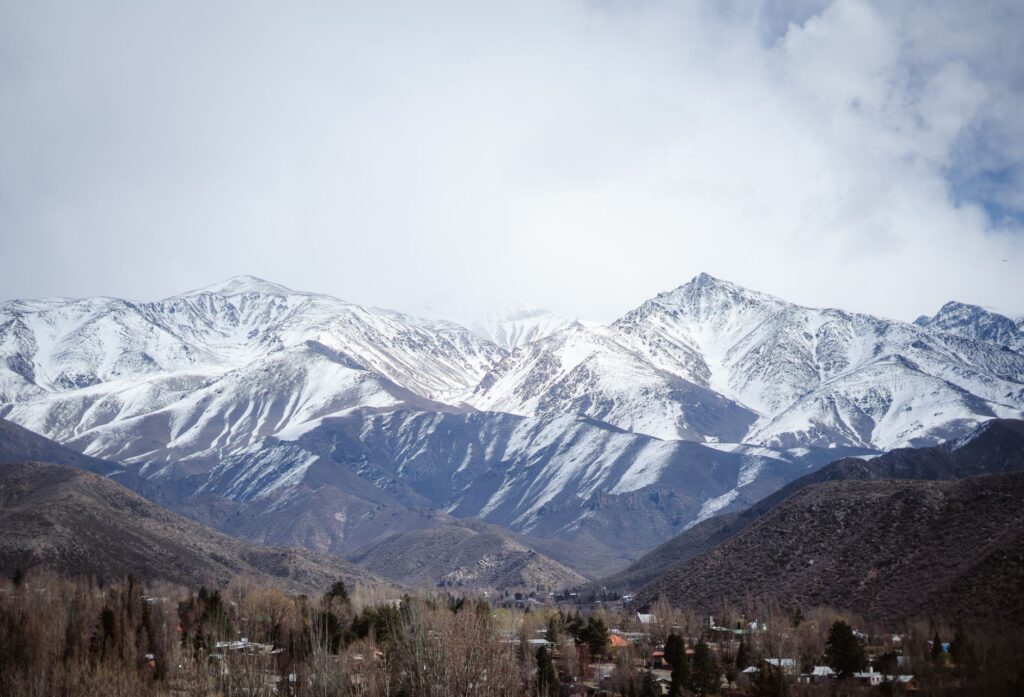
At the dawn of the 20th century, the audacity of civil engineering met the most imposing rock wall in the Western Hemisphere: the Andes mountain range. The Trans-Andean Railway, popularly known as the Train of the Andes, was not merely a communication route between Argentina and Chile; it represented a monumental triumph over the abyss, snowstorms, and extreme high-altitude mountain passes. For decades, this narrow-gauge railway line featuring a rack-and-pinion system demonstrated that international transport could defy the continent’s highest peaks, connecting the Atlantic with the Pacific through a corridor of rock, ice, and kilometer-long tunnels.
Today, although the main tracks remain silent following the definitive suspension of passenger and freight services in the late seventies, the traces of its infrastructure continue to captivate historians, engineers, and travelers eager to understand the logistical complexities that shaped the Southern Cone. This report examines the technical genesis, construction challenges, and heritage value of a layout that transformed the economic geography of the region.
The Genesis of a Bi-Oceanic Dream
The idea of uniting the ports of Buenos Aires and Valparaíso via a transcontinental railway began to take shape in the mid-19th century. Chilean and Argentine visionaries understood that foreign trade could not depend exclusively on costly maritime routes around Cape Horn or slow mule treks across the Uspallata Pass. The Clark family, railway entrepreneurs of extensive trajectory, assumed the titanic challenge of projecting a route ascending from the arid Mendoza foothills up to the snow-capped border peaks.
The project required a massive injection of British capital and meticulous bilateral diplomacy. Engineers had to overcome slopes impossible for simple adhesion, which forced the adoption of the Abt-type rack system in the steepest sections. Construction officially began in the 1880s, facing extreme weather conditions that paralyzed work during the long winter months, when sub-zero temperatures and gale-force winds tested human and material endurance.
High-Mountain Engineering and the Rack System
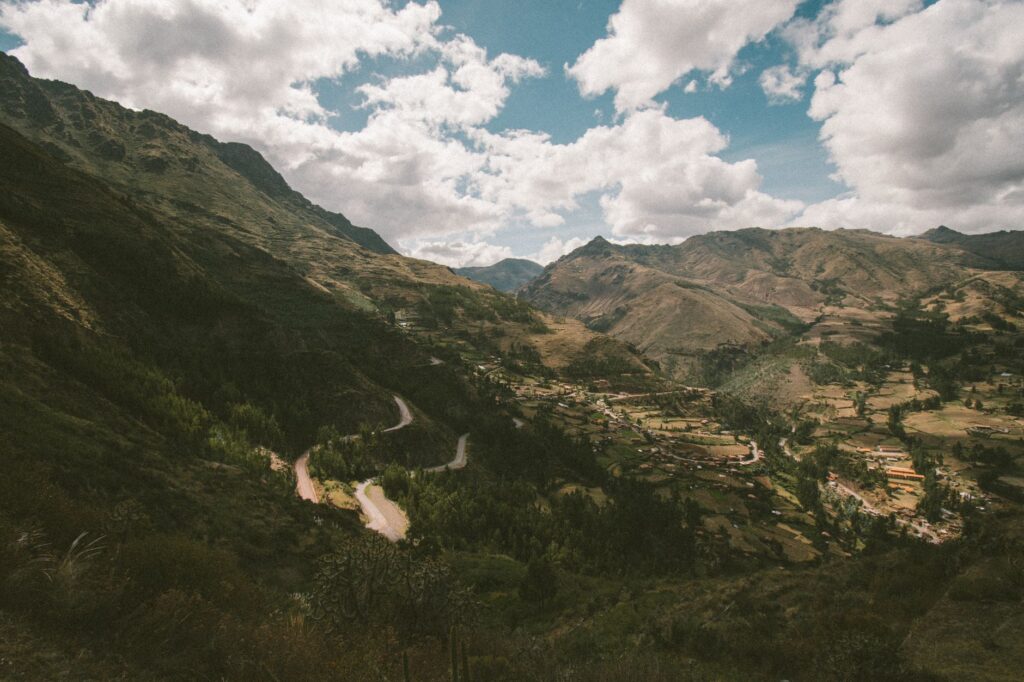
Overcoming elevation gains exceeding 3,000 meters above sea level required exceptional technical solutions. Between the Mendocinian town of Las Cuevas and the Chilean station of Caracoles, the line reached its maximum elevation through an unprecedented display of mechanical engineering in Latin America. The special steam locomotives incorporated toothed wheels that firmly engaged a central bar placed between the rails, allowing heavy convoys to be hauled on gradients of up to 8 percent.
Metal lattice bridges were another major structural milestone. Designed to withstand both the weight of trains and the violent onslaught of seasonal avalanches and thaws, these structures were prefabricated in Europe, shipped overseas, and then assembled by hand in inaccessible canyons. The millimeter precision with which curvature radii were calculated allowed the train to wind through narrow gorges where the margin for error was literally a vertical abyss.
The roar of the rack locomotives echoing against the granite walls of the Uspallata Pass symbolized the fleeting victory of industrial technology over the untamed nature of the Andes.
Maintaining this infrastructure was a titanic task of ongoing logistics. Crews of workers were stationed in high-altitude camps year-round, clearing accumulated snow with shovels and drills, and repairing damage caused by rockfalls and recurring earthquakes in one of the most seismically active zones on the planet.
The International Summit Tunnel: Darkness and Border
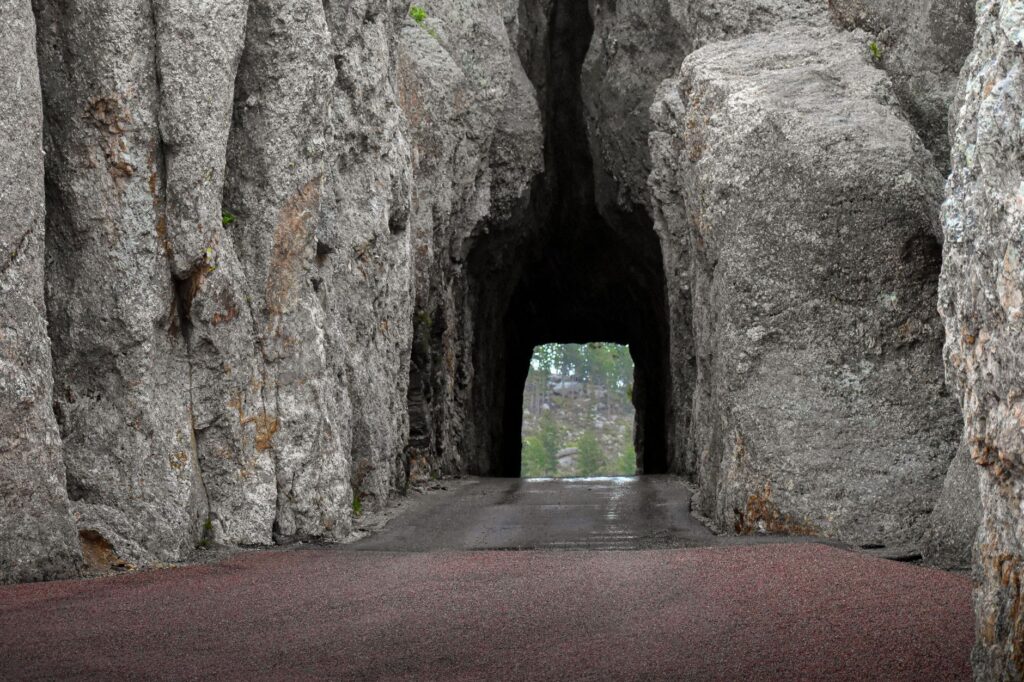
The culminating point of the Trans-Andean Railway journey was the International Summit Tunnel, excavated right beneath the border line at an altitude of 3,187 meters. Stretching over three kilometers in length, this underground conduit represented one of the most dangerous excavation projects in the world at the time, due to constant freezing water seepage, gas pockets, and the extreme difficulty of ventilating steam locomotive smoke within.
Drilling was carried out simultaneously from the Argentine and Chilean fronts. Topographical engineers had to perform complex trigonometric calculations during snowstorms to ensure that both tunnels met at the exact center of the mountain. When dynamite charges finally blasted through the last rock wall in 1909, the physical union between both nations was symbolically consummated, allowing passengers and goods to cross the cordillera in a matter of hours instead of weeks.
The official inauguration of the complete service, held in April 1910, was attended by senior authorities from both countries. However, the operation of the tunnel was always conditioned by harsh climatic realities; winter avalanches frequently blocked the access portals, isolating entire sections and forcing passengers to make transfers under conditions of extreme thermal vulnerability.
Operational Logistics and Impact on Regional Trade
Beyond the technical feat, the Trans-Andean Railway reshaped the economy of the Southern Cone by expediting the exchange of agricultural products, minerals, and manufactured goods. Mendoza’s wineries found a fast, direct route to export their wines to Pacific ports, while Chile supplied the Argentine market with copper and other essential mineral resources for the industrial development of Buenos Aires and Rosario.
Operational management required flawless binational coordination. Administrative differences between narrow-gauge railways on both sides of the cordillera required methodical transfer stations in Las Cuevas and Juncal. There, cargo and passengers had to change formations under strict customs and immigration controls, a process that anticipated modern multimodal models of border integration.
However, high vulnerability to storm disruptions and high maintenance costs precipitated its financial decline as motorized transport over paved roads gained ground in the second half of the 20th century. The lack of sustained state investment to modernize the infrastructure sealed the fate of regular service.
Railway Heritage and Contemporary Revaluation
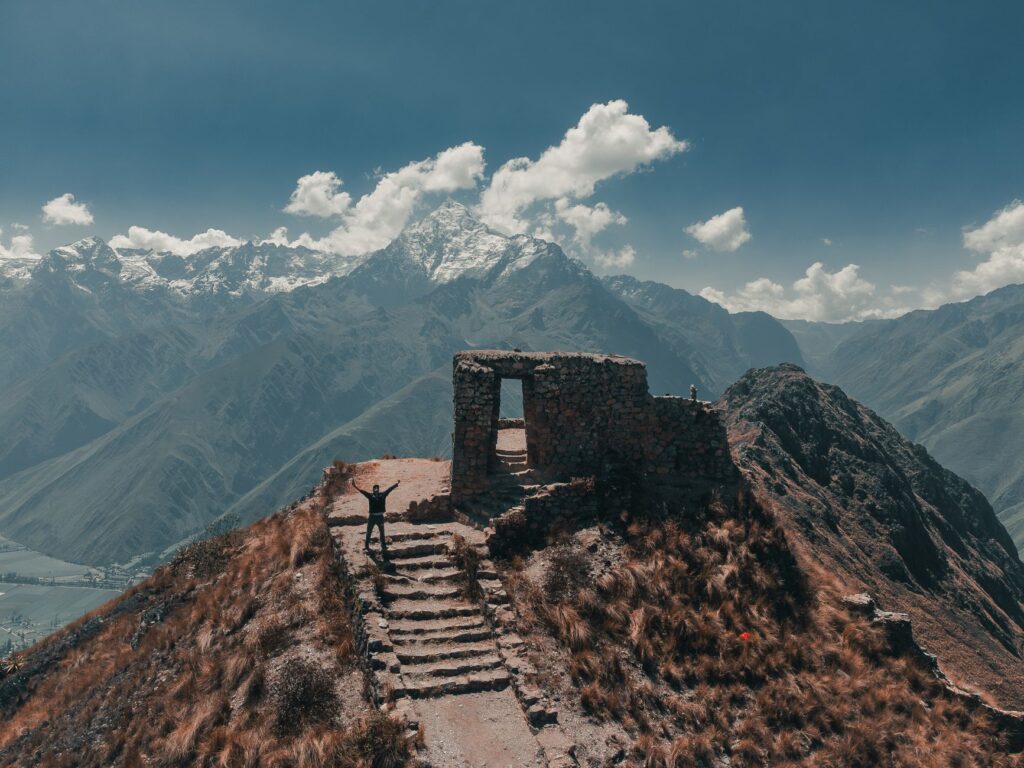
Today, the vestiges of the Trans-Andean Railway constitute a valuable open-air museum. Abandoned stations such as Las Cuevas, Puente del Inca, and Las Cuevas preserve the architectural imprint of the early 20th century, with their solid stone walls and gabled roofs designed to withstand the weight of snow. Twisted rails, remnants of old bridges, and the sealed mouth of the Summit Tunnel attract hikers and industrial archaeology specialists.
Heritage organizations and local governments periodically promote initiatives to restore specific sections and encourage high-mountain historical tourism. Understanding this legacy not only honors the thousands of Chilean, Argentine, European, and other workers who sacrificed their health and lives on the Andean slopes, but also offers fundamental lessons regarding the viability and limits of transport infrastructure in extreme natural environments.
Practical guide
Planning a visit to the vestiges of the Trans-Andean Railway requires logistical rigor, respect for the natural environment, and preparation for high-mountain conditions. Below are the essential recommendations for traveling along National Route 7 in the province of Mendoza up to the international border.
How to get there: The main starting point is the city of Mendoza. It is recommended to rent a vehicle suitable for mountain driving or hire specialized guided tours focused on historical and geological tourism.
Best time to visit: Between November and March, when the mountain pass is clear of heavy snow. During winter, the route may be temporarily closed due to severe weather storms.
Acclimatization and health: The main points of interest are located above 3,000 meters of altitude. It is crucial to stay adequately hydrated, avoid heavy meals on the first day of ascent, and consult a physician regarding altitude sickness symptoms.
Recommended clothing: Bring layers of thermal clothing, a windproof and waterproof jacket, trekking shoes with good grip, UV-protection sunglasses, and high-factor sunscreen due to high-altitude radiation.
Key points of interest: Do not miss the historic Puente del Inca Hotel, thermal geological formations, and abandoned sheds and stations in Las Cuevas.
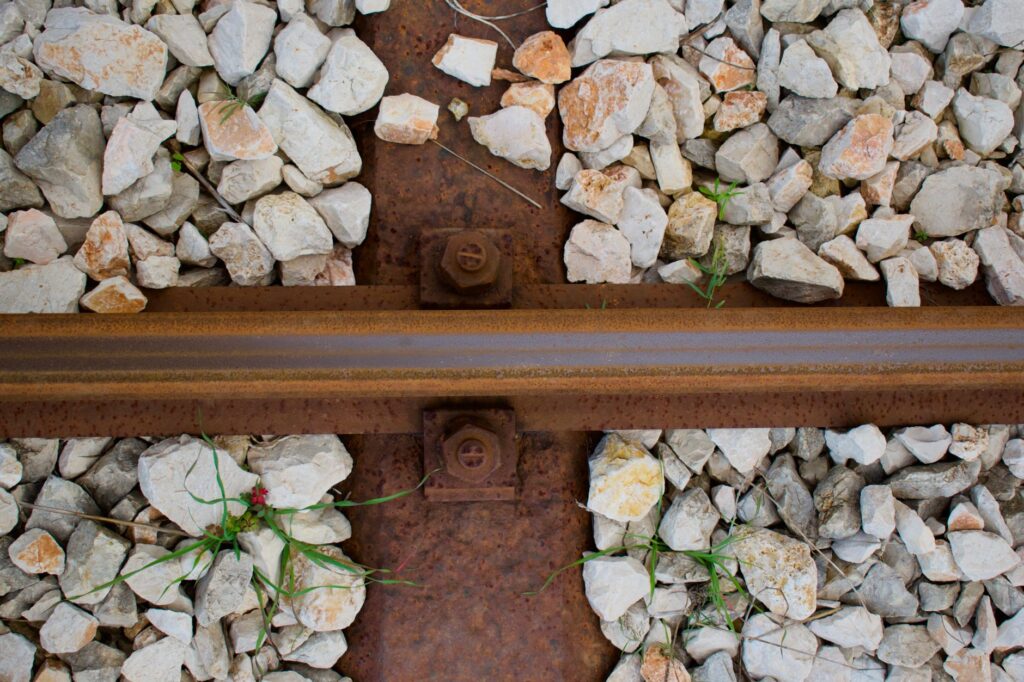
Heritage respect: The railway infrastructure is protected historical heritage. It is strictly prohibited to remove rails, bolts, or metal elements from the old facilities.
The cordillera shows no mercy to improvisation; traveling the roads of the old Trans-Andean requires the same humility and respect demonstrated by the engineers who dared to challenge its summits.
Epilogue Among Summits and Silences
The Andean wind that currently howls through the metallic skeletons of the abandoned stations of the Trans-Andean Railway seems to narrate the epic of an era when human will appeared to know no geographical borders. Those wooden sleepers buried under slabs and snowdrifts are not mere remnants of industrial scrap, but the physical milestones of collective audacity that transformed how South America conceived its own territorial integration. Stopping before the sealed portal of the Summit Tunnel, with the imposing massif of Aconcagua guarding the horizon, the traveler realizes that the true magnitude of the work lay not only in the perfection of its gears and rails, but in the unwavering conviction to build bridges where nature had placed its most insurmountable wall.