
The Memory of Stone and Iron in El Fontán
Beneath the wrought-iron and glass structures that define Oviedo’s historic El Fontán market, the morning air grows heavy with the dense aroma of rich dairy butter and the earthy undertones of wild mushrooms foraged from neighboring districts. This venue, whose original layout traces back to ancient wetlands drained for public commerce, functions today as a living archive documenting the symbiotic relationship between valley and summit. Here, the produce stalls are not merely commercial platforms, but the altars where a long chain of transhumance, seasonal grazing, and accumulated generational wisdom culminates.
The market’s pulse begins well before the first rays of sunlight illuminate the ochre facades of the square. Local producers and cheesemakers lay out artisanal wedges that still exude the dampness of the natural caves where they have aged for months. In this space, the dialogue between cultivator and consumer retains a purity nearly extinct in major European cities. Conversations revolve around the previous spring’s rainfall, the behavior of native cattle breeds in high-mountain passes, and the exact impact of the Cantabrian breeze on the rinds before final commercialization.
The building’s architecture, meticulously restored to preserve its nineteenth-century integrity, fosters a distinct acoustics where knives slice compact wedges and vendors murmur discreet pitches. Each counter is a microcosm reflecting Asturias’s biodiversity, a rugged terrain where topography has prevented the industrialization of agricultural processes, permitting the survival of small-scale production models deeply tied to the surrounding landscape’s sustainability.
The Invisible Territory: The Pastures of the Picos de Europa
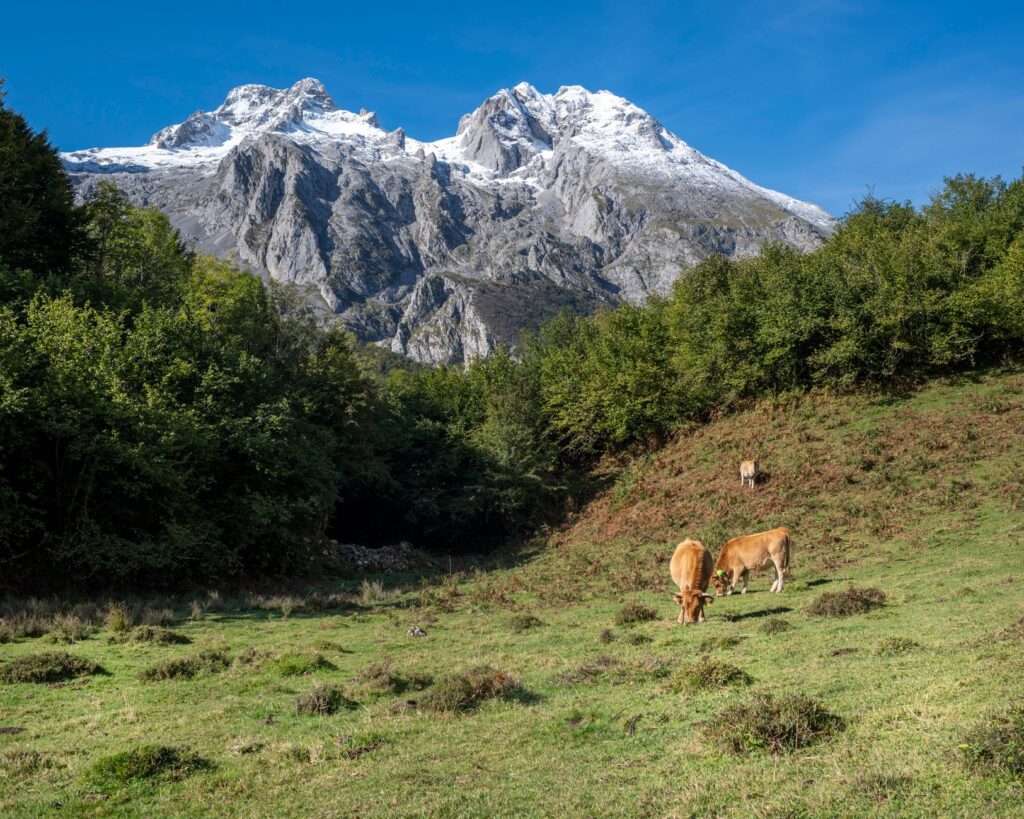
To grasp the true dimension of the products lining El Fontán, one must leave the urban asphalt and ascend the winding roads leading deep into the Picos de Europa National Park. At these high altitudes, where limestone dominates the horizon and morning mists cling to the ferns, graze the herds that provide the essential raw material for Asturias’s pantry. Milk gathered from these vertical pastures possesses an organoleptic complexity impossible to replicate in intensive farming due to the infinite variety of grasses and wild flowers composing the animals’ diet.

Shepherds and cheesemakers operating in isolated stone cabins continue to apply ancestral methods. The use of natural rennet, manual molding using linen cloths, and the daily turning of wheels under rudimentary humidity and temperature control are the pillars of a near-sacred craft. This geographical isolation, far from being an obstacle, has acted as a defense mechanism against global standardization, ensuring each piece retains an unrepeatable personality linked to its precise valley of origin.
Milk collection in these rugged terrains is an exercise in daily endurance. During summer months, herds exploit elevated pastures, forcing producers to undertake long daily walks or maintain complex infrastructures for transporting fresh milk down to the workshops. This direct reliance on natural cycles imprints strict seasonality on the final foodstuff, reminding the contemporary diner that true gastronomic luxury resides in patience and respect for biological rhythms.
The taste of high mountain terrain is not the result of a master formula, but the direct translation of the landscape through the livestock’s metabolism and the artisan’s patience.
The Alchemy of Blue: The Secret of the Peaks
Among the overwhelming variety of dairy creations emerging from the Cantabrian mountain range, blue-veined cheeses hold a privileged position due to their technical demands and deep cultural roots. Varieties like the emblematic Gamonéu or the potent Cabrales mature in karst cavities where cool drafts and high relative humidity foster the spontaneous growth of Penicillium mold. This subterranean aging transforms milk into a living canvas blending acidity, elegant pungency, and mineral notes evoking damp stone and oak wood.
Working inside these caves requires exceptional empirical knowledge. Master refiners must constantly monitor rind conditions, determining the precise moment when cheeses must be moved or washed with spring water to balance microbial development. Unlike industrial methods where temperatures are regulated by algorithms, the thermometer here is the tactile and olfactory sensitivity of the artisan, who interprets subtle shifts in environmental aroma to dictate product evolution.
This artisanal rigor extends to integrating smoke into specific varieties like Gamonéu del Valle, where wheels are lightly smoked using selected hardwood before moving to the cave. This intermediate step introduces subtle notes of peat and caramelized sugar that complement the rich dairy fats, generating a sophisticated gustatory balance that seduces discerning palates on the international culinary scene.
Charcoal and Fire: The Cooking of Ovetense Memory
Returning to Oviedo’s urban fabric, the influence of this mountainous pantry decisively shapes the cooking of historic taverns and fine dining establishments. Here, tradition is not practiced as sterile nostalgia, but as an active reservoir of technical resources. Local chefs utilize washed-rind and intense blue cheeses not merely for cheese boards, but as structural ingredients in sauces, emulsions, and broths accompanying Cantabrian fish and game meats.
The use of charcoal in traditional grills and modern workshops reflects an ongoing quest for textural purity. Meats from native breeds, such as the Casina cattle, benefit from controlled dry aging that concentrates juices before encountering the direct heat of oak or birch embers. This dialogue between the animal’s intramuscular fat and clean wood smoke represents the logical culmination of a region where extensive livestock farming and forestry have walked hand in hand for centuries.
Likewise, peri-urban garden produce, cultivated in small plots irrigated by tributaries of the Nalón River, provides essential vegetal balance. Vegetables such as collard greens and cabbage take center stage in slow-cooked stews where compango—artisanal chorizo and blood sausage—provides the fatty depth necessary to withstand the rigors of the Asturian winter, consolidating a recipe book as honest as it is unyielding.

The Guild of the Fork: Voices and Lore of the Market
El Fontán’s vitality is inseparable from the veteran, anonymous figures guarding its stalls day after day. Belonging to lineages of merchants who have witnessed dictatorships, political transitions, and digital revolutions, these vendors act as true ambassadors of regional food culture. Their detailed knowledge of each cheese’s optimal ripeness or the exact origin of a batch of fabes constitutes intangible heritage no technical manual can replicate with equal authenticity.
Amidst the market aisles, passionate debates arise over organoleptic differences between production from Onís passes and Cabrales pastures. These daily discussions reveal a society deeply literate in gastronomy, where eating is inextricably linked to territorial identity and pride of place. For the curious traveler, conversing with these veteran merchants is one of the journey’s most enriching experiences, opening access to layers of meaning absent from conventional guidebooks.
This oral transmission of culinary knowledge ensures that new generations of chefs opening establishments in Oviedo’s historic center maintain a firm anchor in tradition, reinterpreting classic recipes through absolute respect for local produce and ecological cycles.
The Art of the Asturian After-Dinner
The culinary experience in Oviedo reaches its zenith during the after-dinner conversation, a dilated temporal space where haste is abolished and dialogue flows sheltered by a fine cheese board and a properly poured glass of natural cider. Unlike other latitudes where dessert signals an abrupt end to a meal, in the Asturian capital this moment is a social ritual consolidating bonds and fostering intellectual exchange among diners.

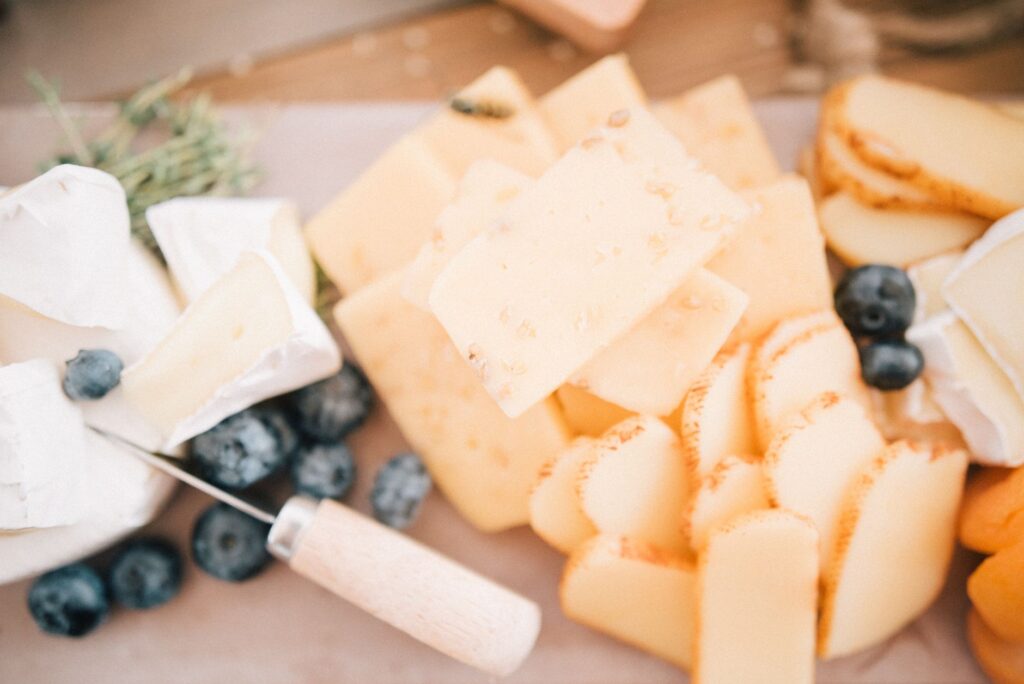
Proper cheese selection follows a logical progression from mild pressed cow’s milk pastes to pungent blues, always accompanied by homemade quince paste, seasonal nuts, and hearth-baked breads made with whole-grain flours and long fermentations. This sensory display synthesizes the philosophy of a people who turned orographic hardships into a competitive advantage for gastronomic excellence.
The ritual of pouring cider from overhead, meanwhile, adds a unique physical and visual dimension to the feast. The stream falling from a height to shatter against the glass rim releases natural carbonation and oxygenates the liquid, shedding aromas of green apple and fresh hay that prep the palate for intense artisan cheese flavors, closing a circle of territorial coherence and hedonistic pleasure.
Dining in Asturias is an exercise in aligning with nature; every bite demands an understanding of the human effort behind stone and pasture.
Practical guide
How to get there: Oviedo features excellent railway connections via high-speed Alvia trains linking the Asturian capital with Madrid and other major Spanish cities. Asturias Airport, located in Santiago del Monte, operates regular domestic and international flights, connecting to the city center in approximately forty minutes via shuttle bus services.
When to go: Spring and early autumn are the most recommended seasons. During these months, high-mountain pastures reach biological peak condition and the weather permits hiking excursions through the Picos de Europa without summer crowds or extreme temperatures.
Where to shop and eat: Oviedo’s Central Market (El Fontán) opens Monday through Saturday mornings; visiting early is essential to find the greatest variety of artisanal cheeses and garden produce. To enjoy traditional Ovetense cuisine based on local products, advance reservations are recommended at historic taverns in the old quarter near the Cathedral Square.
Gastronomic etiquette tips: When tasting artisanal Asturian cheeses at local venues, consumption at room temperature is advised to fully appreciate fat complexity. When ordering cider in traditional cider houses, accepting the shared glass or ‘culín’ offered by the pourer is customary, respecting the unhurried rhythm of consumption.
The Silence of the Summit and the Final Beat
As twilight begins staining Picos de Europa summits with violet hues and shepherd cabin lights ignite like cardinal points in night’s vastness, the Asturian landscape reveals its most contemplative dimension. In that instant of absolute silence, broken only by distant cattle bells and whispering mountain winds through fern fronds, the true meaning of this gastronomic journey is understood. Food is not merely physical sustenance, but the materialization of an ancient pact between humankind and an untamed, generous nature.
Sitting at a table in Oviedo after traversing stone paths descending from high passes equals decoding an ancient language written in milk, fire, and patience. Each artisanal cheese wedge, each steaming dish emerging from old-quarter kitchens, and every conversation held beneath El Fontán’s arcades form a living testimony of cultural resilience. In an increasingly standardized world, this corner of northern Spain offers the incalculable privilege of tasting pure authenticity, an enduring reminder that earth’s finest treasures always demand time, respect, and memory.