
The mid-Atlantic hides an archipelago where volcanic geography has dictated the rules of human survival for centuries. In the Azores, the imposing presence of steep hillsides, basaltic cliffs, and deep marine calderas has shaped a territory of hypnotic beauty yet extreme logistical complexity. For generations, communication between islands and remote rural settlements depended on rudimentary maritime routes and a network of bridle paths winding through pastures and lava formations. Today, this physical isolation faces an unprecedented conversion. The regional transport model, traditionally dependent on fossil fuels and subject to the whims of an unpredictable ocean, is undergoing a radical shift driven by strict ecological sustainability criteria and deep community roots.
This report examines how island communities on islands such as São Miguel, Pico, or Flores are redesigning their daily mobility. Faced with mass transport models that prioritize speed over any economic or environmental cost, the archipelago deploys a strategy based on local logistical sovereignty. This is not merely about replacing diesel engines with electric alternatives, but about understanding that insular territory demands constant dialogue between the carrying capacity of ecosystems and the actual travel needs of its residents and visitors. The transformation ranges from the renewal of inter-island nautical connections to the restoration of ancient communication trails under low-impact standards.
The Geography of Isolation and New Insular Sovereignty
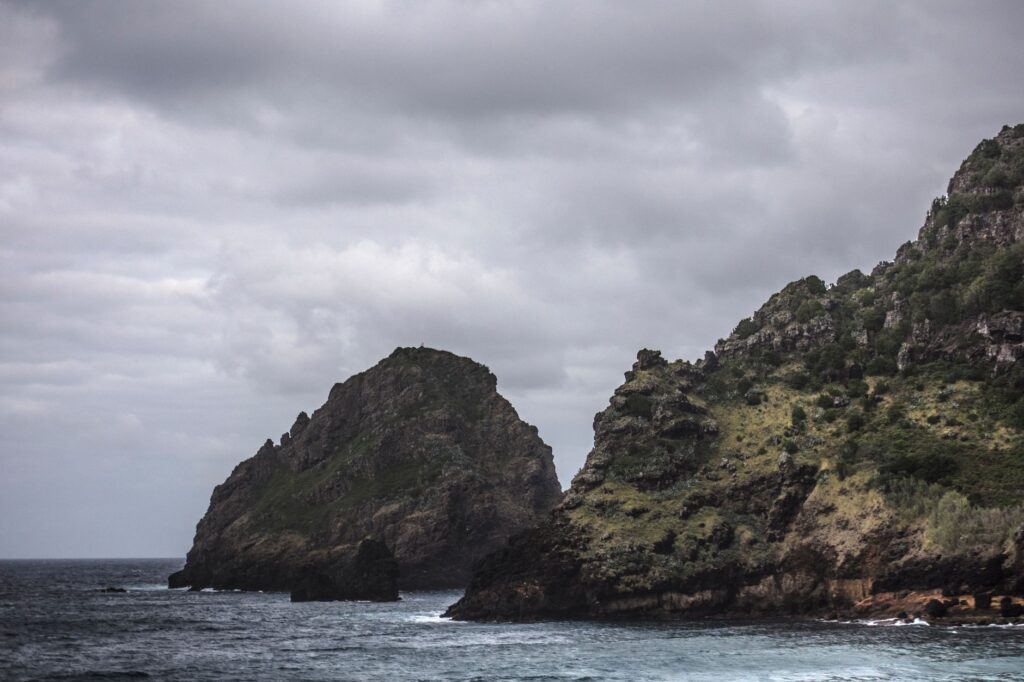
Understanding the magnitude of this change requires delving into the volcanic topography of the Azores. The islands act as the emerged peaks of a colossal underwater mountain range, a circumstance that enormously complicates the construction of conventional transport infrastructure. Traditional ports, often sheltered in small fajanas formed by prehistoric lava flows, bear the direct brunt of Atlantic storms. During winter, the cancellation of maritime and air routes frequently isolates entire populations, highlighting the vulnerability of depending on centralized supply chains detached from local reality.
Faced with this structural fragility, regional authorities and island councils have promoted a process of transport decentralization. The key to this new sovereignty lies in integrating human-scale mobility networks. Residents of rural areas are no longer mere recipients of policies dictated from administrative capitals, but active participants in route design. Through open town halls and transport cooperatives, communities decide schedules, frequencies, and vehicle types best suited to preserve the tranquility of their natural environments while ensuring access to essential health, educational, and commercial services.
Nautical Innovation in Atlantic Waters: Toward Cabotage Decarbonization
The heart of Azorean connectivity beats in its ports. Traditionally, passenger and cargo traffic between islands operated with heavy vessels powered by internal combustion engines that generated strong acoustic pressure and polluting emissions in marine environments of high ecological value. In recent years, a consortium of local naval engineers and public operators has begun deploying a fleet of hybrid vessels and green hydrogen-powered craft specifically adapted to the harsh open-sea conditions of the North Atlantic.
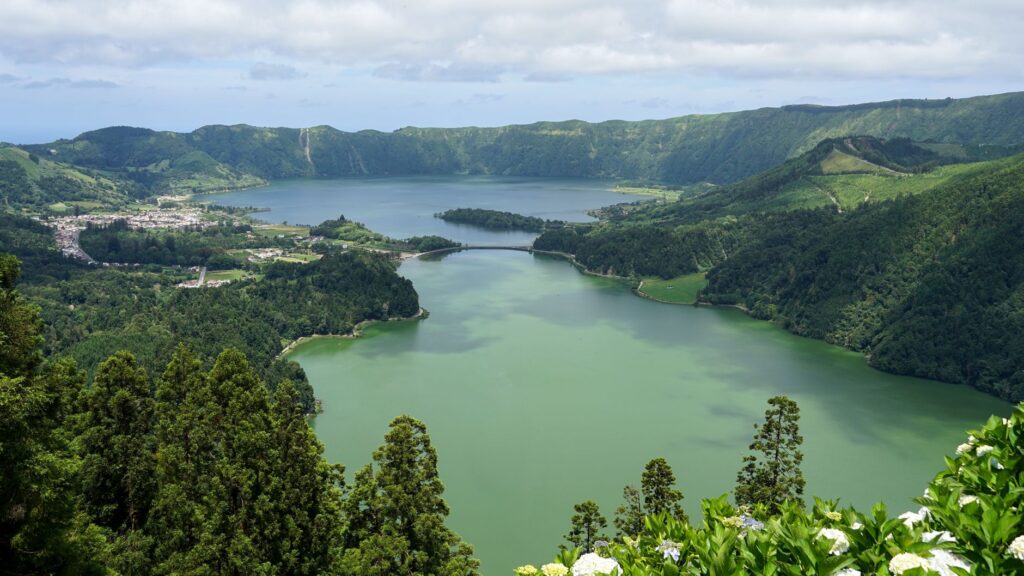
These new ships not only drastically reduce the archipelago’s carbon footprint, but also transform the traveler’s sensory experience. The sharp decrease in underwater noise protects resident and migratory cetaceans—such as sperm whales and fin whales—which for decades have suffered the effects of intensive maritime traffic. Additionally, hulls have been designed with specific geometries to minimize wake waves, thereby protecting fragile coastline lines and intertidal biotopes from artificially induced erosion.
Onshore Intermodal Integration: From Pier to Low-Emission Trail
The decarbonization of maritime transport would be meaningless if, upon arrival on solid ground, passengers were met with a saturation of combustion-engine rental vehicles. Therefore, the insular mobility strategic plan includes the creation of decentralized intermodal nodes directly adjacent to major docks. These spaces function as transfer points where travelers leave private vehicles behind to access shared transport networks powered by high-capacity electric batteries and pedal-assist bicycle fleets adapted to steep inclines.
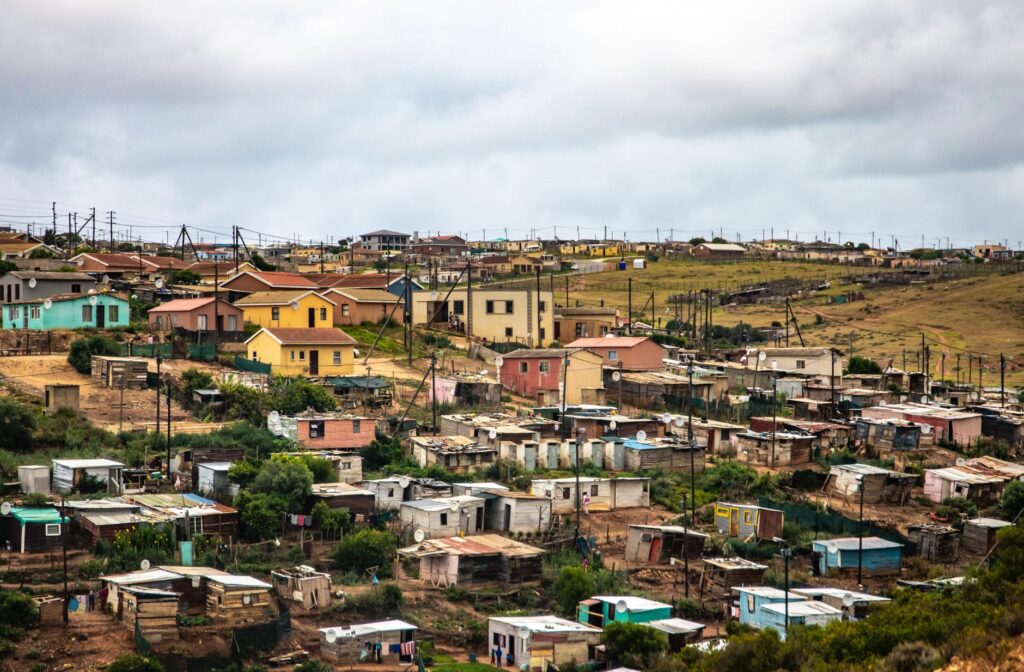
This complementary terrestrial transport mesh relies on the recovery of the historic rural path network. Ancient mule tracks and grazing trails have been conditioned using bioengineering techniques, utilizing local basalt stone and natural stabilizers to prevent runoff. These paths not only serve for the transit of residents and hikers on foot or bicycle, but function as ecological corridors allowing endemic fauna to move freely between surviving patches of laurissilva forest.
Community Governance and the Circular Economy of Travel
The success of this transition in the Azores is explained not solely through technological investment, but through a solid model of community governance. Local transport cooperatives manage resources so that economic benefits directly feed back into public infrastructure maintenance and rural landscape conservation. This approach contrasts with extractive models observed in other insular destinations worldwide, where the privatization of transport services often translates into the expulsion of local populations and seasonal resource saturation.
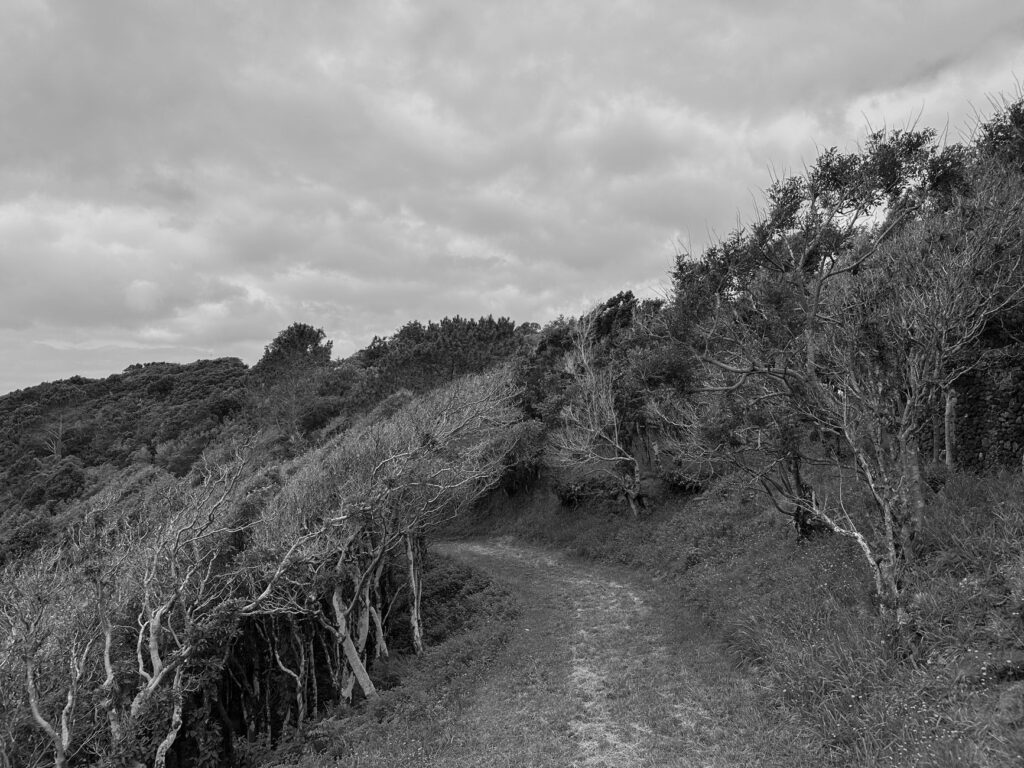
The circular economy applied to mobility is also manifested in the use of local energy sources. Several islands have begun installing electrical microgrids associated with geothermal plants and small-scale wind farms to supply charging points for public vehicle fleets. Thus, a journey on an electric bus or hybrid ferry across the Azores draws energy directly from the volcanoes and winds that sculpt the archipelago, closing a perfect circle of self-sufficiency and environmental respect.
The true sustainability of insular transport does not lie in the accumulation of complex technologies, but in the ability to listen to the rhythm of the territory and adapt mobility to the natural limits of sea and stone.
This balance between modernization and conservation demands constant scientific monitoring. Regional universities and marine research centers collaborate closely with fishermen’s guilds to monitor the impact of new navigation routes. Any variation in marine fauna migratory routes or cliff stability is analyzed in real-time, allowing routes and vessel speeds to be dynamically adjusted throughout the year.
Practical guide
How to get there: The archipelago features main international air connections through Juan Paulo II Airport (PDL) on São Miguel island and Lajes Airport (TER) on Terceira. From there, secondary inter-island connections are operated by the regional airline SATA Air Azores and, during spring and summer months, via the ferry network operated by Atlânticoline.
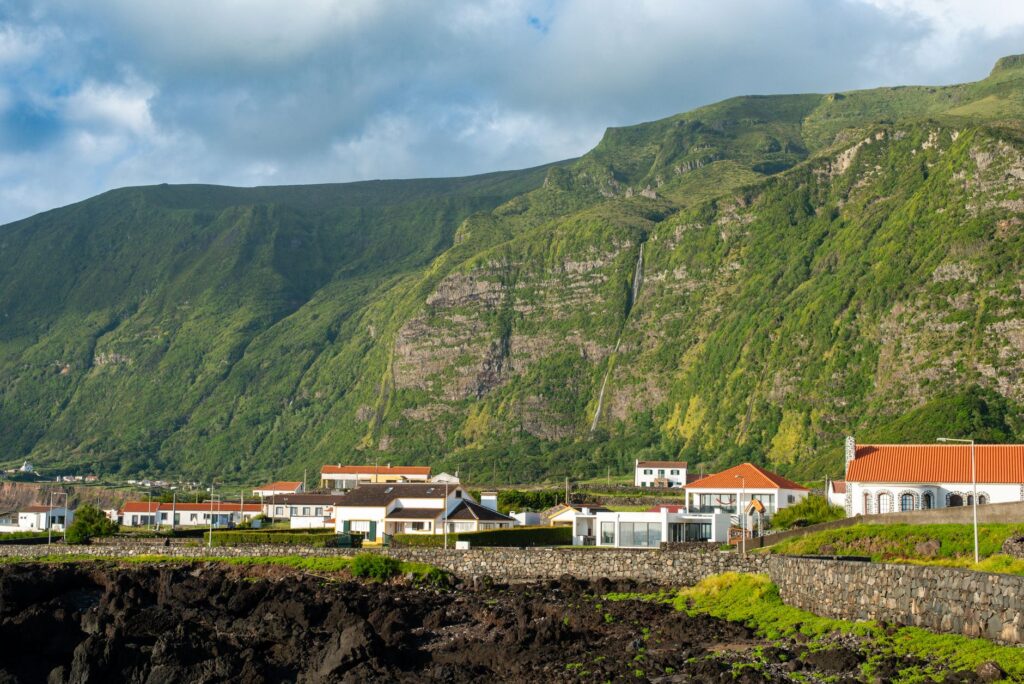
When to visit: The months between May and September offer the most stable weather conditions for navigation and hiking. However, for whale watching and enjoying lower tourist density, April and October are ideal, always maintaining itinerary flexibility due to habitual Atlantic weather variability.
Sustainable Mobility Tips at the Destination
- Always utilize public insular transport services and electric shuttle buses enabled from major ports to interior villages.
- Strictly respect speed limits on secondary roads; many cross habitats of endemic birds such as the Azorean bullfinch.
- Rent power-assisted electric bicycles exclusively from stations certified by local cooperatives to ensure energy originates from island renewable sources.
- Avoid single-use plastics during your journeys and ensure waste is deposited at designated recycling stations in each municipality.
- Check daily weather bulletins and maritime operator alerts before planning any inter-island voyage.
The conscious traveler understands that the Azores archipelago is not an adventure theme park, but a shared insular home where every journey forms part of a pact of respect with the ocean and the mountain.
At dusk, when the golden Atlantic light melts into the mineral blackness of volcanic lava flows on Pico island’s coast, the region’s movement recovers an age-old cadence. Hybrid ships glide silently over dark waters, guided by the intermittent glow of stone lighthouses and the unwavering commitment of a community that has decided to transform its geography of isolation into a global benchmark of dignity, resilience, and a sustainable future.