
Imperial Origins and the Audacity of Steam in the Subcontinent
The genesis of the Darjeeling Himalayan Railway, popularly known as the Toy Train, dates back to the final third of the nineteenth century, when the British administration sought an efficient method to connect the scorching plains of Bengal with the mountain sanatorium nestled in the foothills of the Himalayas. Until then, the transit of goods, passengers, and above all, the valuable freshly harvested tea leaves was carried out via bullock carts and slow porters along impassable trails during the monsoon season. The construction of this two-foot narrow-gauge line represented not only a technical milestone but a radical transformation in regional economic logistics.
British engineers faced an unrelenting orography. Rather than drilling costly and extensive tunnels through the bedrock, they opted for an adhesion layout that serpentined, adapting with millimeter precision to the contour lines. This approach minimized initial financial hurdles while demanding innovative mechanical solutions. The steam locomotives built by the North British Locomotive Company had to demonstrate exceptional power to overcome gradients that in certain sections reached a steepness of one in twenty-eight.
The layout design incorporated iconic elements such as spiral loops and famous reversals, known in railway jargon as zig-zags. These structures allowed the trains to gain height rapidly within confined spaces, pushing the physical limits of mechanical traction at the time. Each wooden sleeper and imported rail section represented a titanic provisioning effort in a remote region frequently battered by torrential rains and landslides.
Narrow-Gauge Architecture and Topographical Challenges
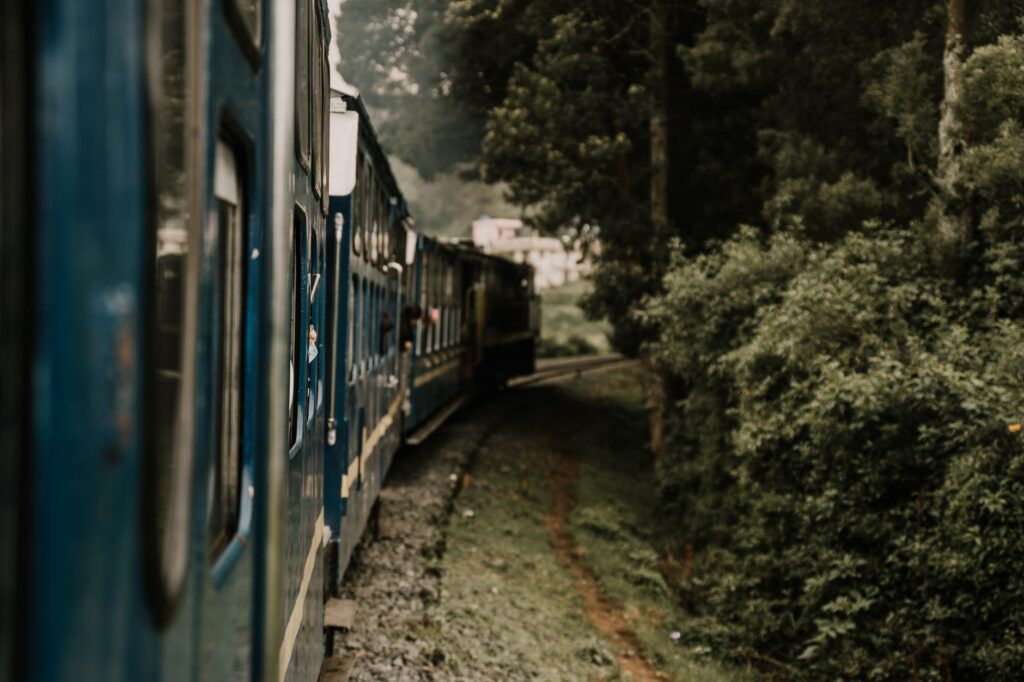
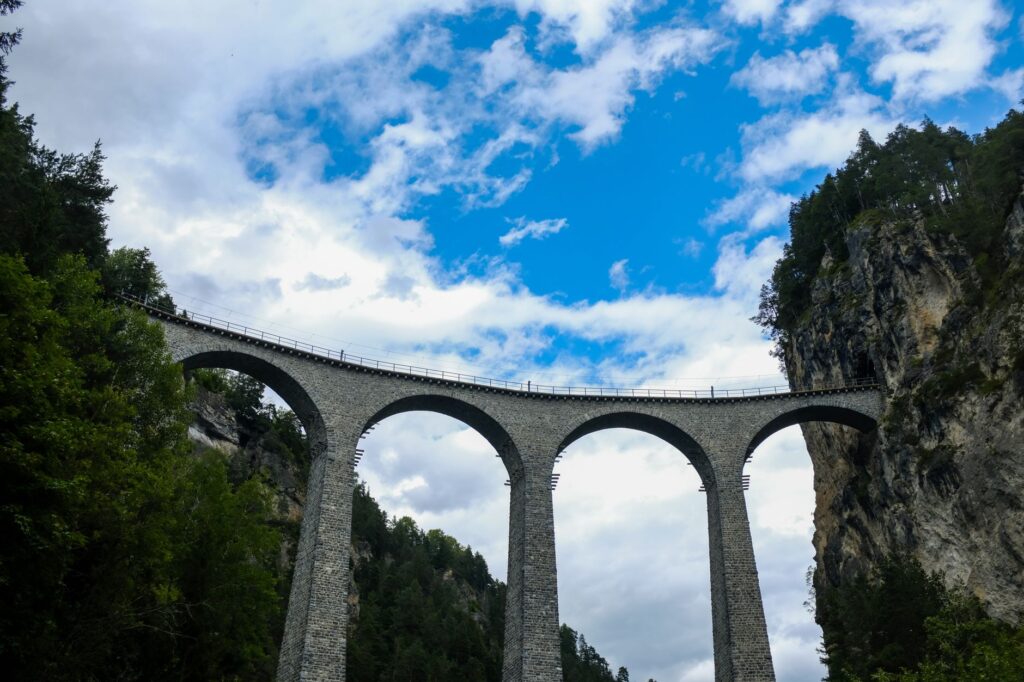
Throughout the nearly eighty-eight kilometers separating New Jalpaiguri from the terminal station in Darjeeling, the railway infrastructure serves as a living manual of nineteenth-century civil engineering. The track runs parallel to the national highway for many stretches, sharing physical space with road traffic, pedestrians, and local markets, creating a unique urban coexistence dynamic within the world of heritage transport. The masonry bridges and metal viaducts spanning the deep ravines of the Balasun and Mahanadi rivers continue to operate under the exact structural safety standards established over a century ago.
Maintaining this network represents a constant challenge for the railway’s technical teams. The geological instability of the Eastern Himalayas requires daily slope inspections and the permanent consolidation of foundations. Unlike modern high-speed lines where track straightness is an absolute priority, here the track geometry is a living organism that adapts to and resists the seasonal pressures of the monsoon. Component replacement and steam locomotive boiler restoration are carried out following original blueprints in the historic workshops of Tung and Siliguri.
The Darjeeling narrow-gauge is not merely a relic of colonial the past, but a high-precision logistical corridor demonstrating how low-scale engineering can conquer the planet’s most imposing summits through patience and mechanical rigor.
The signaling and traffic control system, though modernized in certain aspects to comply with contemporary Indian railway regulations, retains the essence of manual protocols. Station masters and signalmen communicate via telegraph and written orders on metal tablets, ensuring that tourist convoys and minor freight operate with total safety in an environment where the margin for error is practically nonexistent.
Tea Logistics and Economic Impact on the Slopes
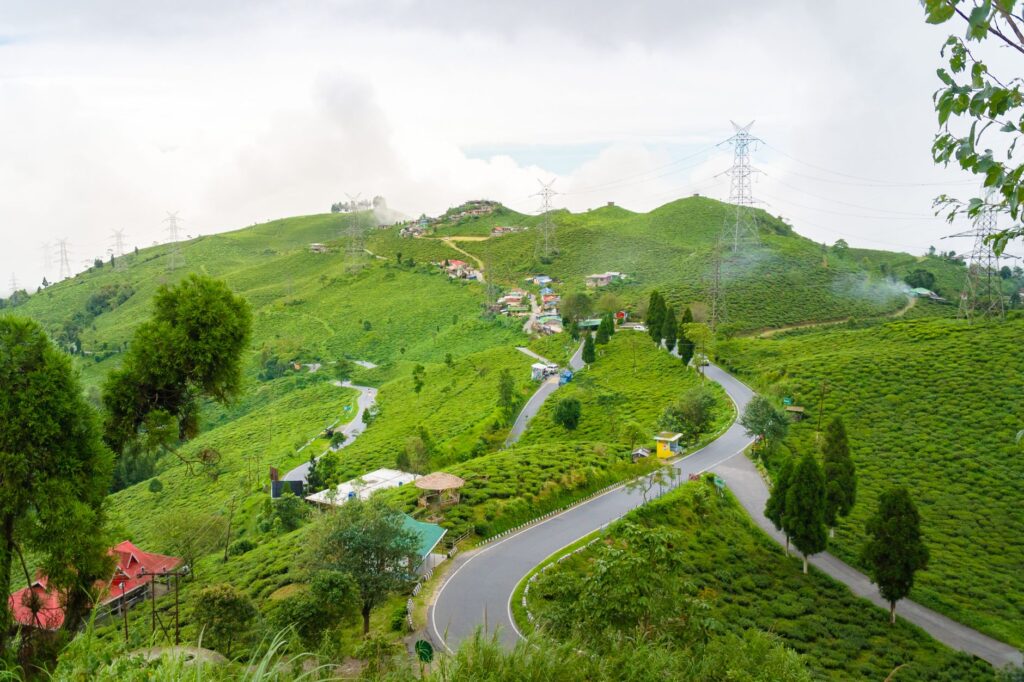
Beyond its undeniable tourist appeal, the railway was conceived and continues to operate as a vital artery for the highland agricultural economy. The tea plantations carpeting the hills—globally famous for producing the infusion known as the «champagne of teas»—historically depended on this medium to transport their valuable harvest toward Calcutta markets and thence to global export ports. Although today much heavy freight is transported by trucks via the parallel road, the logistical memory of the train remains deeply tied to the region’s commercial identity.
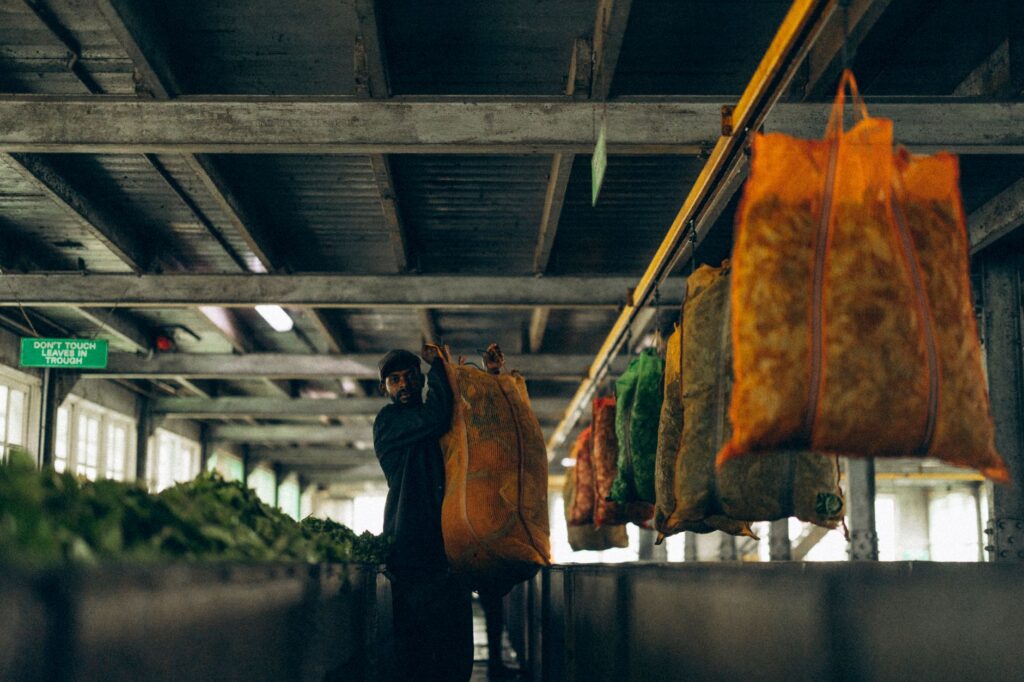
The tea harvesting cycle, divided into three primary periods—the first flush in spring, the second in summer, and the autumn teas—traditionally marked the operational pulse of the line. Adapted freight wagons carried wooden crates containing the prized product processed in century-old factories such as Happy Valley and Makalbari. This direct connectivity between rural production centers and the national trunk network drove the socioeconomic development of entire districts that would have otherwise remained isolated during long winter months.
The integration of the railway into the daily lives of local communities is total. Mountain village residents use the daily passenger services to travel to regional markets, transport school supplies, and access health centers located at lower altitudes. This social function offsets the seasonality of international tourism and guarantees that the line maintains its essential public service status beyond its cultural recognition by international bodies.
The Travel Experience: Conscious Slowness and Moving Heritage
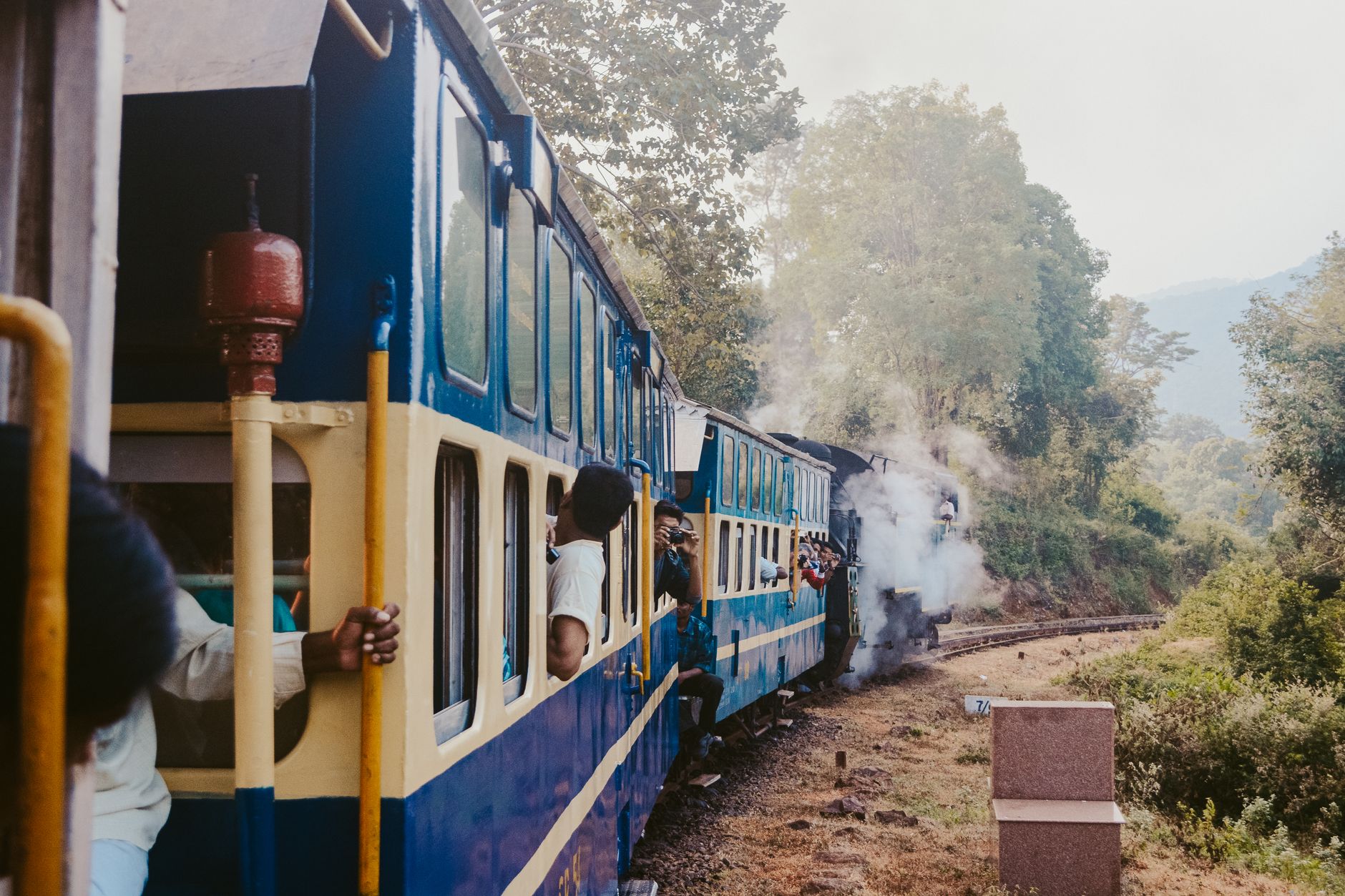
Traveling aboard the Darjeeling Himalayan Railway today is an exercise in temporal immersion. With an average speed rarely exceeding fifteen kilometers per hour, the journey allows travelers to witness an extraordinary climatic and botanical transition: from dense tropical lowland forests populated by bamboo and sal, through temperate oak and rhododendron woodlands, culminating in panoramic views of the snow-capped Kanchenjunga peaks. The characteristic whistle of the steam locomotive echoing across deep valleys is the undisputed soundtrack of this cultural landscape.
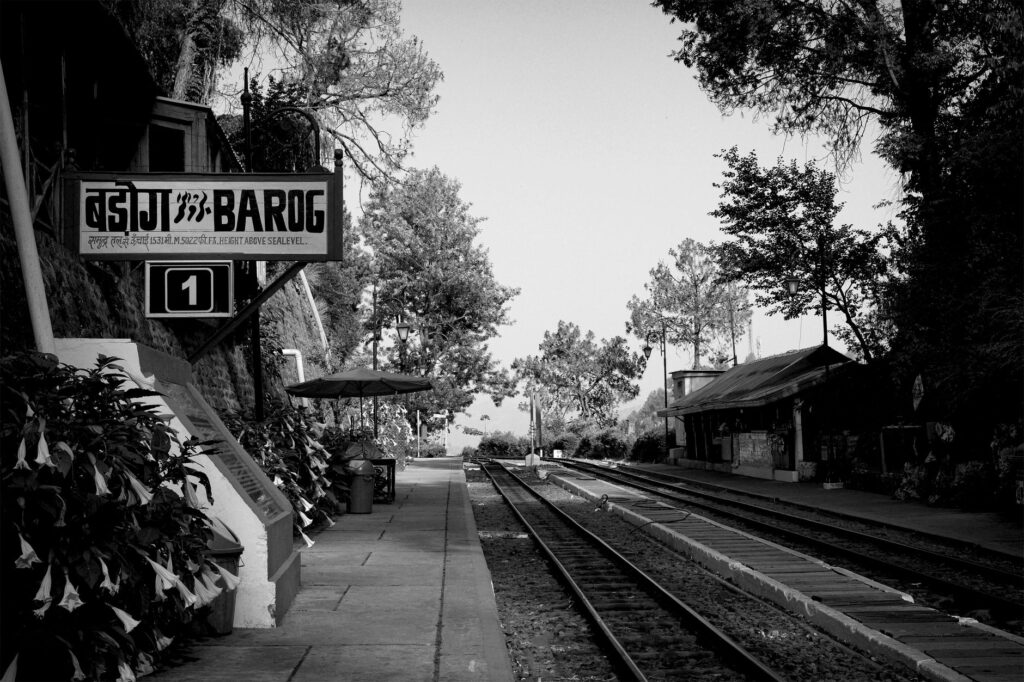
Stops at iconic stations such as Ghoom—India’s highest railway station, situated over two thousand two hundred meters above sea level—allow visitors to tour the local railway museum, displaying original colonial documents, engineering blueprints, and mechanical parts retired from active service. The platform atmosphere blends everyday commercial activity with the anticipation of railway enthusiasts from around the globe eager to document the operation of these century-old machines.
Preserving the technical authenticity of the Toy Train involves a delicate balance between the modernization required for passenger safety and absolute respect for nineteenth-century artisanal maintenance methods.
The passenger carriages, meticulously restored with hardwood paneling and leather upholstery, offer a privileged perspective of rural life. Throughout the route, children wave at the passing train from school yards, and farmers continue their agricultural labors on hand-carved terraces along steep slopes, creating a picture of absolute harmony between technological intervention and the natural environment.
Practical guide
How to get there: The primary starting point for accessing the regional railway network is New Jalpaiguri (NJP) station, directly connected via long-distance trains from Calcutta, Delhi, and Guwahati. The nearest airport is Bagdogra (IXB), located about fifteen kilometers from Siliguri.
Trip planning: Regular Toy Train services operate year-round, though they may face temporary suspensions during heavy monsoon rains (July through September) due to landslides. Booking tickets months in advance via the official Indian Railways portal (IRCTC) or authorized ticket counters is essential.
Recommended routes: In addition to the full journey between New Jalpaiguri and Darjeeling—taking approximately seven hours—popular circular tourist routes known as Joy Rides operate between Darjeeling station and Ghoom, lasting about two hours and including a brief stop at the railway museum and the Batasia Loop.
Accommodation and dining: Darjeeling features a solid historic hotel selection, notably heritage establishments such as the Windamere Hotel, which preserves the atmosphere of the British colonial era. Gastronomically, sampling local tea varieties at specialized salons and tasting steam-cooked momo dumplings in traditional downtown markets is imperative.
Emotional Epilogue in the Himalayan Mists
As evening begins to settle and a dense layer of alpine fog blankets the corrugated iron roofs of Darjeeling, the bustle of the terminal station fades into solemn silence. At the Tung locomotive shed, workers meticulously clean the heavy cast-iron components, removing residual coal and grease following a long day of mechanical struggle against gravity. In that moment of stillness, the escaping steam rising slowly toward the grey sky is not merely the byproduct of industrial combustion, but the invisible breath of a shared history between human ingenuity and the imposing resilience of the mountain. For the traveler who has traversed every millimeter curve of this century-old track, the train ceases to be a simple mode of transport and becomes an indestructible bridge to the deep memory of a landscape that refuses to yield to the passage of time.