
Introduction to Earth’s Thermal and Geological Abyss
The Danakil Desert, situated in northeastern Ethiopia within the vast Afar Depression, represents one of the most extreme, implacable, and mesmerizing natural landscapes on the planet. With surface temperatures systematically exceeding fifty degrees Celsius and elevations dropping down to one hundred and twenty-five meters below sea level, this territory is not merely a geographical adventure destination, but a living laboratory of plate tectonics. Here, the Earth’s crust is literally torn apart, allowing the intense heat of the mantle to surface through active basaltic lava lakes, sulfur fumaroles, and vast expanses of ancient salt flats that defy conventional biological logic.
Planning an autonomous and safe expedition across this geological labyrinth demands absolute logistical rigor, far removed from casual tourism. The convergence of extreme climatic factors, the radical remoteness from advanced medical facilities, and the necessity of coordinating official permits and security escorts transform every kilometer into an exercise in millimeter-level precision. This report examines in detail the survival mechanisms, approach routes, terrain reading, and indispensable technical guidelines required to understand and traverse the Danakil region with professional guarantees.
Geodynamics of the Afar Depression and the Afar Triangle
To comprehend the magnitude of Danakil, it is imperative to analyze its geological context. The depression is the direct result of the convergence and rifting of three major tectonic plates: the Arabian, Somali, and Nubian plates. This triple junction drives a progressive continental seafloor spreading, a unique process that allows scientists to study surface phenomena that typically occur thousands of meters beneath the oceans. The ground is fractured by open fault lines, recent lava fields, and intense thermal activity that impregnates the air with dense plumes of sulfurous gases.

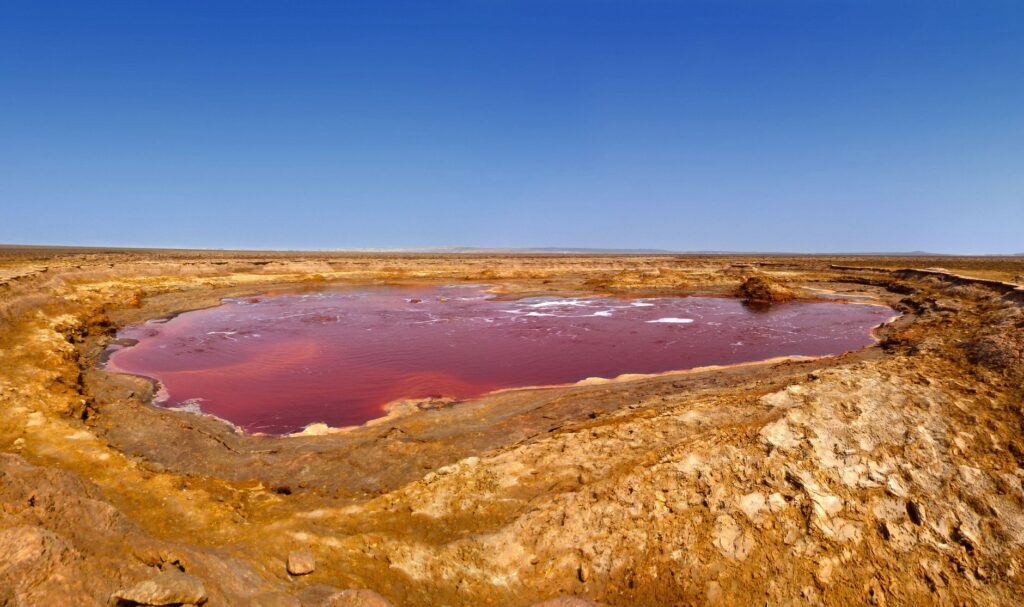
The terrain shows no mercy to technical error. The salt flats, locally known as Lake Karum and Lake Assale, conceal fragile salt crusts beneath which lie boiling mud and corrosive brine. The camel caravans of the Afar ethnic group, which continue to transport hand-carved blocks of salt in the exact same manner as centuries past, are the only entities capable of reading safe pathways across the white crust with age-old precision. The modern traveler must learn to read this landscape not as a mere visual attraction, but as a dynamic and potentially lethal surface where inadequate footwear, lack of electrolytes, or prolonged sun exposure without specific protection can trigger severe medical emergencies within minutes.
Convoy Logistics, Permits, and Security in Afar Territory
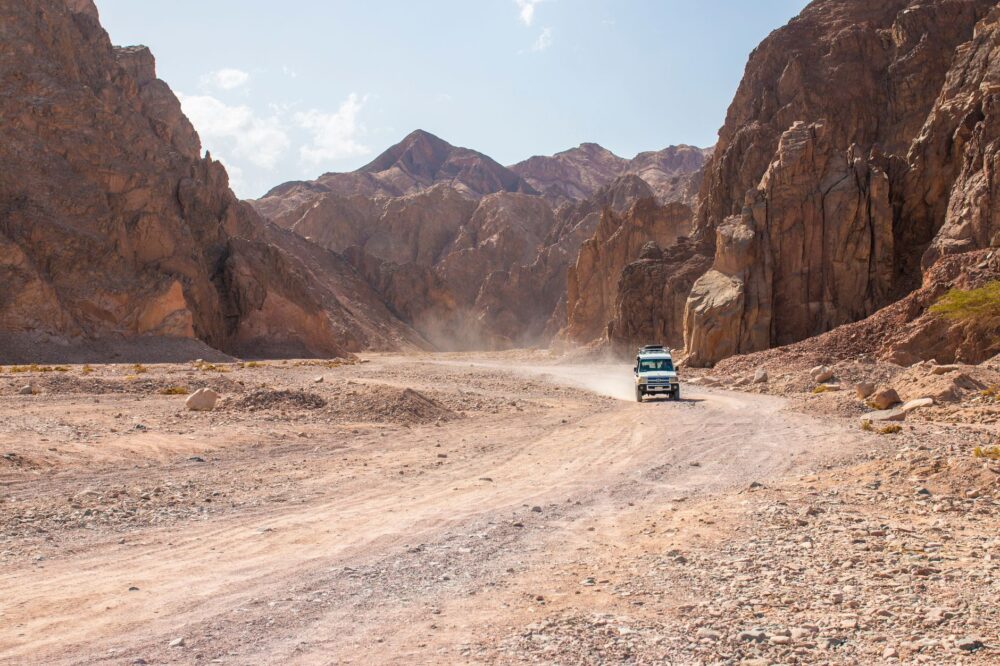
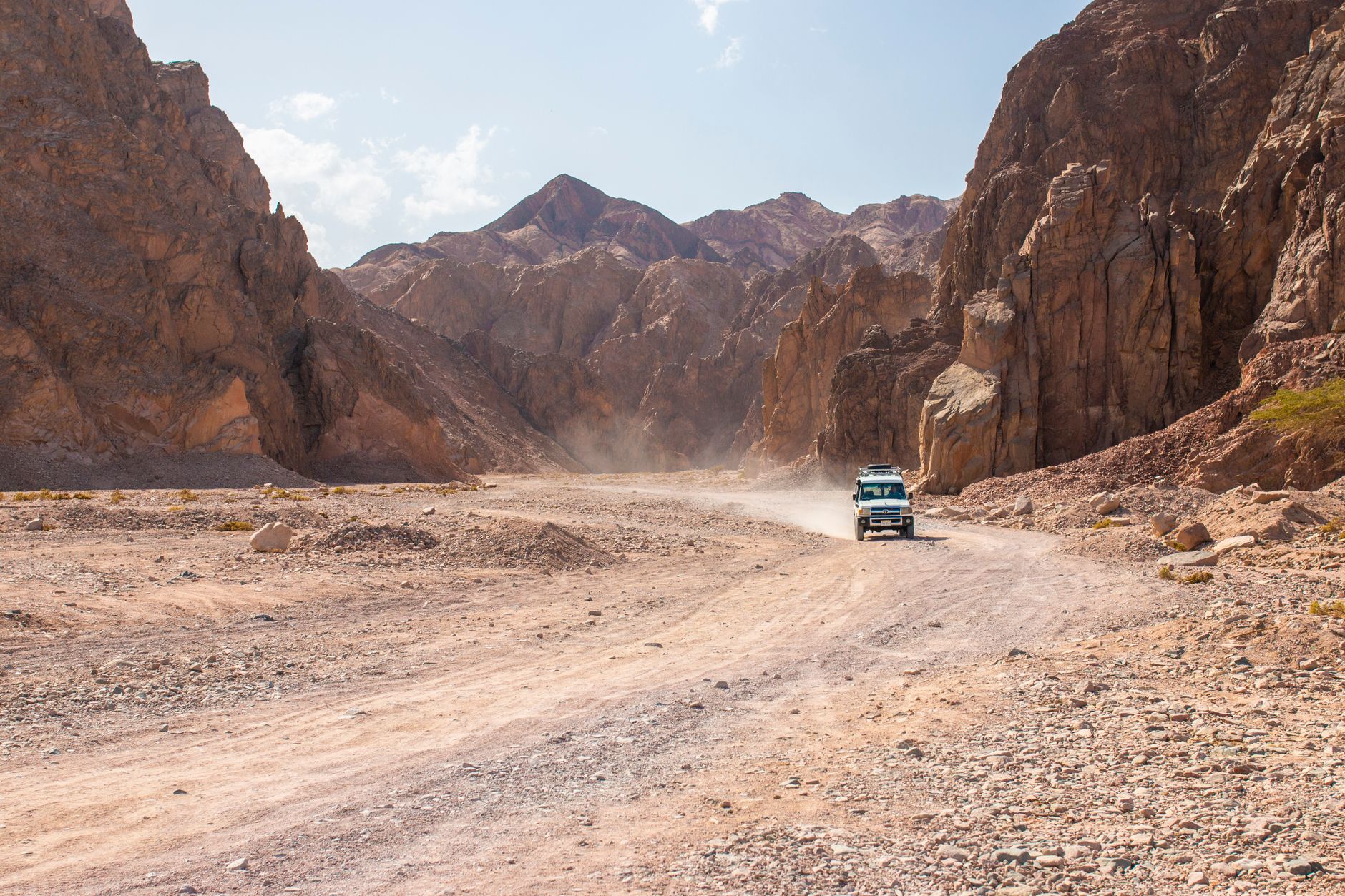
No expedition to Danakil can be undertaken independently or spontaneously. Regulations set by the Ethiopian government and regional Afar authorities require hiring authorized agencies based in Mekelle or Abala, which manage the complex network of access permits. Each off-road vehicle must be part of a coordinated convoy, accompanied by mandatory local expert drivers, regional guides, and armed security personnel belonging to the federal or regional police. This measure addresses both the roughness of the terrain—where breaking down without mechanical assistance equals a critical survival situation—and the need to maintain smooth relations with local Afar communities.
Logistical self-sufficiency begins with provisioning. Each vehicle must carry dozens of liters of potable water per person, supplementary fuel to navigate soft sand and sharp volcanic rock, non-perishable food, essential mechanical spares such as double spare tires, heavy-duty hydraulic jacks, and satellite communication systems. Cellular towers disappear within a few kilometers of urban settlements, making the satellite phone an indispensable operational lifeline to coordinate evacuations or report incidents to rear-guard logistics bases.
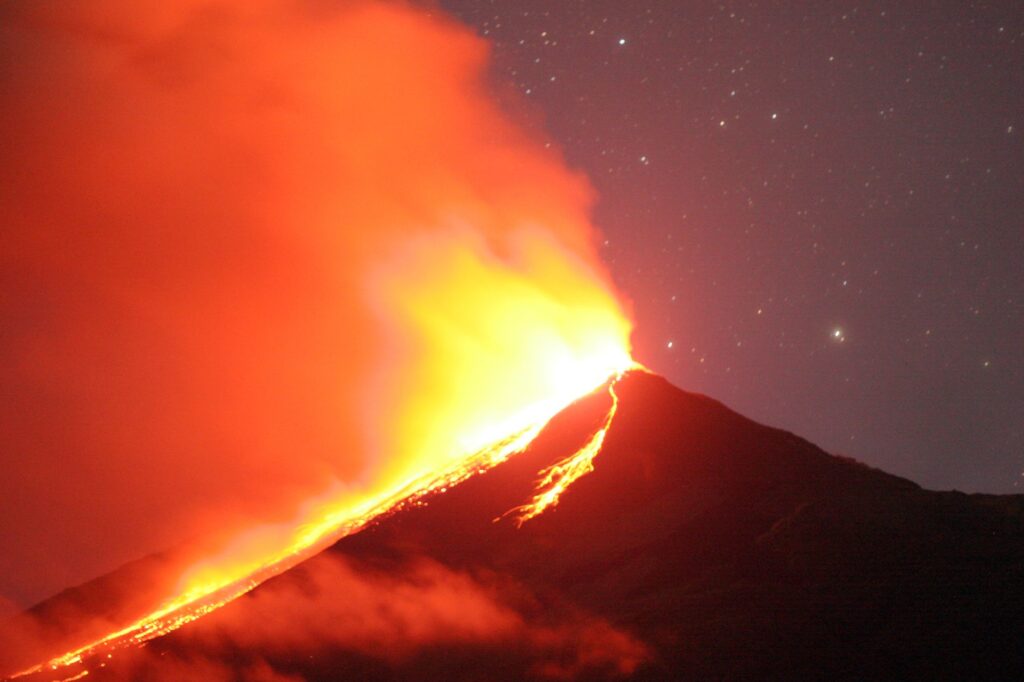
The Volcanic Phenomenon of Erta Ale and the Lava Caldera
Mount Erta Ale, a basaltic shield volcano rising over six hundred meters above the desert floor, houses one of the world’s few permanent and active molten lava lakes within its summit caldera. Ascending Erta Ale requires strict chronological planning: due to intense daytime solar radiation, the roughly ten-kilometer approach hike over fragmented basaltic rock—locally known as malpaís or volcanic scoria—is traditionally undertaken during nighttime hours, guided by headlamps and under the close supervision of Afar guides.
Sulfur dioxide emissions and sudden wind shifts at the crater rim necessitate the constant use of masks equipped with appropriate filters. The cooled lava crust bordering the molten lake is unstable; minor strombolian eruptions are frequent, projecting incandescent fragments into the air. Summit logistics involve setting up basic camps in stone shelters or beneath tarps, where warm nocturnal winds offer no respite and rest must be alternated with watch shifts to secure tents and equipment against sudden thermal gusts.
Hydrothermal and Chromatic Formations of Dallol
At the northernmost edge of the depression lies Dallol, a phreatic explosion crater famous for its surreal landscape of striking colors—vibrant yellows, emerald greens, deep oranges, and purest whites—generated by the interaction of superheated groundwater with massive deposits of potash, sulfur, iron, and salt. This environment is one of the hottest inhabited places on Earth in terms of annual mean temperature, and its chemistry pushes the boundaries of astrobiology, studied as a terrestrial analog for conditions on planets like Mars.
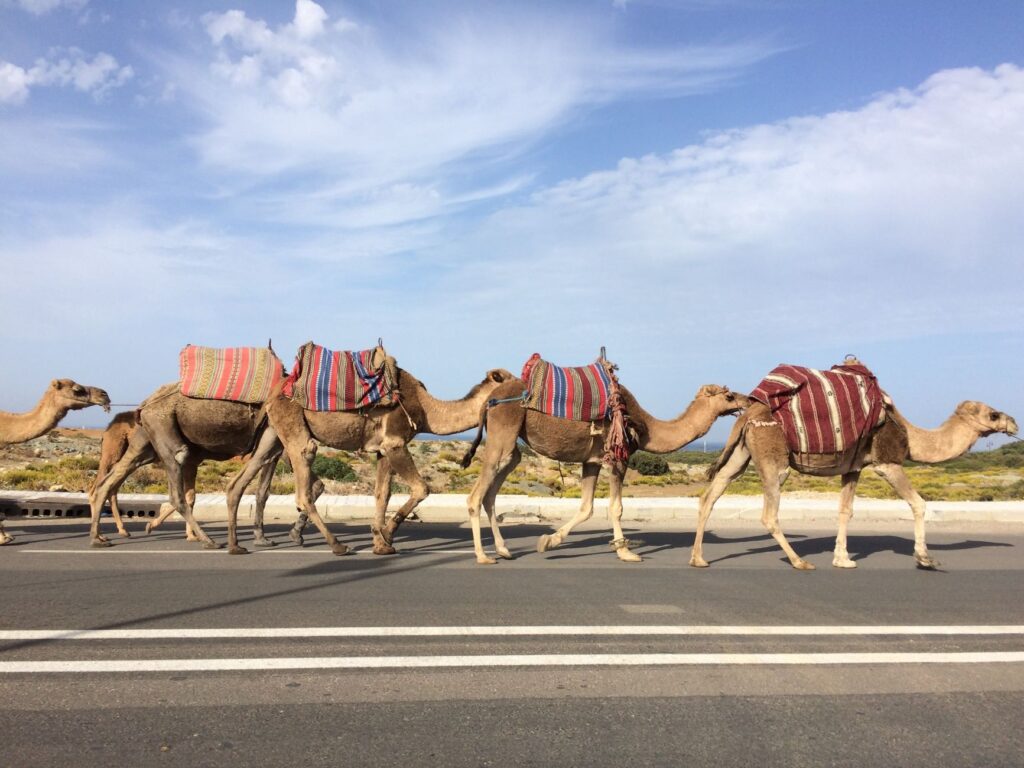
Traversing Dallol requires strict foot-travel safety protocols. The salt terrace formations and mineral pillars are extremely fragile; stepping outside the routes marked by guides can cause the foot to plunge into pools of boiling sulfuric acid. Toxic vapors venting from hydrothermal chimneys require maintaining a safe distance and constantly evaluating wind direction. Photography in this sector demands watertight protective casings to prevent acid aerosols from corroding metal components and optical lens elements.
Culture and Nomadism of the Afar People
The Danakil Desert is not a demographic vacuum, but the ancestral home of the Afar people, a pastoral community with nomadic and semi-nomadic traditions renowned for their deep resilience and strict cultural code, known as *mablo*. The Afar have tamed this hostile territory through camel and goat husbandry and through artisanal salt extraction in the dry lakes, a mineral that for centuries served as currency in the markets of the Ethiopian highlands.
The rigorous traveler must approach interaction with local communities from a standpoint of absolute anthropological respect. Clan hierarchies, verbal permissions granted by village elders, and the strict prohibition of photographing individuals without explicit consent are inviolable ethical rules. Understanding the role of water, pasture scarcity, and community solidarity in the desert transforms the expedition into a journey of profound human learning, far removed from superficial landscape contemplation.
Practical guide
When to Travel: The dry and operational season extends strictly between the months of November and February. During this period, daytime temperatures are slightly less abrasive, though they continue to exceed forty degrees, and the risks of being blocked by flash floods in dry wadis due to seasonal rains in neighboring highlands are drastically reduced.
How to Get There and Transport: The mandatory logistical starting point is the city of Mekelle, accessible via daily flights from Addis Ababa. From Mekelle, operating agencies organize fleets of robust 4×4 off-road vehicles equipped with reinforced four-wheel drive, high-profile tires, and cooling systems adapted to withstand the extreme thermal stress of the desert.
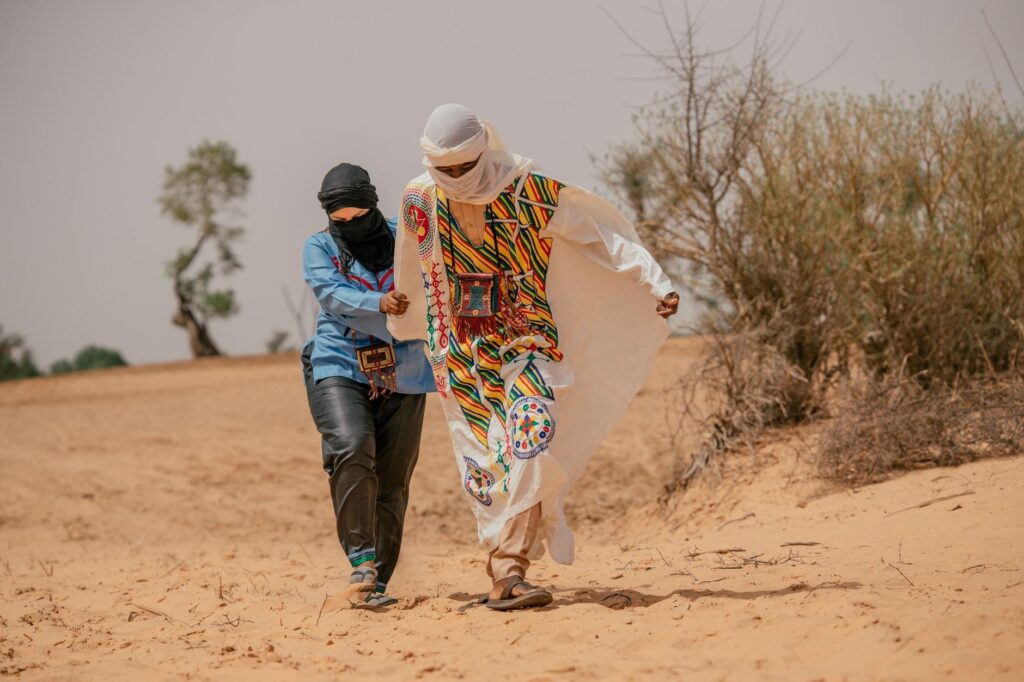
Equipment and Technical Clothing: Lightweight long-sleeve clothing made of linen or technical quick-drying cotton to protect against ultraviolet radiation and abrasive wind is indispensable. High-top trekking boots with reinforced soles for volcanic terrain, high-protection sunglasses, tuareg-style headscarves to filter dust and sulfur, and hydration systems with constant mineral salt replenishment are required.
Safety and Health: International travel insurance explicitly covering emergency medical evacuation and rescue in remote areas is mandatory. Malaria prophylaxis for approach zones, yellow fever vaccination, and an advanced personal medical kit aimed at treating heatstroke, severe dehydration, and cuts from volcanic material are strongly recommended.
Visual and Human Epilogue on the Salt Horizon
As dusk light begins to melt over the white expanse of Lake Assale, the Danakil Desert reveals its most contemplative and poetic dimension. The silhouettes of camel caravans slowly returning to camp, silhouetted against a sky of copper and violet hues, synthesize the eternal struggle of humankind to inhabit and comprehend the most extreme confines of the Earth. There are no artificial luxuries on this journey, but rather a radical disconnection from the contemporary world and a direct immersion into the primordial forces that continue to shape our planet’s geography, leaving an indelible imprint on the memory of anyone daring to cross its thresholds of fire and salt.