
The Geography of Vapor and Stone
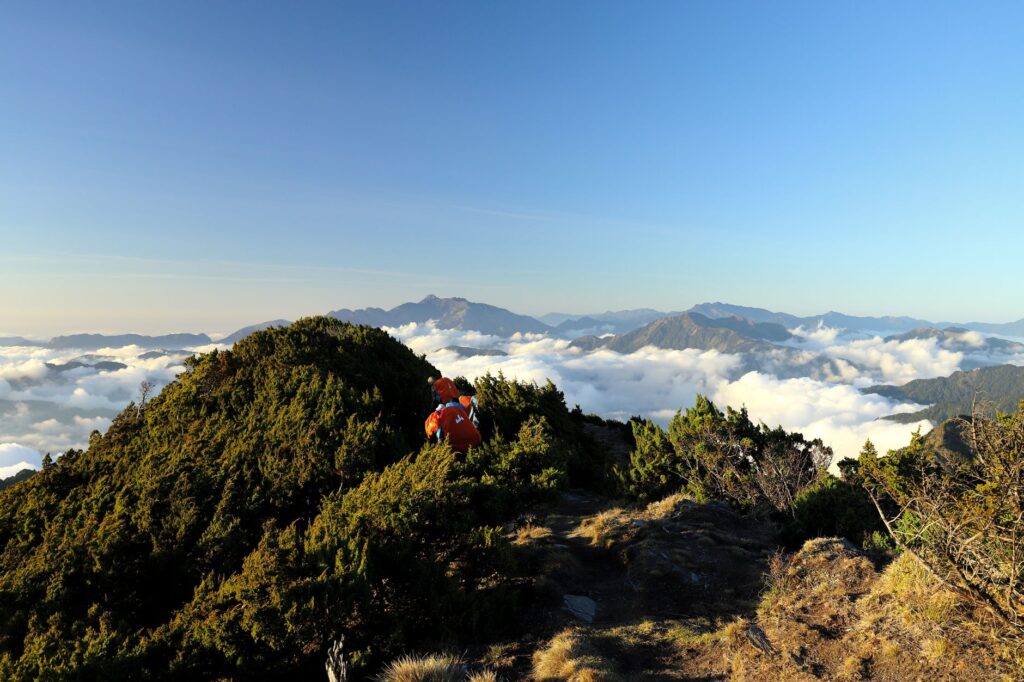
Over two thousand meters above sea level, in Taiwan’s mountainous core, the day does not begin with sunrise, but with the descent of the cloud layer. The slopes of Alishan, sculpted over generations through dry-stone terracing, represent one of East Asia’s most precise agricultural engineering feats. Here, steep gradients are not obstacles to cultivation, but the biological foundation of one of the world’s most complex botanical and culinary traditions: the production of high-mountain oolong tea.
Extreme altitude imposes a drastic thermal oscillation between day and night, a phenomenon that slows the metabolic growth of the Camellia sinensis plant. This physiological deceleration allows the leaves to accumulate an exceptional concentration of amino acids and aromatic compounds that define the oolong’s distinctive organoleptic profile. Each terrace is oriented with millimetric precision to maximize morning sunlight while protecting tender shoots from freezing Pacific winds.
Far from Taipei’s urban bustle, this vertical landscape operates under a synchronous rhythm where mist water serves as the primary natural irrigation resource. Local farmers, heirs to oral knowledge passed down through centuries of agrarian development, manipulate the terrain with an ecological awareness that prioritizes natural moisture retention over intensive mechanical intervention.
The Architecture of Trails and Mountain Shelters
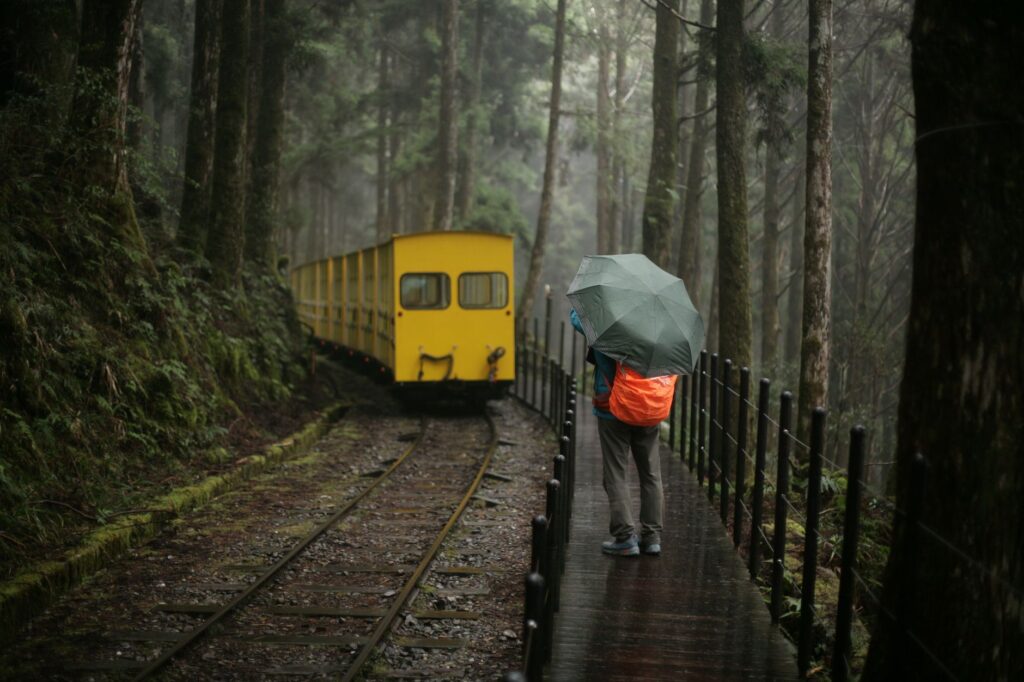
Walking through Alishan’s trails requires understanding the constructive logic of its access routes. Ancient paths made of Taiwan red cypress (Chamaecyparis formosensis) wood—now protected and partially replaced by elevated boardwalks to prevent soil erosion—wind through cloud forests where trees exceed a thousand years of age. This pedestrian infrastructure allows travelers to enter the misty domain without disturbing the delicate root architecture of the ecosystem.
Buildings dedicated to tea processing, locally known as family-run mountain factories, combine lightweight concrete structures with double-pitched roofs designed to withstand summer typhoons. Inside, the architecture strictly responds to drying thermodynamics: large open-plan rooms where air circulates freely through hand-adjusted wooden shutters, allowing alpine breezes to gently penetrate during critical withering phases.
The relationship between built space and the natural environment is one of absolute dependence. Homes and workshops do not compete with the mountain’s verticality; they anchor themselves to rocky outcrops using local stone foundations that mimic the color and texture of the underlying geological stratum.
The Pulse of Climate and the Science of Withering
The elaboration process of oolong tea is an exercise in chronometric precision and sensory sensitivity. Unlike green teas, which undergo immediate thermal inactivation, or black teas, which oxidize fully, oolong requires an intermediate state of partial fermentation ranging from twenty to eighty percent, depending on the variety and the master artisan’s intent.
The art of high-altitude tea lies not in mastering the leaf’s nature, but in listening to the exact moment when afternoon humidity yields to evening chill.
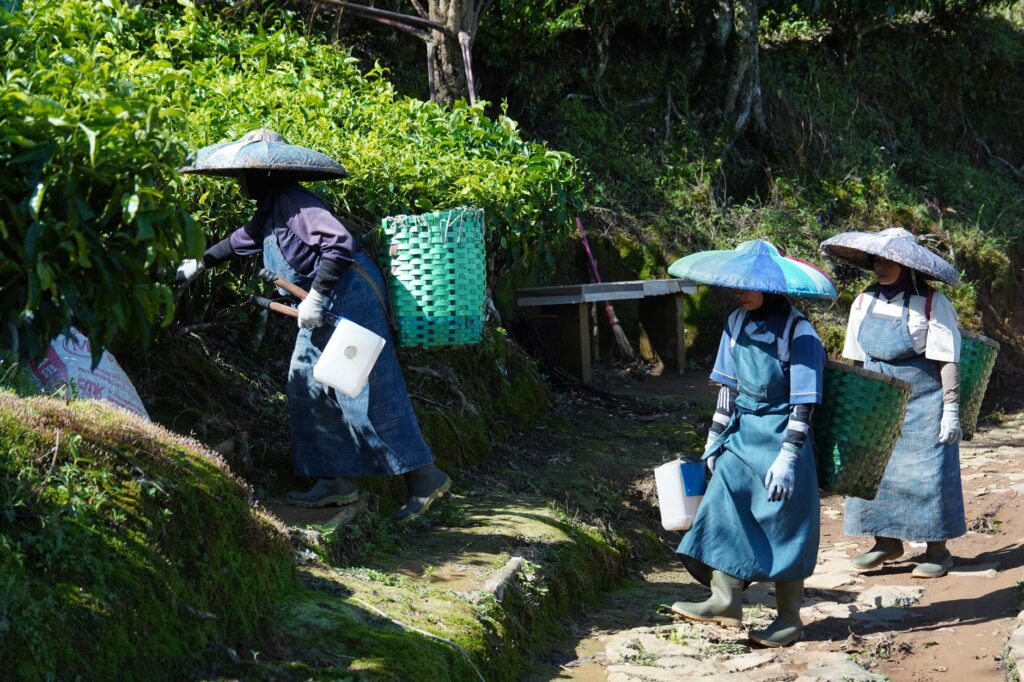
Harvesting shifts begin before dawn, when pickers select only the bud and the top two leaves using a clean twisting motion that avoids bruising the delicate plant tissue. Any premature damage to the cellular structure would trigger uncontrolled oxidation, ruining weeks of careful cultivation on exposed terraces.
Once harvested, the leaves are spread across large bamboo canvases exposed to the morning sun. This initial step, known as sun-fixation withering, aims to eliminate excess surface moisture. Afterward, leaves are moved indoors to initiate tossing and resting phases in darkened rooms, where ambient temperature is regulated through natural air currents controlled by wooden louvers.
The Invisible Chemistry of Floral Aromas
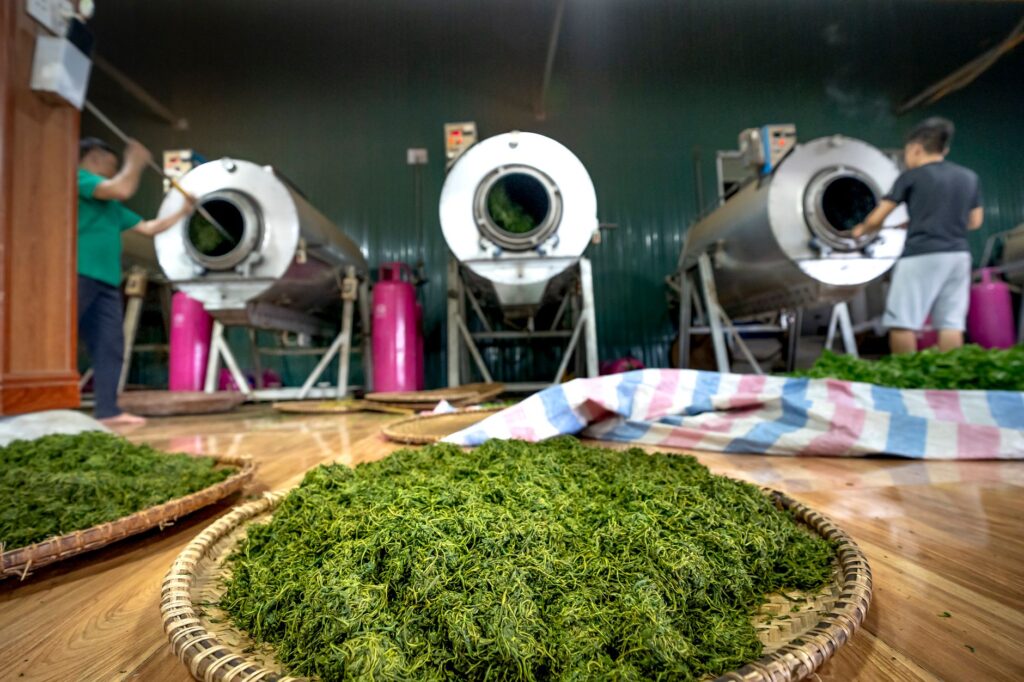
The secret of Alishan’s finest oolongs lies in the controlled stress applied to the leaf during the tossing phase. By gently tumbling leaves in bamboo cylinders, their edges suffer micro-abrasions that rupture cell membranes, releasing enzymes that interact with atmospheric oxygen. This process sparks the synthesis of volatile compounds responsible for notes of white flowers and stone fruit.
Master artisans assess oxidation progress through smell and touch, without laboratory instruments. The atmosphere inside the fermentation room grows sweet and fruity, signaling the turning point before proceeding to fixation in large rotating metal drums to permanently halt fermentation.
The final rolling phase, where dried leaves acquire their classic tightly rolled spherical shape, uses compression machines wrapping tea in hand-woven cloth bags. This process is repeated dozens of times to ensure essential oils remain intact inside each leaf.
The Culture of Water and the Ritual of Infusion
The value of a high-altitude tea is fully revealed in the cup, a process elevated in Taiwan to an aesthetic and philosophical discipline. The tea ceremony, known as Gongfu Cha, is not mere social protocol, but an analytical method designed to extract the most subtle nuances from a complex infusion.
The water used is a critical factor often overlooked. In Alishan’s mountains, sources originate from underground springs filtered through volcanic rock and granite layers, granting the water extremely low mineral content and a slightly acidic pH. This composition acts as the perfect solvent to release polyphenols and natural sugars from the spherical leaves.
The perfect infusion achieves symmetrical balance between lingering throat aroma and velvety mouthfeel.
Water temperature must be precisely adjusted according to the oolong’s roast level. While low-oxidation teas require temperatures near eighty-five degrees Celsius to avoid unwanted bitterness, heavier roasts tolerate near-boiling water, unlocking woody and mineral notes.
Time Arrested at the Ceremony Table
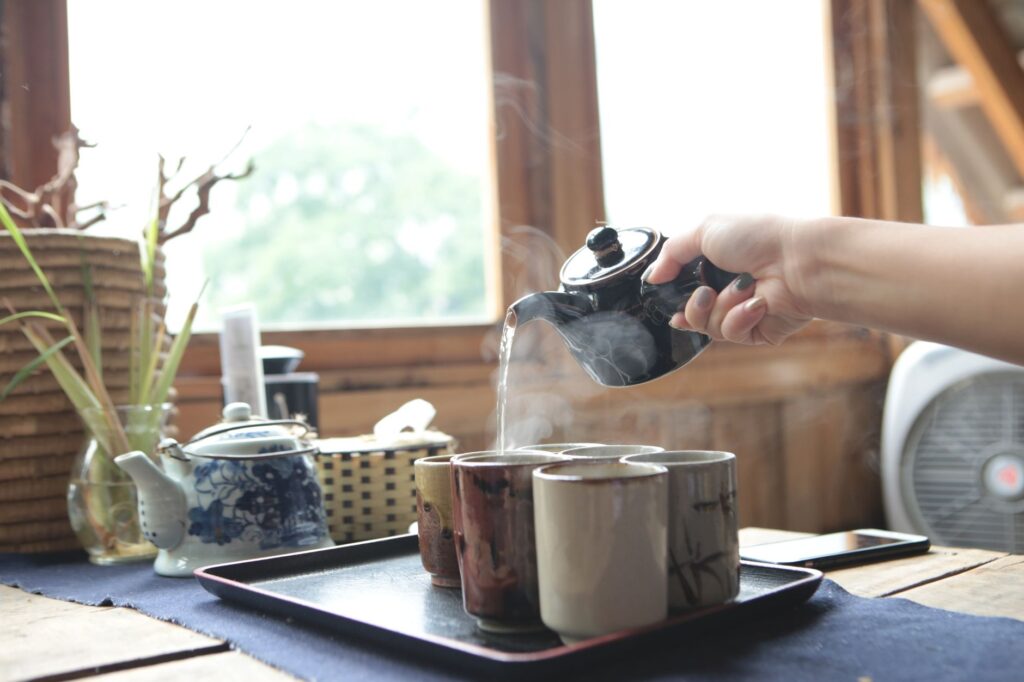
Cups used in the Alishan tradition are typically small, crafted from porous clay from the Yingge region or local ceramics. These vessels allow the liquid to cool rapidly for small sips, while aroma cups—narrower cylindrical pieces—trap delicate volatile scents for inhalation before each drink.
A single portion of high-altitude leaves can be steeped ten to twelve successive times, revealing a different botanical facet in each cycle. Early infusions highlight vegetal freshness and floral notes; intermediate ones display milky and bodied nuances; final steeps offer a deep residual sweetness lingering on the palate for hours.
This multi-pour ritual transforms tea drinking into meditation over time, compelling travelers to decelerate biological rhythms and attune themselves to the mountain’s measured cadence.
Conservation Practices and Sustainable Tourism
Over the past decade, surging global interest in single-origin teas has tested the ecological carrying capacity of Alishan’s ecosystems. Increased vehicular traffic on alpine roads and hospitality expansions have sparked urgent debates about environmental management in fragile geological zones.
Local authorities and farmer cooperatives have implemented strict regulations limiting synthetic fertilizers and promoting organic agriculture certification. Furthermore, ancient forest trails have been restored to divert mass visitor flow away from fragile cultivation plots, protecting topsoil from compaction.
Ecotourism here leans toward educational immersion. Travelers no longer seek only packaged product purchases; they participate in harvest and processing workshops, understanding firsthand the human effort and climate vulnerability behind every gram of tea.
The Impact of Local Cooperatives
The cooperative model has proved vital in preventing the mass industrialization of the sector. By grouping small family producers, these organizations guarantee fair market prices and fund reforestation projects featuring native species along plantation margins.
This community collaboration ensures traditional stone-terrace management knowledge survives generational shifts toward urban centers. The continuity of Alishan’s agrarian landscape directly depends on sustainable profitability and mutual respect among farmers, scientists, and conscious travelers.
Practical guide
How to get there: Fly into Taoyuan International Airport (TPE) or Kaohsiung International Airport (KHS), take the High-Speed Rail (HSR) to Chiayi Station, and transfer to the Alishan Forest Railway or official mountain bus lines.
Best time to visit: October through March offers clearer skies, cooler temperatures, and optimal harvest windows for winter oolong teas.
Accommodation: Prioritize family-run guesthouses (minsus) certified by the local tourism bureau within the Alishan National Scenic Area to support community-based conservation.
Etiquette: Always remove your shoes before entering traditional tea rooms, ask for permission before photographing local workers, and refrain from littering on hiking trails.
Health and safety: Altitude sickness is rare at these elevations, but rapid temperature drops require layering appropriate technical clothing. Check weather alerts for typhoon or seismic activity regularly.
Guía práctica
Cómo llegar: Vuele al Aeropuerto Internacional de Taoyuan (TPE) o al de Kaohsiung (KHS), tome el tren de alta velocidad (HSR) hasta la estación de Chiayi y continúe hacia la reserva de Alishan mediante el tren forestal o autobuses autorizados.
Mejor época para visitar: De octubre a marzo las condiciones meteorológicas son más estables, ofreciendo cielos despejados y coincidiendo con la recolección de los preciados tés de invierno.
Alojamiento: Opte por las casas de huéspedes familiares (minsus) con certificación oficial ubicadas dentro del área protegida para garantizar un impacto económico positivo en las comunidades locales.
Etiqueta: Retire siempre el calzado al acceder a las salas de cata tradicionales, solicite consentimiento antes de fotografiar a los agricultores y mantenga los senderos libres de residuos.
Salud y seguridad: Aunque la altitud moderada no suele causar mal de altura, los descensos térmicos nocturnos son acusados; equipe su equipaje con ropa técnica por capas y consulte los avisos meteorológicos locales.
The Perpetual Echo of the Summits
At dusk, when fog reclaims the stone terraces and lights from family factories glow along the hillside, Alishan recovers its ancient silence. The mountain is not a mere scenic backdrop for traveler entertainment, but a living archive where geology, climate, and human patience converge in perfect harmony. In every cup of high-mountain oolong persists the invisible effort of those who learned to listen to the earth’s rhythm, turning mist and steep slopes into one of the planet’s most refined cultural experiences.