
Introduction to the Southern Labyrinth
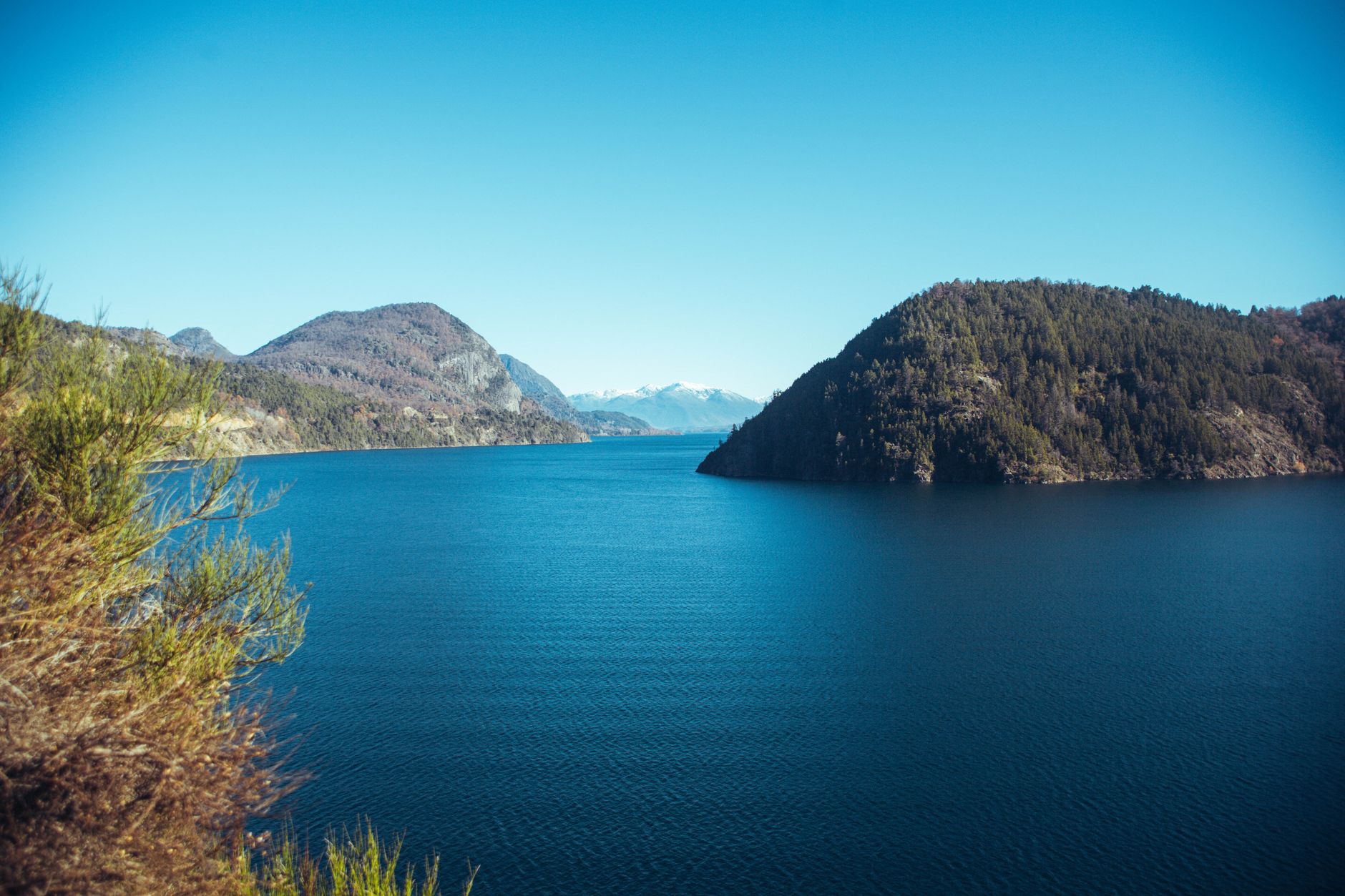
The geography of southern Chile defies traditional categories of mapped territory. Between the Gulf of Corcovado and the ice fields, the Andes mountain range plunges into the Pacific Ocean, fragmenting the land into thousands of islands, channels, and fjords that operate under their own physical and climatic laws. In this vast expanse of western Patagonia, water is not a geographical obstacle interrupting the journey, but the only possible pathway of communication. Coastal navigation, practiced for millennia by the Chono and Kawésqar canoe-faring peoples and later inherited by the Chilean merchant navy, constitutes the circulatory system sustaining human life in the most remote corners of the Chiloé archipelago and the Aysén region.
Approaching this territory requires abandoning the urgency of contemporary speed. The ferries and connectivity boats that plow these dark, deep waters move at a pace dictated by tides, gusty winds, and persistent banks of fog. Throughout this report, we will examine how the vernacular architecture of stilt houses, minor naval engineering, and the resilience of insular communities configure a landscape where human habitability is a constant exercise of adaptation and respect for the elements.
The Geography of Fjords and Perpetual Tide
The relief of the Patagonian channels is the direct result of Pleistocene glacial erosion combined with the tectonic subsidence of the continent. The result is a marine corridor protected by walls of granitic rock rising vertically from abyssal depths. In this environment, coastal navigation is governed by complex nautical charts where narrow channels, locally known as passes, demand pinpoint precision from captains of small vessels and route ferries.
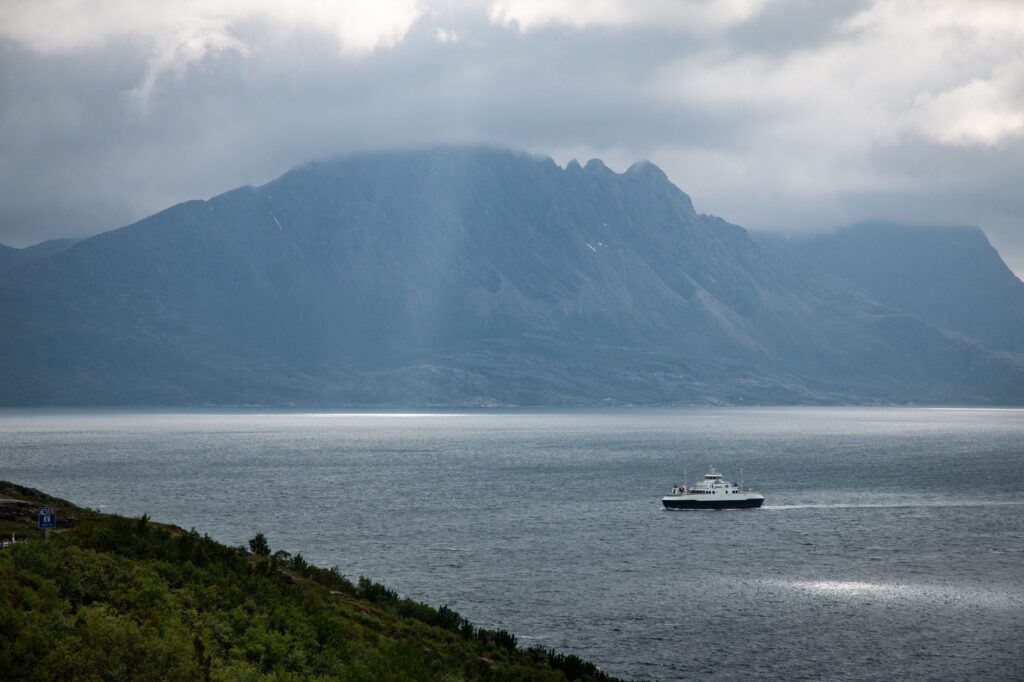
Tidal currents in sectors such as the Moraleda Channel or the Gulf of Penas can reach surprising speeds, turning marine straits into true saltwater rivers. Meteorology is another determining factor: bouts of severe weather follow one another relentlessly, bringing annual precipitation exceeding three thousand millimeters in many coastal areas. For the inhabitants of these islands, the weather forecast is not mere supplementary information, but the fundamental guideline deciding whether a small boat can set out for a neighboring village or whether cargo must wait at port.
Minor Naval Engineering: The Archipelago’s Vessels
The economic and social survival of the southern channels depends on a heterogeneous fleet of watercraft specifically adapted to local conditions. From classic Chilote launches built from native woods to modern double-ended ferries, the naval engineering applied in this zone prioritizes stability over speed and cargo capacity over superfluous comfort.
- Traditional Chilote Launch: Historically constructed with native woods like Guaitecas cypress andalerce, noted for its reinforced keel to withstand accidental contact with submerged rocks.
- State Connectivity Ferries: Mid-scale vessels authorized to transport vehicles, heavy cargo, and passengers between isolated coves and the urban centers of Quellón or Puerto Cisnes.
- Fiberglass and Aluminum Skiffs: Employed for small-scale artisanal fishing, family aquaculture, and rapid emergency transport between nearby islands.
The construction of these vessels has required profound empirical knowledge of hydrodynamics and the mechanical properties of native timbers. Guaitecas cypress, in particular, is valued for its extraordinary resistance to rot in humid marine environments, although its extraction is now strictly regulated to protect fragile high-altitude forest ecosystems.
Stilt Architecture: Raising Homes Above the Water
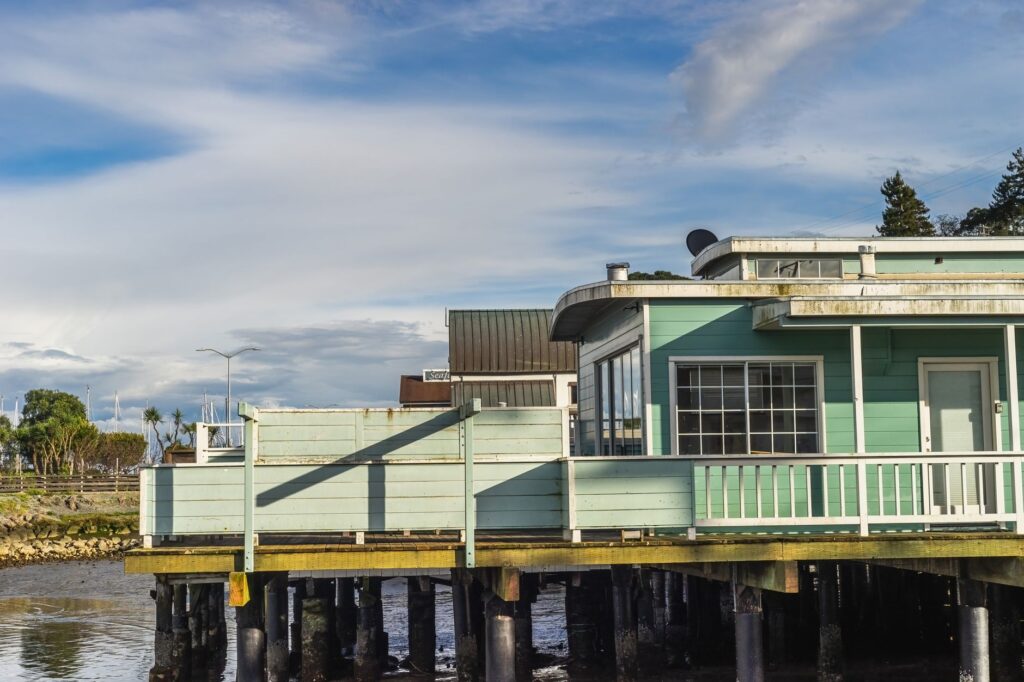
If navigation is the means of transport, stilt architecture is the most emblematic housing response of the southern Chilean island culture. Towns like Castro, on Chiloé Island, or smaller coves along the Aysén coastline historically developed entire neighborhoods suspended on wooden piles driven directly into the seabed or intertidal zone.
This construction system responds both to the scarcity of flat land at the foot of the hills and to the practical necessity of coexisting with extreme tidal variations, which in some parts of the archipelago exceed six meters in amplitude. During low tide, the houses stand exposed over a forest of dark posts covered in kelp and shellfish; during high tide, the water laps directly against plank flooring, generating an immersive acoustics that characterizes domestic life along the coastal fringe.
Timber is not merely a building material in the southern channels; it is the living tissue connecting mountain and sea, sustaining both the watercraft plying the fjords and the homes defying the tide.
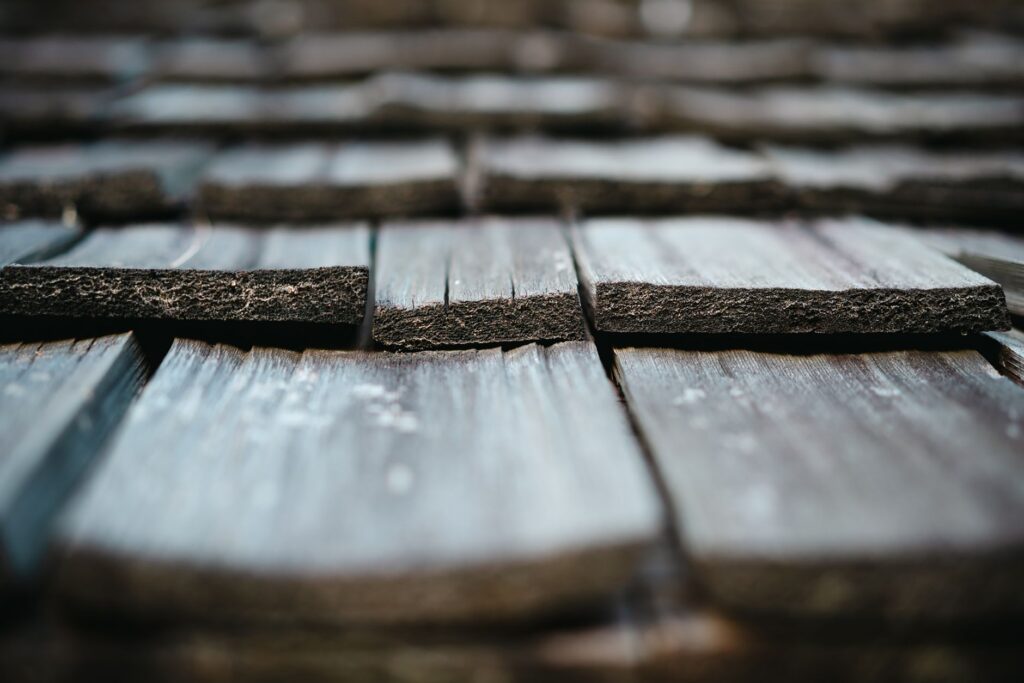
The use of alerce shingles to clad walls and roofs completes this vernacular architectural system. Shingles, split by hand with axes in past times and today with precision mechanical tools, act as an impermeable skin capable of withstanding decades of horizontal rain and gale-force winds without losing structural integrity.
The Temperate Rainforest and the Hydrographic Basin
The insular condition of the channels cannot be understood without the dominant presence of the Valdivian and North Patagonian rainforest. This temperate rainforest ecosystem covers the slopes of the fjords right down to the sea’s edge, creating a high-biodiversity ecological interface where millennial alerce trees, coigües, tepus, and tree ferns coexist.
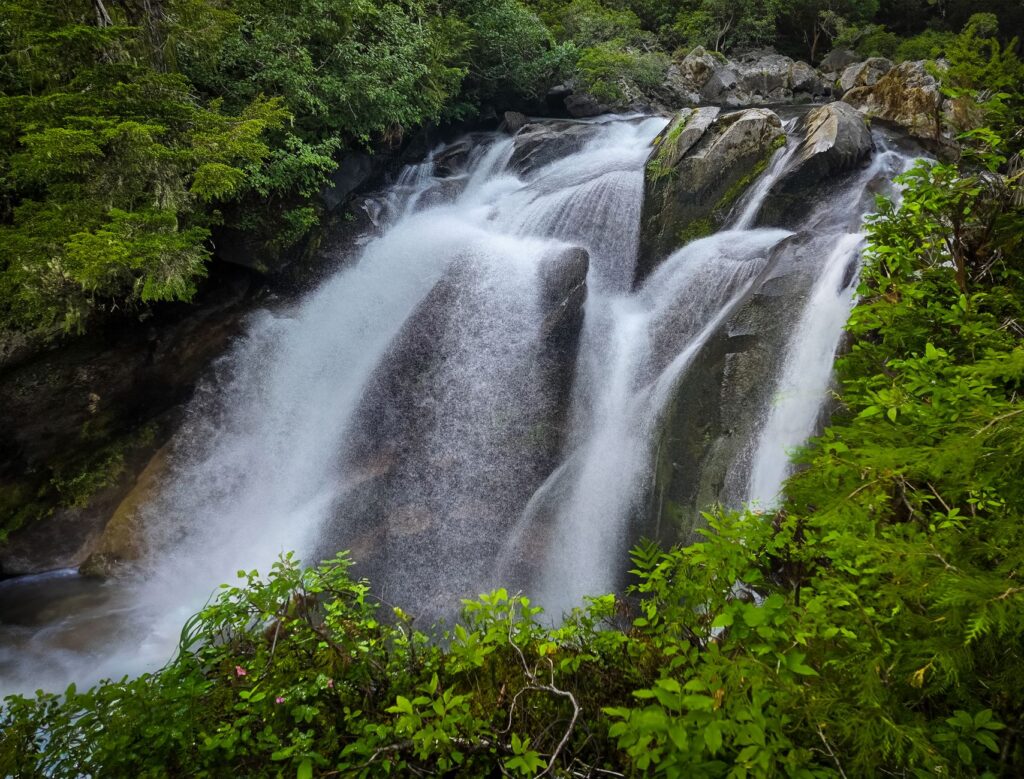
Rivers and waterfalls descending abruptly from the ice fields pour a constant flow of fresh water into the marine channels, generating a surface layer of low salinity that significantly influences local oceanic circulation and the development of aquaculture. The management of these hydrographic basins is currently the subject of rigorous scientific studies aimed at preserving the purity of river courses against the pressures of human activity and global climate change.
Food Sovereignty and Shore Gathering
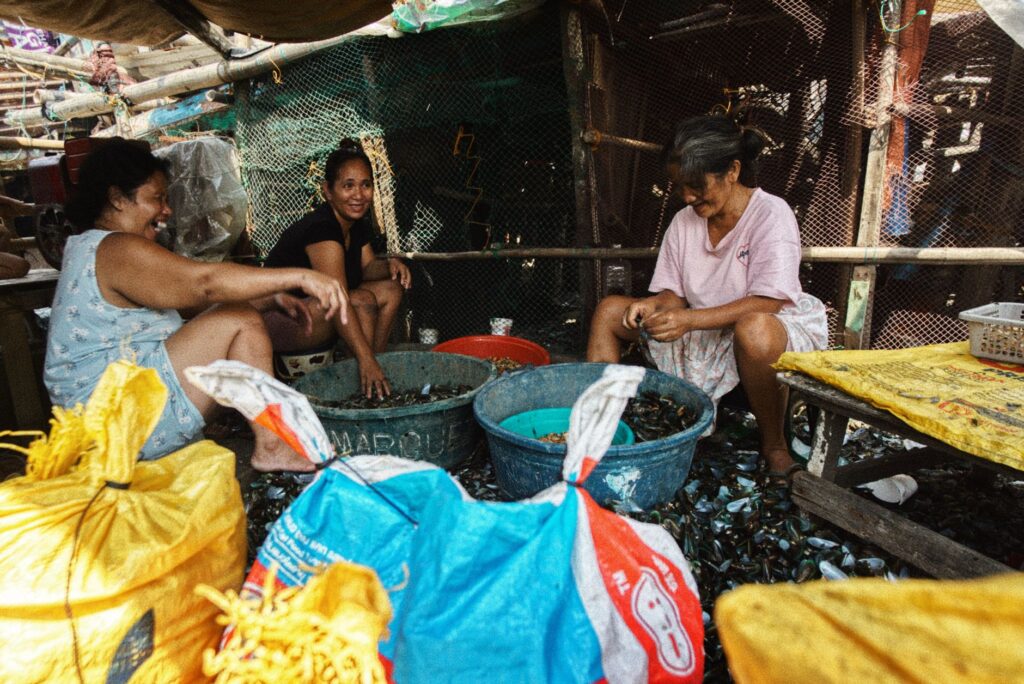
Subsistence economies in the channels of Aysén and Chiloé have historically relied on shore gathering and small-scale artisanal fishing. At low tide, women from insular communities scour rocky shoals and sandbanks for shellfish such as mussels, clams, giant barnacles, and limpets, a fundamental nutritional resource complementing products from family gardens and commercial barter with merchant ships.
- Sustainable Gathering: Community practices based on traditional closed seasons and rotation of natural banks to prevent the depletion of benthic resources.
- Artisanal Bull Kelp Aquaculture: Controlled extraction of brown macroalgae used both for local consumption and commercialization toward northern markets.
- Sheltered Home Gardening: Production of native potatoes, Chilote garlic, and vegetables resistant to low temperatures and high summer cloud cover.
This direct relationship with the marine and terrestrial environment demands an encyclopedic knowledge of local biological cycles, transmitted from generation to generation through oral memory and practical experience in daily work.
Life Aboard: The Rhythm of Connectivity Routes
To fully grasp the human dimension of this territory, boarding the ferries operating state-subsidized connectivity routes in southern Chile is indispensable. These journeys, lasting anywhere from a few hours to several days between Puerto Montt and Puerto Chacabuco, function as authentic floating communities where rural schoolteachers, local passengers, scientific researchers, and freight transporters converge.
Aboard these vessels, the passenger lounge transforms into a space of social deliberation and refuge against the relentless climate. Conversations revolve around road conditions, fuel prices, bidding processes for new vessels, and stories of shipwrecks in the most dangerous passages along the route. The central pellet or wood-burning stove serves as the focal meeting point, where bitter mate tea and recent news from the most isolated coves are shared.
Practical guide
How to Get There: The main access to the northern zone of the channels is through Puerto Montt, connected by daily domestic flights from Santiago de Chile. Accessing Chiloé involves Route 5 South and the Chacao Channel ferry; for Aysén, the primary maritime route departs from Puerto Montt or Quellón toward Puerto Chacabuco or Melinka.
When to Travel: Summer months, from December to March, offer the most favorable meteorological conditions with less intense winds and longer daylight hours. However, Patagonian weather is fickle at any time of year; flexible planning is mandatory given potential sailing cancellations due to bad weather.
Transport Logistics: Consulting updated itineraries of shipping companies (such as Navimag, Transportes Austral, or local barges) weeks in advance is essential, especially when traveling with a private vehicle. Reservations for long-distance routes open quarterly.
Accommodation and Services: Insular localities are dominated by family-run guesthouses, wooden cabins, and small rural tourism lodges. Carrying cash is strongly advised, as digital connectivity and ATMs are limited or nonexistent in more isolated coves.
The Emotional Pulse of the Southern Frontier
At the journey’s end, when the silhouette of insular mountains blurs beneath a fine, steady drizzle, insular Patagonia reveals its true nature: not a territory meant to be conquered, but a space inviting silent contemplation and the recognition of our own fragility before the vastness of the marine landscape. In every wooden pier sustained by sturdy pilings and in every launch moving with resolute pulse against the fjord current, the ancient lesson persists that human life, when aligned with nature’s rhythm, finds extraordinary ways to endure.