
Deep Origins in Tuscan Stone and Roman Heritage
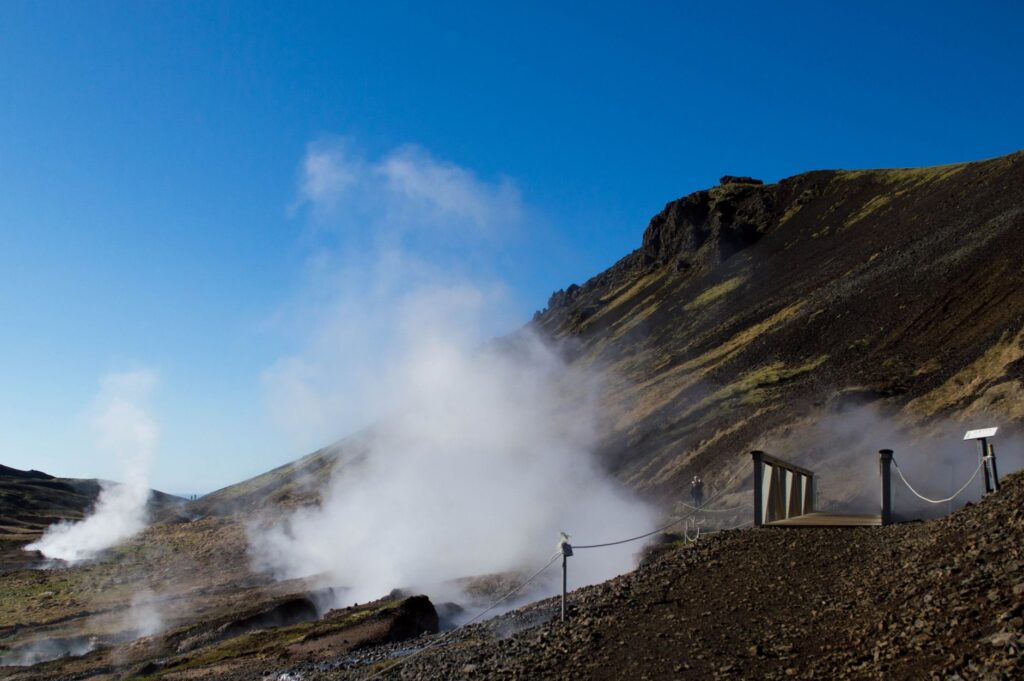
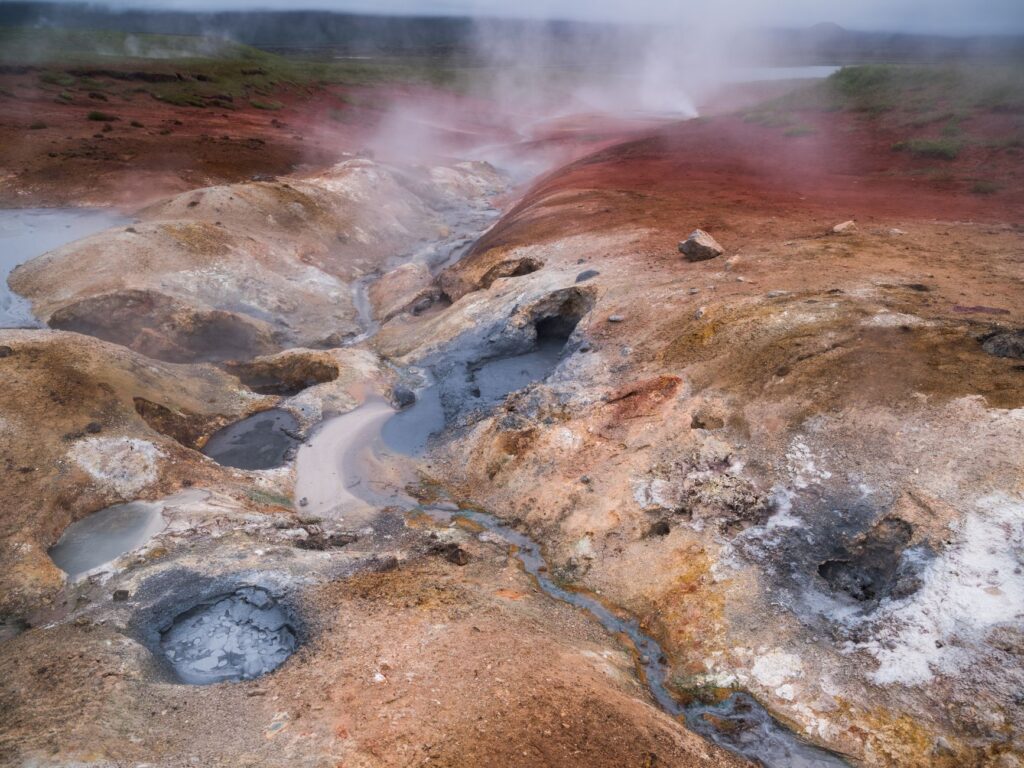
The Galician terrain conceals beneath its surface a complex network of tectonic faults that act as natural boilers. In Ourense, this geological phenomenon manifests through thermal outcrops whose earliest documented traces date back to Roman times, recognizing in these sulfated and sodic waters both a curative and strategic resource. The city sits upon a deep aquifer where rainwater, slowly filtered through granitic layers over decades, descends thousands of meters underground. There, geothermal heat warms it naturally before forcing it upward with unceasing energy.
This constant flow has shaped not only the urban layout of the city but also the psychology of its inhabitants, accustomed to living with the perpetual vapor rising from public squares and river bends. Unlike other European spa enclaves where thermalism was relegated to isolated aristocratic luxury, in Ourense hot water is an integral part of the public sphere. The famous Burgas, located in the historic center, stand as the clearest testimony to this symbiotic relationship between deep geology and the daily life of a community that has made subterranean heat its most intimate identity marker.
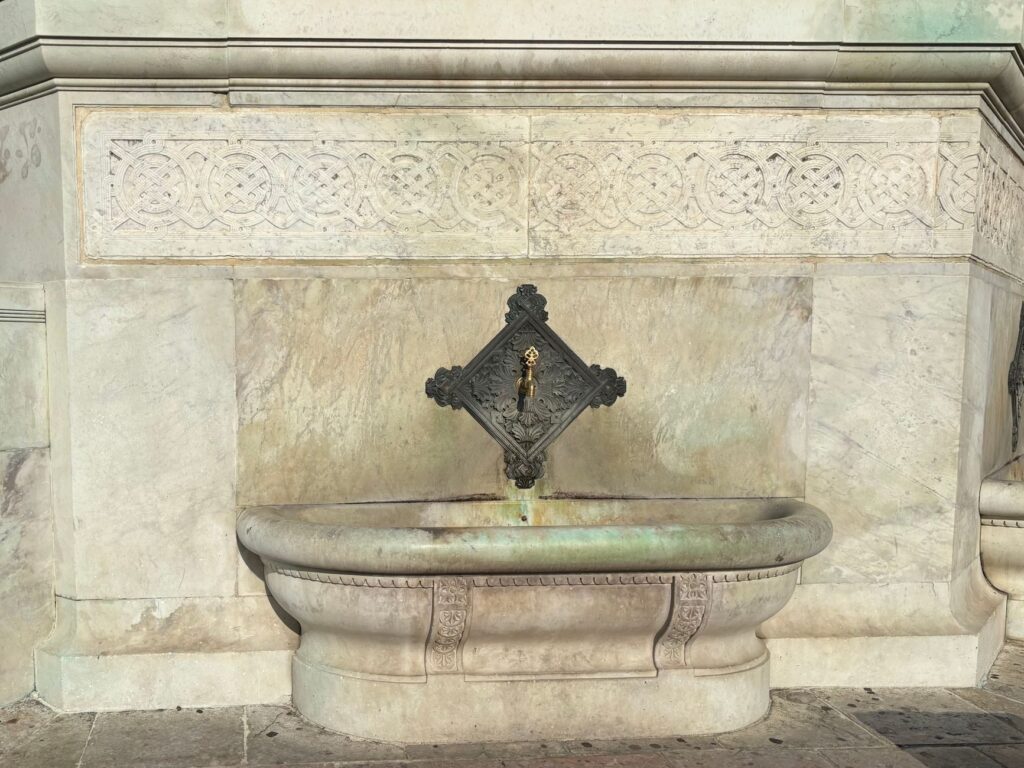
The historical architecture surrounding these springs responds to a centuries-old need for containment and canalization. From granite basins carved by medieval stonemasons to 19th-century neoclassical structures, every human intervention has sought to tame a resource flowing without pause. Analysis of these structures reveals an exceptional mastery of traditional hydraulics, where terrain slopes are leveraged to distribute hot water to various community use points, demonstrating an intuitive sustainability that fascinates modern engineers and hydrologists alike.
The Engineering of Hot Water and the Miño River Basin
Along the banks of the Miño River stretches the Thermal Route, a riverside pathway concentrating several of the Iberian Peninsula’s finest open-air bathing facilities. In this stretch, modern engineering dialogues directly with the valley’s natural topography. Pools such as A Chavasqueira, Outariz, and As Burgas de Canedo have been designed integrating native materials like quarried stone and treated wood, minimizing visual impact on the surrounding natural environment and respecting seasonal river floods.
Operating these free, public recreation areas requires rigorous technical maintenance. Flow rates must be constantly regulated to maintain temperatures oscillating between thirty-eight and forty-one degrees Celsius. Municipal technicians monitor the chemical parameters of each spring, ensuring that mineral-medicinal properties—rich in fluoride, silicates, and sulfur compounds—remain intact from the source to the immersion pools. This balance between civic accessibility and sanitary rigor is one of Ourense’s greatest municipal management achievements.
Thermal water in Ourense is not a mere tourist attraction; it is the invisible pulse that fuels Galicia’s geological memory and defines a deliberate, unhurried way of understanding the territory.
The riverside promenade serves as both a physical wellness circuit and an ecological corridor where willow and alder riparian zones coexist with aquatic birds. Walking this path as morning mist disperses with the rising steam creates a uniquely introspective atmosphere. Visitors, equipped with essentials, move silently across wooden boardwalks suspended over the riverbed, establishing an unspoken code of respect and tranquility that turns the space into a secular sanctuary for mental disconnection.
Mineral-Medicinal Properties and the Rigor of Hydrotherapy
From a medical perspective, Ourense’s waters possess therapeutic properties endorsed by contemporary medical hydrology. Bicarbonated sodic and sulfurous waters offer prominent anti-inflammatory and analgesic effects, particularly indicated for rheumatological conditions, dermatological problems, and musculoskeletal injury recovery. Specialists recommend following controlled immersion guidelines, alternating hot baths with contrast showers to stimulate the circulatory system without subjecting the body to excessive thermal stress.
The cutaneous absorption process of dissolved minerals acts at a cellular level, promoting central nervous system relaxation and drastically reducing blood cortisol levels. In an era marked by hyperconnectivity and chronic stress, traditional hydrotherapy emerges as a first-rate public health tool. The city’s thermal centers, both public and private, collaborate with health specialists to offer personalized programs ranging from simple relaxation to functional rehabilitation guided by physiotherapists.
This scientific approach to wellness contrasts pleasantly with the slowed-down rhythm breathed within the facilities. There is no rush in the Galician thermal baths; time is measured in immersion cycles, rests on heated stone, and the leisurely sipping of local herbal infusions. This mandatory pause allows travelers to reconnect with long-forgotten bodily sensations, turning the stay into a profound exercise in self-awareness and preventive care for integral health.
Contemporary Thermal Architecture: From Ruin to Avant-Garde Design
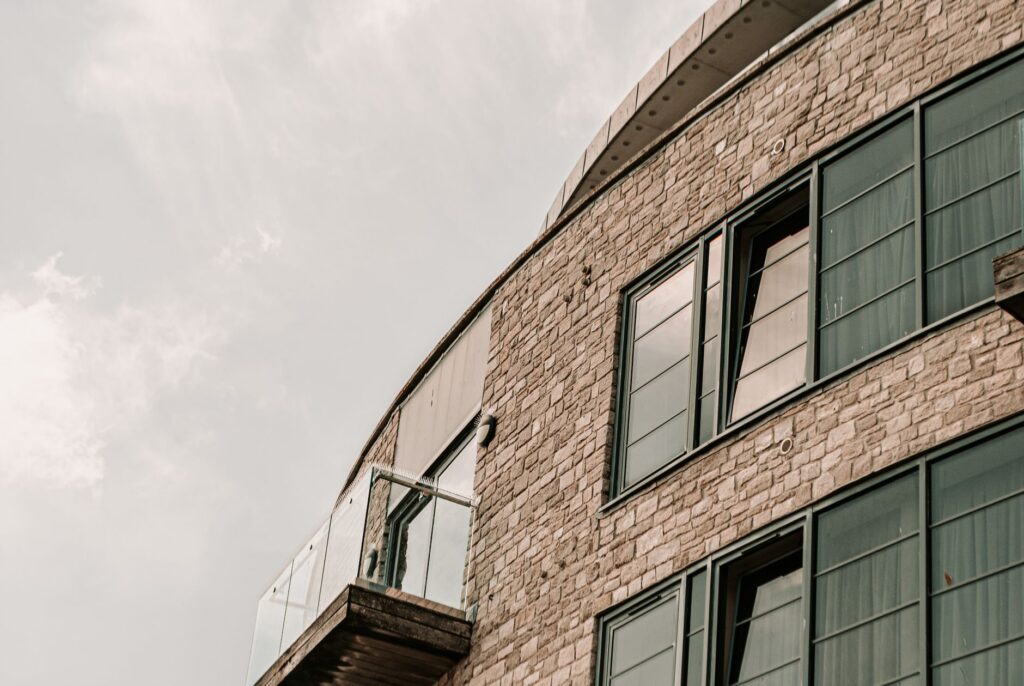
In recent decades, Ourense has successfully rescued its abandoned thermal heritage through architectural projects of high aesthetic and functional value. A clear example is the recovery of disused old mills and bathhouses transformed into minimalist design thermal complexes. Renowned architects have used exposed concrete, large glass panes, and laminated timber to frame views over the Miño River, allowing the exterior landscape to penetrate steam rooms and hydrotherapy pools.
This dialogue between modern architecture and millennial tradition revalues peripheral neighborhoods that once turned their backs on the river. The intervention at As Burgas, for instance, included the construction of an archaeological interpretation center alongside an open-air thermal pool designed by architect César Portela, where the remains of an ancient Roman bath coexist harmoniously with contemporary geometric volumes of great formal purity. Natural light becomes another building material, filtering through skylights that cast shifting shadows over pure stone walls.
Maintaining these infrastructures demands complex engineering solutions due to the water’s high mineralization, which tends to corrode metals and generate calcareous deposits rapidly. The use of specialized stainless steels, closed-circuit filtration systems, and assisted geothermal technologies demonstrates a firm commitment to long-term energy efficiency and sustainability, consolidating the city as a European benchmark in urban thermal management.
Wellness Rituals and Steam Culture in the Northwestern Peninsula
Ourense’s thermal experience possesses unique codes rooted in popular customs passed down from generation to generation. The habit of visiting the thermal baths at dusk, when the sun begins to retreat behind the historic bridges crossing the Miño, is a social ritual fostering unhurried conversation and intergenerational encounters. Within these hot water spaces, social hierarchies dissolve; all bathers share the same condition of gentle vulnerability wrapped in vapor.
Complementary practices accompany these evening baths, such as using natural steam saunas and massages with essential oils made from native Galician plants like thyme, rosemary, and gorse flower. These botanical elements enhance the relaxing effect of the mineral-medicinal waters, creating a multisensory experience encompassing smell, touch, and sight. Local therapists emphasize the importance of maintaining silence during sessions to preserve the meditative atmosphere characterizing these enclosures.
True luxury in thermal Galicia does not lie in material ostentation, but in the capacity to halt time around a warm flow that has been gushing since before written memory existed.
This respect for silence and personal space is one of the greatest attractions for travelers seeking a genuine alternative to mass tourism. In Ourense’s facilities, technological stridency finds no home; mobile phones are prohibited in bathing areas, and the only background music is the constant murmur of falling water and the distant sound of the Miño River carrying its flow toward the Atlantic.
Practical guide
How to get there: Ourense features excellent railway connections thanks to the AVE high-speed line, placing the city just over two hours from Madrid. It is also accessible by road via the A-52 highway from Vigo and Benavente.
Best time to visit: Autumn and spring offer the most balanced conditions, combining pleasant outdoor temperatures with the magic of morning river fog. Winter, though cold, enhances the physical contrast of submerging in 40-degree water in the open air.
Recommended thermal facilities: As Burgas (in the historic center, free and open access); the Outariz and Chavasqueira thermal zone (along the Miño promenade, combining free public areas with a private Japanese-inspired thermal circuit).
Health recommendations: Consult a specialist before undertaking prolonged immersions if suffering from arterial hypertension or severe heart conditions. The use of rubber flip-flops, swimming caps in certain enclosed venues, and staying hydrated by drinking water regularly during circuits are mandatory.
The Silent Pulse Enduring Beneath the Earth
When night falls over Ourense and city lights reflect on the dark surface of the Miño River, thermalism acquires its most mystical and secluded dimension. The silhouettes of bathers emerging among plumes of vapor remind us that human civilization in this valley has always depended on an invisible yet constant subterranean pulse. In an era obsessed with speed and planned obsolescence, this hydrothermal miracle offers a lesson in permanence and humility.
The traveler leaving the city after several days of immersion experiences a subtle yet profound transformation. Heart rates sync with the unhurried pace of mineral-medicinal waters, muscles release tensions accumulated during months of urban routine, and the mind recovers that essential clarity only silence and natural warmth can restore. Ourense thus reveals itself not as a mere weekend getaway destination, but as a necessary reminder that true health lies in knowing how to listen to the deep rhythms of the earth.
This communion between human beings and hot water is a living heritage that deserves protection against the pressures of accelerated tourism. Local administrations and users share the responsibility of guarding this fragile balance, ensuring springs continue to gush with pristine purity for future generations. Ultimately, submerging oneself in the Burgas or the Miño pools is an act of historical continuity, a reminder that we belong to a natural cycle preceding us and destined to outlive us.