

The luggage of an international music star is usually a mystery guarded by armies of assistants, yet it is rarely associated with fresh market produce. However, in the universe of Shania Twain, the logistics of global tours and extended stays in luxury hotels coexist with a grounding obsession: the bags of fresh spinach that always await her in her room. Far from the eccentric caprices typical of major rock icons, this peculiar requirement stems from a profound need to maintain control over her personal well-being amid the frenzy of airports and international stages.
Through an intimate look at her travel habits, this report examines how the legendary country-pop singer manages jet lag, sensory overload, and continuous adaptation to new time zones. It is not merely a gastronomic whim, but a physical anchor that allows her to inhabit any suite in the world as if it were her own dining room. In an industry where travel is synonymous with exhaustion, Twain’s discipline reveals a philosophy where the most exclusive luxury is not bathroom marble, but the ability to preserve small daily rituals.

The Invisible Geography of International Tours
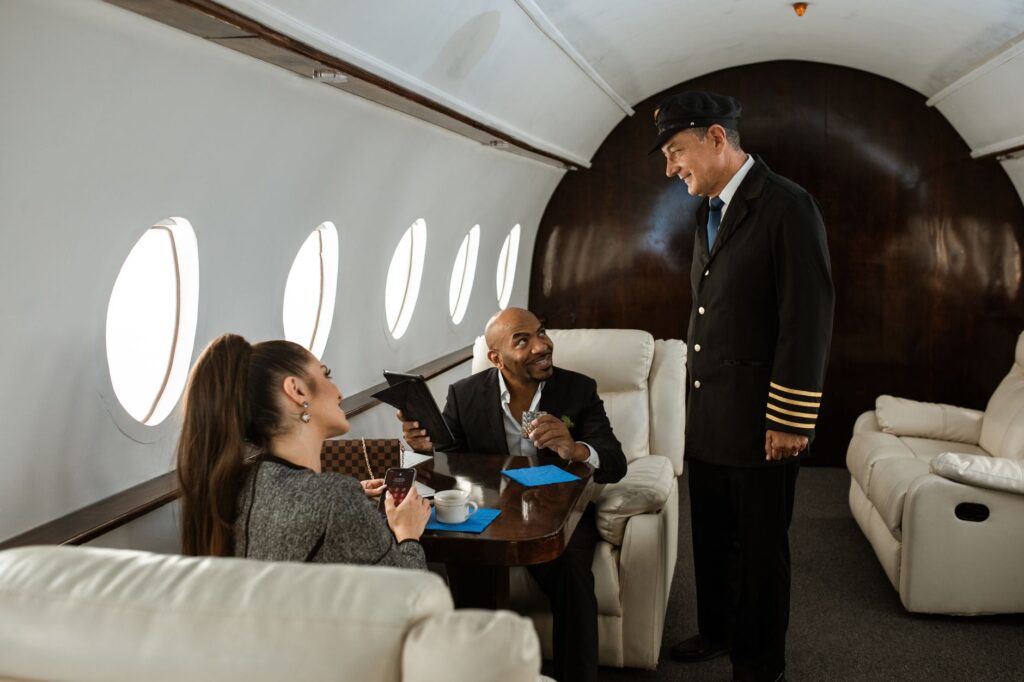
For most mortals, boarding a plane involves dealing with delays, security checks, and the discomfort of economy seats. For Shania Twain, the journey is a choreography rehearsed over decades that spans entire continents. The geography of her movements is not measured in miles traveled, but in the ability to transform private jets and luxury hotels into functional spaces for creation and rest. Each stopover requires millimeter-scale adaptation of body and mind, where sleep logistics and nutrition become absolute priorities against the backdrop of fans and press.
The pace of a contemporary tour subjects the body to unusual stress. Sudden changes in atmospheric pressure, cabin dryness, and disrupted circadian rhythms are silent enemies well known to any frequent traveler. In Twain’s case, the strategy to combat this wear and tear begins long before packing suitcases. Route planning seeks to minimize the impact of jet lag, interspersing days of acclimatization in natural environments whenever the calendar permits.
The Arrival Ritual: When the Suite Becomes Home
The most delicate moment of any long journey is arriving at the destination. Opening the door to an unfamiliar hotel room can induce a subtle sense of disorientation, even in the world’s most luxurious establishments. This is where the artist’s secret protocol comes into play. While the production crew reviews technical aspects of the concert, hotel staff receive precise instructions regarding the suite’s refrigerator and kitchen. Alongside filtered water, organic fruits, and specific teas, raw spinach holds a place of honor.

This green leafy vegetable is not a mere decoration; it is the main ingredient for the smoothies and express salads the singer prepares personally after crossing half the globe. The ability to consume fresh, nutrient-dense food free from the ultra-processed items typical of room service is essential for regaining energy. Control over one’s own nutrition is the ultimate tool to keep your bearings when everything around you is constantly changing. This maxim defines a way of understanding travel where nutritional autonomy replaces the passivity of the conventional traveler.
The Carry-On Luggage as a Personal Sanctuary
Beyond checked bags carrying stage costumes and technical gear, Shania Twain’s carry-on luggage functions as a portable ecosystem designed to protect her from external chaos. Inside, one rarely finds the latest technological gadgets, but rather tactile and comforting objects: essential oils, heavy-paper notebooks, and knit garments made from natural fibers that withstand the low temperatures of aircraft holds without losing softness.

The selection of these items reflects a sophisticated understanding of traveler psychology. When the physical environment is radically mutable, touch and smell act as memory anchors informing the brain that, despite being in Tokyo, London, or Sydney, one is still in one’s own skin. Traveling extensively does not mean abandoning identity, but learning to pack it intelligently. Dead hours in airport VIP lounges are thus transformed into moments of writing and reflection, far from media noise.
Tactical Disconnection in Airports and Terminals
Twenty-first-century air terminals have transformed into giant shopping centers designed to stimulate compulsive consumption. Facing this visual and auditory bombardment, the most experienced travelers develop almost invisible defense mechanisms. Shania Twain has perfected the art of going unnoticed, or at least shielding her mental space from the hubbub. The strategic use of oversized sunglasses, wide-brimmed hats, and a relaxed yet firm posture form part of her daily armor.
This attitude does not seek discourtesy toward admirers crossing her path, but rather the preservation of creative energy. A concert demands titanic emotional delivery, and wasting psychic resources in the tumult of a boarding gate is a mistake veteran professionals learn to avoid. The terminal ceases to be a place of stress and becomes a neutral transit zone, where time is suspended through reading or attentive listening to unreleased music demos.
The Impact of Nature on the Frequent Traveler’s Health
Despite spending entire months among concrete, asphalt, and hotel carpeting, Twain’s relationship with open spaces remains the primary driver of her mental balance. Whenever her schedule permits, her urban stays are complemented by escapes to rural areas far from mass tourist circuits. The need to step on firm ground, breathe unfiltered air, and contemplate landscapes where human hands have left barely a trace is as imperative as her vocal rehearsals.
Travel medicine scientists confirm that intermittent exposure to natural environments drastically reduces cortisol levels associated with tour stress. For the artist, these green parentheses act as a clean slate. It is not about cultural tourism or visiting must-see monuments, but experiencing absolute silence. That radical contrast between the roar of packed stadiums and the stillness of a forest is the true secret of her artistic longevity.

Practical guide
If you wish to apply some of the wellness and organizational lessons of the most experienced travelers to your next international adventures, keep the following operational recommendations in mind:
- Nutritional autonomy at the hotel: Contact your accommodation’s customer service team before arrival to request specific fresh products that allow you to maintain your dietary habits.
- Minimize jet lag impact: Plan at least twenty-four hours of passive acclimatization upon arrival at destinations with a time difference exceeding five hours, avoiding immediate professional commitments.
- Design your sensory carry-on kit: Include familiar tactile and aromatic elements in your cabin baggage (such as a favorite scarf or an essential oil) to counteract spatial disorientation.
- Protect your energy in terminals: Establish clear protocols for digital and visual disconnection at airports to preserve concentration and prevent premature exhaustion.
- Prioritize natural spaces: Intersperse stays in rural environments or national parks during long trips whenever possible to reset stress levels.
The Horizon of the Conscious Traveler and the Legacy of the Road
The life journey of a figure of Shania Twain’s stature demonstrates that how we move ultimately defines who we are. Suitcases loaded with sheet music, iconic hats, and humble bags of spinach in the luxury suite fridge are part of the same coherent narrative: the constant attempt to domesticate the wilderness of the modern world. At the end of the day, when stage lights dim and silence takes over the room, true travel is not about passport stamps, but the ability to keep one’s essence intact across oceans.