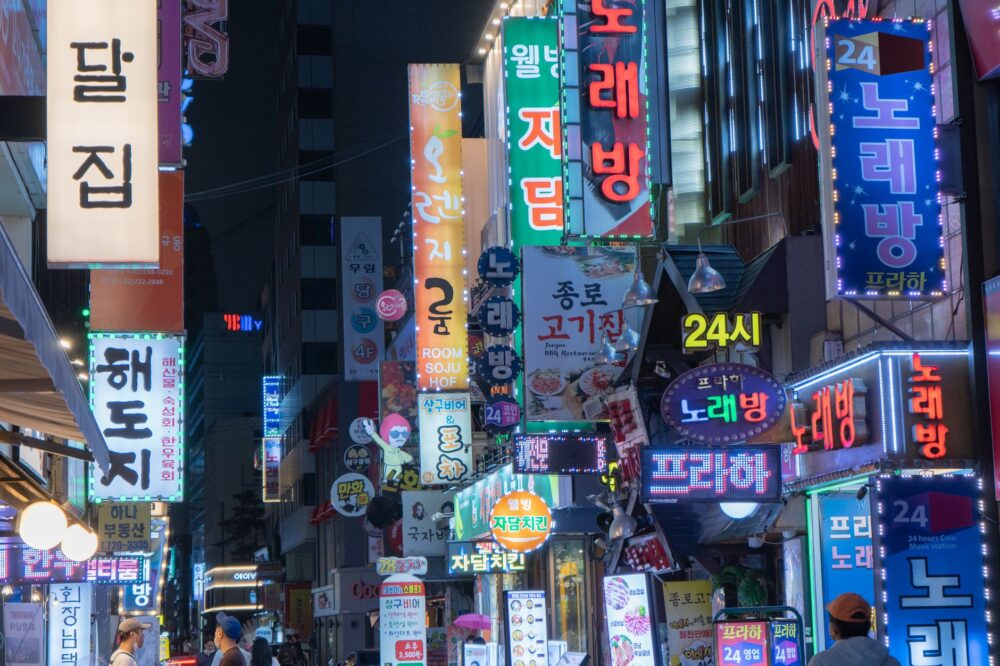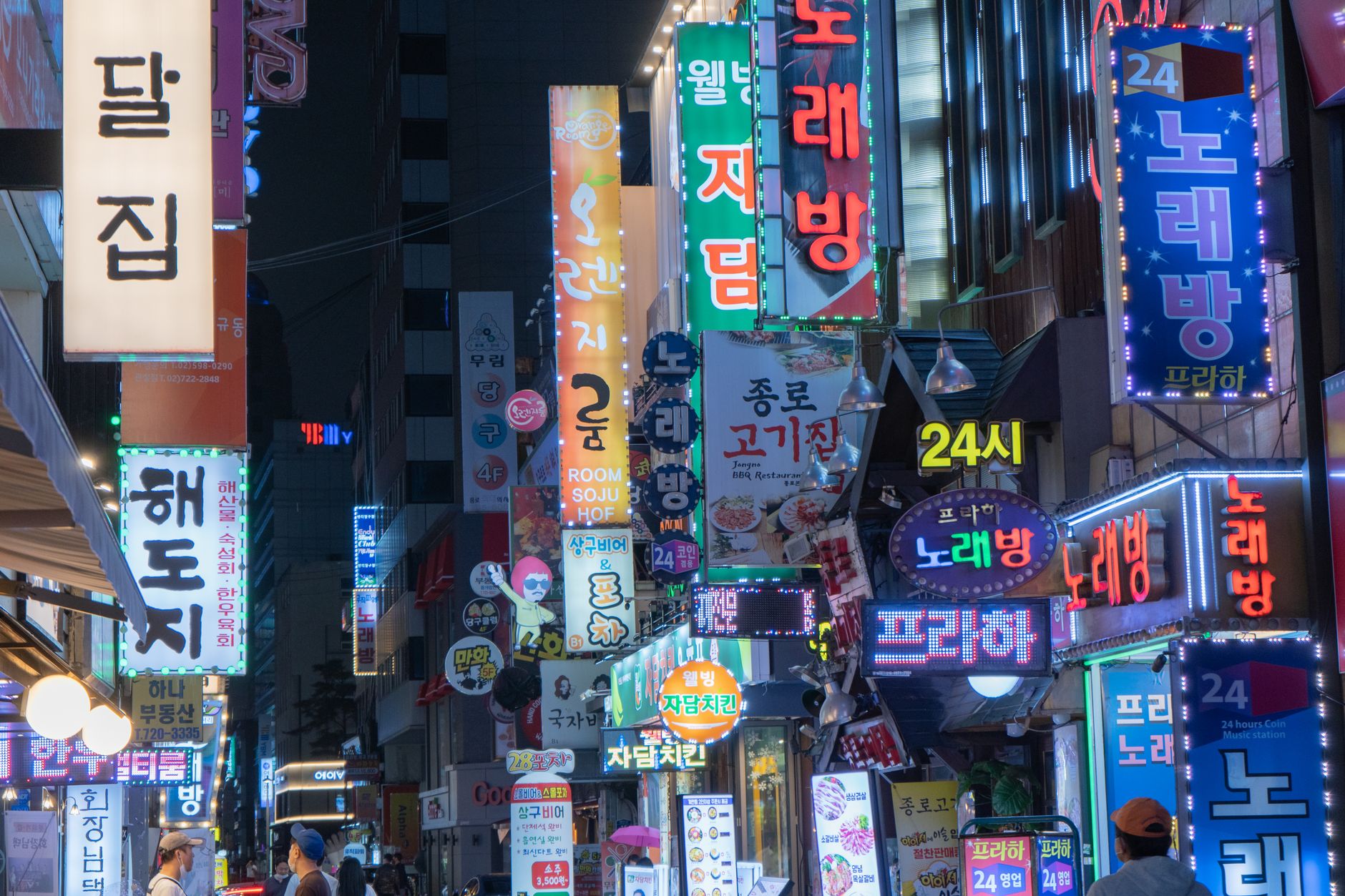

In the contemporary collective imagination, South Korea is frequently evoked through a prism of avant-garde skyscrapers, giant neon screens in Gangnam, and the dizzying pulse of a hyper-connected society. Yet beneath this surface of technological frenzy beats a millennial substratum that has resisted the onslaught of modernity. The recent surge in the country’s cultural tourism does not respond merely to an economic diversification strategy, but to an identity-driven reclamation: opening the doors to a living heritage where Buddhist spirituality, Confucian aesthetics, and traditional craftsmanship continue to dictate the rhythm of daily life. For the global traveler, delving into this territory requires stepping off conventional circuits and tuning into a sensibility where every architectural gesture and culinary bite holds centuries of historical refinement.
This report examines how South Korean institutions and local communities are redefining the travel experience. Far from turning the past into a sterile theme park, current efforts prioritize reflective immersion, enabling visitors to comprehend the invisible codes that structure coexistence on the peninsula. From monastic sanctuaries hidden within mountain ranges to the rammed-earth alleys of traditional villages, South Korea offers a cartography where time is measured not in saved minutes, but in the depth of attention paid to the subtle rituals of existence.
The architecture of void and the power of hanok
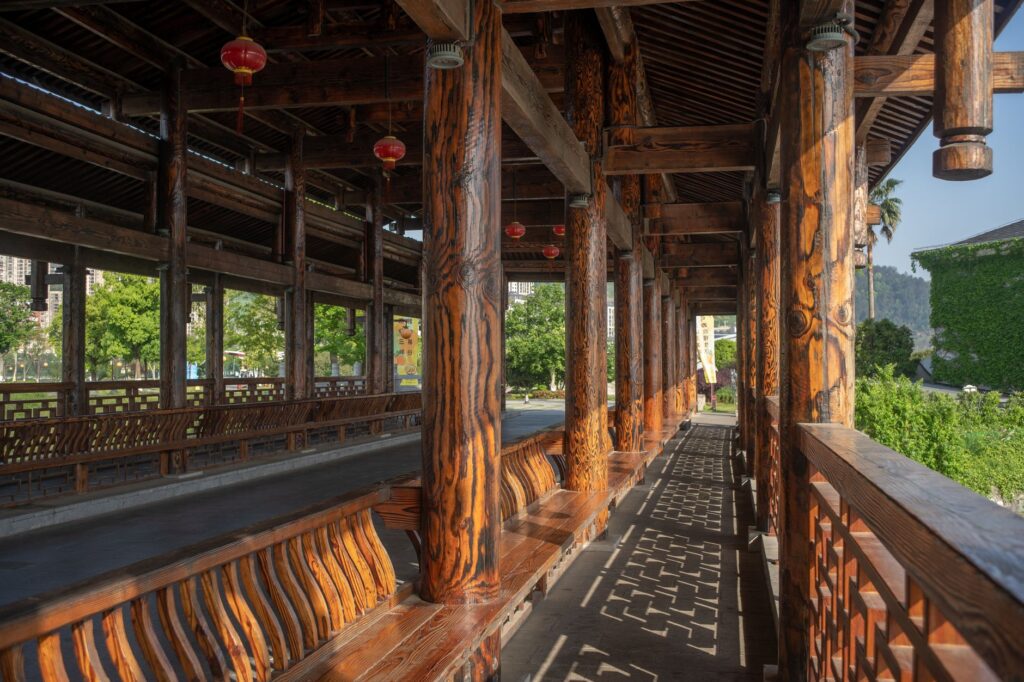
First contact with traditional South Korean architecture, embodied in hanok dwellings, reveals a spatial conception radically different from that of the West. Built from wood, clay, stone, and grey clay tile roofs, these structures do not seek to impose themselves upon the landscape, but rather to merge with it under the principles of pungsu-jiri—traditional Korean geomancy. Walking through historical districts in Seoul or rural foothills, one notices that the layout of courtyards and rooms responds to a defunct social and family hierarchy, yet its climatic functionality remains astonishing.
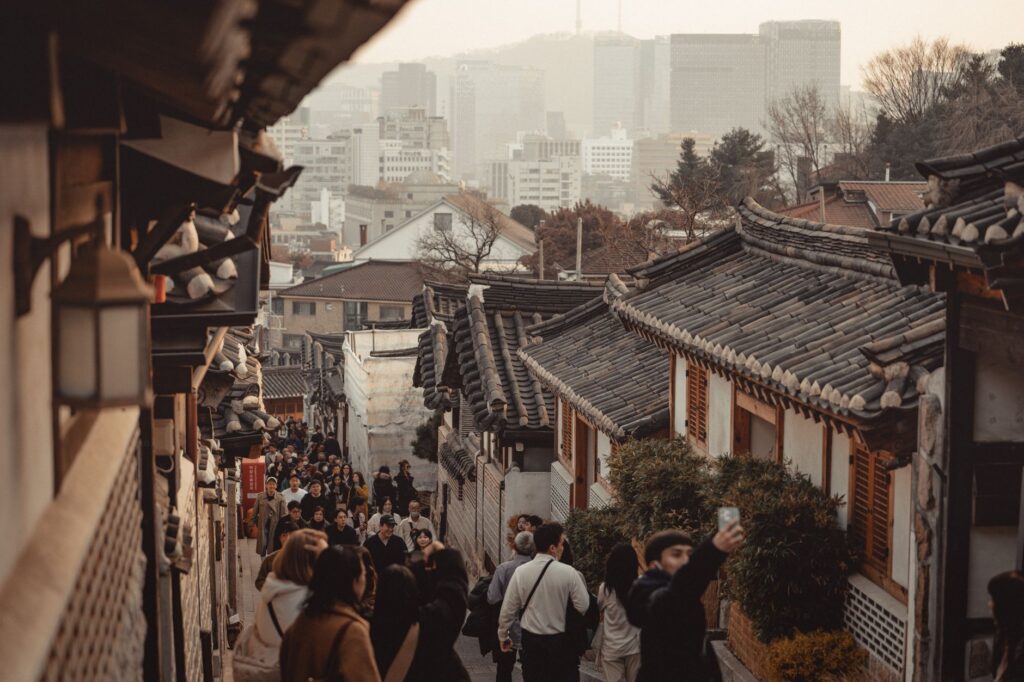
The wooden beams fit together without metal nails, allowing the structure to breathe against the thermal rigors of freezing winters and humid summers. The floor, covered in oiled traditional paper, conceals the radiant heating system known as ondol, an ancient invention that warmed rooms through subterranean smoke ducts. Staying in a restored hanok today is not an exercise in folkloric nostalgia, but a masterclass in residential sustainability. The silence found within these enclosures, shielded from urban commotion by low stone walls, invites introspection that contrasts with the country’s exterior pace.
Sanctuaries in the mist: the rebirth of templestay
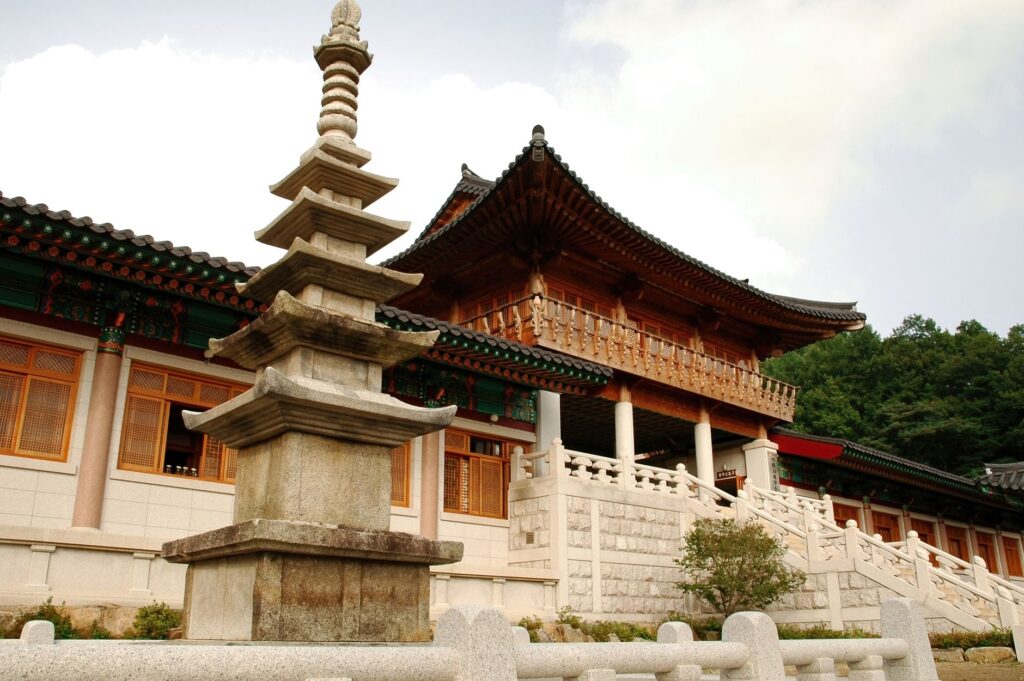
Nestled in natural landscapes of breathtaking beauty, the Buddhist monasteries of the Korean orders have played a vital role in preserving national memory. For centuries, political persecution and foreign invasions forced these communities to take refuge in the most inaccessible peaks of mountains such as Jirisan or Seoraksan. Today, the government-backed monastic immersion program, globally known as templestay, allows travelers to cross the threshold of these sacred enclosures and live side-by-side with monks.
The experience is not sugar-coated for superficial tourist consumption. The day begins before dawn with the beating of the drum and bell summoning participants to morning prayer. Attendees wear grey linen clothes and learn the basic rules of baru-gongyang, the monastic dining ritual where not a single grain of rice may be wasted. Between sessions of seon meditation and mindful forest walks flanked by stone lanterns, the traveler comprehends the ongoing relevance of a philosophy that conceives of human beings as an inseparable part of nature. As an old proverb carved into pavilion wood notes, the true mountain is not outside, but in the quietness of one’s own mind.
Guardians of the fire: the universe of ceramics and paper
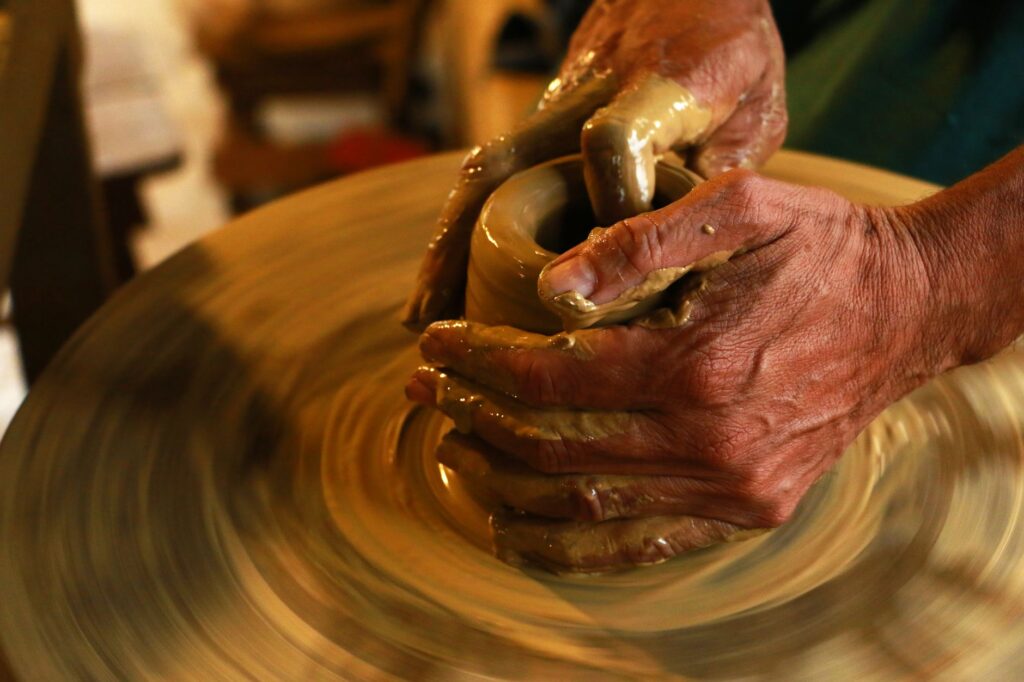
South Korean cultural heritage rests upon the calloused hands of master artisans who have dedicated their lives to crafts protected by the state under the category of Intangible Cultural Properties. In regions such as Icheon or Gyeongju, traditional wood-burning kilns continue to fire up to shape the white porcelain of the Joseon dynasty and the greenish buncheong ceramics. Observing a master ceramist discard a flawless piece after hours of labor simply because it subtly deviates from natural asymmetry reveals a deeply rooted aesthetic: the beauty of the imperfect and the ephemeral.
Concurrently, the art of traditional paper-making, known as hanji, survives in family workshops where mulberry tree bark is macerated, boiled, and strained with water and plant roots. Considered eternal due to its resistance to the passage of centuries—it is said hanji survives a thousand years while Western paper barely lasts a few—this material serves not only calligraphy and bookbinding, but also lines doors, fans, and lamps. Current cultural tourism fosters workshops where visitors experience the alchemy of this process, appreciating the physical effort and patience required to obtain a single sheet of translucent paper.
Cultural tourism in South Korea does not seek to display relics frozen in time, but to offer the traveler the key to deciphering a present built on centuries of aesthetic and spiritual resilience.
Pilgrimage roads and collective memory: the Jeju trails
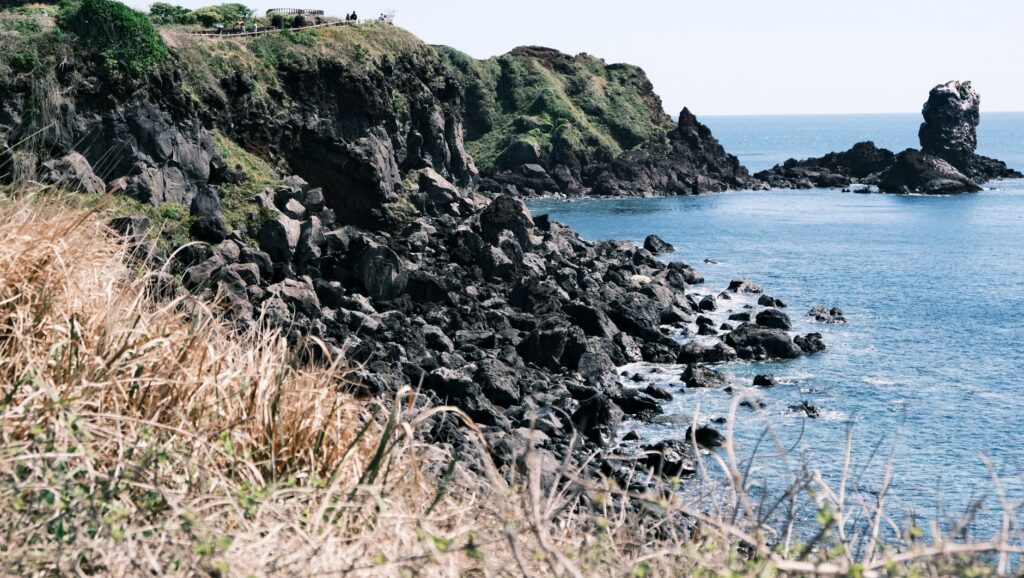
Beyond urban monuments and mountain monasteries, the volcanic island of Jeju offers a different reading of Korean heritage through its network of coastal trails, known as Olle. Originally conceived as bridle paths connecting fishing villages and cultivated fields, these paths have been reclaimed as meditative trekking routes that meander between black basalt cliffs, daisy fields, and dry stone walls.
Walking the island also entails confronting the most painful layers of its recent history, such as the tragic events of 1948, remembered today in memory centers and peaceful memorials integrated into the landscape. Local communities act as hosts and guardians of these paths, sharing stories about the haenyeo—the legendary octogenarian female divers who harvest seafood without scuba gear—and teaching walkers to respect the fragile ecological balance of the island. The journey thus becomes an act of active listening, where the walker’s physical effort merges with the enduring testimony of an island people.
The flavor of patience: temple food and urban markets
No approach to South Korean cultural heritage would be complete without exploring its gastronomic universe, which transcends mere nutrition to become an ethical and aesthetic system. Buddhist temple cuisine, or sachal eumsik, constitutes one of the most refined and sustainable culinary expressions on the planet. Free of meat and the five pungent vegetables considered stimulants of earthly passions—garlic, onion, chives, wild leek, and asafoetida—this cuisine entrusts flavor to the patient fermentation of sauces and pastes made from soybeans and the masterly use of wild herbs foraged in forests.
In parallel, traditional urban markets, such as the bustling Gwangjang in Seoul or street stalls in Jeonju, function as popular agoras where recipes passed down through generations are perpetuated. Hand-cut noodle soup, spicy rice cakes, and mung bean pancakes are prepared in full view of the diner in an atmosphere of communal warmth. For the global traveler, sitting on these shared benches represents an unparalleled opportunity to dissolve cultural barriers and experience the genuine hospitality of the Korean people.
Practical guide
How to get there: Incheon International Airport (ICN) in Seoul operates as the primary global connectivity hub with direct flights from major capitals in the Americas, Europe, and Asia.
When to visit: Autumn months (September to November) and spring (April to May) offer mild temperatures and striking chromatic landscapes, ideal for hiking and cultural sightseeing.
Accommodation: It is recommended to book at least two nights in a traditional hanok in Seoul’s historical districts or in the city of Jeonju, alongside a weekend stay at a monastery for the templestay experience.
Internal transport: The KTX high-speed rail network connects Seoul with all other major historical cities in under three hours efficiently and punctually.
Recommended gastronomy: Seek certified Buddhist temple cuisine restaurants and explore traditional street markets accompanied by local guides specializing in culinary heritage.
The echo of silence: returning to the essence
At the end of the journey, when the bustle of the grand avenues fades into memory, what endures is not the grandeur of monuments nor the dizzying speed of technological development, but the quality of silence found in the most unexpected corners. Sitting at twilight in the courtyard of a millennial temple, watching the last sunlight filter through the curved tiles of a wooden roof while the distant echo of a gong resonates, encapsulates the true transformation of the global traveler. South Korea does not limit itself to showcasing its past; it invites one to inhabit it with the certainty that essential questions about time, beauty, and community continue to find a living, generous, and deeply human answer in its traditions.
Source in EN: Nomad Lawyer (South Korea Tourism Unlocks Amazing Cultural Adventures For Global Travellers).