
Autumn transforms the harshest landscapes of the American West into golden and ochre canvases, providing an ideal backdrop for exploring the remnants of an era defined by ambition and human fragility. Far from conventional tourist circuits, the vestiges of the gold rush remain scattered across boxed valleys and hillsides where the wind is the only constant inhabitant. These locations, which vibrated in the nineteenth century with the hustle of prospectors, merchants, and heavy machinery, now preserve a nearly magnetic stillness. Visiting these outposts as temperatures drop is not merely an exercise in historical nostalgia, but a rigorous immersion in industrial archaeology and the geography of solitude.
The promise of rapid fortune drew thousands of people toward geographically extreme zones, where survival depended as much on luck as on physical endurance. When mineral extraction ceased, most of these population centers were abandoned within months, leaving behind charred timber structures, rusted corrugated tin roofs, and colossal machinery devoured by vegetation. Analyzing these settlements reveals not only the transience of the economic boom, but also the capacity of nature to reclaim its space. Below, five essential enclaves for an introspective and documentary autumn road trip are examined.
Geological Imprint and the Mirage of Precious Metal
The genesis of these towns always follows an identical pattern: the accidental discovery of a gold or silver vein that triggered a massive and disorderly migration. Within weeks, where wildlife had previously grazed, makeshift camps sprouted with tents, saloons, and blacksmith shops. Structural precariousness was the absolute norm, as no one conceived of long-term permanence. Miners invested their energy in extracting raw mineral before the lodes were exhausted, a process that rarely exceeded a decade.
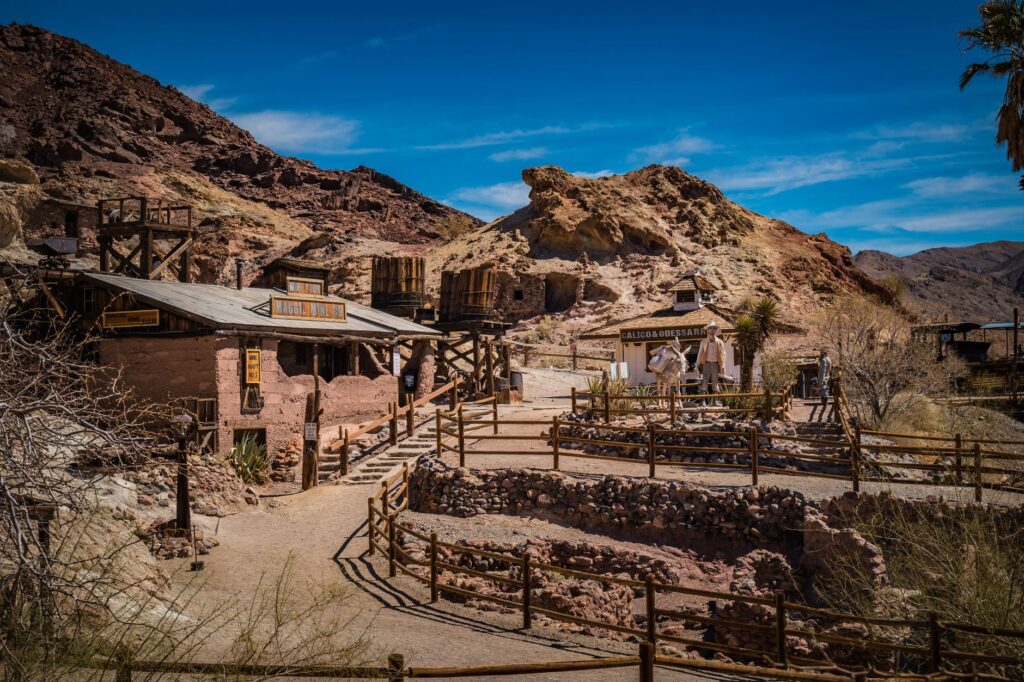
Over the years, the replacement of the pickaxe by industrial exploitation via large capitalist enterprises transformed the landscape. Dams were built, river courses diverted, and crushing mills installed to operate day and night. The environmental impact of those operations remains visible in riverbeds and hillside erosion. Today, walking among these industrial foundations allows visitors to comprehend the titanic scale of an industry that altered alpine and desert topography without leaving a sustainable demographic legacy behind.
Bodie and the Persistence of Arrested Decay
Located on the eastern slope of the Sierra Nevada mountain range in California, Bodie is perhaps the most celebrated and best-preserved example of the gold rush. Unlike other enclaves where only foundations remain, this site opted for a maintenance policy known as arrested decay. This means structures are not restored, but consolidated to prevent collapse. Wandering its dusty streets, travelers can peer through the darkened windows of former stores containing empty shelves, hardwood counters, and everyday items left behind during the hurried exodus.
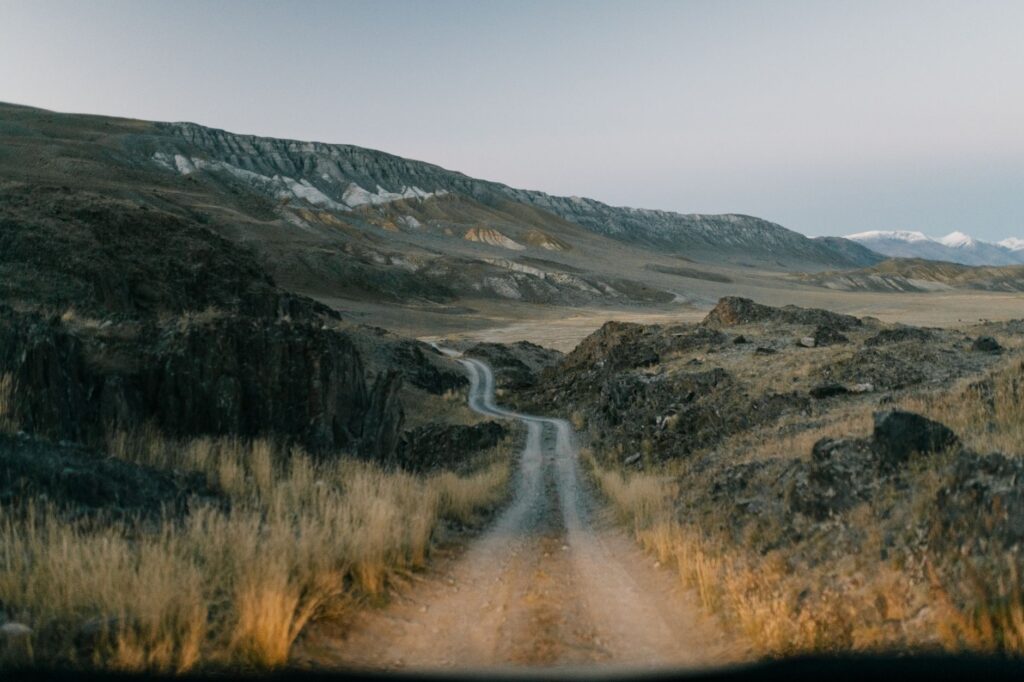
The region’s rigorous climate, with harsh winters and heavy snowfalls, has contributed to the preservation of the buildings. The gray plank facades, weathered by decades of solar radiation and freezing temperatures, convey an unmistakable sobriety. The autumnal atmosphere, with October’s oblique light cutting across the silhouettes of old mine shafts, accentuates the cinematic character of the site. Nonetheless, local authorities insist that Bodie is not a theme park, but a protected historical monument where every nail and beam formed part of a complex social reality marked by violence, speculation, and precarious labor.
From Railway Boom to Definitive Isolation
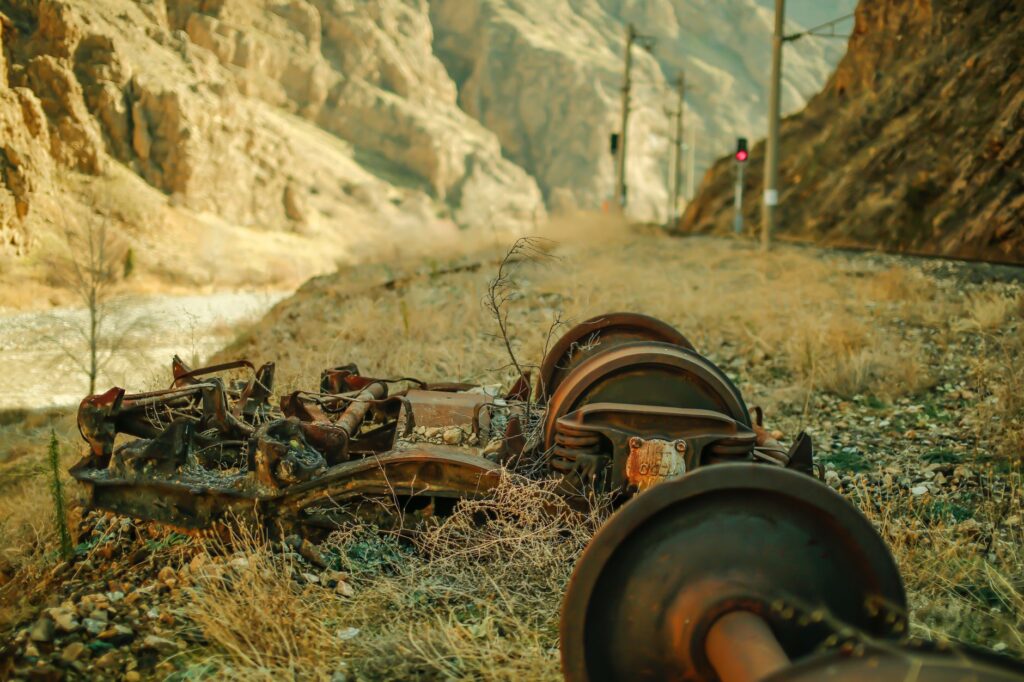
Transportation formed the circulatory system that made the temporary survival of these isolated camps possible. As mines dug deeper into the rock, bridle paths proved insufficient to supply coal, timber, and heavy machinery to the communities. The construction of narrow-gauge railway lines marked an engineering milestone for the era, winding through impossible gorges and steep inclines. Dependency on the train was absolute; a delay in winter supplies could condemn entire populations to starvation.
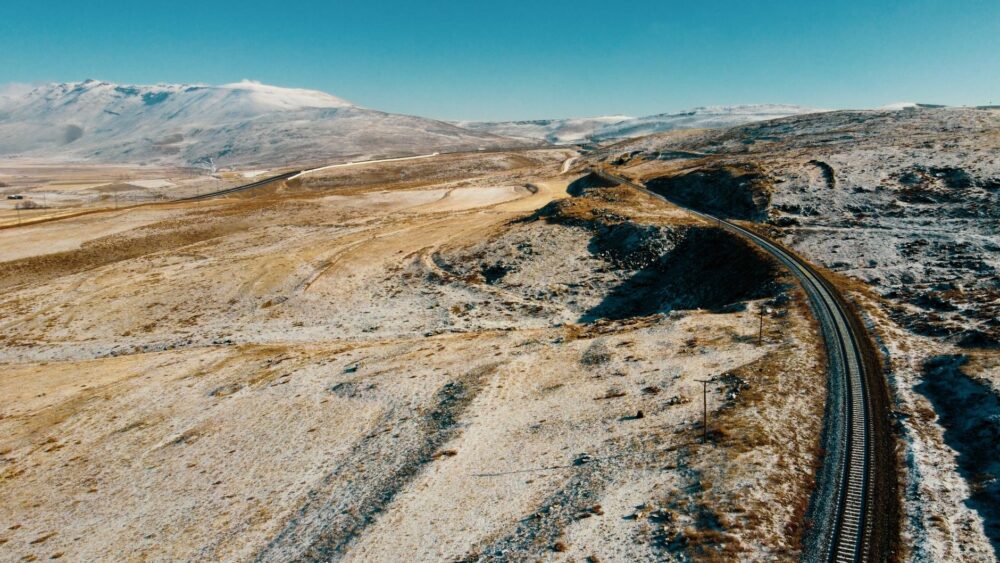
When the mineral was exhausted and railway companies pulled their locomotives, the tracks were lifted to salvage the steel, leaving behind deserted railbeds that now function as long-distance hiking trails. Walking these former railway routes allows travelers to understand the magnitude of human effort invested in connecting radically inhospitable geographical points. Rock-cut trenches and the abutments of ruined wooden bridges stand as silent witnesses to a transport network that was born and died with the fever of the metal.
The Architecture of Urgency and Fossilized Wood
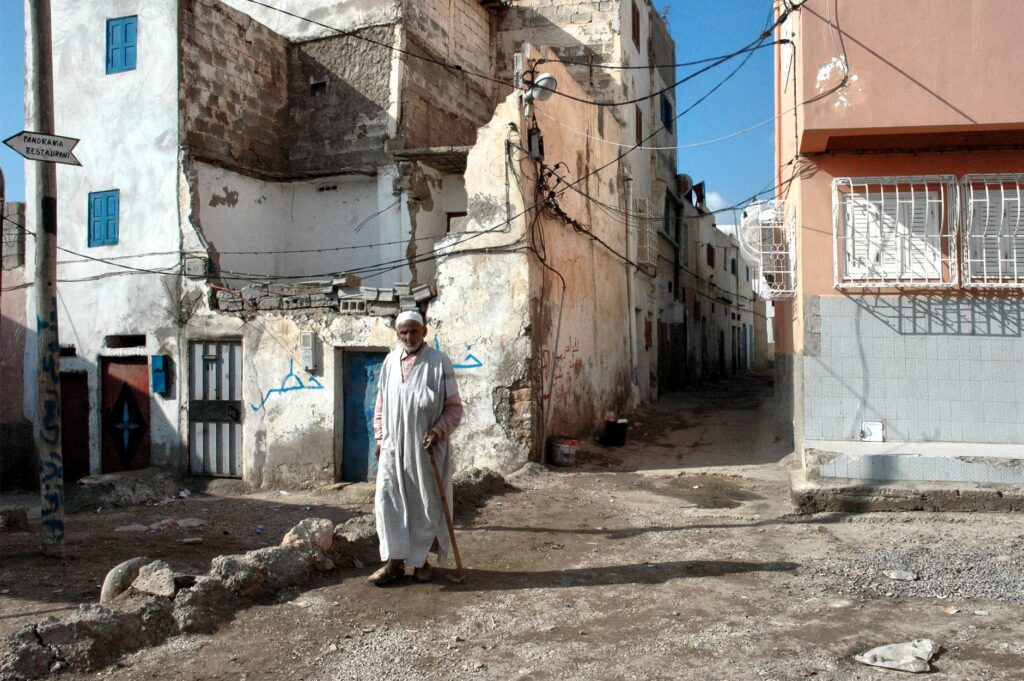
Studying the material remains of these enclaves involves analyzing an architecture devoid of aesthetic vanity, governed exclusively by function and the immediate availability of materials. Pine and fir timber, logged from surrounding forests, constituted the basic construction element. Carpentry techniques were rudimentary: overlapping planks without advanced thermal insulation, asphalt-felt roofs, and dry-stone foundations that barely elevated structures above damp soil. Constructive fragility explains why so many buildings succumbed to accidental fires, one of the greatest plagues of those settlements.
Over the decades, weathering has subjected this timber to a desiccation process resembling stone. Knot holes in planks protrude, eroded by sand-laden winds, and swinging doors hang from rusted hinges that creak at the slightest breeze.
The mining towns did not die from a lack of history, but because their reason for being vanished with the last gram of gold extracted from the rock.
This material heritage, though vulnerable, offers a crucial lesson on the unsustainability of human settlements based on the intensive and ephemeral exploitation of non-renewable resources.
Material Culture and Daily Life on the Margin
Beyond massive gold production figures and cinematic mythology about gunfighters and lone prospectors, daily life in these enclaves was dominated by domestic hardship. Families who managed to settle there faced a scarcity of potable water, an absence of stable medical services, and a monotonous diet based on canned goods and flour. Everyday objects recovered in minor archaeological excavations—punctured tin cans, pharmacy bottles with miracle remedies, broken children’s toys—humanize a landscape that might otherwise appear merely monumental.
Local cemeteries, usually situated on the windiest hillsides to avoid occupying useful land, constitute one of the most eloquent testimonies of this reality. Cast iron or painted wooden headstones reveal a high infant mortality rate and a predominantly young demography. Collective memory within these communities survives today thanks to the efforts of local historians and archivists who digitize census records, personal journals, and period photographs, rescuing from oblivion thousands of people who forged their destinies on the margins of civilization.
Practical guide
Planning an autumn road trip through these enclaves requires logistical rigor, appropriate footwear for uneven terrain, and four-wheel-drive vehicles, as many access roads are unpaved. The autumn season offers stable meteorological conditions, but nighttime temperatures can drop drastically below freezing.

- Transportation: Renting an all-terrain vehicle at regional airports in California or Nevada is strongly recommended. Check tire conditions and always carry reserve fuel and offline maps, as mobile phone coverage is virtually non-existent in most mining valleys.
- Accommodation: There are no hotels within the protected zones. The best logistical bases are surrounding small rural towns, which feature historical motels and inns managed by local residents. Booking well in advance is advised due to the influx of photographers in October.
- Conservation Regulations: Removing artifacts, minerals, or wood fragments from the sites is strictly prohibited. Federal and state laws impose severe penalties for looting. Respect fences and warning signs near structures at risk of collapse.
- Safety: Avoid exploring abandoned mines or open shafts. The air inside tunnels is often unbreathable, and the risk of structural collapse is constant and fatal.
Epilogue Between Summits and Ashes
When the sun sets behind the mountain ridges, painting the sky in violet and ash tones, the vestiges of the gold rush recover their most genuine dimension. They are no longer merely points of historical interest or mandatory stops for curious travelers, but tangible reminders of the limits of human ambition against the imposing indifference of the natural environment. The nighttime silence enveloping these ruins is not a void, but the culmination of a cycle where the fever and noise of progress permanently yielded to the absolute reign of the open elements and memory.
Source in: The New York Times