
There are geographies where vastness is measured not in square kilometers, but in the depth of silence dwelling between towering peaks. Deep within the Argentine cordillera, a territory of snowy crests, glacial valleys, and ancient trails has recently been distinguished by specialized agencies and travel collectives as South America’s top mountain destination for 2026. This recognition does not stem from a fleeting marketing strategy, but from the consolidation of a model balancing environmental conservation with a deeply transformative travel experience, where visitors cease to be mere spectators and become witnesses to the geological and human force sustaining life at high altitudes.
The appeal of this enclave lies not exclusively in the monumentality of its rock masses or the vertigo of its abysses, but in the subtle harmony with which local communities have historically inhabited this extreme territory. Here, time seems governed by the rhythm of the seasons and the spring thaw, offering the contemporary urban traveler an antidote against modern velocity. Through this report, we explore the keys to a landscape seducing both expert hikers and seekers of spiritual refuge, unravelling the geological, social, and cultural background that has propelled it to the continental podium.
The Geological Architecture of a Territory Sculpted by Ice
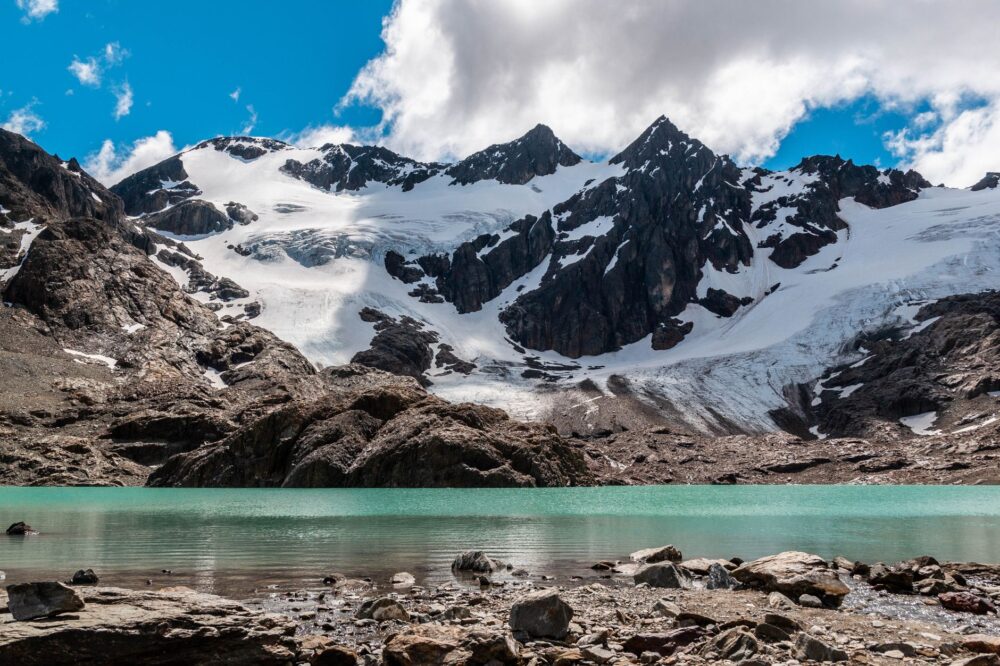
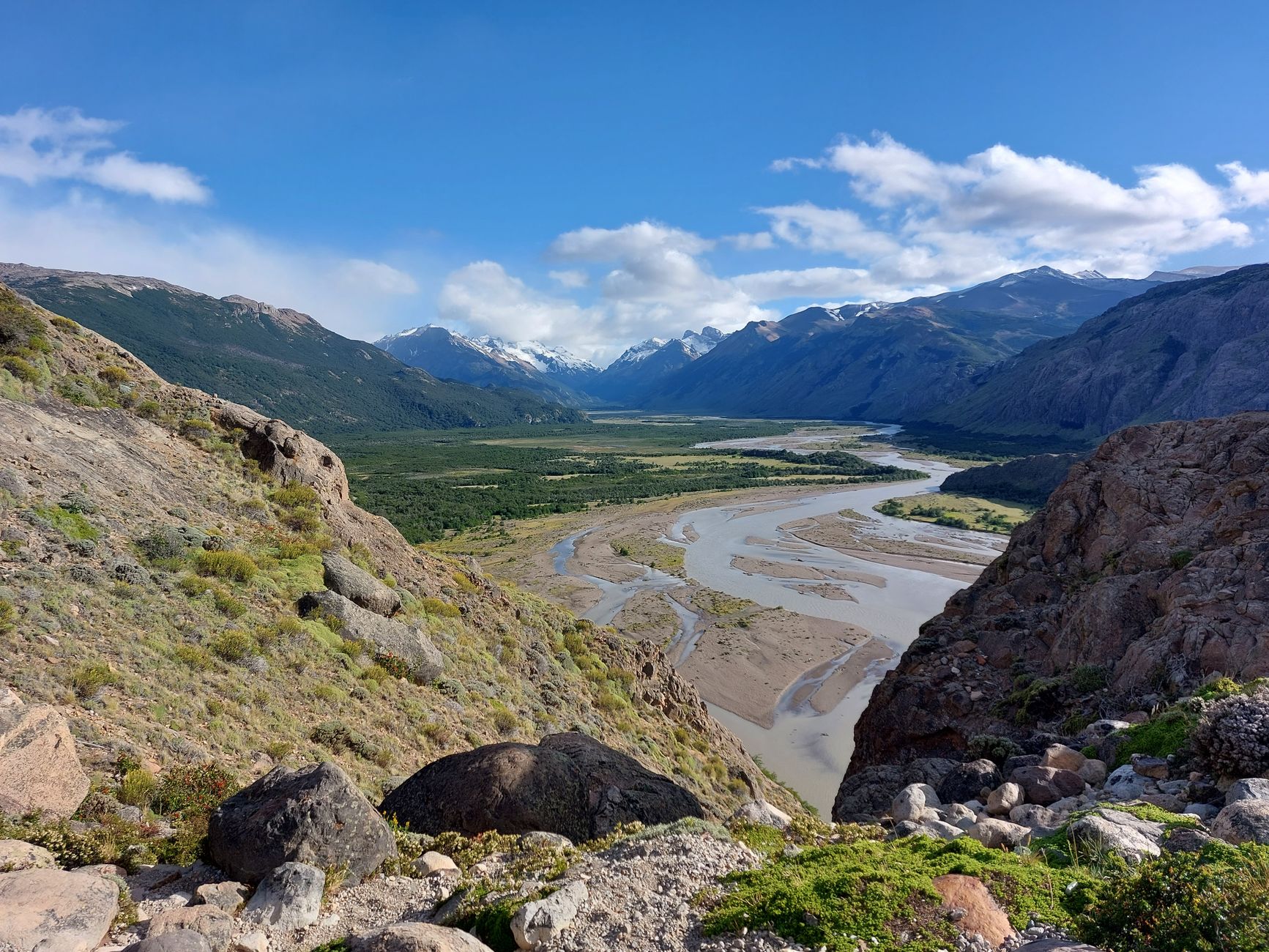
To grasp the magnitude of this destination, one must look back millions of years of tectonic and glacial processes. The Andes cordillera is not a simple stone barrier, but a living archive of Earth’s history. U-shaped valleys, glacial cirques, and moraines visible along the slopes stand as silent witnesses to successive ice ages that shaped this relief. Basaltic formations and marine sediments elevated over three thousand meters offer geologists and nature enthusiasts an open-air classroom where geological eras can be read with startling clarity.

Mountain hues change dramatically throughout the day depending on sunlight angles. At dawn, the ochre and reddish tones of iron and copper minerals dominate the landscape, while at dusk, granite and eternal snows acquire violet and bluish nuances. This shifting palette generates a unique aesthetic experience permeating every hike, turning passive contemplation into an activity as absorbing as the physical effort of climbing.
Biological Corridors and High-Altitude Flora
Despite the apparent aridity of the summits, high mountain zones harbor ecosystems of fascinating resilience. Plant species have developed extreme adaptations to survive gale-force winds, ultraviolet radiation, and low temperatures. Dense cushions of resinous plants, centennial lichens, and high-altitude grasslands form a botanical tapestry sustaining subtle yet persistent wildlife. The Andean condor, with its majestic wingspan, reigns over upper thermal currents, watching over a territory also home to wild guanacos and small rodents adapted to extreme cold.
Water Sovereignty and Meltwater Routes
Water resources represent the true lifeblood of this cordilleran ecosystem. High-altitude glaciers and permanent snowfields act as natural water towers feeding crystal-clear streams, turquoise lagoons, and rushing rivers descending toward the steppe. Walking along the shores of these water bodies offers a close-up view of the hydrological cycle in its most pristine state. Local agencies and park rangers emphasize the fragility of these sources, promoting low-impact hiking that protects high-altitude vegas and wetlands, fundamental for regional biodiversity.
True exploration does not consist in seeking new lands, but in possessing other eyes and understanding that the mountain is not conquered; it tolerates us.
Meltwater not only sustains wild flora and fauna but has also enabled the development of small oasis agriculture in intermontane valleys. Local settlers have inherited ancestral irrigation systems leveraging natural slopes to distribute liquid with millimeter precision, demonstrating that high mountain survival depends on community cooperation and absolute respect for natural cycles.

The Human Footprint: Estancias, Gauchos, and Living Traditions
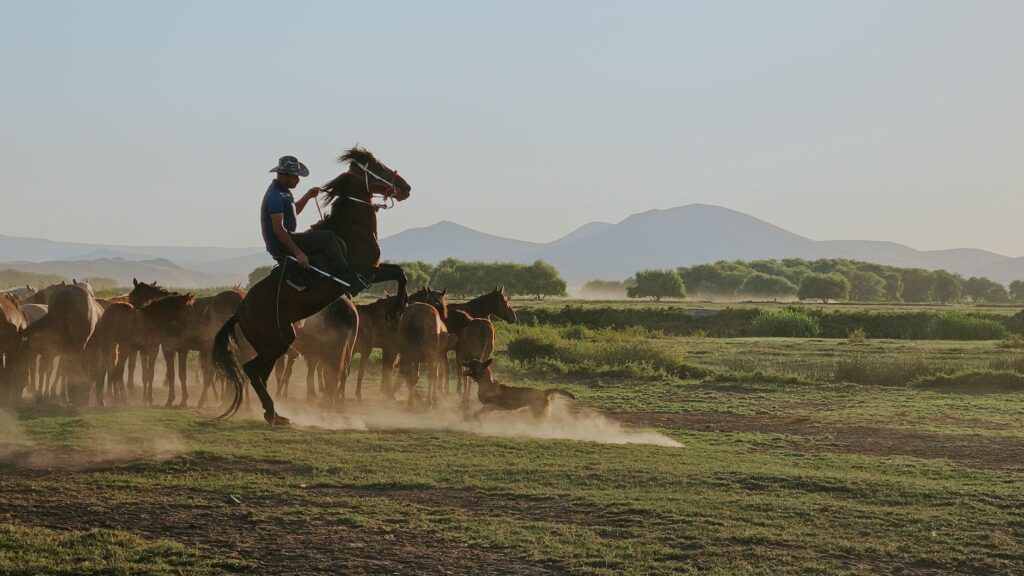
The social history of this cordilleran corner is woven from the resilience and wisdom of its inhabitants. Gauchos and local herders who for generations have guided livestock among high pastures during summer possess encyclopedic knowledge of weather, trails, and animal behavior. Their culture is not a museum piece, but a daily practice surviving despite modernization. Traditional estancias—many now converted into spaces for sustainable rural tourism—open their doors to share stories by the fire, country barbecues, and bitter mates condensing Patagonian hospitality.
This cultural exchange profoundly enriches the traveler’s experience. Listening to elder residents recount winters of uninterrupted snow or historical cattle crossings through border passes imparts a human dimension no geography manual can convey. It is in these encounters that the destination reveals its true identity: a bridge between wild nature and the warmth of its people.
High-Altitude Gastronomy: Identity on the Plate
The cuisine of this mountain destination reflects the fusion between native ingredients and European immigration heritages. Lamb raised on natural pastures, wild mushrooms foraged from high forests, native berries like calafate and murtilla, and high-altitude wines grown in extreme sunlight valleys comprise a sophisticated culinary proposal deeply rooted in the earth. Local chefs work hand-in-hand with artisanal producers to guarantee absolute traceability, turning every meal into a tribute to the cordilleran terroir.
Vernacular Architecture and Sustainable Mobility
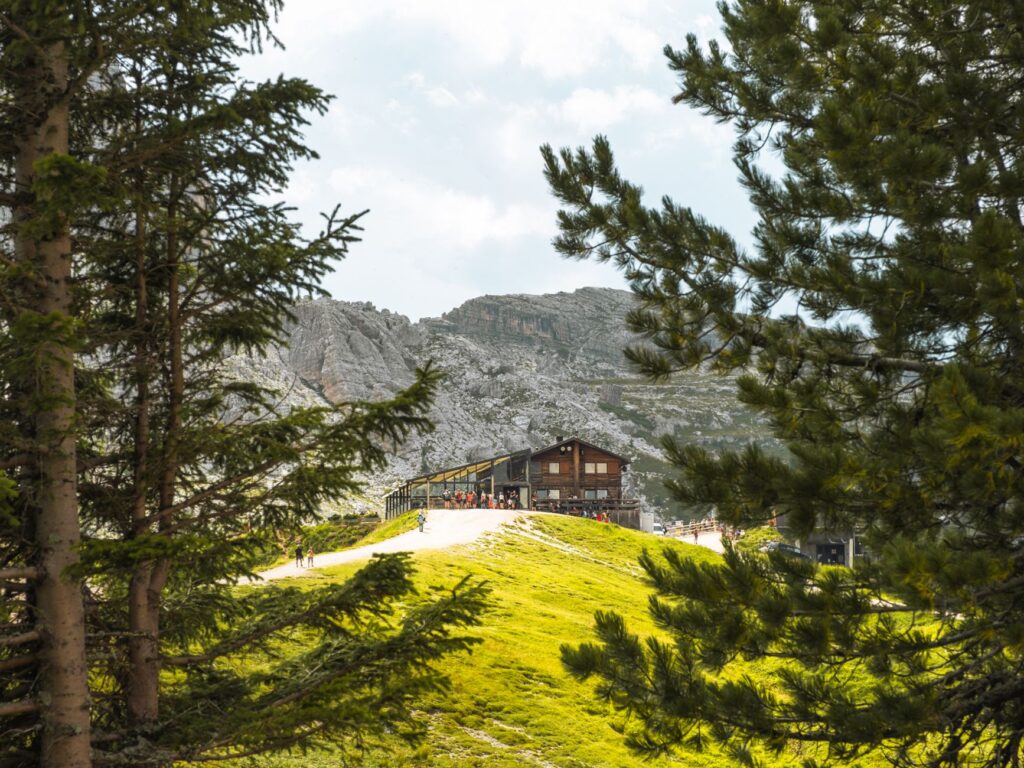
The region’s urban and tourism development has avoided the over-crowding errors observed in other international ski resorts. Local architecture prioritizes the use of local materials: flagstone, lenga wood, and fallen logs that blend mimetically with the natural surroundings. Pitched roofs gracefully withstand winter snow loads, while large windows ensure the exterior landscape remains the undisputed protagonist of every interior space.
Regarding transportation, public and private initiatives promote sustainable mobility. Pedestrian trail networks and bicycle paths have been established to connect major attractions without relying on private vehicles. Furthermore, electric transport is encouraged in service centers, and strict daily visitor quotas are set on fragile trails, ensuring tourism flow neither disrupts tranquility nor degrades environmental integrity.
Rock Art and Archaeological Memory
Human presence in these cordilleran valleys dates back thousands of years before European colonizer arrival. Rock shelters and natural caves safeguard valuable testimonies of rock art left by hunter-gatherer peoples traversing the cordillera in search of guanacos. Executed primarily with red and white mineral pigments, these paintings represent human figures, animals, and abstract symbols whose exact meaning still intrigues archaeologists.
Visiting these archaeological sites requires rigorous respect and, often, the company of authorized guides. These are not mere visual attractions, but sanctuaries of memory demonstrating how humans have successfully engaged with this challenging environment since time immemorial. Protecting these vestiges is a community priority, recognizing that cultural heritage is as fragile as the glaciers surrounding it.
Practical guide
When to travel: The months from December to March offer optimal weather conditions for trekking and high mountain exploration, featuring clear days and snow-free trails. For winter sports and snowy landscapes lovers, the region transforms completely from June to September.
How to get there: Main access is through the nearest regional airport, located about a three-hour drive away via paved, well-marked roads. Four-wheel-drive vehicle rental is recommended if traveling secondary gravel roads.
Accommodation: Options range from rustic, budget mountain refuges ideal for backpackers and mountaineers to historic luxury sustainable estancias and thermal spa lodges integrated into the landscape.

Essential recommendations: Layered clothing (three-layer system), high-spectrum sunscreen, broken-in trekking footwear, and abundant water are imperative. Cordilleran weather conditions can change radically within hours; always consult the local forecast before starting any hike.
Traveling through high mountains is an exercise in humility: it teaches us that purest beauty demands respect, preparation, and the internal disposition to listen before speaking.
The Final Embrace of the Southern Horizon
As afternoon begins to recede and peak shadows lengthen over valleys, the cordillera delivers its most intimate spectacle. Wind subsides, air grows crystal clear, and the nocturnal sky unfolds a light-pollution-free starry vault where the Milky Way is etched with startling sharpness. In that instant of absolute stillness, sitting before the fire or contemplating the dark contour of stone giants, the traveler understands the profound reason behind this South American award. It is not about superfluous comforts or artificial attractions, but about this landscape’s unique capacity to restore to human beings the exact measure of their place in the world—a luminous reminder that sanctuaries still exist where the earth beats free, wild, and eternal.
Source: Agencia Noticias Argentinas.