
Origins of a Volcanic Audacity
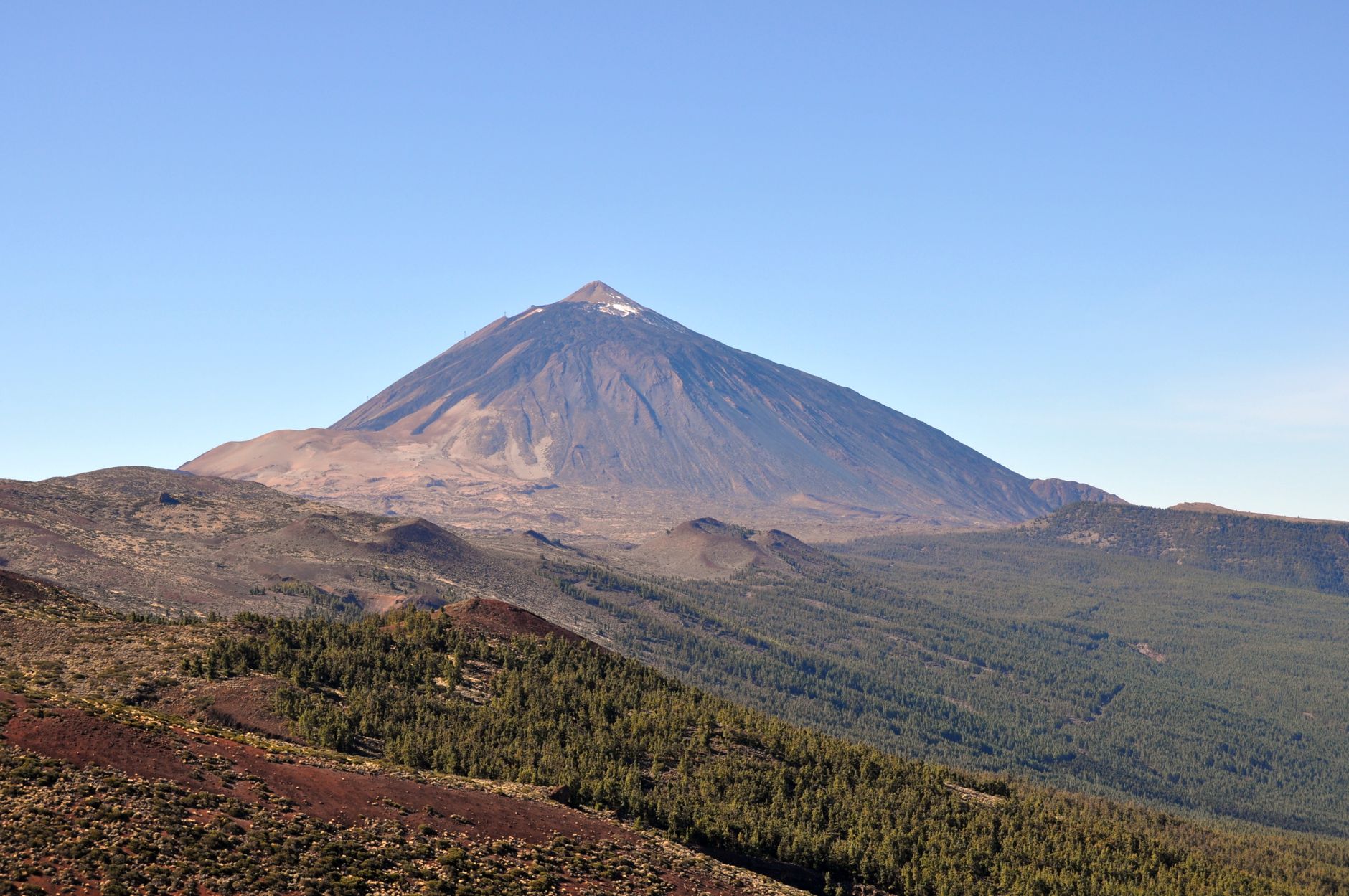
The history of transport engineering in the Canary Islands is defined by the constant tension between human will and the immensity of a landscape shaped by fire. At the dawn of the twentieth century, as the archipelago began integrating timidly into the commercial and tourist routes of the mid-Atlantic, reaching the summits of Tenerife presented a formidable challenge. The slopes of Mount Teide, characterized by jagged lava flows, sheer ravines, and extreme climatic conditions, demanded logistical solutions far surpassing traditional bridle paths and animal-drawn carts.
Amid this context of insular isolation and the urge for modernization, the first blueprints for a guided transport system connecting coastal ports with the volcanic heart of the island began to take shape. Military and civil engineers documented in their technical reports the urgent need to overcome the altitude barrier in order to harness forest, agricultural, and, increasingly, the scenic resources that captivated early European romantic travelers. The terrain offered no quarter: gradients exceeding ten percent, highly abrasive basaltic soils, and water scarcity complicated every structural feasibility calculation.
Historical archives reveal that technical debates centered not only on track gauge and route alignment, but on the very nature of the geological substrate. Building over volcanic ash and malpaíses required specialized foundations capable of withstanding thermal instability and landslides triggered by seasonal torrential rains. Thus, the railway dream in Tenerife was born constrained by the ferocity of the terrain, configuring a fascinating chapter of civil engineering applied to extreme and isolated insular environments.
Topography as an Insular Logistics Challenge
Taming Teide’s gradient required conceiving a system capable of climbing from sea level to over two thousand meters of altitude within a relatively short horizontal distance. Unlike major continental corridors, where wide horizontal spaces permit sweeping curve radii, Tenerife’s insularity imposed relentless physical constraints. Period engineers evaluated simple adhesion systems and rack railway alternatives inspired by major European alpine routes, seeking to replicate mechanical efficiency proven in Swiss or Austrian grades.
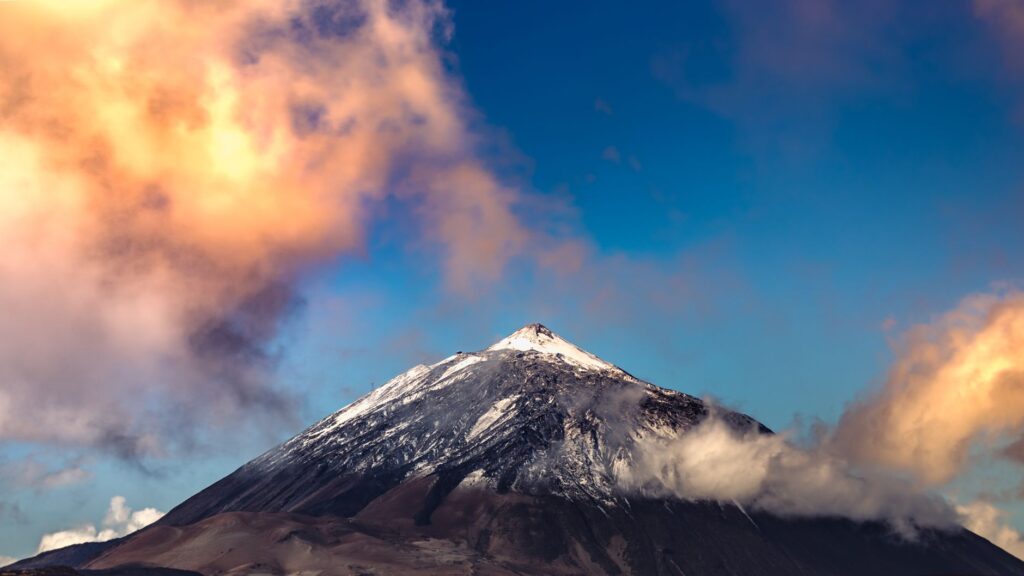
The logistics of supplying construction materials represented another monumental bottleneck. Every ton of steel for the rails, every bag of cement, and every component of machinery had to be shipped from the Iberian Peninsula to the ports of Santa Cruz de Tenerife or Puerto de la Cruz, and then hauled up steep mountain paths using mule trains. This titanic effort limited construction pacing and drove up financial costs, turning every kilometer of infrastructure into a masterpiece of civil craftsmanship.
blockquote
The conquest of Tenerife’s summit was not merely a matter of mobility; it constituted a declaration of technical sovereignty against a vertical nature that seemed to bar the path of industrial progress.
/blockquote
Beyond solid rock and steep slopes, climate played a decisive role. Workers had to contend with the trade-wind cloud sea, intense solar radiation at high altitudes, and hurricane-force gales descending without warning through the mountain passes. These variables forced the design of specific protective structures, such as cyclopean retaining walls and trenches excavated in basaltic rock that still testify to the rigor of those preliminary labors.
Architecture of Stone and Iron
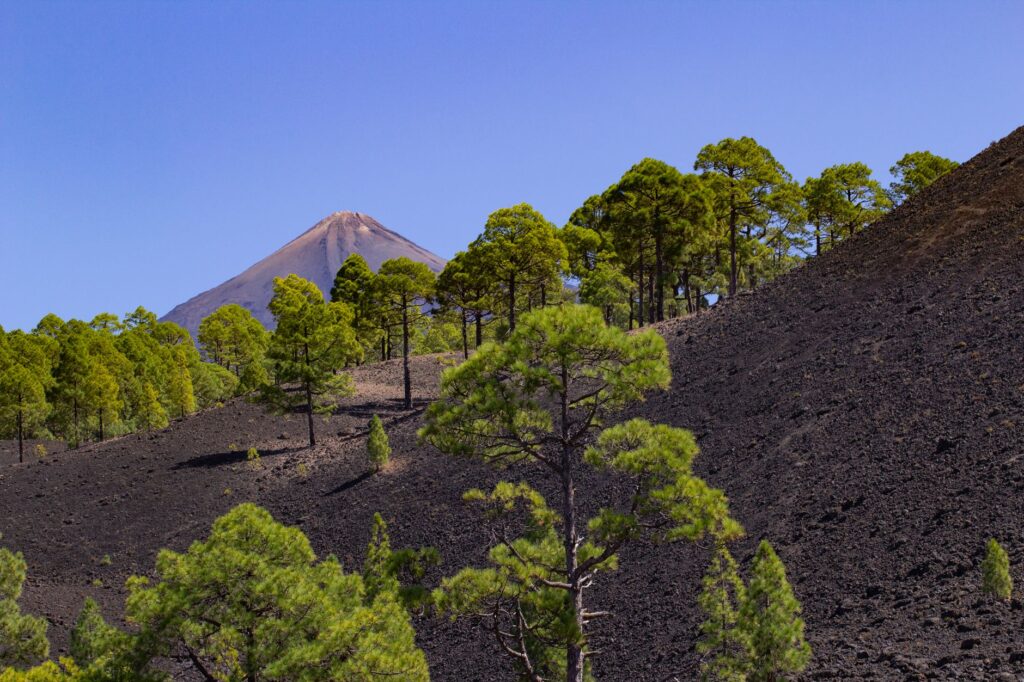
Although the comprehensive railway project ascending to the crater was never fully completed due to twentieth-century political and economic shifts, the traces and support infrastructures that were executed demonstrate remarkable mastery of dry-stone and masonry architecture. Engineers integrated stations and logistical warehouses with native materials from the volcanic surroundings, utilizing dark basalt blocks and volcanic tuff so that structures blended seamlessly with the landscape.
Bridges and viaducts engineered to bridge the deep ravines of the island’s northern and southern slopes stood out for their slenderness and sobriety. Semicircular arches and noble stone cutwaters capable of withstanding flash flood impacts were prioritized. In sections where terrain became impassable, short tunnels bored through traditional blasting techniques were planned—artisanal labor requiring millimeter precision to prevent cave-ins in fractured geological formations.
The industrial aesthetics of these remnants, though modest compared to central European railway cathedrals, hold incalculable heritage value. They represent the materialization of an era when steam power and the solidity of wrought iron set out to conquer the planet’s most inaccessible corners, leaving an indelible mark on the collective memory of the Canarian landscape.
The Transformation of Modern Transport in Tenerife
With the passing decades and the rise of motor transport and commercial aviation, Tenerife’s mobility paradigm underwent a radical shift. The traditional railway model gave way to high-capacity highways and, more recently, contemporary debates regarding commuter train networks connecting the island’s north and south to alleviate vehicular congestion. The legacy of those early twentieth-century pioneers remains latent in current planning for major island infrastructure.
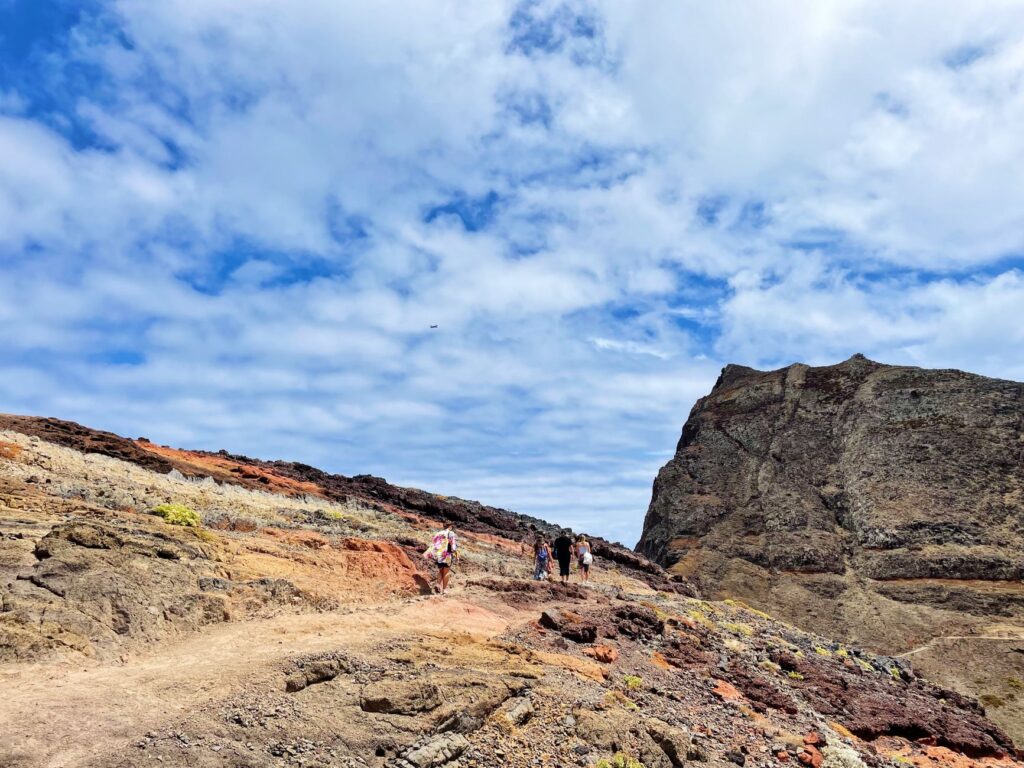
Today, managing visitor flows toward Teide National Park constitutes one of Europe’s greatest logistical and environmental challenges. With millions of annual tourists ascending via asphalt roads, island authorities constantly analyze sustainable mobility formulas that reduce carbon footprints and protect endemic habitats within the forest crown. The primal idea of a guided transport system with low ecological impact has returned to the drawing boards of modern urban planners.
This evolution demonstrates that the fundamental problems of connectivity in Tenerife have scarcely changed: balancing economic development and the right to travel with the preservation of a fragile volcanic ecosystem declared a World Heritage Site. Studying former railway alignments offers valuable lessons on how an insular territory dictates its own rules and penalizes any attempt at overreaching intervention.
Socioeconomic Pulse and High-Altitude Tourism
Teide’s influence on Tenerife’s economy has evolved from silvopastoral exploitation and sulfur extraction toward a globalized tourism industry. In the late nineteenth and early twentieth centuries, travelers daring to spend the night at the summits had to hire local guides and entire mule strings—a luxury reserved for scientific expeditioners and European aristocrats. Initial transport infrastructure sought to democratize this access, transforming scientific adventure into an accessible destination.
blockquote
High-mountain tourism in the Atlantic demands an implicit pact of respect: the volcano’s magnitude will always remind the traveler of their status as a temporary guest.
/blockquote
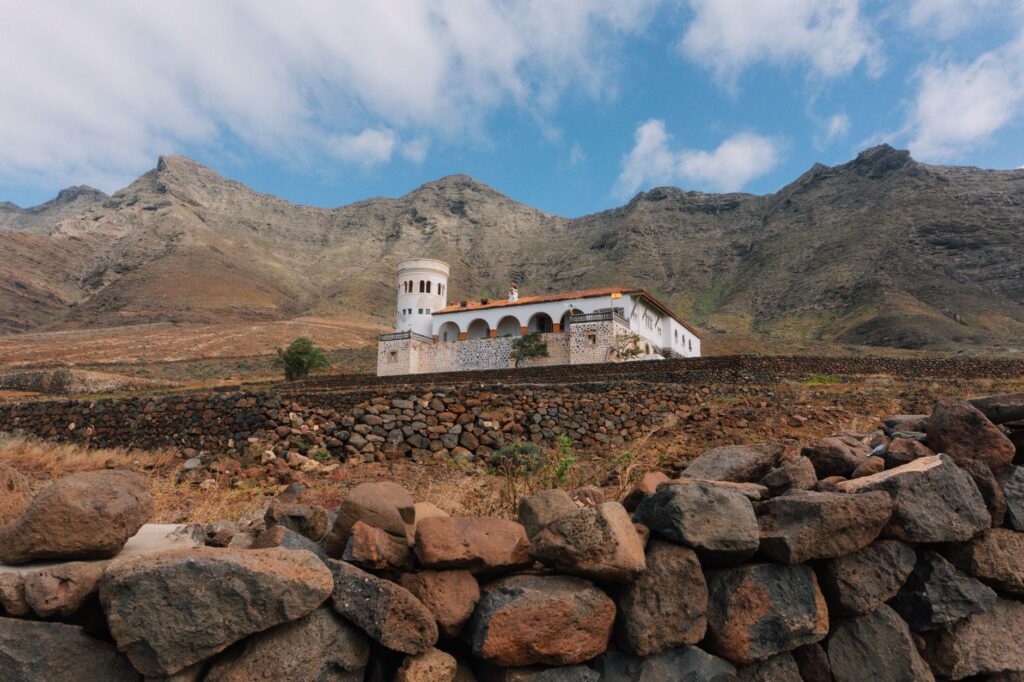
The massive influx of visitors drove the construction of state-run paradores and mountain refuges, turning Teide’s surroundings into an avant-la-lettre laboratory for sustainable tourism. Local tour operators, in collaboration with island administrations, have had to implement strict carrying-capacity regulations, limiting private vehicular access in favor of authorized shuttles and services that preserve the silence and air purity of Las Cañadas.
Practical guide
How to get there: The main access to Teide National Park is via paved roads from various points on the island. From Santa Cruz de Tenerife or La Laguna, the most direct route is the TF-21 (via La Esperanza) or the TF-24 (dorsal highway). From the south, access is primarily via the TF-21 from Vilaflor or the TF-38 through Guía de Isora.
Public transport: The island bus company Titsa offers daily connections from Puerto de la Cruz (Line 348) and Costa Adeje (Line 342) directly to the Teide Cable Car. Checking updated timetables and booking seats in advance is highly recommended due to high demand.
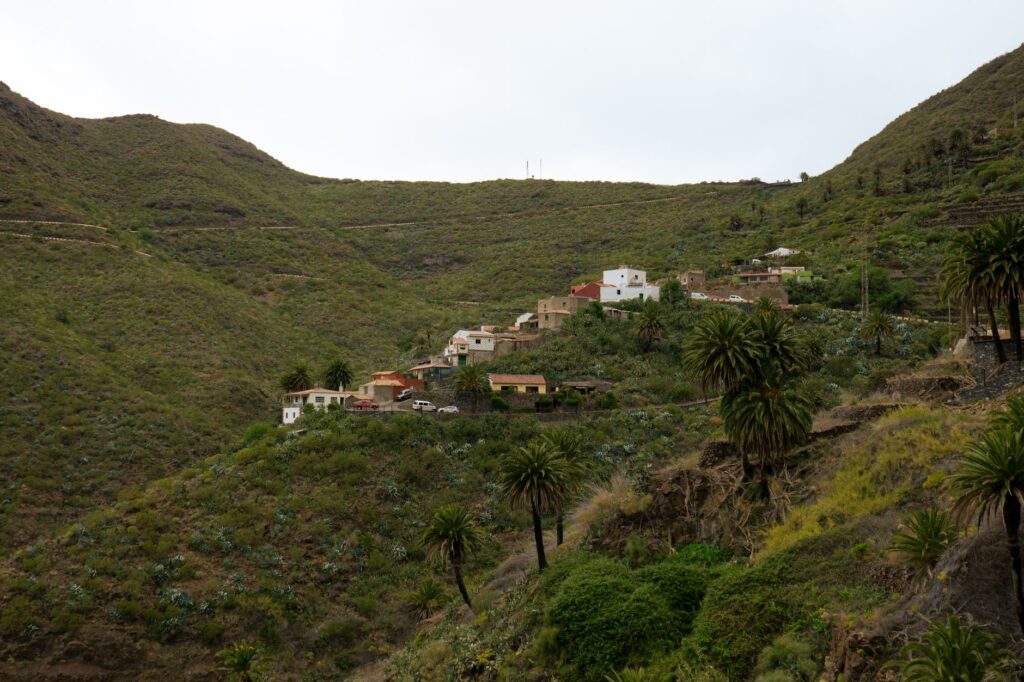
When to go: Any time of year is suitable, though spring (April-May) stands out for the blooming of the red tajinaste, a unique endemic plant. In winter, occasional snowfalls may temporarily close upper access roads, making it mandatory to check road conditions before setting out.
Permits and restrictions: Access to the trail leading to Teide’s peak (Crater) requires a free, nominal permit managed through Spain’s National Parks official website months in advance. Night visits to the astronomical observatory must be booked with authorized operators.
The Echo of Steam in the Silence of the Summits
On clear winter nights, when a blanket of stars covers Teide’s imposing silhouette and the cold silences the volcanic basins, one can almost imagine the faint whistle of an imaginary locomotive crossing rivers of petrified lava. Although iron never fully mastered the heights of the Atlantic, the titanic effort of those engineers and laborers continues to pulse within the memory of Tenerife’s landscape. The insular territory, with its blend of breathtaking beauty and extreme demands, continues to demand utmost respect from all who traverse its paths.
Reflecting on these unfulfilled projects helps us understand that the value of a journey lies not solely in the speed of arrival, but in the depth of geographic and human understanding. Teide remains steadfast, watchful, and proud, reminding every generation that true engineering consists of listening to the deep heartbeat of the earth before drawing any line across its ancient surface.