
Introduction to the Territory and Its Stone Architecture
The Luberon massif, situated in the heart of French Provence, is far more than an idyllic backdrop for summer postcards; it is a complex ecosystem shaped over centuries by the interplay between dry-land farming, extensive livestock grazing, and a network of rural paths that defy a karst topography. Unlike the alluvial plains of the Rhône valley, this mountainous limestone region has demanded from its inhabitants a masterly expertise in water management, dry-stone construction, and connectivity among perched villages known locally as villages perchés.
The core question guiding this journey examines how the preservation of these centuries-old infrastructures—from agricultural terraces or faïsses to ancient bridle paths—sustains the economic and cultural viability of a territory that rejects mass tourism in favor of conscious, sustainable mobility. Through this analysis, the daily pulse of a region is revealed, where every dry-stone wall and forest track tells a story of adaptation and resilience against rural depopulation.
The Invisible Engineering of Terraces and Water Management
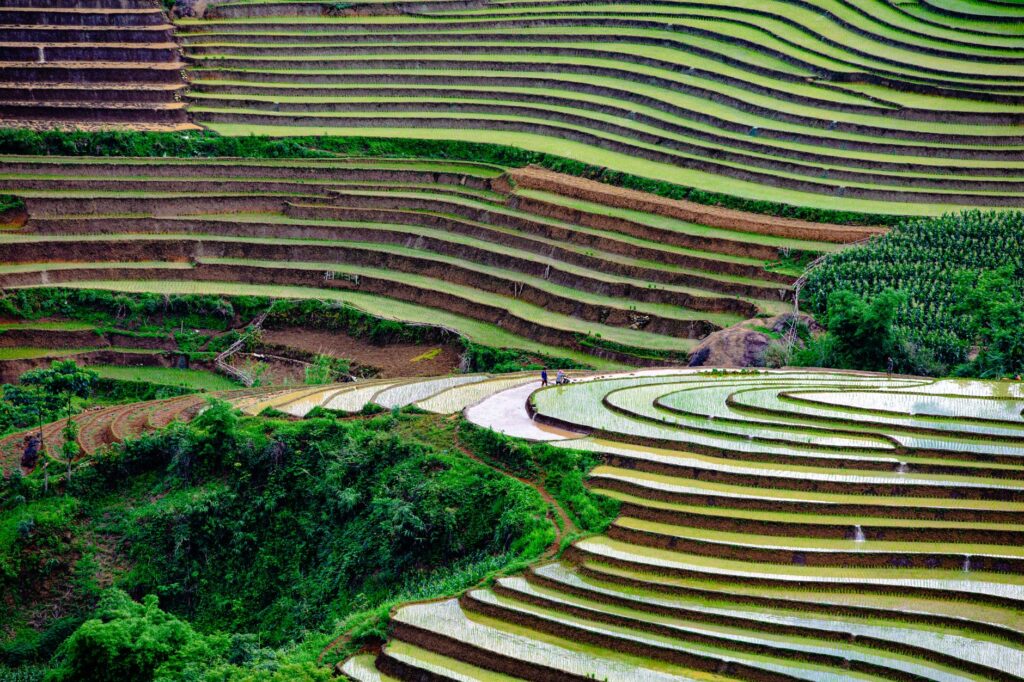
The Luberon landscape is defined by agricultural terraces supported by kilometers of dry-stone walls built without mortar. This ancestral technique, recognized by UNESCO, fulfills a triple fundamental function: it prevents clay soil erosion during violent Mediterranean storms, retains scarce nocturnal humidity, and optimizes the limited flat surface available on south-facing slopes. Local agronomists and contemporary artisans continue using techniques passed down through generations to consolidate these embankments, proving that the most durable infrastructure is one that directly dialogues with the terrain’s geology.

Alongside the terraces, the rainwater harvesting system constitutes another marvel of popular engineering. Cisterns excavated in living rock, infiltration wells, and small diversion channels known as béalières ensure the irrigation of family gardens and fine lavender fields. This decentralized hydraulic network reduces dependence on large artificial reservoirs and guarantees the survival of traditional crops during prolonged summer droughts, an increasingly acute challenge driven by climate change across the Mediterranean basin.
Bridle Paths and Historical Connectivity Between Valleys
Before the arrival of twentieth-century asphalt roads, communication between the Calavon valley and the Coulon valley relied on a dense mesh of cobbled trails and bridle paths. These pathways, occasionally flanked by defensive stone walls or ancient boris—dry-stone huts used as temporary shelters by shepherds—allowed the commercial exchange of olive oil, wine, charcoal, and grain between communities separated by barely a few linear kilometers yet divided by impassable geographical chasms.
Today, many of these ancient paths have been rescued from oblivion thanks to the development of long-distance hiking routes (GR) and environmental interpretation trails. Their maintenance requires constant community effort involving both rural municipalities and local volunteer associations. This pedestrian and cycling connectivity not only fosters an active, respectful model of tourism but also keeps alive the traditional steps that once linked fairs, markets, and isolated hermitages perched high on rocky ridge lines.
The Agricultural Pulse: Lavender, Olives, and the Economy of Scarcity
The rural economy of the Luberon rests upon the cultivation of botanical species perfectly adapted to poor soils and arid climates. Lavender (Lavandula angustifolia) and lavandin occupy high plateaus such as Sault, while centenarian olive groves blanket the sheltered slopes of Gordes and Bonnieux. This agricultural specialization is no accident; it responds to a long tradition of efficient resource management where every square meter of arable land is assigned to the crop with the highest yield per unit of consumed water.
The processing of these harvests remains tied to local cooperatives and artisanal stills distributed across the territory. Lavender harvesting, once performed entirely with sickles, has been partially mechanized, but farmers maintain strict designation-of-origin protocols to protect quality against industrial synthetic oils. This agronomic vigilance is the true pillar sustaining the visual and olfactory authenticity that attracts travelers worldwide, turning the agricultural landscape into a living, self-sufficient heritage.
The value of a rural territory is not measured by the speed at which one traverses it, but by the endurance of its ancient paths and the wisdom of those who still know how to repair them with their own hands.
Defensive Architecture and the Cliffside Perched Villages
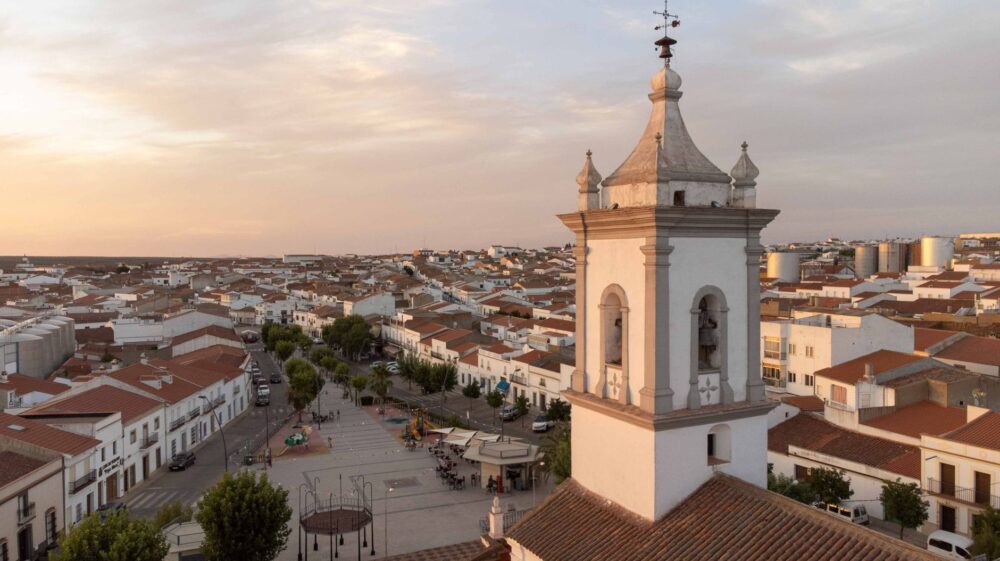
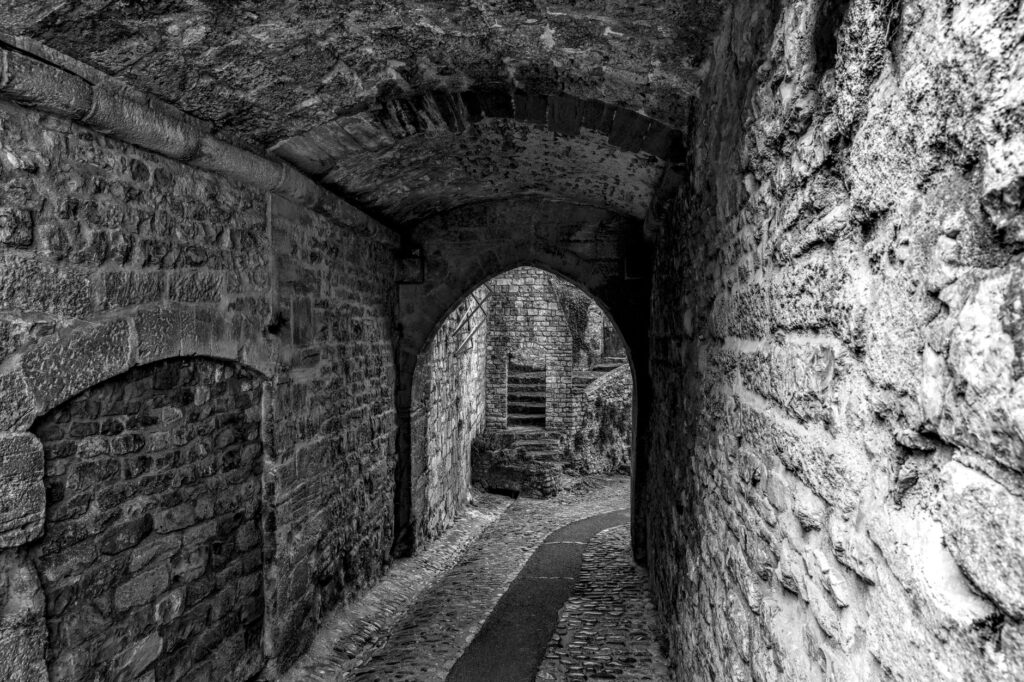
The location of settlements such as Gordes, Roussillon, Lacoste, or Saignon atop rocky escarpments originally responded to defensive needs during the Middle Ages and the Wars of Religion. These elevated sites allowed villagers to monitor commercial routes traversing the valleys and offered immediate refuge to peasant populations during enemy incursions. Urbanistically, they feature steep, narrow pedestrian lanes, vaulted walkways, and a dense fabric of homes built from the same local limestone quarried from the underlying subsoil.

The internal connectivity of these historic urban cores relies on a network of pedestrian alleys and stone staircases that de facto prohibit heavy motorized traffic, preserving the acoustic and aesthetic integrity of the environment. However, this urban model poses significant contemporary challenges: tourist real estate pressure and the depopulation of permanent residents threaten to turn these villages into mere open-air museums. Local administration struggles to maintain basic services, schools, and local shops ensuring these communities continue beating with their own life during winter months.
Color as Infrastructure: The Ochre Quarries of Roussillon
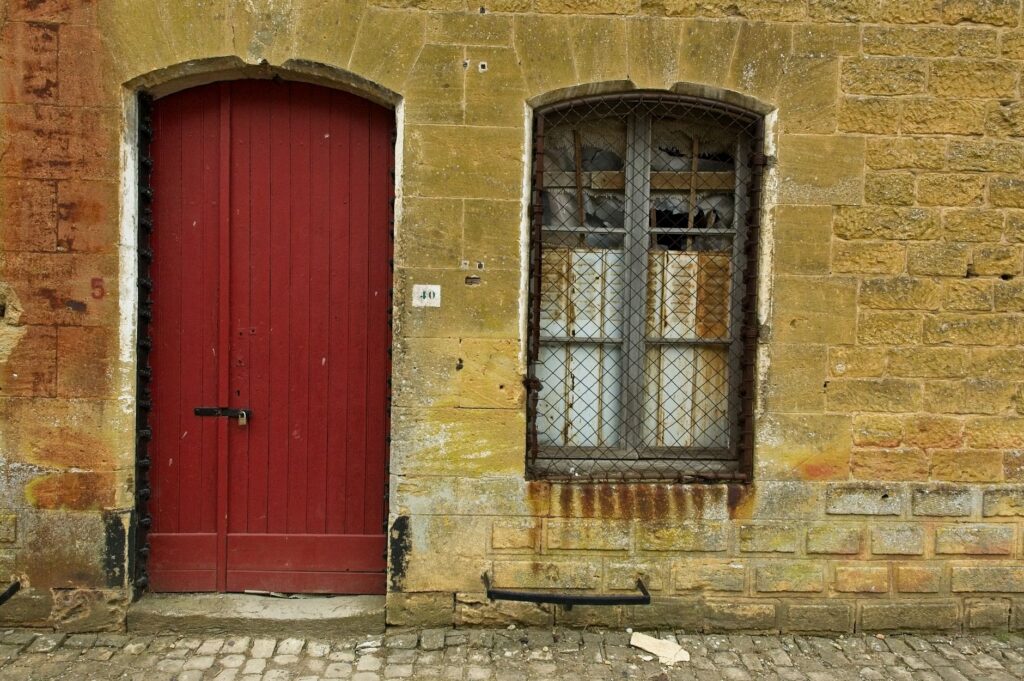
A singular chapter in the geography of the Luberon is formed by the mineral ochre deposits situated around Roussillon and Caseneuve. Exploited from the late eighteenth century well into the twentieth, these open-air quarries not only molded the area’s industrial economy but also defined the chromatic palette of local architecture. The extracted pigments, ranging from pale yellow to intense red, were used to dye house facades, creating an unmistakable visual harmony between the natural soil and human construction.
The closure of industrial mining paved the way for a model conversion of the geological heritage. Today, conditioned trails allow visitors to traverse the old extraction channels and clay cliffs under strict environmental conservation rules that prevent massive erosion caused by tourist influx. This balance between the cultural valorization of the industrial past and the protection of a fragile clay ecosystem constitutes a pioneering example of sustainable tourism management in southern Europe.
Practical guide
How to get there: Marseille Provence Airport (MRS) is the main gateway, located about 70 kilometers south of the Luberon. From there, the most efficient option to explore the region is renting a vehicle or using regional bus networks connecting Avignon and Aix-en-Provence to the park’s main villages.
When to travel: June and July offer the visual and olfactory spectacle of lavender blooming, though spring (April and May) and autumn (September and October) are ideal for hiking thanks to mild temperatures and lower tourist crowds.
Behavioral and sustainability rules: Picking protected lavender shoots, straying off marked trails in the Roussillon ochre areas to prevent erosion, and lighting fires in forested zones due to high summer fire risk are strictly prohibited.
Accommodation and gastronomy: Prioritize traditional rural guesthouses (chambres d’hôtes) managed by local residents and weekly farmers’ markets to purchase products with protected designation of origin, such as extra virgin olive oil from AOC Provence and Luberon wines.
Emotional Epilogue Beneath the Twilight Light of Bonnieux
As the sun begins to descend behind the Vaucluse mountains, the limestone of the Luberon sheds its blinding whiteness to adopt amber and mauve tones seemingly sculpted by an impressionist painter. In that suspended moment of silence, seated on the stone parapet of a viewpoint in Bonnieux, one understands that the true wealth of this corner of Provence lies not in its most photographed monuments, but in the silent patience of its dry-stone walls, the constant humming of bees among lavender stems, and the stubborn resilience of a landscape refusing to lose its soul to the rush of the modern world.