The Civic Cathedral of the Plain
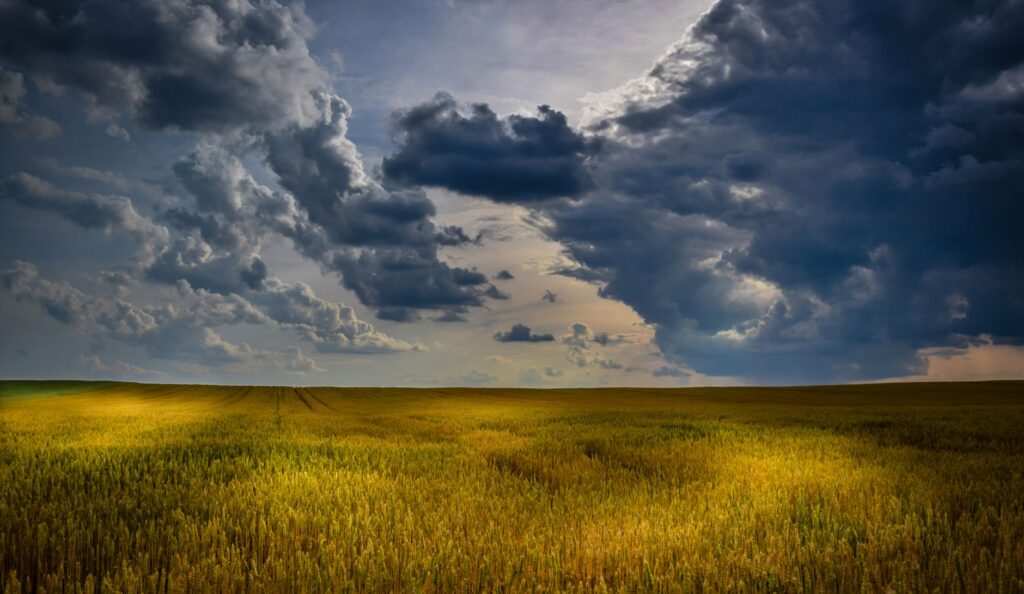
In the geographic heart of the Manchegan plain, where the horizon dissolves between summer haze and golden cereal, the Central Market of Albacete stands not merely as a provisioning center, but as the true civic cathedral of the city. Built upon the foundations of ancient commercial squares, this precinct embodies the resilience of a consumer model where the given word, direct dealing, and encyclopedic product knowledge remain steadfast against the cold standardization of large supermarkets. Crossing its doors at dawn is to witness an ancient ceremony of supply.
The morning hustle begins long before the first rays of sunlight illuminate the modernist facade. Delivery trucks unload wooden crates carrying the unmistakable aroma of orchards and the sea—a reminder that Albacete, despite being inland, functions as a vital commercial hub. The vendors, heirs to lineages that have stood behind counters for decades, arrange the produce with an almost choreographic precision. Here, aesthetics do not respond to interior design whims, but to a functional logic refined by generations.
The Architecture of Encounter
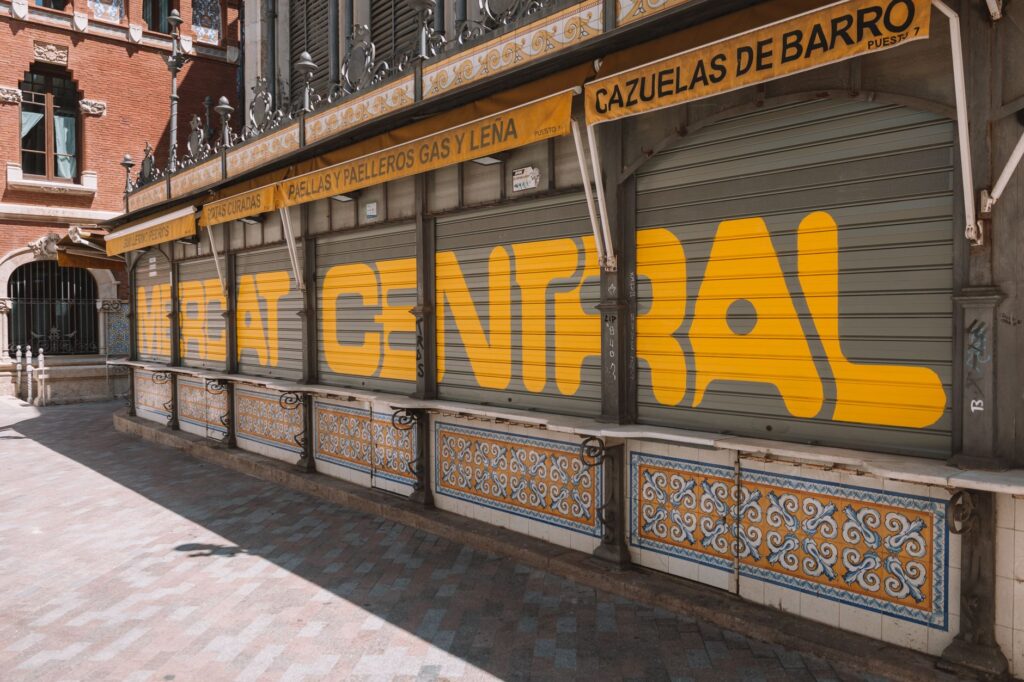
The building’s structure combines the industrial functionality of the early 20th century with decorative elements evoking the region’s agrarian tradition. Wrought-iron pillars support a wide roof that allows natural light to filter through, creating a warm and approachable atmosphere. Beneath this canopy, the stalls are organized into aisles and corridors that function as vital arteries through which the social life of the Albacete capital flows. Each section possesses its own sonority, from the dry clatter of knives on wooden chopping blocks to the constant murmur of neighborhood huddles.
This spatial design fosters human interaction that transcends mere economic transaction. Regular customers do not simply come to buy groceries; they seek the butcher’s advice on the curing point of a cheese or the greengrocer’s confidence regarding the exact origin of the melons. In this ecosystem, time moves at a different speed. The queues in front of the stalls are never a cause for impatience, but rather the perfect excuse for exchanging news, recipes, and opinions about the progress of the city and the countryside.
Treasures of the Orchard and Dryland
Local produce is the undisputed protagonist of the display counters. Proximity to the province’s cultivation fields and river orchards guarantees a seasonal supply of undeniable freshness. During the autumn and winter months, artichokes, cardoons, and borage take center stage, while spring floods the stalls with the first tender garlic and fresh peas. The Manchegan earth, demanding and dry, endows its fruits with an exceptional concentration of flavor that local chefs and home cooks value equally.
Alongside the garden produce, the traditional recipe book finds its infinite pantry in the market. Bulk legumes—small chickpeas from Albacete, monilla beans—are displayed in open sacks that allow buyers to appreciate their caliber and texture. Merchants patiently explain the necessary soaking times and recommended water hardness to achieve a perfect stew. It is an oral transmission of culinary knowledge that firmly resists the onslaught of ultra-processed foods, reminding us that popular haute cuisine is sustained by the simplicity of well-treated ingredients.
Red Gold and the Wisdom of the Land
Special mention should be made of saffron, the coveted red gold of La Mancha, whose threads are sold in small specialized shops within the market itself. Vendors proudly explain the particularities of the Protected Designation of Origin, detailing the complex process of picking and toasting that transforms the violet flower into the most precious spice in the gastronomic world. A few threads are enough to transform an everyday stew into a masterpiece of aroma and color, a symbol of the patience and dedication characteristic of the Manchegan farmer.
The presence of saffron connects directly to the historical commercial history of the area, a historic crossroads where merchants from diverse backgrounds exchanged manufactures and spices. Today, acquiring this product in the central market is an act of complicity with the land. Experts advise always buying it in thread form, distrusting powder, and storing it in airtight jars away from light. This type of practical guidance, passed from counter to customer, constitutes the true added value of traditional commerce.
The market is not a mere showcase of goods, but the living archive where a people’s memory is nourished and renewed every morning.
Treasures of the Pastureland and Herding
The meat sector of the market offers a fascinating panoramic view of the province’s livestock and neighboring mountain ranges. Butcher shops display impeccable cuts of Manchegan lamb, whose tender and juicy meat comes from animals raised in free-range conditions on aromatic pastures. Cutting professionals master the art of offering the exact thickness for each preparation, whether it is grilled chops or a lamb stew in a cauldron, an emblematic dish of popular celebrations throughout the autonomous community.

Likewise, artisanal cured meats occupy a prominent space in the display cases. *Lomo de orza*, traditionally preserved in extra virgin olive oil, and village chorizos made with regional paprika reflect a preservation culture designed to withstand the climatic rigors of the plateau. These products, cured in the cold mountain air or in underground cellars, concentrate intense nuances that evoke the holm oak forests and Mediterranean scrublands where the animals graze.
The Liturgy of Manchego Cheese
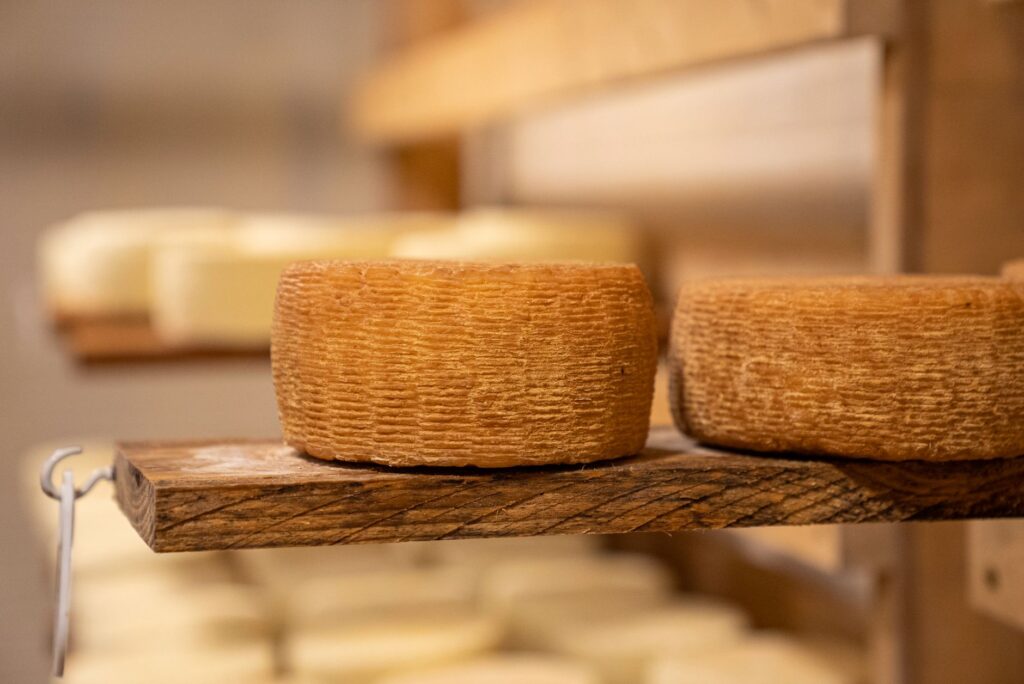
Among the market’s aisles, artisanal cheese shops display wheel after wheel of PDO Manchego cheese, made exclusively from the milk of the Manchega sheep breed. The artisan cheesemakers explain the fundamental differences between semi-cured, cured, and aged specimens, inviting buyers to conduct informal tastings before deciding on a piece. The clean cut of the wedge, the firm yet creamy texture, and the perfect balance between acidity and salinity turn this cheese into a universal ambassador of Albacete’s gastronomy.
The relationship between the cheesemaker and their clientele is based on absolute trust. It is not uncommon for the vendor to reserve a specific batch of cheese aged for six months for a customer who prefers more lactic notes over the pungent intensity of old cheese. This personalized attention is the antidote to the homogenization of modern consumption. In the market, every wedge tells a story of shepherds, transhumant flocks, and patient maturation in cellars with controlled humidity.

The Cuisine of Recycling: Spoon Aromas
The flow of the market indirectly feeds the taverns and inns of the immediate surroundings, where newly acquired pantry items are transformed into memorable dishes. Manchegan gazpachos—far from the cold Andalusian version, here made with broken flatbread, hare, partridge, and mushrooms—are served steaming in clay casseroles in nearby taverns. Market cuisine is a cuisine of resistance, based on maximizing available resources and the ancestral wisdom of utilizing every gram of product with imagination and technique.
This symbiotic bond between sales stalls and local hospitality guarantees a closed cycle of economic and cultural sustainability. Cooks come in person to inspect the merchandise, selecting the ideal pieces for the daily menu. Thus, what is bought early in the morning at the market becomes a comforting dish by noon over the checkered tablecloth, keeping alive a value chain that directly benefits the local producer and preserves the authenticity of the Manchegan recipe book.
Eating in Albacete is understanding the patience of the plain; every dish demands time, slow fire, and absolute respect for the primary product.
Practical guide
Planning a visit to the Albacete Central Market requires understanding its schedules and dynamics to make the most of the experience. The market is open from Monday to Saturday during morning hours, with the window between 8:00 AM and 11:30 AM being the most recommended to witness commercial hustle at its peak and ensure the acquisition of the day’s freshest products.
- Location: Situated in the historic center of the city, it is accessible on foot from any central point and features underground parking facilities nearby.
- Shopping tip: It is advisable to carry cash for smaller traditional stalls, though most now accept card payments.
- Specialties to take home: Artisanal PDO Manchego cheese, regional saffron threads, and preserved *lomo de orza*.
- Gastronomic surroundings: Complement your visit by touring the historic center’s taverns to taste a local wine accompanied by traditional tapas.
The Invisible Heartbeat of Memory
As the morning progresses and the market aisles begin to empty of the early hours’ frenzy, an atmosphere of productive quietude settles in, revealing the true essence of the place. Merchants leisurely sweep away remnants of artichoke leaves and packing straw, closing metal shutters until the next dawn with the satisfaction of a job well done. In that afternoon silence lies the dignity of a trade that refuses to vanish, sustained by the loyalty of a clientele that understands shopping at the market is, ultimately, an act of love toward one’s community and shared memory.
Stepping back outside, the contrast with the accelerated pace of the contemporary world is evident yet comforting. Albacete demonstrates that modernity does not have to devour tradition; rather, both can coexist if spaces holding the collective soul are nurtured. The Central Market remains steadfast as a beacon of authenticity across the plain, reminding every traveler that a people’s culture is tasted, above all, at the shared table and through the human warmth of each passing day.