
Autumn does not arrive in Europe with the roar of storms or the abruptness of the first snows. It arrives quietly, announced by a subtle shift in the chromatic palette of the forests and the density of the air. When nighttime temperatures drop and the first rains penetrate the earth parched after summer, an ancient biological mechanism is set in motion. Beneath the leaf litter, the mycelium begins to awaken, activating a cultural, gastronomic, and social economy that completely transforms the continent’s rural regions.
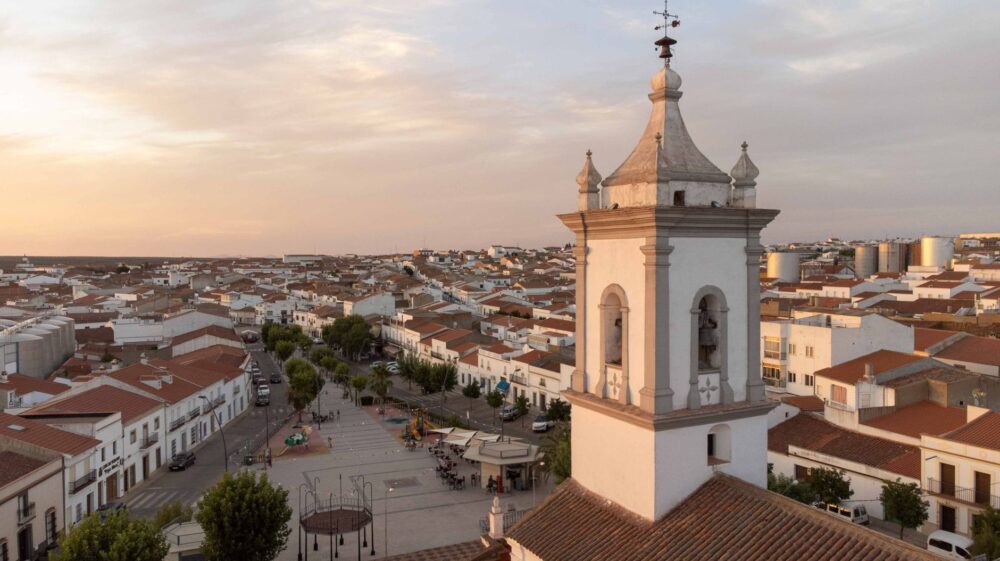
This report explores those territories where the foraging and consumption of wild mushrooms are not merely a seasonal hobby, but a way of understanding the landscape and survival. From Atlantic beech forests to Mediterranean dehesas and alpine valleys, the start of the mycological season mobilizes entire communities. We analyze how science, tradition, and haute cuisine converge at a time when the forest becomes the most coveted market on the continent.
The hidden science beneath the soil of European forests
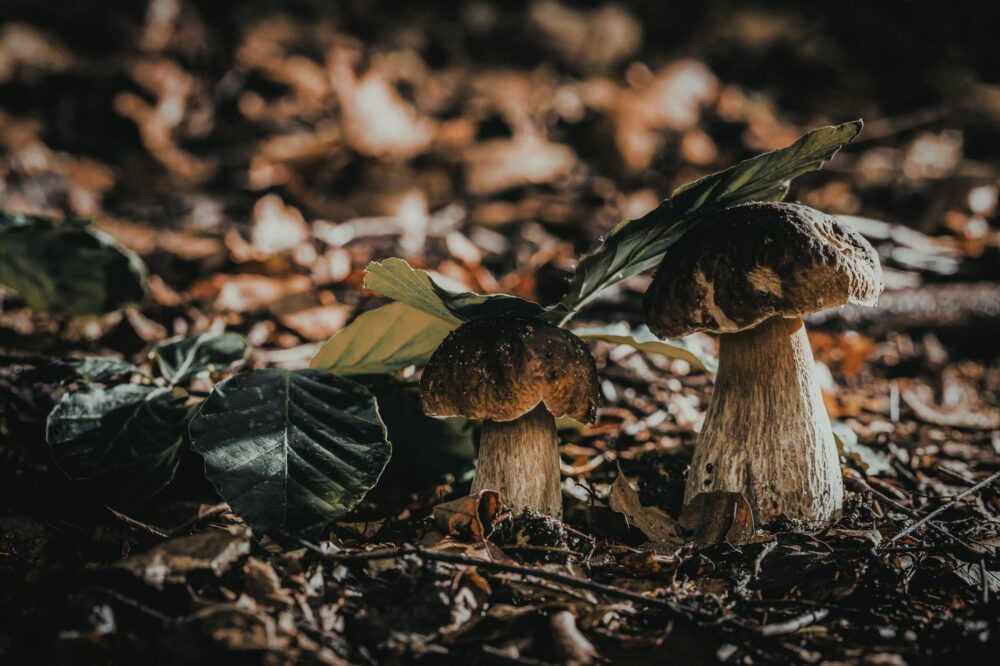
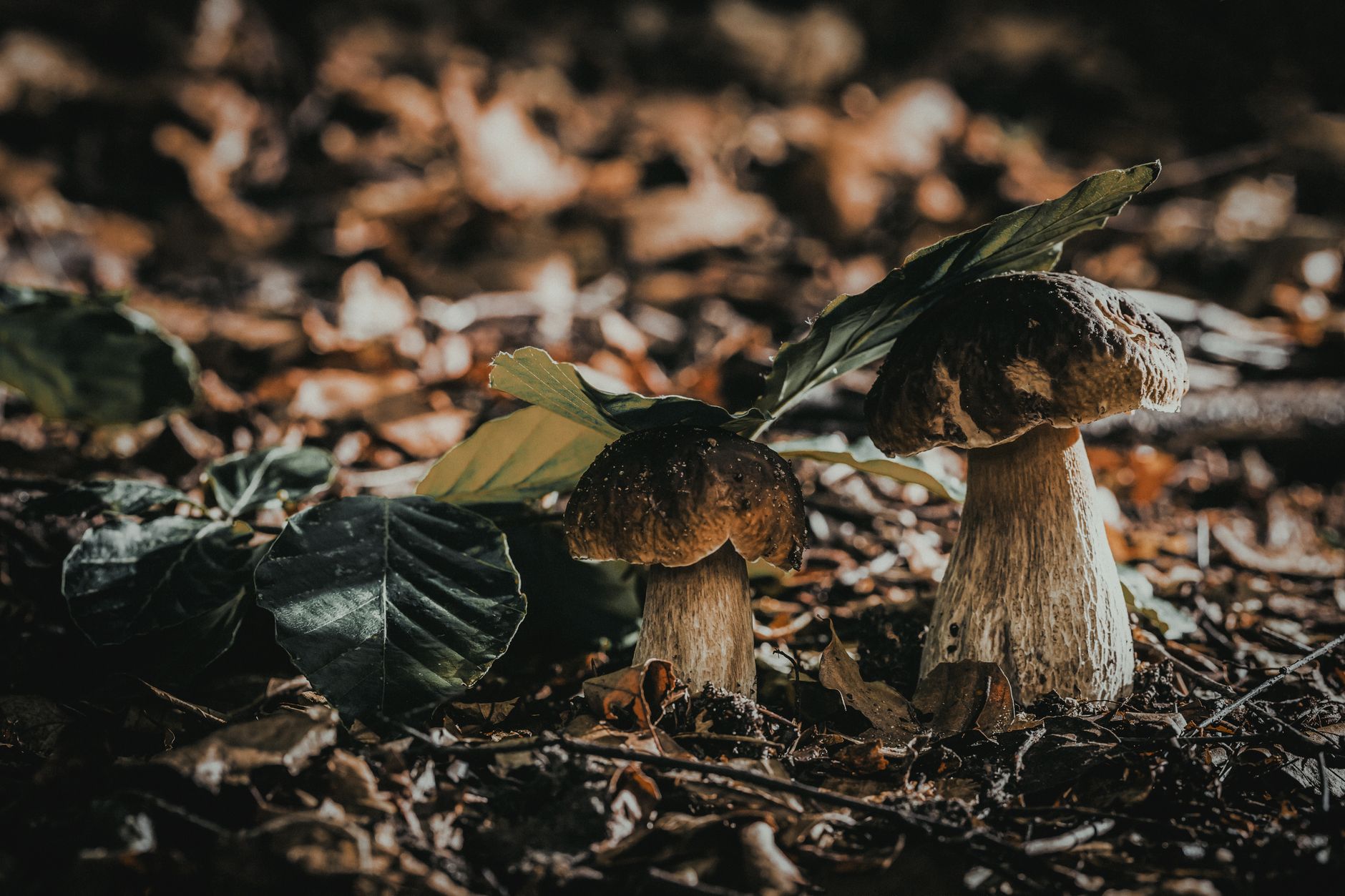
To understand the fascination that mushrooms evoke across Europe, one must look downward. What we commonly call a mushroom is merely the ephemeral fruit of a much vaster and more complex organism: the fungus. The true vegetative body, the mycelium, spreads invisibly beneath the forest surface in a symbiotic network of kilometer-long proportions connecting tree roots. This mutually beneficial relationship, known as mycorrhiza, allows trees to exchange sugars for minerals and water that the fungus extracts from the soil.
Mycologists emphasize that the success of a mushroom season depends on an extraordinarily fragile climatic equation. Rain alone is not enough; precipitation must be steady and gentle, accompanied by a specific thermal range that prevents both drought and premature frost. In regions such as northern Spain or the Carpathians, experts monitor soil moisture with millimeter precision. Any alteration in temperature patterns disrupts the life cycle of species as sensitive as the porcini or Caesar’s mushroom, turning the harvest into a privileged indicator of forest ecosystem health.
The invisible economy of mycological villages
When the season is officially inaugurated, the economic dynamics of numerous European municipalities undergo a radical shift. Villages that experience relative calm during the summer months see their population double with the arrival of local foragers, scientists, and gourmets. This influx generates a unique economic ecosystem where regulated foraging permits, mycological valorization centers, and traditional fresh produce markets coexist.
In mountain towns across Central Europe, local auction houses establish rigorous quality and traceability controls before mushrooms reach the stalls. Expert health inspectors examine each batch to prevent poisonings and ensure that protected or endangered species are not over-harvested. This strict regulation protects both the consumer and forest biodiversity, ensuring that foraging pressure does not compromise the survival of natural habitats for future seasons.
The ritual of foraging in northern beech forests
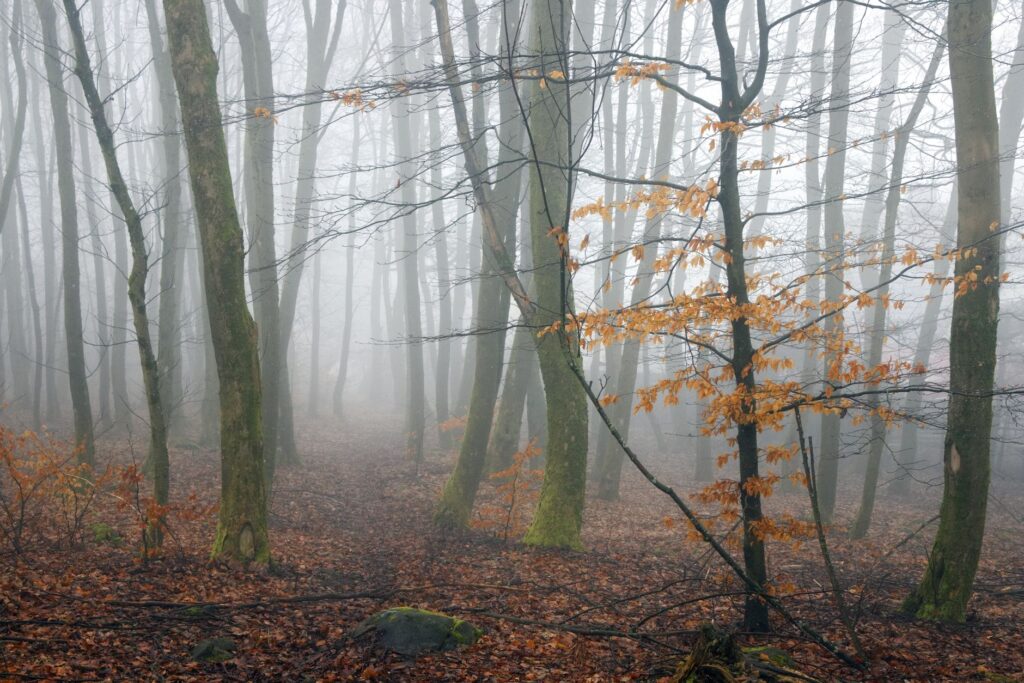
Dawn in an Atlantic beech forest during October possesses an almost liturgical quality. Mist clings to centuries-old trunks as small groups of locals walk with firm, silent steps, equipped with wicker baskets and specialized knives. In these humid geographies, mushroom foraging is knowledge transmitted from generation to generation, an oral archive of lore where each family jeously guards the exact location of their most generous patches.
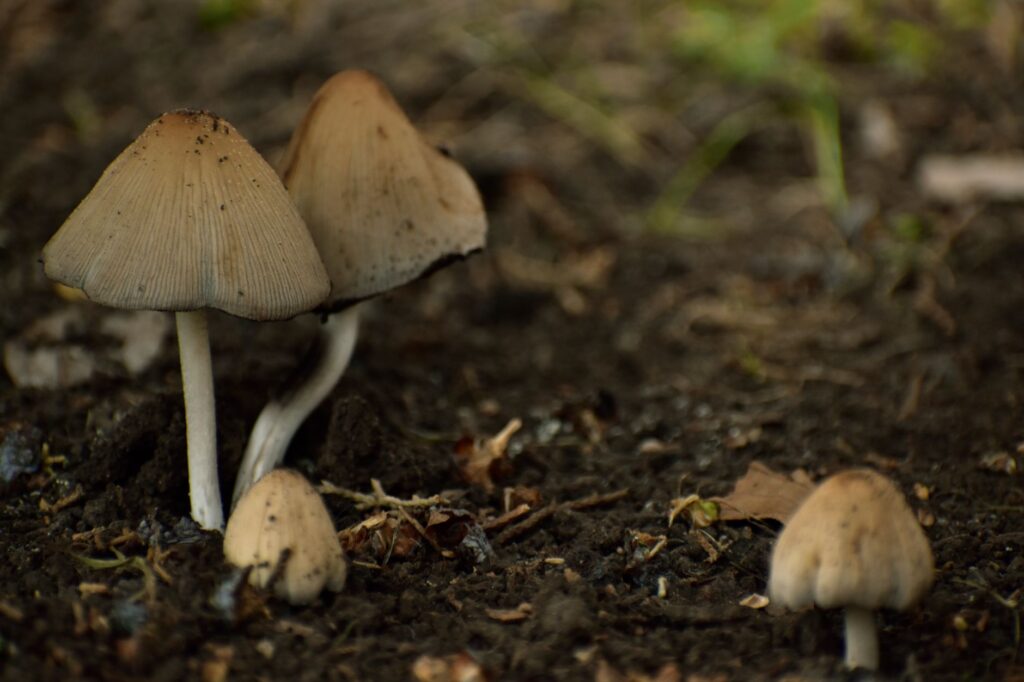
Unlike what occurs in areas of intensive harvesting, respect for the environment is an unwritten rule here. Wicker baskets are used for a strictly biological reason: they allow the fungus spores to disperse back into the forest as the forager walks, ensuring the species’ continuity. Likewise, using a knife prevents damage to the underground mycelium. This almost reverential respect contrasts with the tourist overcrowding that more accessible enclaves sometimes suffer, reminding us that the forest demands patience, silence, and humility.
The forest does not yield its treasures to those who seek them in haste, but to those who know how to read the invisible language of moisture and shadow.
European markets: where the forest becomes a dish
The journey of a mushroom from the forest floor to the stalls of traditional markets is brief yet intense. In cities and towns across Europe, food markets transform into ephemeral museums of mycological biodiversity. Here, specimens range from the coveted boletus edulis to delicate black trumpet mushrooms, intensely orange saffron milk caps, and the aristocratic Caesar’s mushroom, already appreciated by Roman caesars.
These spaces are also meeting points where popular knowledge and haute cuisine converge. Local restaurateurs arrive early to select the product of the day, establishing a direct relationship with professional foragers. In these markets, customers can learn to distinguish the subtle aromatic differences between specimens grown in siliceous soils versus those harvested in calcareous terrain, a nuance that demanding chefs value as much as texture or size.

Seasonal cuisine: the triumph of simplicity
Against the complex preparations dominating contemporary haute cuisine, traditional gastronomy tied to seasonal mushrooms advocates for radical culinary honesty. Cooks working in producing regions agree on a fundamental principle: the better the ingredient, the less stove intervention is needed. A quick sauté in extra virgin olive oil with a pinch of garlic and fresh parsley is often the vehicle of choice to reveal the earthy, woody, and mineral nuances of a freshly harvested fungus.
In alpine valleys and Central European regions, mushrooms traditionally accompany game stews, fresh pastas, and steaming polentas, providing an umami depth that no other plant ingredient can replicate. Traditional preservation methods—whether sun-drying, vinegar pickling, or oil conservation—once allowed this seasonal wealth to be prolonged through winter months, an emergency pantry that has now become a true gastronomic luxury.
Sustainability and climate change confronting the mycelium
However, the onset of the mycological season in Europe currently faces unprecedented challenges. Experts warn that climate change and altered precipitation regimes are destabilizing natural fruiting cycles. Prolonged droughts followed by torrential storms break the delicate balance the mycelium needs to generate fruiting bodies, resulting in increasingly short and unpredictable seasons.
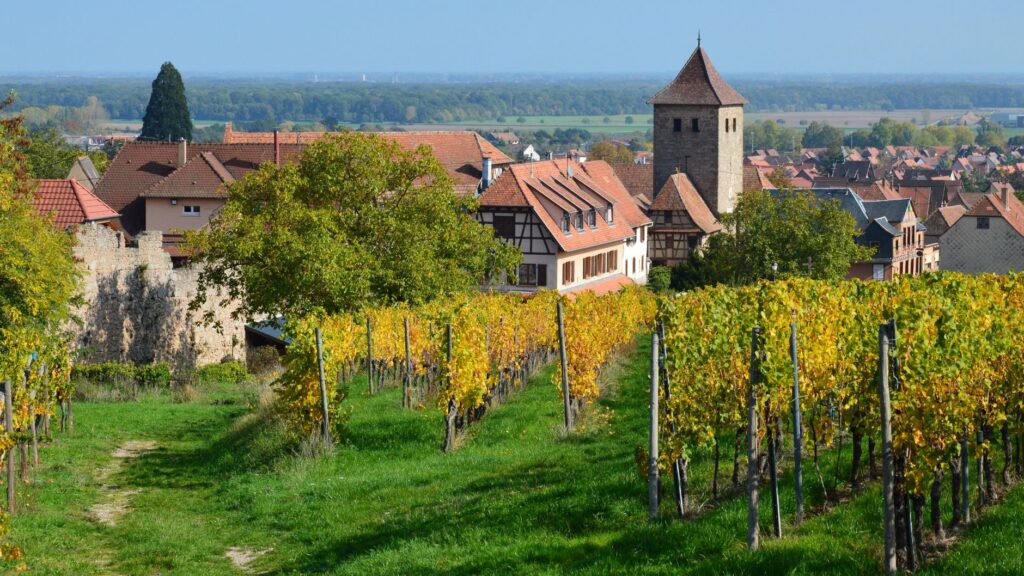
Added to this environmental threat is human pressure from the rise of gastronomic tourism and uncontrolled foraging. In many regions, a lack of awareness among visitors leads to soil compaction, the destruction of non-edible species—which fulfill essential ecological functions—and waste accumulation. Facing this scenario, scientists, forest managers, and local administrations demand stricter management plans and environmental education campaigns reminding people that the forest is not an inexhaustible resource.
Protecting subsurface biodiversity is the only guarantee that future generations will continue to hear the secret heartbeat of autumn.
Practical guide
When to go: The main season extends from late September to mid-November, depending strictly on the first autumn rains and dropping temperatures.
Permits and regulations: The vast majority of European regions with mycological traditions require obtaining a prior foraging permit, which can be processed at local town halls, tourist offices, or authorized digital platforms. These permits usually limit the maximum kilograms allowed per person per day.
Recommended gear: Waterproof and non-slip clothing and footwear are essential, along with a rigid wicker basket to promote spore dispersal, a mycological knife with an integrated brush, and a reliable identification guide endorsed by experts.
Health precautions: No wild species should ever be consumed unless its identification is one hundred percent certain. At the slightest doubt, specimens must be reviewed by local mycological associations or immediately discarded.
The echo of the forest on the plate
When the mushroom season draws to a close and early winter frosts freeze the soil surface, the European forest recovers its deep silence. Yet the trace of those months of feverish activity remains in larders, in the memory of foraging villages, and in kitchens that have captured the ephemeral essence of damp earth. Eating a mushroom in autumn is, ultimately, an act of communion with the landscape: a reminder that beneath our feet lies an invisible network sustaining life, beating each year with the same ancestral force.
Source in English: Condé Nast Traveler Spain – European destinations to discover the start of the mushroom season (https://www.traveler.es/articulos/destinos-europeos-para-descubrir-el-comienzo-de-la-temporada-de-setas)