
The Metric Track as a Living Fossil of Northern Industrialization
The territory stretching between Bilbao and Ferrol across the Cantabrian coast cannot be understood from the asphalt of highways, but from the geometric and obstinate perspective of the metric track. For decades, the narrow-gauge railway network of northern Spain served as the vertebral artery of a geography fragmented by cliffs, estuaries, and mountain ranges that defied the logic of the central state. Today, this century-old layout is undergoing a fascinating mutation, leaving behind its purely extractive and freight role to emerge as the standard-bearer of high-end rail tourism that champions the right to slowness.
Faced with the aerodynamic uniformity of high-speed rail, the Transcantabrian Express imposes a choreography of steel and wood that forces the traveler to synchronize with the geological pulse of the territory. Every tight-radius curve, every metallic viaduct suspended over emerald estuaries, and every tunnel carved into limestone rock reveals a titanic effort of civil engineering that transformed the economy of Asturias, Cantabria, and the Basque Country in the late nineteenth century. The narrow track is not merely a means of transport, but a moving archaeological archive where industrial history and radical landscape contemplation converge.
The Geography of the Gorge: Topography and Layout in the Pas Valleys
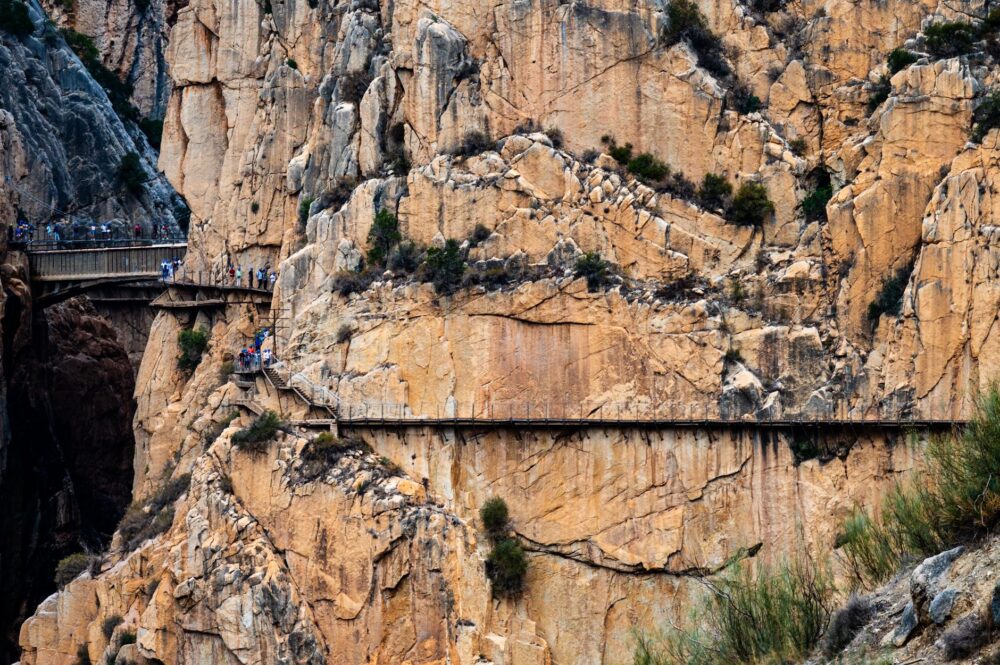
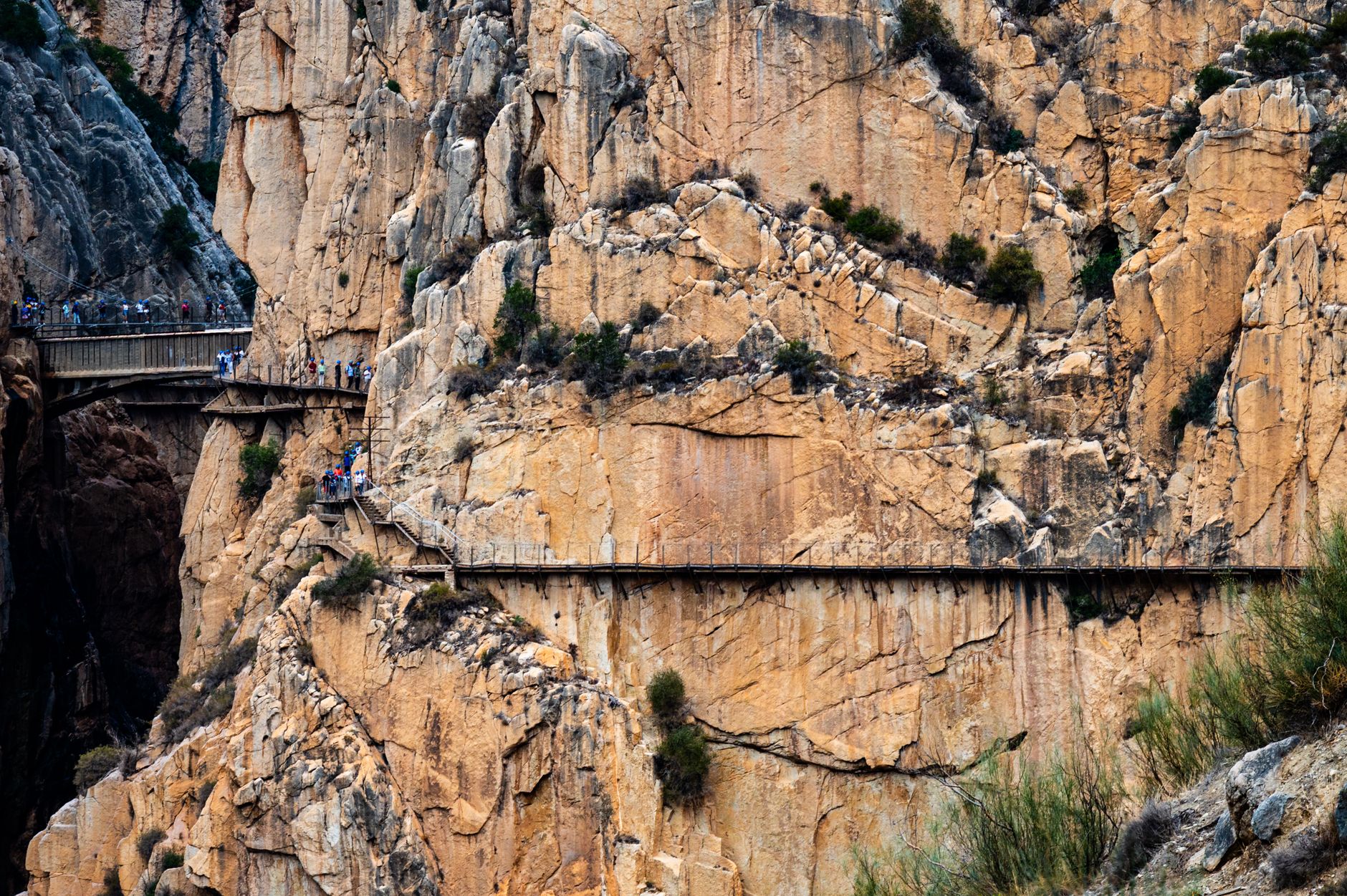
Understanding the technical magnitude of this route requires delving into the sections where the topography turns most hostile. As it passes through the eastern foothills of Cantabria and western Biscay, the track meanders, adapting minimetrically to the contour lines of the Asón and Agüera rivers. The engineers of the era were forced to design impossible gradients and countless masonry works—cuttings, dry-stone retaining walls, and small iron lattice bridges—that today form an inseparable part of Europe’s civil heritage.
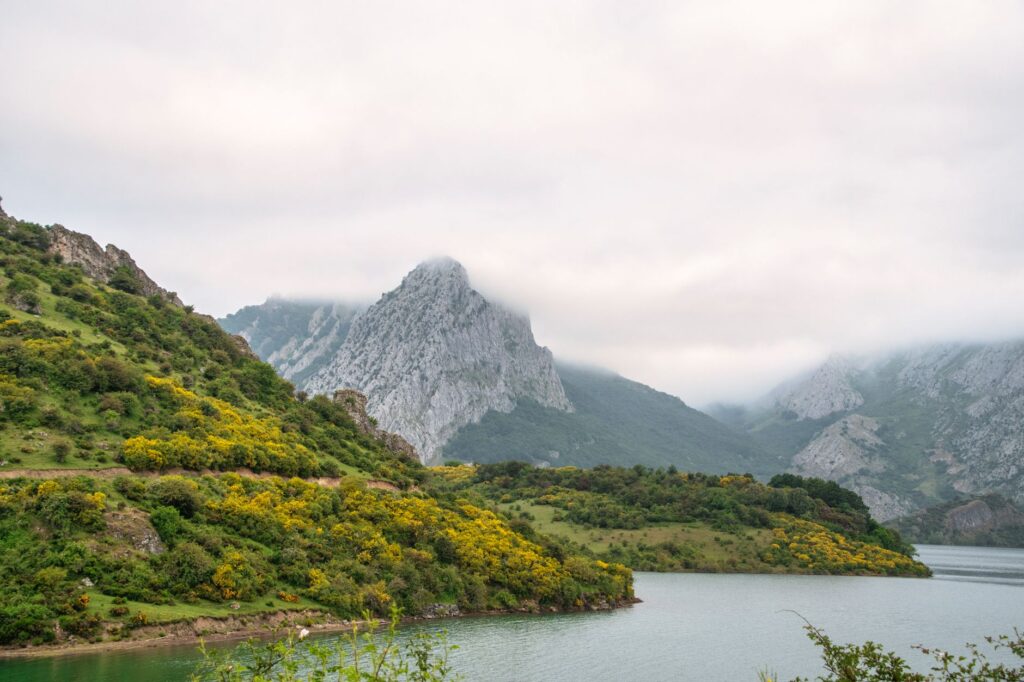
This absolute subordination to topography generates a visual experience radically different from that of the modern motorway traveler. Here, large base tunnels that nullify the relief are not bored; instead, the track hugs the contour of the mountain, forcing the train to reduce speed to levels that allow travelers to appreciate the shifting vegetation, from Atlantic oak forests to high-altitude pastures. The constant rattling and metallic sound of wheels on the narrow rail act as a physical reminder of the friction between human intervention and the brutal green of the Cantabrian landscape.
The narrow-gauge railway in northern Spain was not designed to connect metropolises with maximum efficiency, but to suture the geographic wounds of a region devoted to coal, iron, and the sea.
Rolling Engineering: Classic Interior Design Applied to Contemporary Mobility
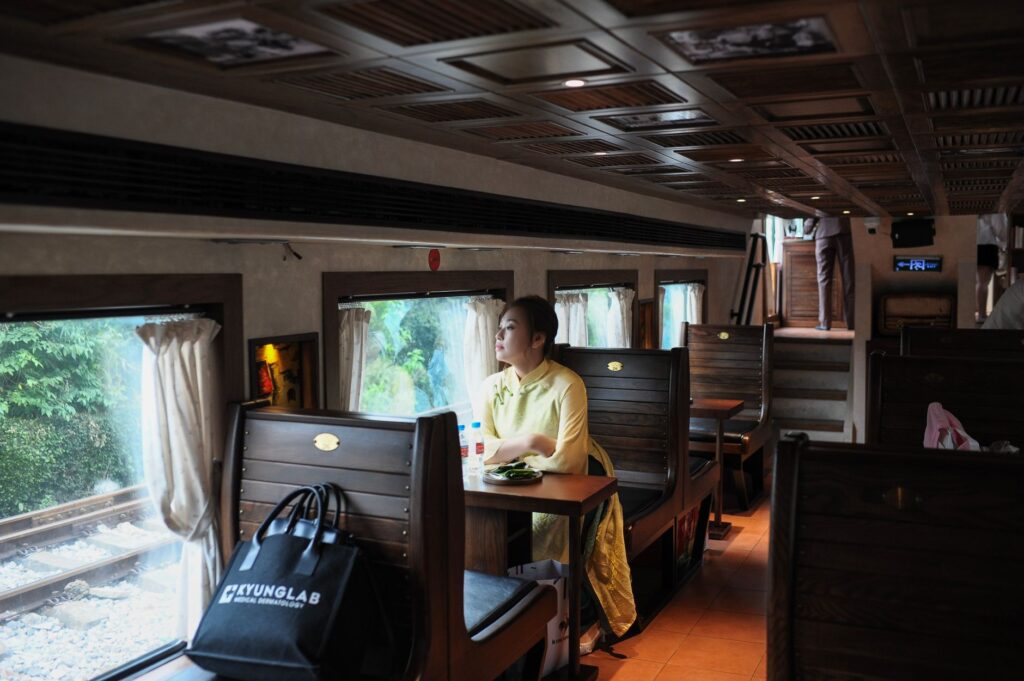
The rebirth of this route as a luxury tourism experience rests on a delicate paradox: preserving the railway aesthetic of the 1920s while adapting it to contemporary comfort standards. The units making up these tourist trains are authentic rolling salons where mahogany woodwork, polished brass panels, and virgin wool textiles converse with silent air conditioning systems and state-of-the-art acoustic insulation.
Each lounge car and sleeping car has been conceived under rigorous criteria of spatial ergonomics. Despite the gauge limitations imposed by the metric track—which reduces available width compared to Iberian or standard gauge trains—designers have optimized every centimeter to offer suites with private bathrooms, high-density beds, and large panoramic windows. This exercise in industrial design proves that luxury in contemporary travel no longer resides in excess space, but in the exclusivity of perspective and the artisanal care of finishes.
Wagon Cuisine: Atlantic Larder and Inshore Catch in Motion
One of the most complex and fascinating aspects of operating a hotel train of this nature lies in the logistical management of gastronomy on board. The train’s kitchens, as compact as those of a high-end yacht, operate under the baton of chefs who transform local raw materials into a culinary manifesto of the territory being traversed. Inshore catches from Cantabrian fishing ports—from Santoña anchovies to northern albacore—and meats with protected geographical indications from the interior valleys are processed with techniques that combine traditional northern cooking with avant-garde execution.
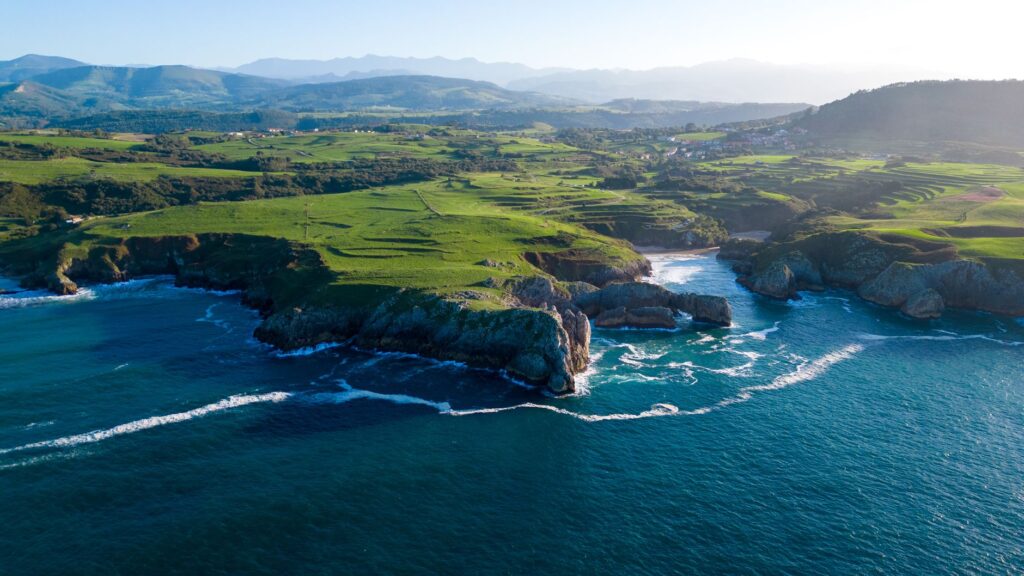
Dining on board while the landscape shifts from a flysch cliff in Zumaia to an alpine meadow in the Picos de Europa constitutes an unrepeatable multisensory experience. Tables dressed in white linen align next to large glass windows, turning every lunch into an exercise in communion between the palate and the horizon. The wine list, centered on small producers of txakoli, albariño, and Mencía from Cangas, reinforces a zero-kilometer vocation that shuns global standardization.
The Rhythm of Historic Stations: Iron and Stone Architecture
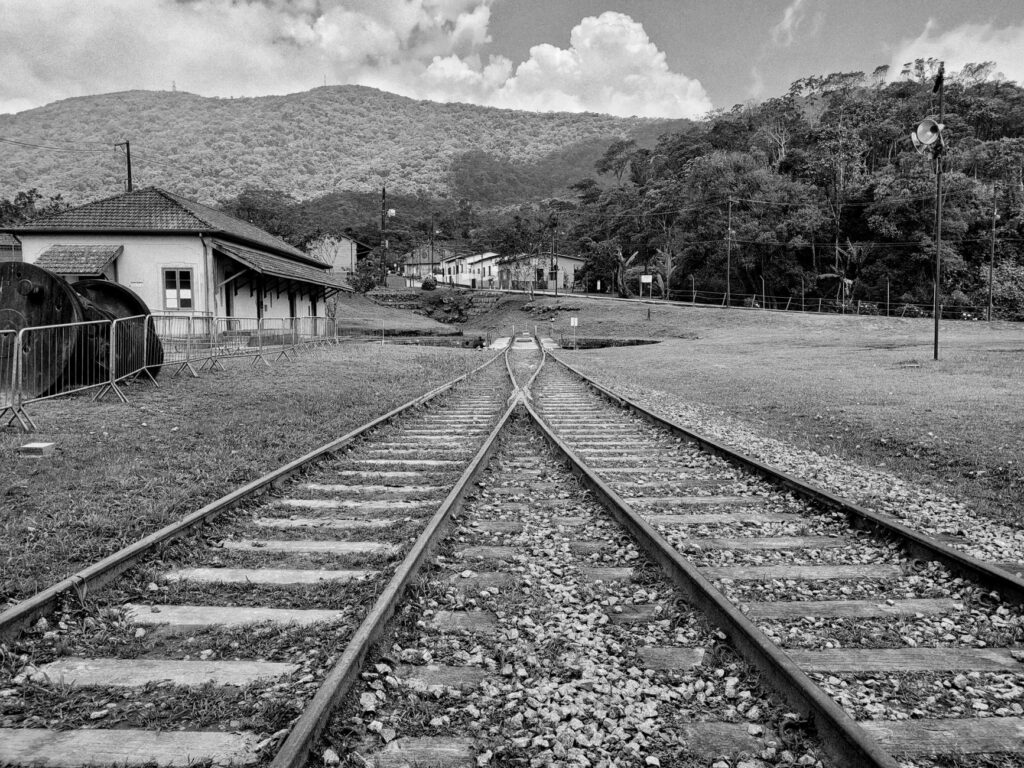
The journey along the Cantabrian coast is also an architectural inventory of nineteenth-century railway typology. The main stations and secondary halts punctuating the line retain a characteristic constructive language fusing exposed brick, gabled slate roofs, and industrial-inspired metal structures. These buildings, many cataloged as assets of cultural interest, act as urban landmarks in small fishing villages and rural valleys.
Stopping at these platforms allows travelers to gauge the social pulse of the route. Unlike large high-speed terminals—conceived as bunkers of anonymous transit—narrow-gauge stations maintain a human scale and a direct relationship with the local fabric. The hustle and bustle of local passengers using daily regional services mingles with the stillness of long-distance travelers, generating a space of transitory coexistence where one can still hear local accents and understand the daily dynamics of green Spain.
Socioeconomic Impact: Rural Depopulation versus Precision Tourism
Beyond its aesthetic and historical value, maintaining railway infrastructure of this nature raises economic and territorial debates of profound current relevance. In a context marked by the progressive abandonment of interior rural areas, specialized rail tourism acts as a diversified economic attraction pole that revitalizes small municipalities far from mass sun-and-beach circuits.
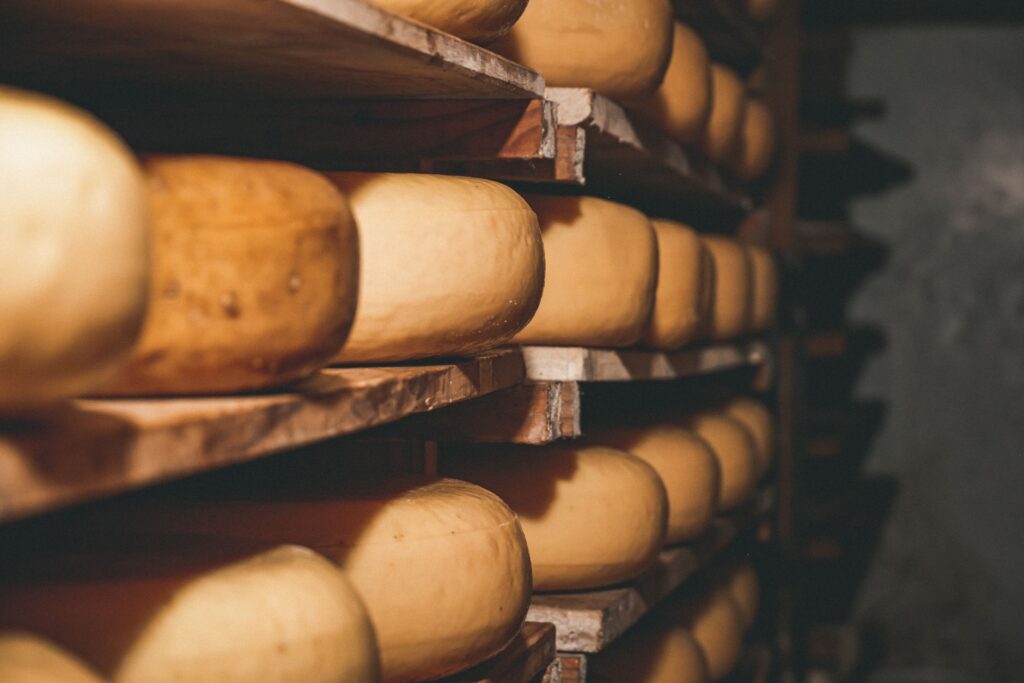
Collaboration agreements with local museums, artisanal cheese makers, mountain wineries, and geological interpretation centers generate a circular economy ecosystem that directly benefits local producers. However, the primary challenge lies in balancing the operational profitability of such costly infrastructure to maintain with the preservation of its exclusive character, preventing massification from despoiling the silence and slowness that constitute its greatest commercial appeal.
Practical guide
How to get there: The classic route of the Transcantabrian Express begins its seasonal departures from Bilbao or Santiago de Compostela, easily accessible from the international airports of both cities.
When to travel: Operational trips are concentrated between May and October, a period that guarantees optimal meteorological conditions to enjoy open-air panoramic stretches and walking cultural visits.
Recommended duration: Full itineraries have a standardized duration of eight days and seven nights, a format designed to cover the entire layout without passenger fatigue.
Booking and planning: Due to very limited capacity—generally accommodating fewer than thirty passengers per convoy—reservations must be made at least six to nine months in advance through official Renfe Tourist Trains channels.
Recommended luggage: Due to the strict gauge of the sleeping cars, oversized rigid suitcases are discouraged; flexible soft bags that optimize storage space under bunks are recommended.
Linked gastronomy: The ticket price includes full board on board and at selected high-end restaurants ashore, covering all breakfasts, lunches, and dinners.
Connectivity: Although the units feature satellite Wi-Fi, the mountainous topography causes frequent signal interruptions, favoring a model of involuntary but highly recommended digital disconnection.
The Last Station: Railway Memory and the Echo of Coal in the Atlantic
When the train slows down on its final approach to the destination terminal, with the salty smell of the sea mingling with the faint aroma of coal and bogie oil, the journey acquires a deeply introspective dimension. The Transcantabrian is not merely a vehicle to move from one point to another in northern geography; it is a time machine that restores our capacity to view the landscape on a human scale, recognizing the titanic effort of those who carved a path through impenetrable mountains with pickaxes. Upon stepping down onto the platform, with the murmur of the Cantabrian valleys still echoing in memory, the traveler understands that the true speed of the modern world actually consists in knowing how to stop in time to listen to the mineral heartbeat of the earth.