

The Persistent Shadow Over the Baggage Carousel
The moment airplane doors open and passengers disembark is, in theory, the threshold to a new adventure. Yet, for millions of travelers transiting through United States airports, that exact moment marks the beginning of a silent uncertainty: waiting by the luggage carousel. Recent industry data for 2026 reveals a troubling statistic: the nation’s leading airlines have lost, delayed, or damaged more than one million checked bags. This volume represents not merely a logistical failure, but the systematic disruption of itineraries, business meetings, and vacation dreams.
For the modern traveler, the temporary loss of luggage transcends simple logistical inconvenience; it constitutes a profound disruption of well-being and peace of mind. Tourism and passenger experience experts note that pre-flight anxiety has shifted away from turbulence or departure delays to focus squarely on the final destination of checked bags. This phenomenon forces a complete rethink of how we prepare for air travel, transforming the way we pack and understand the corporate responsibility of airlines.
An X-Ray of a Logistical Crisis in North American Skies
The cumulative volume of over one million luggage incidents recorded this year is no statistical accident, but rather the reflection of persistent structural tensions in commercial aviation. Airlines operate under tight profit margins and passenger flows that frequently exceed the optimal operational capacity of terminal facilities. When connections shrink to mere minutes and ground fleets suffer from a shortage of qualified personnel, the baggage handling system becomes the most vulnerable link in the chain.
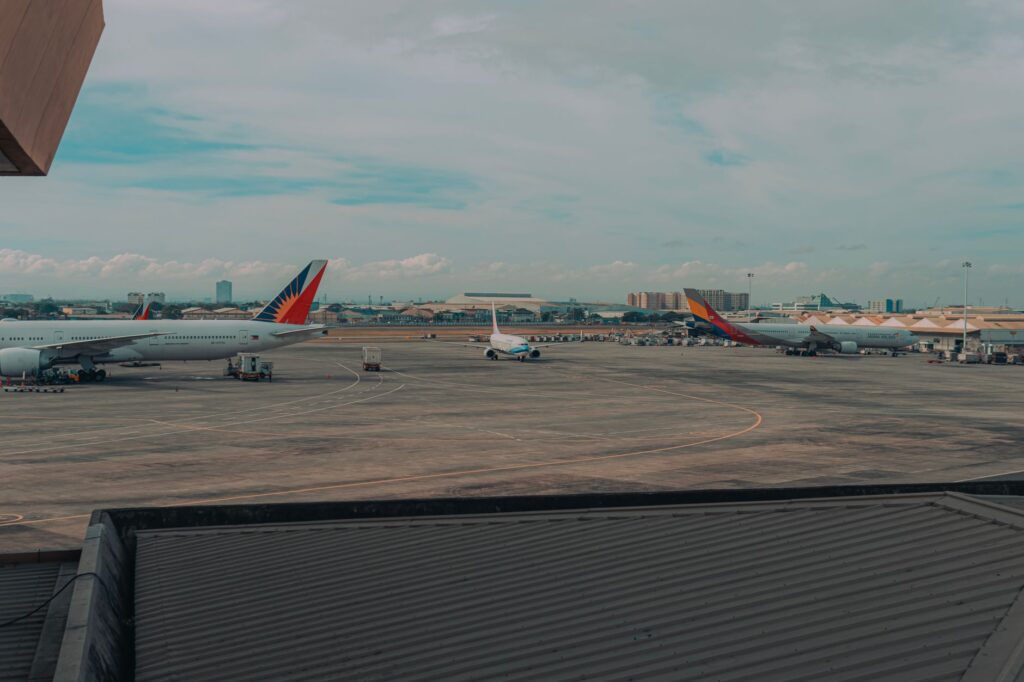
Checked luggage is the physical reflection of our trust in punctuality and corporate order; when it goes missing, that trust evaporates at the baggage carousel.
Large airport terminals, such as John F. Kennedy in New York or Los Angeles International, operate as autonomous cities where thousands of bags travel through miles of subterranean automated network tunnels. Mechanical breakdowns in these hidden networks, compounded by unpredictable weather changes that alter flight schedules, create a domino effect. A single bag missing its connection in Chicago can trigger a chain reaction affecting delivery logistics in destinations as distant as Miami or Seattle.
The Human Impact: When Luggage Defines the Journey
Behind every statistic in transport authority reports lies a personal narrative of frustration. The traveler arriving at an international conference without a formal suit, or the family landing at a mountain destination without appropriate winter clothing, experiences a very specific form of vulnerability. Luggage loss alters physical and mental well-being, forcing individuals to invest precious hours dealing with bureaucracy at customer service desks.
Wellness and travel psychology professionals warn that such mishaps significantly increase cortisol and stress levels at the very beginning of a journey. The necessity of shopping for daily essentials in local stores, often facing inflated prices and limited sizing, diverts attention from the trip’s original purpose. Airlines, for their part, respond with standardized compensation protocols that rarely make up for the passenger’s emotional toll and lost time.

Technological Innovation Versus Operational Obsolescence
Faced with the scale of figures recorded in 2026, the aviation industry is turning to digitalization and advanced tracking for solutions. The widespread use of high-read barcode tags and the integration of personal geolocation devices have become the most effective defensive tools for passengers. However, the technological disparity among airlines remains stark: while some carriers offer real-time tracking via mobile apps, others continue to rely on manual processes prone to human error.
- Investment in automated optical reading systems at major airline connecting hubs.
- Mandatory adoption of international baggage tracking standards across all commercial passenger airlines.
- Improvements in training for ground personnel responsible for the rapid transfer of luggage during critical connections.
- Implementation of instant notification protocols for passengers when their luggage experiences a route change.
Analysts agree that technology alone will not solve the issue unless accompanied by a thorough review of connection times and ground staffing levels. The airlines that successfully minimize incidence rates will be those that treat baggage management not as a secondary task, but as a foundational pillar of their brand reputation and customer well-being.
Airport Infrastructure: The Invisible Bottleneck
The architectural design of many US terminals dates back to the mid-20th century, an era when passenger volumes and air traffic complexity were radically different. Expanding terminal buildings is a slow, costly process, leaving airports struggling to modernize their logistical underpinnings without disrupting the daily flow of millions of travelers. Baggage tunnels, sorting systems, and service elevators often operate at the limit of their operational lifespans.
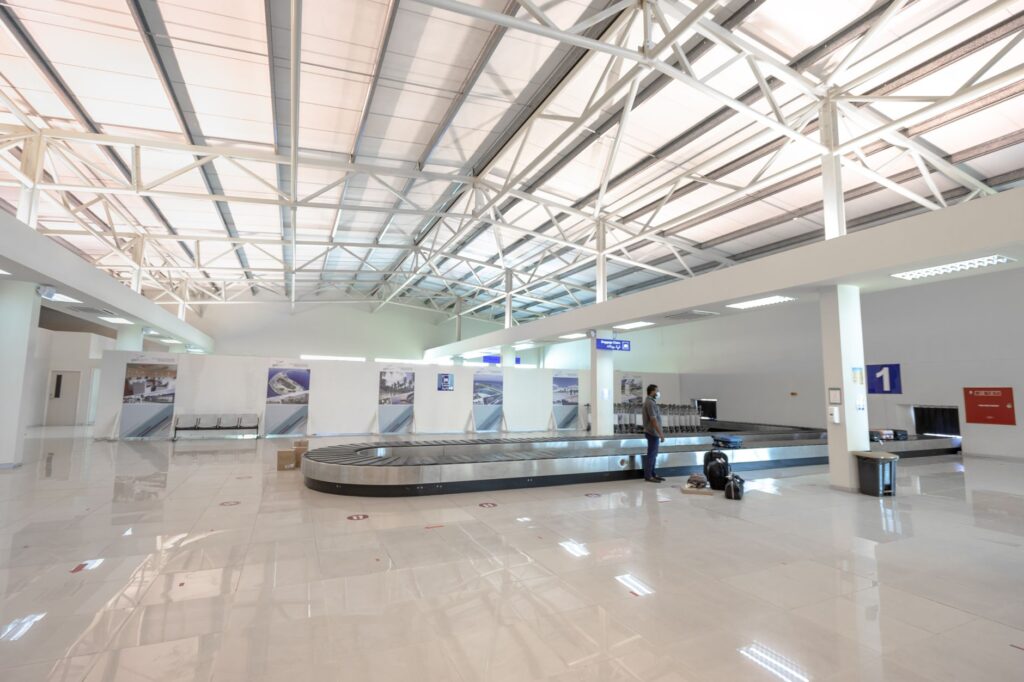
This structural obsolescence directly impacts ground operations efficiency. When a flight suffers a departure delay, ramp personnel must rush to meet turnaround times, increasing the risk of omissions in luggage scanning or proper loading into aircraft holds. Modernization requires coordinated investment among federal, local airport authorities, and commercial airlines themselves, a process frequently subject to complex budgetary debates.
Passenger Rights and Regulatory Response
The surge in luggage incidents has placed regulatory bodies under intense public pressure. Current regulations establish economic compensation for total loss or prolonged delay, but claims processes are frequently lengthy, opaque, and discouraging for the average consumer. In 2026, passenger advocacy associations are demanding stricter legal frameworks that impose automatic penalties on airlines with error rates above the industry average.
Demanding transparency in baggage handling is a fundamental right that must be protected with the same firmness as flight punctuality and cabin safety.
Regulatory pressure also aims to standardize reimbursement policies for essential purchases when a bag fails to arrive on time. Currently, each airline interprets what constitutes a reasonable expense differently, creating a fragmented and frustrating consumer experience. Harmonizing these rules nationwide is viewed by experts as an essential step toward restoring fairness in the commercial relationship between airlines and travelers.

Mitigation Strategies for the Contemporary Traveler
In a scenario where the risk of baggage mishap remains elevated, prevention has become the experienced traveler’s best ally. The golden rule today is temporary self-sufficiency: always carry essential medications, professional electronic devices, a full change of clothes, and identity documents in carry-on luggage. This practice minimizes the immediate impact of potential misplacement at the destination.
Additionally, experts recommend avoiding overly tight connections, especially at large airports during peak demand seasons. A generous time buffer between flights drastically reduces the probability that luggage will miss the transfer. While this may lengthen total travel time, the gain in terms of peace of mind and journey continuity usually outweighs extra minutes in the transit terminal.
Practical guide
Essential information for preventing and managing luggage incidents at US airports.

- Before flying: Photograph your luggage inside and out before checking it in to facilitate identification in case of loss or damage.
- Tracking devices: Place a personal digital tracker inside the suitcase to know its exact real-time location via your smartphone.
- At the counter: Ensure the adhesive tag placed by the airline correctly reflects the IATA code of your final destination airport.
- Upon incident: If your bag fails to appear at the carousel, immediately go to the airline’s assistance office to file a Property Irregularity Report (PIR) before leaving the terminal.
- Covered expenses: Keep all original receipts for essential purchases made during your luggage delay to request subsequent reimbursement.
- Legal deadlines: Remember that strict time limits apply for filing claims for damage or loss, so do not delay the process upon returning home.
The Art of Traveling Light as a Wellness Philosophy
Beyond statistics and claims protocols, the 2026 luggage crisis has sparked a deeper reflection on our relationship with material possessions during transit. The concept of traveling exclusively with carry-on luggage has gained adherents not only for practical reasons of speed and economy, but as a conscious choice toward simplicity and freedom. Reducing the volume of what we carry frees the traveler from dependence on external logistical systems.
When we learn to dispense with the superfluous, travel regains its transformative essence. Physical lightness translates into mental lightness, allowing a purer immersion in the visited destination without the constant worry over the whereabouts of a large checked suitcase. Ultimately, airline industry mishaps remind us that the true wealth of a journey lies in lived experiences and accumulated memories—elements no airline can ever lose or delay at the baggage carousel.
Source: Condé Nast Traveler (https://www.cntraveler.com/story/these-us-airlines-have-mishandled-the-most-bags-in-2026)