
At the northernmost tip of Scotland, where the turbulent waters of the North Sea merge with the currents of the Atlantic Ocean, the Orkney archipelago stands as a stone bastion lashed by the elements. Far from the idyllic postcard imagery that often dominates the travel imagination, everyday survival and transit across these seventy islands—of which barely two dozen are inhabited—depend on a millimeter-precise choreography of naval engineering, short-haul aviation, and a strict subordination to nature’s rhythms. Understanding transport in Orkney is not simply about plotting a route from point A to point B; it is stepping into a delicate intermodal ecosystem where a fifteen-minute delay caused by a bank of fog or a spring tide can disrupt an entire weekly supply chain.
The system sustaining the mobility of residents and visitors in this boreal outpost is a living testimony to operational resilience. Unlike large continental metropolises, where connectivity is taken for granted due to redundant infrastructure, in Orkney every journey is a constant negotiation with the elements. Connections rely as much on public investments managed by the Orkney Islands Council and operators like NorthLink Ferries or Loganair as on the expertise of captains and pilots who read water and sky with pinpoint accuracy.
The Maritime Backbone: Ferries Between Tides and Currents
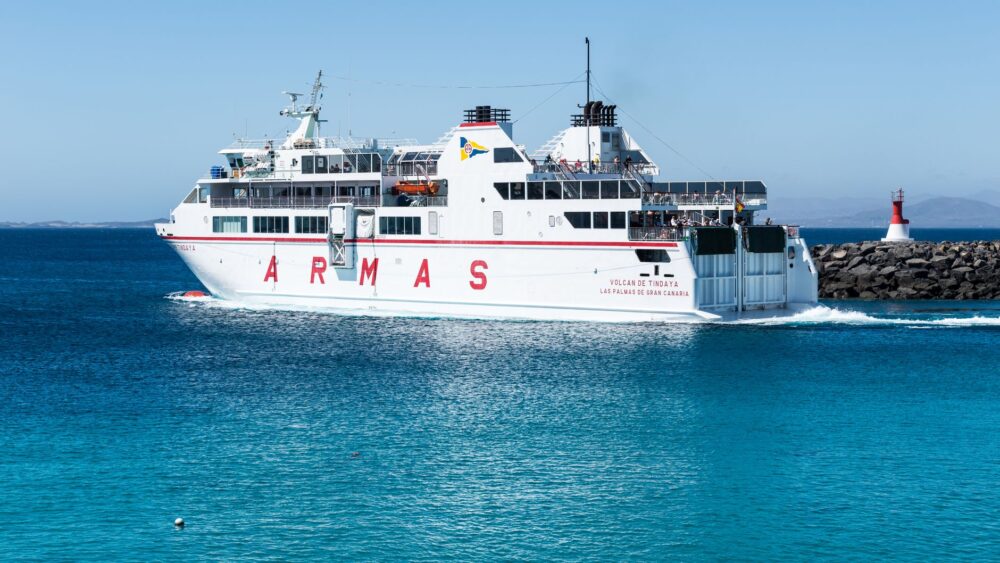
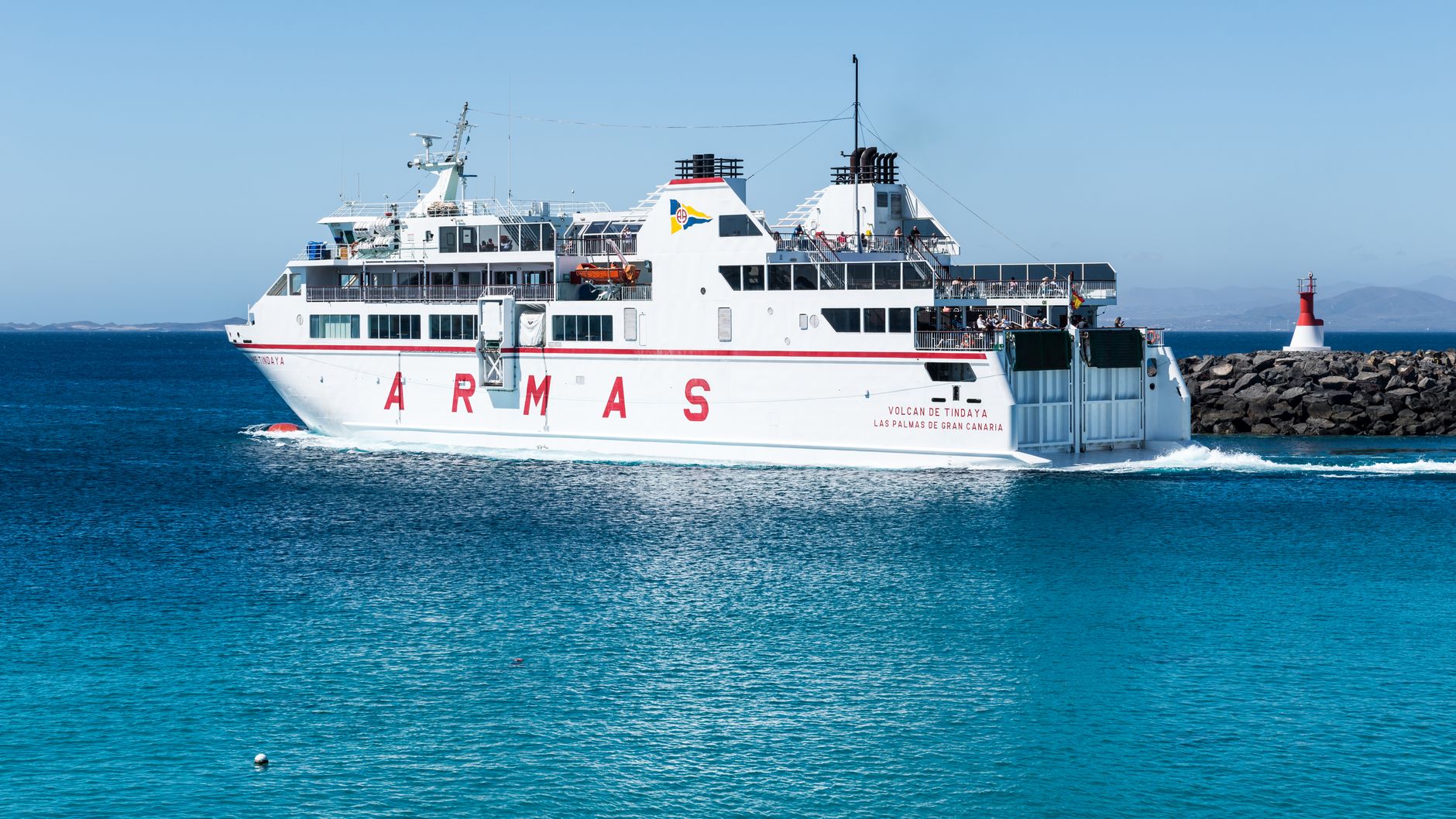
The beating heart of the Orcadian transport network is its fleet of ferries. These vessels are not mere passenger carriers, but true floating cargo ships transporting everything from heating oil and livestock to essential groceries. The main route connecting Scrabster on the Caithness coast of mainland Scotland with the port of Stromness on Mainland—the archipelago’s principal island—operates year-round, defying swells and winter gales. However, it is the internal ferries that reveal the true complexity of the intermodal system.
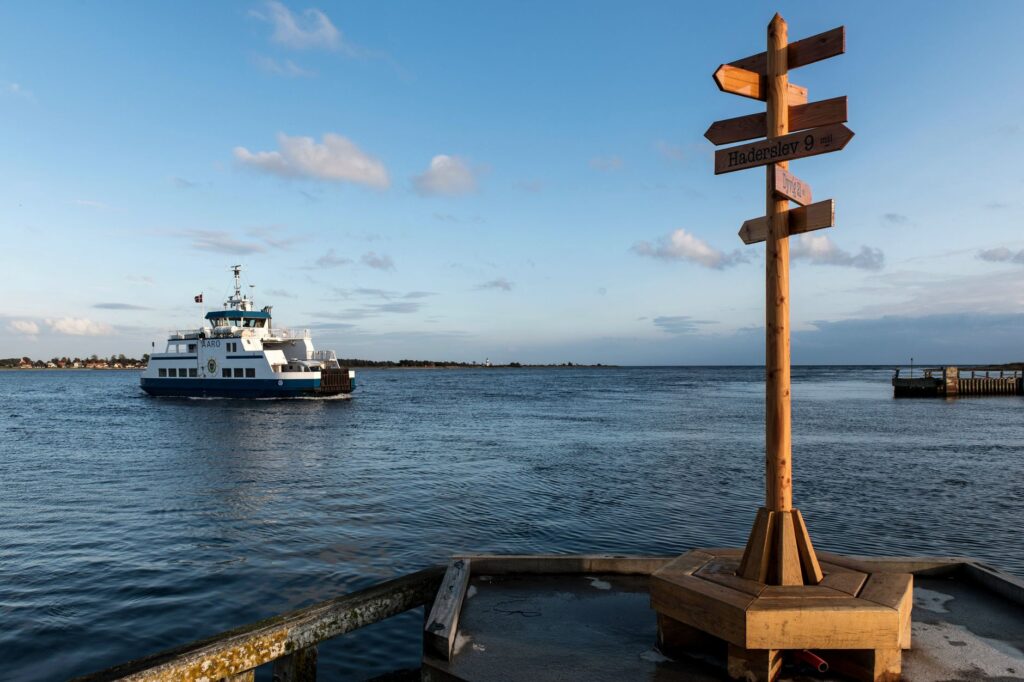
Connections between Mainland and the northern islands—such as Rousay, Eday, Westray, and Stronsay—operate using vessels adapted for variable ramps and exposed port conditions. The strength of tidal currents in local channels, known as firths and sounds, can reach speeds capable of knocking a vessel off course without exact synchronization. Captains must calculate high and low water moments with the same precision a surgeon uses in an operation, since the shallow piers of smaller islands become inaccessible at low tide.
Punctuality in northern Scotland is not measured by clocks, but by a hull’s ability to cut through heavy swells without compromising the live cargo secured within its hold.
In addition to traditional ferries, the system integrates passenger launches and small open-platform ferries dotting the narrow channels. Managing these vessels requires constant investment in structural maintenance due to the corrosive wear caused by the constant salinity of the North Sea and the fierce winds free of terrestrial obstacles.
Short Skies and Grass Runways: Proximity Aviation
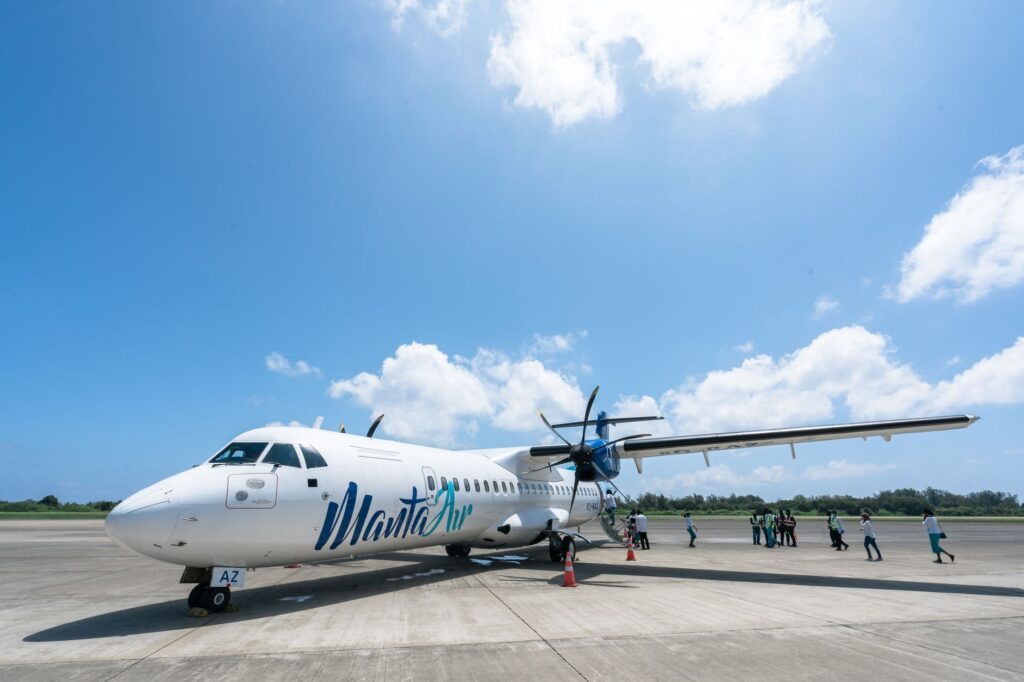
When the sea becomes impassable or medical-sanitary response times demand immediacy, Orkney’s skies become the sole lifeline. Kirkwall Airport acts as the central hub of an island air network operated primarily by Loganair, whose services connect Mainland with more isolated peripheral islands like North Ronaldsay and Papa Westray. The latter hosts one of the world’s most famous and shortest commercial routes, a flight lasting barely ninety seconds connecting the island to Stronsay when conditions permit.
The airport infrastructure on these smaller islands is a far cry from major international terminals. Instead of miles of asphalt runways, twin-turboprop aircraft frequently operate on reinforced grass strips or compacted gravel surfaces that must be manually inspected before every landing to prevent bird strikes or unexpected standing water accumulation. Adverse weather imposes frequent cancellations, forcing local communities to maintain admirable logistical resilience by storing medical supplies and non-perishable foods to withstand potential weeks of air and maritime isolation.
The integration between inbound flights to Kirkwall and local ferries is an exercise in rigorous planning. A passenger landing from Edinburgh or Aberdeen must coordinate their bus transfer toward the Houton or Kirkwall piers with ample margin, knowing that missing the connection means total travel interruption until the following day.
Scenic Roads and the Legacy of the Churchill Barriers
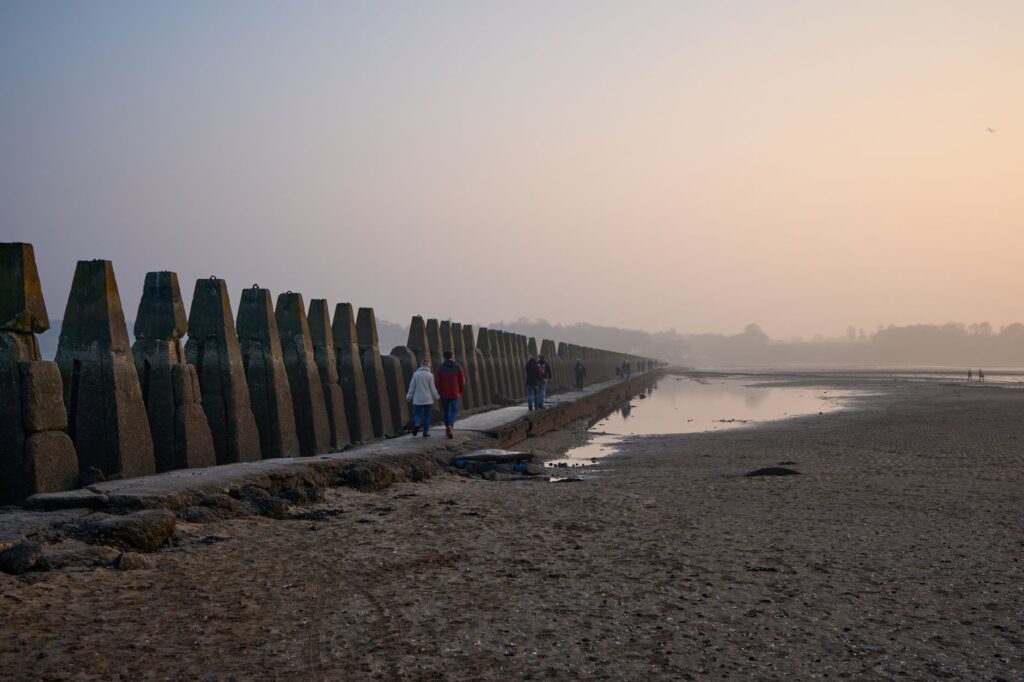
If inter-island transport depends on sea and air, terrestrial mobility across Mainland and the linked islands presents its own historical and engineering idiosyncrasies. A fundamental milestone in archipelago connectivity is the Churchill Barriers, a series of four raised causeways built during World War II by Italian prisoners of war to block enemy submarine access to the Scapa Flow naval base. Today, these concrete-block and stone structures act as vital highways uniting Mainland with the southern islands of Burray and South Ronaldsay.
Driving along these routes exposed to oceanic winds demands extreme caution, especially for heavy vehicles or motorhomes during winter storms. The secondary road network, featuring single-track sections with designated passing places, fosters an unavoidable culture of road courtesy. Yielding the right of way, signaling in advance, and understanding the pace of local tractors and trucks is an indispensable part of territorial mobility.
- Mandatory use of lateral passing places to maintain unidirectional traffic flow.
- Constant checking of information panels regarding ferry status before embarking on road journeys toward piers.
- Extreme caution regarding free-roaming livestock on unfenced roads crossing moorland zones.
The transition toward sustainable mobility has also begun to permeate the archipelago, with the gradual establishment of electric vehicle charging points powered by the abundant wind and tidal energy characterizing the region, though battery range continues to face the challenge of low winter temperatures.
The Human Dimension: The Pulse of an Insular Community
Behind every printed ferry timetable and regional aviation flight plan beats a profoundly human reality. For Orkney residents, transport is not an impersonal fast-consumption service, but the umbilical cord guaranteeing access to advanced secondary education in Kirkwall, specialized healthcare at the Balfour Hospital, and the maintenance of a local economy based on agriculture, fishing, and sustainable tourism.
Local operators and crews form an active part of the social fabric. It is not unusual for a ferry captain to know regular passengers by name or for an island flight pilot to act as an informal courier service transporting urgent packages between neighbors on different islands. This interdependence generates a culture of patience and mutual adaptation that contrasts sharply with the endemic impatience of major global urban centers.
The true infrastructure of Orkney lies not in the concrete of its piers nor the asphalt of its causeways, but in the unwavering patience of its people before the caprices of the climate.
Visitors venturing into this intermodal labyrinth must accept that travel rules are not dictated by the tourist, but by the environment. Traveling across Orkney demands surrender to contemplation and the acceptance that flexibility is the only truly useful tool in the backpack.
Practical guide
Planning a journey through Orkney’s transport network requires anticipation and precise knowledge of the territory’s logistical constraints. The following guidelines outline the fundamentals for ensuring a smooth and safe crossing.
- How to get there: Access is available via daily flights operated by Loganair from Edinburgh, Glasgow, Aberdeen, and Inverness to Kirkwall Airport, or via NorthLink Ferries from Scrabster (Caithness) to Stromness.
- Internal maritime transport: Orkney Ferries manages the ferry network between Mainland and the outer islands. Advance booking is essential when traveling with a vehicle, especially during the summer months.
- Insular air mobility: Flights between Mainland and the northern islands are booked through Loganair. Fares are subsidized for residents, but limited quotas remain available for visitors.
- Car rental: Renting compact vehicles in Kirkwall is recommended to ease navigation across single-track roads and passing places. Checking agency policies regarding ferry boarding is vital.
- When to travel: The months from May to August offer the longest daylight hours (known as the *Simmer Dim*) and the most stable weather conditions, though wind remains a constant factor.
- Maritime safety rules: Last-minute cancellations are common in autumn and winter. Downloading official traffic tracking apps and checking morning advisories before heading to ports is strongly advised.
The journey to Orkney concludes not when the final historical landmark or imposing cliff is reached, but at the precise moment one comprehends the delicate harmony allowing habitation of these Atlantic outposts. As one gazes at the silhouette of a ferry gliding slowly through dark waters while the sun slips over the northern horizon, the traveler grasps that mobility in this frontier is not merely a matter of physics and machinery, but a lesson in profound respect for the immensity of the natural world.