The Intermodal Labyrinth of the Coral Shard Archipelago: Cabotage Luggers, Mangrove Channels, and the Fragile Connectivity of the Outer Sunda Islands
An in-depth and rigorous analysis of the transport system structuring the eastern extreme of the Sunda arc, exploring the complex network of traditional wooden vessels, treacherous tides, and floating walkways keeping isolated island communities alive.
At the far end where the Flores Sea begins to fragment into an archipelago of submerged atolls and jungle-covered volcanic rocks, mobility does not follow the logic of continental infrastructure. Here, geography imposes an unforgiving regime of ocean currents and sudden low tides that turns every journey into a test of nautical calculation and material endurance. The outer Sunda islands, situated beyond the operational range of modern high-speed ferries, depend on a traditional transport ecosystem where wooden luggers, outrigger canoes, and small cabotage freighters operate at the rhythm of the monsoon.
This feature examines the invisible architecture sustaining economic and social life in this marine labyrinth. Through interviews with local captains, riverside mechanics, and port administrators in minor ports, we document the constant tension between the urgency to modernize trade routes and the need to preserve an ancient navigation heritage that defies contemporary maritime safety standards.
The Geography of Isolation: Cartography of an Untamed Sea
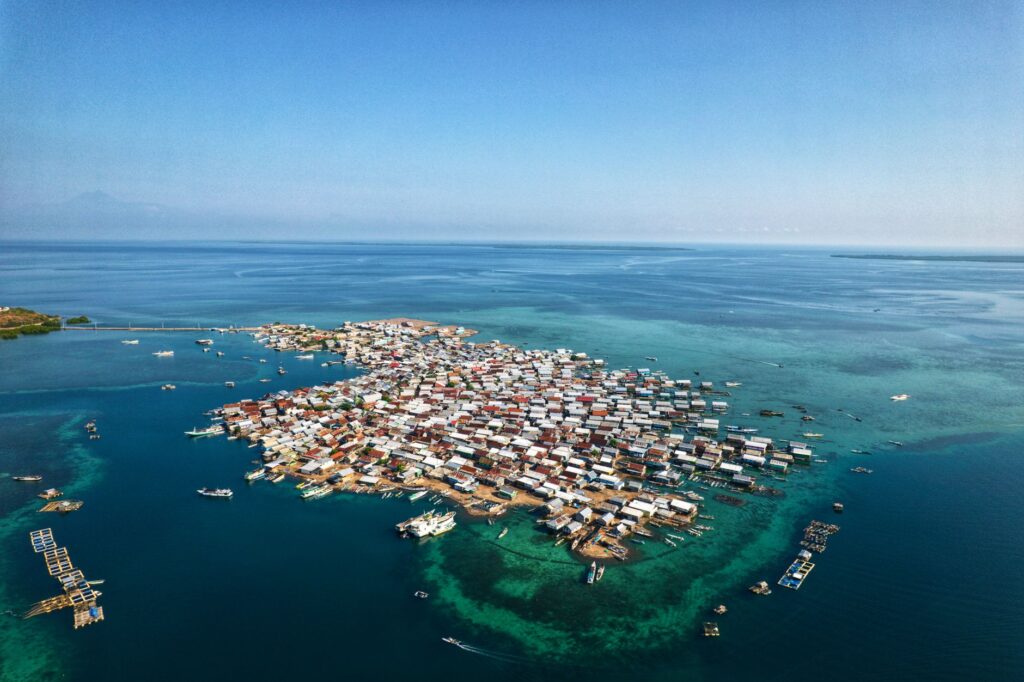
The maritime territory separating the lesser Sunda islands is not a uniform body of water, but a dynamic mosaic of deep channels, emerging coral reefs, and narrow straits where water accelerates like a broken river. Navigation in this zone demands encyclopedic knowledge of semidiurnal tides and seasonal winds blowing from the Indian and Pacific oceans. Conventional bathymetric charts frequently fall short given how rapidly sandbanks shift positions after a single storm season.
Local communities have inhabited this hostile environment by adapting their settlements to natural anchorages protected by barrier reefs. Yet, this geographical refuge often turns into a trap of isolation. During the monsoonal transition months, heavy swells prevent any vessel under fifteen meters from departing, cutting off supplies of fuel, non-perishable food, and basic medicines for weeks on end.
Riverside Naval Architecture: The Shipyards of Living Wood
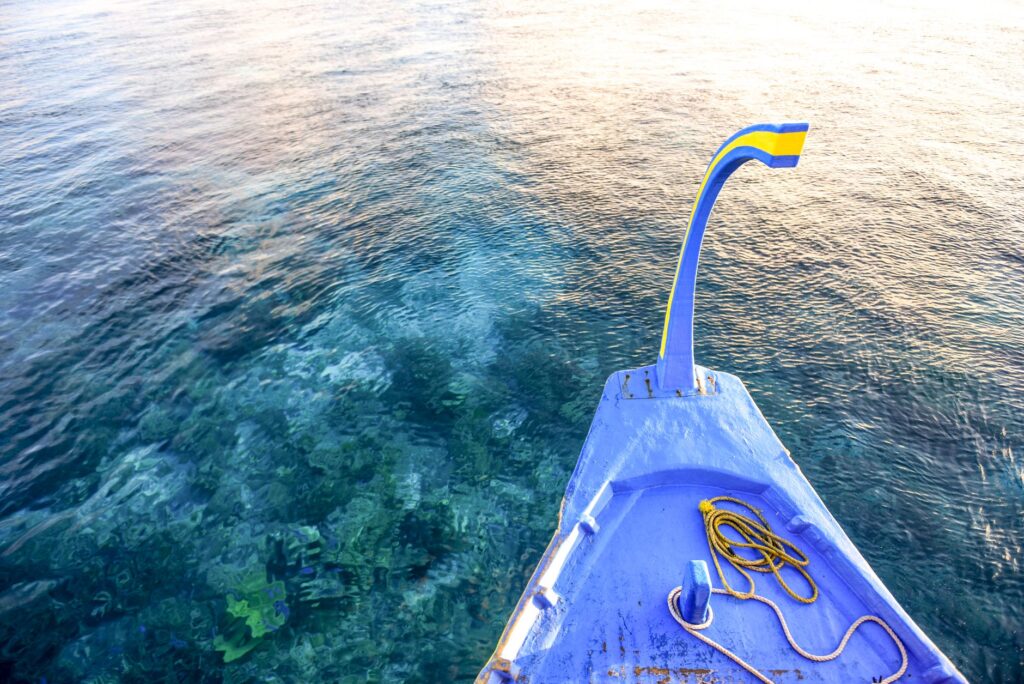
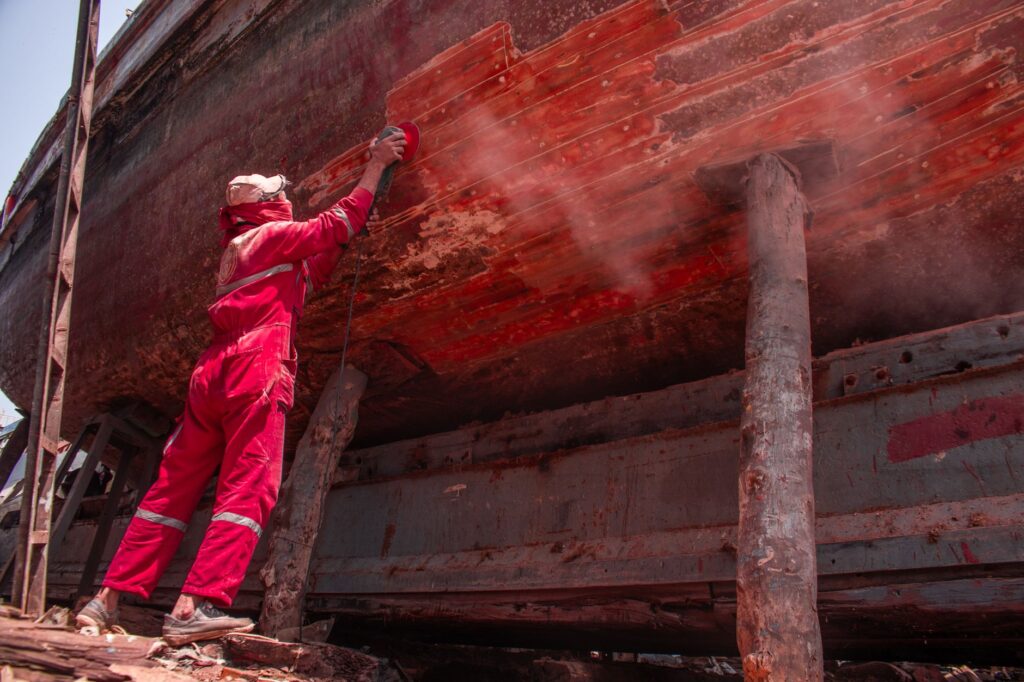
On the black sand beaches of small port enclaves, traditional boatbuilders continue constructing vessels using techniques passed down orally through generations. There are no paper blueprints or complex computer calculations; the hull’s shape arises from the master shipbuilder’s intuition when selecting teak and bitti timber pieces from the interior forest. These vessels, regionally known as paduwang or modified luggers, are designed to flex under wave impacts rather than offer rigid resistance that would fracture their structure.
Maintaining this fleet represents a permanent logistical challenge. The scarcity of hardwood due to environmental restrictions and the rising cost of imported mechanical components force shipowners to extend the lifespan of obsolete marine engines. Repairs are frequently carried out in precarious conditions, using artisanal sealants based on local resins and tarred oakum to ensure watertightness on voyages exceeding fifty nautical miles in open sea.
The Pulse of Cabotage: Routes and Frequencies on a Tightrope
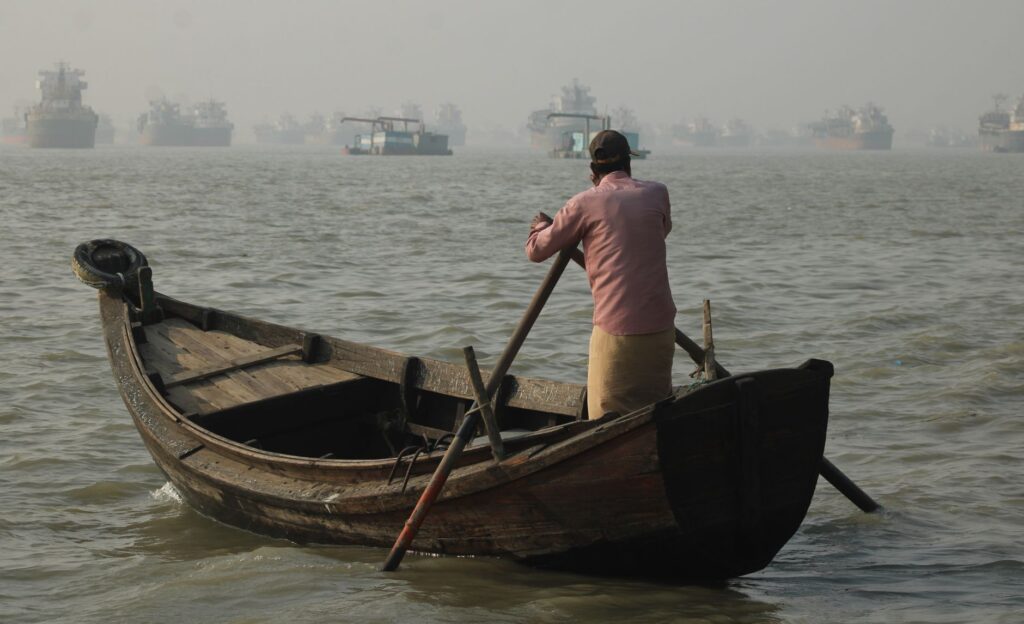
Freight and passenger transport is organized around a decentralized cabotage network. Small freighters with holds crammed with sacks of rice, diesel drums, and building materials set sail without fixed schedules, waiting for cargo to reach critical mass for profitability or for tidal conditions to become optimal for leaving the estuary. This flexible yet deeply unpredictable transport model constitutes the true umbilical cord of island economy.
“Here we do not sail against time, we sail with the tide; the clock is an urban invention that wrecks as soon as you cross the outer reef.”
For inhabitants of the smaller islands, boarding one of these freighters implies accepting an uncertain journey where travel literature falls short of the reality of sharing space with livestock, motorcycles lashed down with hemp ropes, and tons of general cargo. The lack of formal port terminals forces transfers to be carried out via auxiliary barges or on foot in shallow waters, testing the patience and physical integrity of travelers.
Digital Intrusion and the Paradox of Satellite Connectivity
In recent years, the installation of low-orbit satellite communication antennas has radically transformed maritime transport management in the outer Sundas. Captains, formerly isolated at sea for days, now use instant messaging applications to coordinate cargo arrivals with local cooperatives and check real-time weather forecasts. This digital modernization has notably reduced shipwreck risks from weather surprises.
However, physical infrastructure has not evolved at the same pace as digital connectivity. While smartphones proliferate in the most remote villages, wooden docks continue rotting due to marine worm action and a lack of sustained public investments. This asymmetry generates a paradoxical situation: communities perfectly informed about weather conditions who nevertheless remain trapped on their beaches by the impossibility of repairing a dock or dredging a silted access channel.
Subsistence Economy and Fuel Dependency
The prevailing transport model in the archipelago is extremely vulnerable to fluctuations in fossil fuel prices. Given that every liter of gasoline and diesel needed to power local boats and generators must be transported from the main island distribution centers, the logistical cost multiplies exponentially with every nautical mile of distance. This generates a high-cost economy where basic goods reach prohibitive prices for artisanal fishing families.
Initiatives to introduce electric motors or hybrid propulsion systems based on solar photovoltaic energy advance at an extremely slow pace due to the prohibitive initial cost of technology and the scarcity of specialized workshops for lithium battery maintenance in the smaller islands. As a result, the energy transition in this transport sector remains a theoretical aspiration rather than an operational reality.
Maritime Safety and Regulations in a Legal Vacuum
Regulating maritime traffic in these peripheral waters faces enormous hurdles derived from the vastness of the territory and the scarcity of inspection resources. Most vessels operate outside international safety conventions, lacking certified life-saving equipment, emergency position-indicating radio beacons, or backup satellite navigation systems. Lifejackets are frequently decorative items kept under lock and key in the bow.
Regional port authorities attempt to implement capacity controls at main boarding points, but social pressure from communities urgently needing to travel and small-scale corruption frequently neutralize these measures. The risk of overloading accidents during religious festivals or weekly markets remains a constant concern that official statistics rarely reflect accurately.
Practical guide
Planning a study or reporting trip to the outer Sunda islands requires a rigorous understanding of their logistical limitations and the cultural codes of respect toward local communities.
Best time to visit: The months between May and August offer periods of greatest meteorological stability, with calmer seas and lower frequency of sudden storms.
Permits and authorizations: Certain minor islands require special authorizations issued by local port police authorities and traditional community spokespeople (adat) before anchoring.
Transport logistics: It is essential to contract maritime transport services through recognized cooperatives at the main island base ports, avoiding unverified informal intermediaries.
Luggage and provisions: All photographic and recording equipment must travel in rigid waterproof cases. Carrying sufficient cash reserves in low-denomination local currency is strongly advised.
Health and safety: There are no advanced medical facilities on the minor islands; holding travel insurance covering emergency medical evacuation by sea or air is mandatory.
High Tide Horizon: The Future of Artisanal Navigation
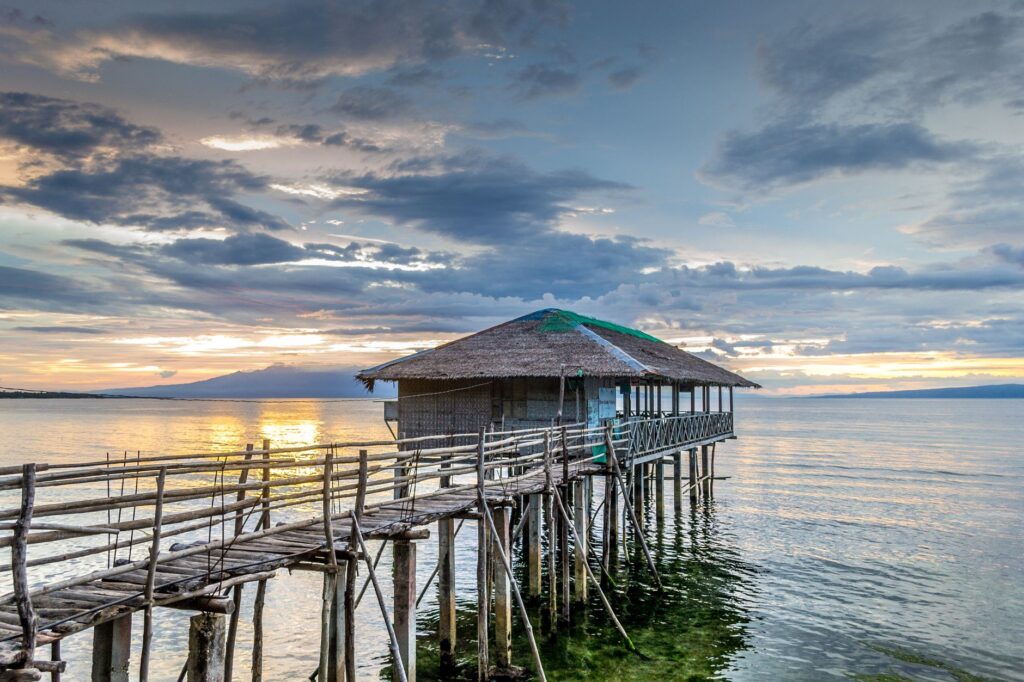
At dusk, when the horizon line merges the deep blue of the ocean with the dark silhouette of distant volcanoes, the wooden docks of the outer Sundas recover a momentary calm. Fishermen beach their canoes and check nets under the flickering light of kerosene lamps. This human landscape, sustained by a fragile balance of technical ingenuity and ancestral endurance, faces the dilemma of its own survival amid the pressures of global economic development and climate change.
The future of this archipelago does not depend on imposing massive pharaonic engineering projects that would destroy its fragile marine ecosystem, but on the capacity to integrate technological innovation at a human scale: more efficient vessels, structural improvements in small shelter ports, and the legal recognition of its navigators’ know-how. As long as tides continue dictating the world’s rhythm, the coral labyrinth will continue demanding respect, patience, and profound humility from anyone daring to cross its channels.
ATLAS LUME · ANTES DE VIAJAR
Una lectura que continúa en el destino
DocumentaciónComprueba visados, requisitos sanitarios y vigencia de documentos en fuentes oficiales.
ReservasConfirma el precio final, impuestos y condiciones directamente con el proveedor.
Viaje responsableRespeta las comunidades, el patrimonio y los ecosistemas locales.