The High-Plateau Railway Labyrinth: Rack Systems, Extreme Slopes, and Fragile Trans-Andean Connectivity in the Southern Continent
An in-depth and rigorous analysis of the high-mountain railway system challenging the Andean cordillera, exploring its complex engineering, the operational challenges of narrow gauge, and the daily pulse of a vital lifeline for isolated communities.
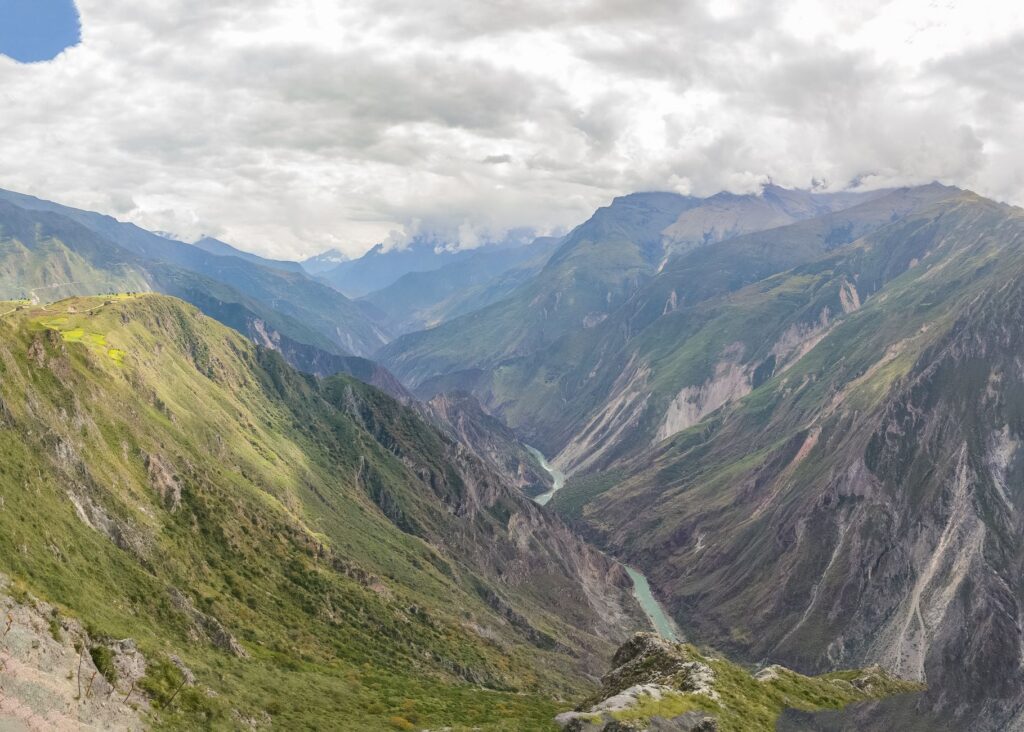
The Andean mountain range is not merely a monumental geological barrier dividing the South American subcontinent; it is also a territory where civil engineering and human adaptation intertwine inextricably. At over three thousand meters above sea level, where the air grows thin and weather patterns shift with the fury of an unrelenting clock, operates one of the most unique railway lines on the planet. This high-mountain corridor does not follow the logic of commercial speed or the mass transit standards of major European or Asian urban centers; its raison d’être is the pure and hard economic and social survival of the inter-Andean valleys.
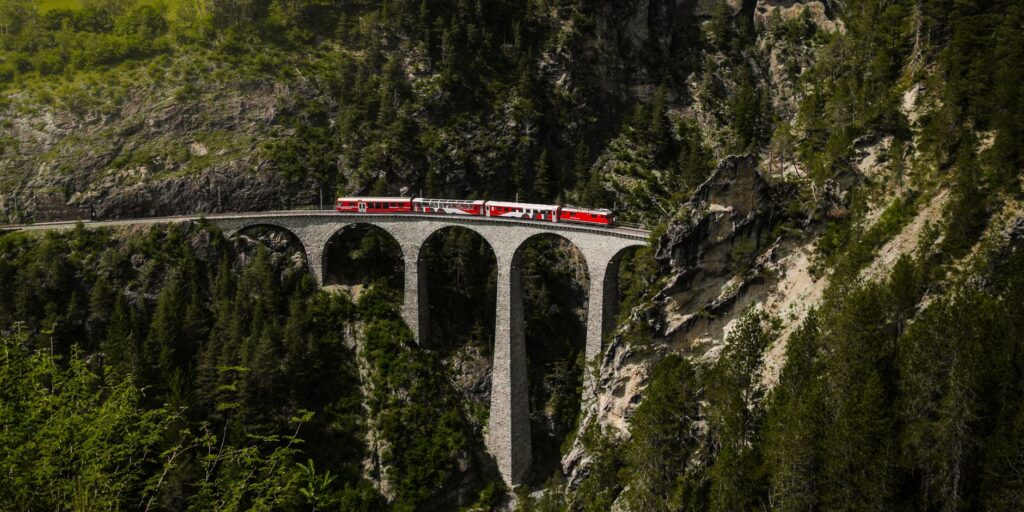
For decades, road transport has attempted to supplant the metallic track, but recurring avalanches, seasonal mudslides, and snowpack blockages continually demonstrate the fragility of asphalt highways. In this extreme scenario, the mixed rack-and-adhesion train stands as the only truly reliable conduit for maintaining a steady flow of basic supplies, local passengers, and minerals. The current infrastructure is the result of a continuous technological renewal process that attempts to marry early 20th-century industrial aesthetics with modern telemetry and satellite control systems.
Precision Engineering Against Andean Gravity
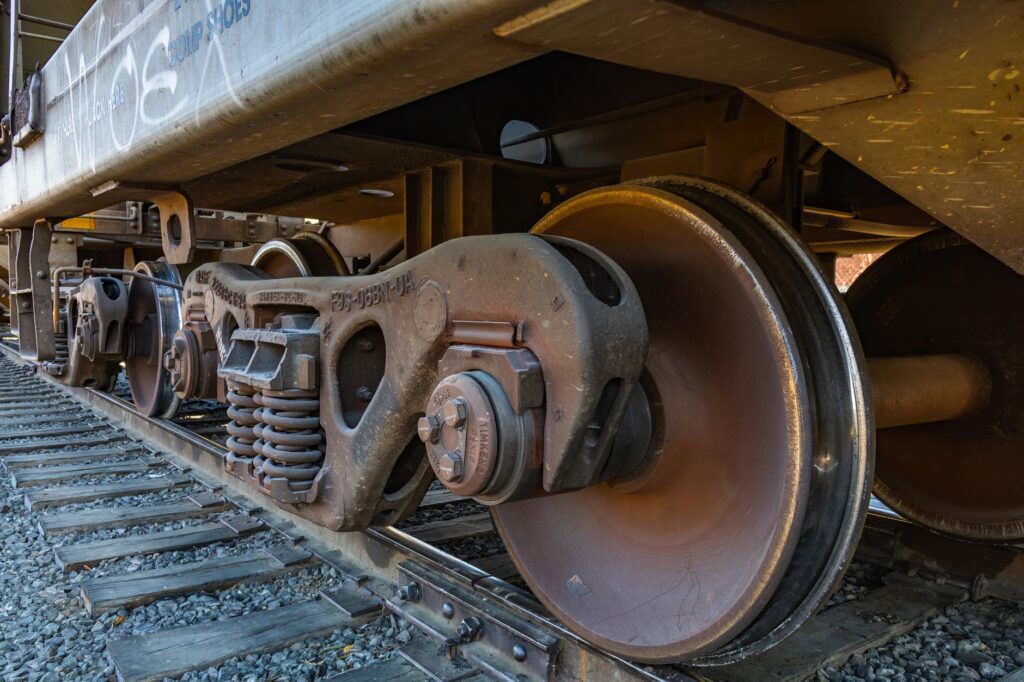
The fundamental technical challenge of this railway system lies in overcoming impossible gradients without losing traction. On sections where the slope exceeds eight percent, conventional steel wheels spin uselessly against the rails. To neutralize this obstacle, engineers turned to the Abt rack system, a third toothed bar situated in the center of the track upon which pinions coupled to the diesel-electric locomotive motors mesh.
This mechanism demands micrometric maintenance. Thermal expansions caused by drastic temperature swings—which can plunge from minus twenty degrees Celsius at night to over twenty-five degrees Celsius under the scorching afternoon sun—force specialized crews to inspect every bolt, weld, and tie continuously. Material fatigue is a constant enemy here, fought with special steel alloys and non-destructive ultrasonic programs that detect micro-cracks before they become structural failures.
The Challenge of High-Altitude Tunnels and Adverse Weather
A large portion of the route runs through galleries excavated by dynamite and pickaxe late in the century before last. These dark, humid tunnels accumulate mineral seepage that corrodes metallic infrastructure at an accelerated pace. Natural ventilation is insufficient, forcing the installation of forced extraction systems to dissipate heavy locomotive combustion gases when hauling mixed freight trains.
The mountain does not negotiate its laws; the train’s passage through these gorges is a daily truce signed with iron, mathematical calculation, and an immense dose of respect for wild nature.
In addition to corrosion and humidity, the austral winter brings whiteout conditions and impenetrable blizzards. Rotary snowplow machines, true articulated behemoths equipped with frontal turbines, must precede commercial convoys to clear meters of compacted snow. Without this prior preventative work, the entire line would remain cut off for weeks, completely isolating entire communities that depend exclusively on the arrival of the rail motor for fuel, medicine, and non-perishable food.
The Human Pulse: Machinists, Station Masters, and Passengers
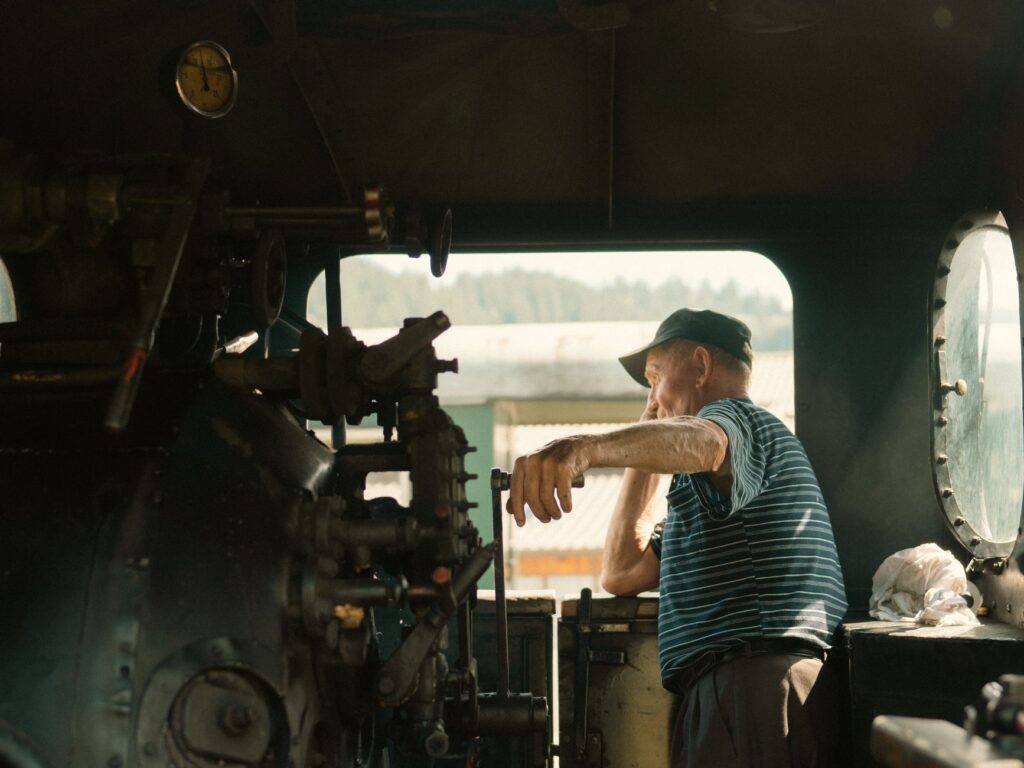
Behind every instrument panel indicator and manual switch stands a human team whose dedication borders on professional vocation. Machinists assigned to this route require a special certification obtained only after years of experience on less complex branch lines. No simulators faithfully replicate the feeling of losing adhesion on a steep ramp with two hundred tons of cargo at one’s back; instinct, honed by accumulated experience, remains the most valuable tool in the cab.
At small intermediate stations, built of local stone and gabled roofs to withstand heavy snow loads, station masters act as genuine nodes of social cohesion. They not only manage train crosses on single track via high-frequency radio communications and token systems, but also serve as administrative and postal links for scattered rural residents within a radius of dozens of kilometers.
Subsistence Economy and Freight Transport
Unlike luxury tourist lines that commercially exploit Andean landscapes, this corridor maintains its industrial and public service vocation. Its freight cars carry everything from sacks of vicuña wool and local agricultural products to construction materials for regional mining and road works. Freight rates are strictly regulated to prevent speculation and ensure primary producers can market their harvests in lowland markets without logistical costs drowning their modest profit margins.
Meanwhile, passenger cars serve as genuine intergenerational meeting halls. Students returning home, local merchants, and farmers heading to more complex medical centers share noble wood benches and durable upholstery. Conversations flow in Spanish sprinkled with expressions from indigenous languages, weaving a community solidarity network that survives thanks to the nearly miraculous punctuality of the train amid geographical adversity.
Contemporary Challenges and Operational Sustainability
The 21st century poses new dilemmas for the management of this living railway heritage. The scarcity of specific spare parts for locomotives with over forty years in active service forces central workshops to manufacture parts by hand, resorting to reverse engineering and precision turning on century-old lathes. This reliance on local technical mastery is simultaneously a strength and a critical vulnerability before the inevitable retirement of the veteran artisans.
Simultaneously, carbon emission reduction mandates have brought to the table the need to study partial electrification of the line or the adoption of hybrid locomotives equipped with high-capacity batteries. However, the astronomical costs of installing catenary wires above three thousand meters of altitude, coupled with the instability of clay and rock terrain, turn any radical modernization proposal into an extremely complex financial exercise.
Intermodal Integration as a Key to the Future
Regional planners have understood that the railway cannot survive as an operational island. The key to the route’s long-term survival lies in seamless intermodal articulation with secondary roads and county assembly centers. Freight transfer platforms have been established at contact points with main routes, allowing containers to move from truck to flatcar with minimal downtime.
Ensuring the continuity of this corridor is not a matter of heritage nostalgia, but an irreplaceable geostrategic necessity to secure food sovereignty and mobility for high-Andean populations.
Additionally, real-time digital cargo tracking protocols have been implemented via solar repeater antennas distributed along the gorge, allowing logistics operators to coordinate exact supply arrivals and prevent congestion at destination terminals. This symbiosis between cutting-edge technology and traditional mechanical robustness defines the present and future of rail transport on the roof of America.
Practical guide
Planning a trip or logistic analysis along this high-mountain railway corridor requires rigor, operational knowledge, and absolute respect for seasonal weather conditions.
Route and Schedule Planning: Itineraries vary substantially between the austral summer season (November to March) and winter (June to September). It is imperative to consult daily weather reports and track status updates issued by the operating company before initiating any journey.
Acclimatization Logistics: The line’s altitude exceeds 3,800 meters at its summit point. A technical acclimatization stop of at least forty-eight hours in intermediate settlements is strongly recommended to avoid the effects of acute mountain sickness.
Equipment and Clothing: Thermal variations are extreme. Even in mid-summer, the combination of Patagonian or Andean wind and altitude demands layered technical clothing, heavy-duty windbreakers, mountain footwear with high-traction soles, and UV-certified eye protection.
Connectivity and Self-Sufficiency: In vast sections of the gorge, there is no commercial mobile phone coverage. Traveling with offline maps, emergency satellite communication devices, and a personal medical kit including basic medication for respiratory and digestive ailments is essential.
Epilogue at the Summit: The Silence of Infinite Rails
When the day’s last convoy winds down the slope and enters the gloom of the mountain pass, the landscape recovers its awe-inspiring ancient silence. The heat of mechanical friction still vibrates faintly on the steel rails, an ephemeral echo of human presence amid the Andean immensity. This corridor is not merely a transport infrastructure; it is the backbone preventing geographical isolation from turning into oblivion, proving that with tenacity, ingenuity, and respect for the environment, the most formidable chasms can be overcome step by step, sleeper by sleeper.
ATLAS LUME · BEFORE YOU GO
A story that continues at the destination
DocumentsCheck visas, health requirements and document validity with official sources.
BookingsConfirm the final price, taxes and conditions directly with the provider.
Responsible travelRespect local communities, heritage and ecosystems.