Contemporary tourism is undergoing a profound metamorphosis. It is no longer solely about collecting postcards or traversing distant geographies under the comfort of standardized hotel chains; today, travel has become an act of economic and social co-responsibility. In regions historically scarred by armed conflict, geographical isolation, and state disinvestment, the movement of conscious visitors acts as a catalyst for transformation. When travelers cross the invisible borders of fear to venture deep into rural Colombia, they not only discover breathtaking landscapes but also inject fresh resources into local economies that have chosen to bet on peace through hospitality.
This redefinition of travel places local communities at the very center of the productive equation. Former actors of the conflict, displaced farmers, indigenous communities, and Afro-descendant populations now lead ecotourism and community-based tourism initiatives that rewrite their history. The reactivation of these zones does not originate from centralized government offices, but from the grassroots social fabric, proving that tourism sovereignty is also an instrument of dignity and historical memory.
The geography of neglect transformed into a destination of hope
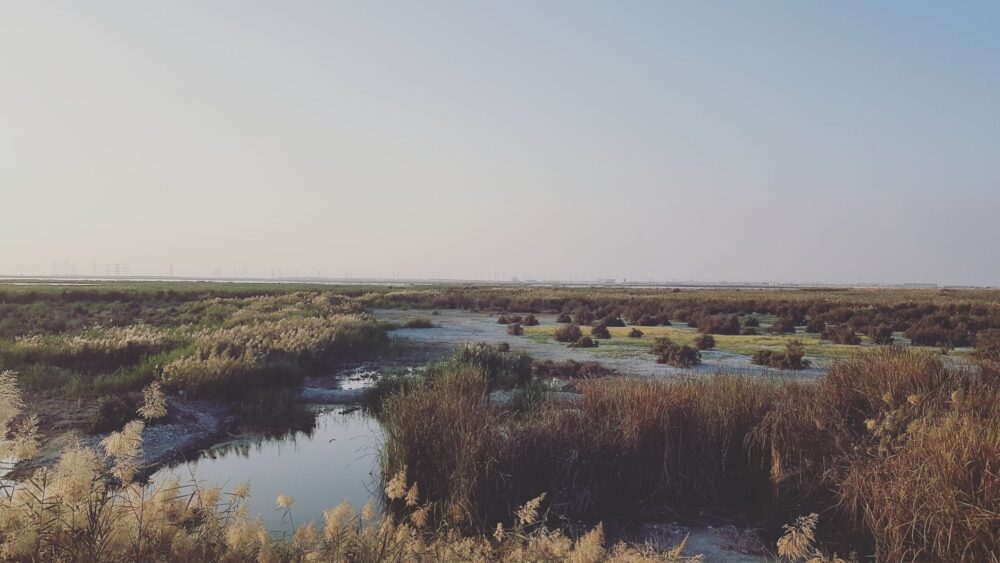
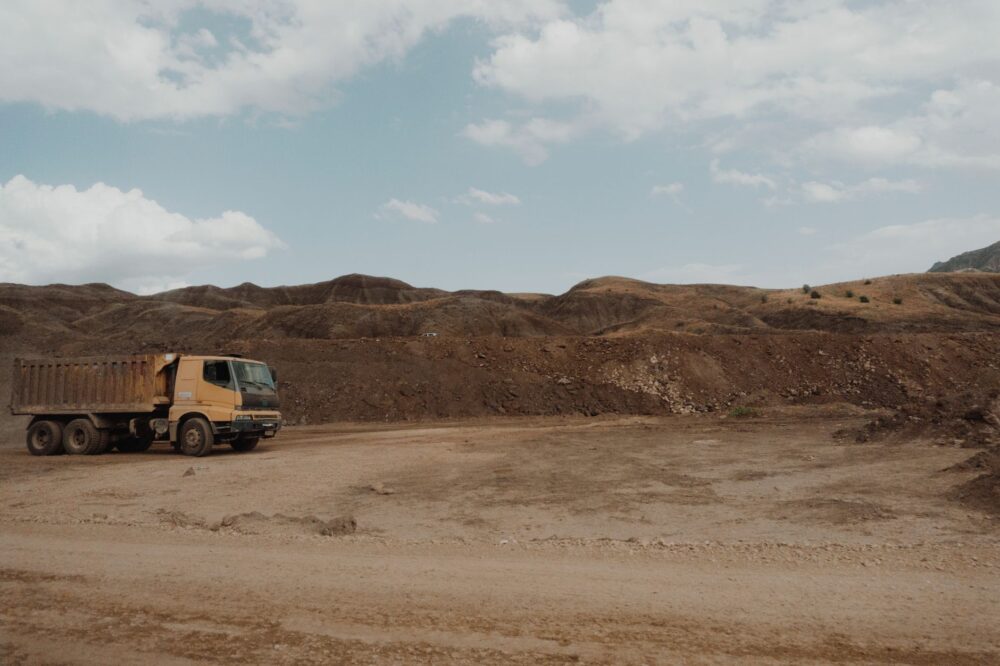
To understand the magnitude of this phenomenon, it is essential to look toward territories that for decades appeared on maps solely as conflict zones. Regions such as Catatumbo, southern Bolívar, or the foothills of the Serranía de la Macarena harbor immeasurable biological and cultural wealth. However, their geographical isolation and the persistence of illicit economies kept their inhabitants on the margins of national development. Today, the arrival of local operators and community tourism networks is redrawing the maps of exclusion.
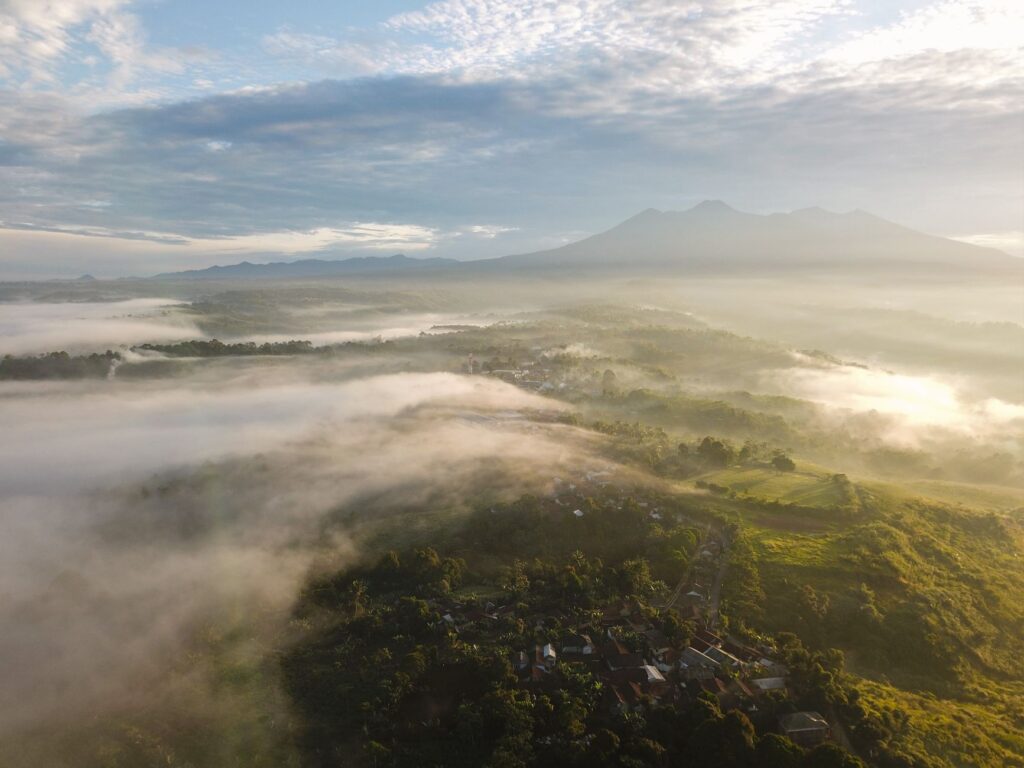
The process of economic transition is neither simple nor immediate. It requires basic infrastructure, training in bilingualism and hotel management, and security guarantees that allow visitors to travel with peace of mind. Nevertheless, the primary engine of change has been community will. Entire families that once depended on illicit crops or subsistence farming have transformed their farms into tourism outposts, recognizing that the conservation of biodiversity is infinitely more profitable—and peaceful—than its destruction.
Local economies that defy centralization
Traditional tourism models tend to concentrate benefits in large hotel chains and multinational agencies based in capital cities. In contrast, regional reactivation tourism in Colombia proposes a circular economy scheme where every penny spent by the traveler remains within the territory. From the local guide who knows every trail and ancestral tale to the modest inn providing lunches made from garden ingredients, the value chain is designed to directly benefit the rural resident.
This financial decentralization strengthens the social fabric and drastically reduces rates of forced migration to major cities. When young people find real opportunities for entrepreneurship and professional development in their own villages, rural exodus declines. Tourism thus becomes a demographic anchor that preserves oral traditions, ancestral agricultural practices, and the cultural identity of entire communities that once faced dilution in urban peripheries.
Community infrastructure and road connectivity
One of the greatest obstacles to the consolidation of these emerging destinations has historically been the precarious state of road infrastructure. Secondary and tertiary roads in critical condition hinder the access of tourist vehicles and drive up the cost of transporting supplies. However, instead of waiting for the completion of major state engineering projects, communities themselves have organized road maintenance brigades and established alliances with non-governmental organizations to improve mobility.
Likewise, digital connectivity has begun to permeate these remote corners. The installation of community satellite internet points now enables small entrepreneurs to manage real-time bookings, process electronic payments, and promote their offerings through digital platforms. This inclusive digitalization breaks the monopoly of large agencies and empowers farmers to directly commercialize their tourism product.
Food sovereignty and agritourism
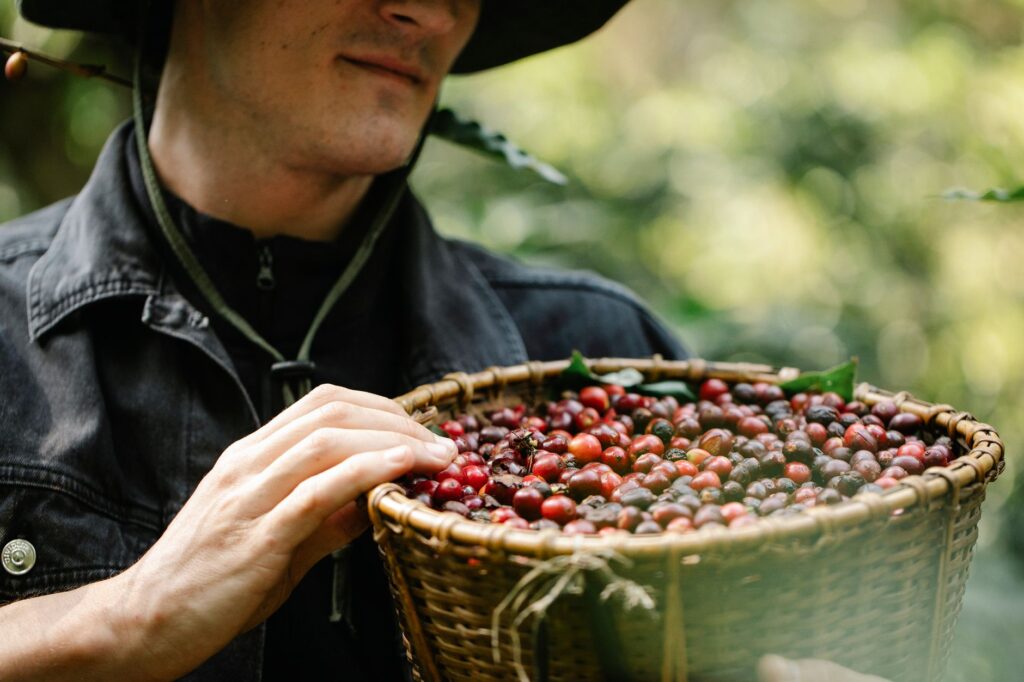
The gastronomic component plays a stellar role in this reactivation. Far from the standardized fare of large resorts, regional tourism in Colombia offers a deep immersion in food biodiversity. Agritourism allows visitors to experience firsthand the cultivation processes of fine aroma cacao, the artisanal harvesting of single-origin coffee, or sustainable fishing in marshes and rivers.

The plate on the table is not just food; it is the result of a territory healing its wounds by cultivating life and offering it to the visitor as a symbol of reconciliation.
This integration of gastronomy with tourism fosters food sovereignty. Communities reclaim native seeds, revalue traditional culinary techniques, and secure stable local markets for their harvests. Diners, in turn, understand that every ingredient tells a story of resistance and adaptation in the face of climatic and social adversity.
Environmental conservation funded by the traveler
The relationship between tourism and ecological conservation in these regions is symmetric and urgent. National parks and community nature reserves find in ecotourism a direct source of financing for oversight and protection duties against deforestation and illegal mining. Tourists pay entrance fees that go entirely toward hiring local park rangers, many of them former hunters who now dedicate their expertise to monitoring wildlife.
Flagship species such as the spectacled bear, the jaguar, and various endemic bird species benefit from the controlled presence of nature observers. Birdwatching, in particular, has established itself as one of the most powerful conservation tools: international birders value the purity of standing forests far more than any timber incentive, generating a green economy that proves living nature is the region’s most valuable asset.

The human factor and historical memory
Beyond landscape attractions and biodiversity, the true magnet of these regions is the resilience of their people. First-person accounts of community transformation narrated by those who suffered the ravages of violence configure a memory tourism experience that moves and educates. This is not morbid tourism, but a pedagogical exercise where urban society acknowledges historical debts to the Colombian countryside.
Women have played a leading role in this renaissance. Associations of single-mother heads of household lead projects in rural lodging, traditional baking, and tour guiding. Their economic leadership has transformed traditional patriarchal dynamics in rural settings, consolidating a more equitable, participatory social fabric resistant to any attempt to return to violence.
Practical guide
Planning a reactivation trip to Colombia’s most affected regions requires preparation, respect, and cultural sensitivity. Essential guidelines to ensure an enriching, low-impact experience are detailed below:

- Prior research: Inform yourself about current security conditions through official sources and consult directly with recognized community tourism networks.
- Local hiring: Always prefer native guides, local transporters, and family-run lodgings to ensure your spending directly impacts the regional economy.
- Cultural respect: Always ask permission before photographing local inhabitants, especially children and the elderly, and respect the regulations of indigenous and Afro-descendant communities.
- Waste management: Adopt the leave-no-trace principle. Carry out your non-degradable waste and avoid single-use plastics in protected natural areas.
- Sustainable transport: Utilize shared mobility options and support river or land transport managed by local cooperatives.
Toward a future of conscious and restorative tourism
World Tourism Day should serve as an annual reminder that this activity possesses a profound political and ethical dimension. Returning to travel toward regions struck by marginalization is not an act of empty charity, but a strategic alliance between urban citizens and rural communities in pursuit of peacebuilding and territorial equity.
When travelers return home with light luggage but with memories full of faces, names, and transformed realities, they become involuntary ambassadors of a possible country. Tourism thus solidifies as conclusive proof that regions do not need external saviors, but respectful allies who recognize their autonomy, celebrate their culture, and actively participate in their economic and social reactivation.
Traveling to the wounded heart of the regions is the surest path to heal the voids of a nation that learns, step by step, to find itself.
Source: areacucuta.com / Summary of World Tourism Day: Traveling back to reactivate the country’s most affected regions.