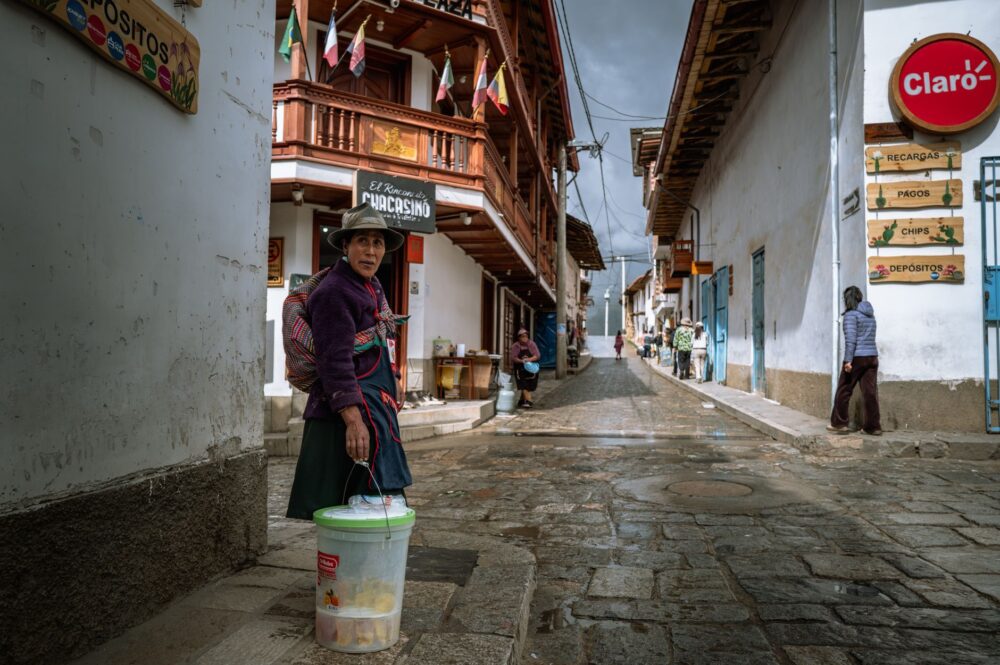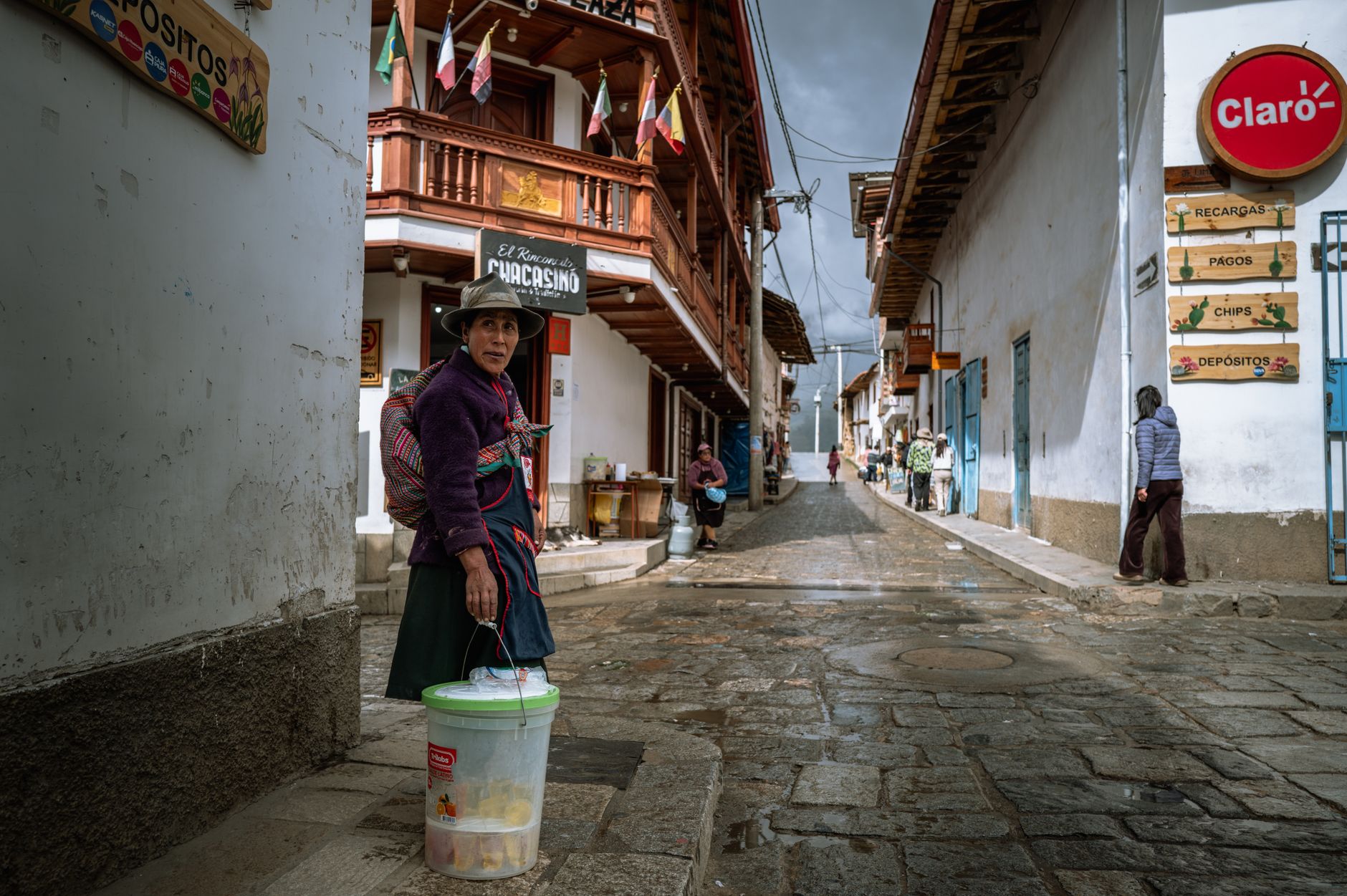

In the foothills of the western Colombian mountain range, where morning mists slowly fade over slopes carpeted with coffee plants and guadua bamboos, daily life unfolds at a pace that defies contemporary urgency. It is no coincidence that the influential international publication Travel + Leisure has turned its gaze toward this enclave, elevating it to the category of an essential destination within the national tourism map. Far from the mass-market circuits that monopolize conventional guidebooks, this small town represents the silent resistance of authenticity, a territory where every doorway, every cobblestone street, and every steaming cup of coffee tells a story of rootedness, resilience, and unaltered beauty.
The distinction granted by the North American publication not only validates the landscape and heritage wealth of the location, but also highlights a deeper phenomenon: the awakening of a community that has managed to preserve its identity against the currents of unbridled modernity. Here, the traveler finds no artificial theme parks or prefabricated experiences, but a living social fabric that welcomes the visitor with the naturalness of someone sharing their own living room. This report explores the geographical, historical, and human keys that have catapulted this Andean corner onto the global stage, analyzing how conscious tourism can become the best tool for cultural preservation.
The Sacred Geography of the Cordillera and Coffee
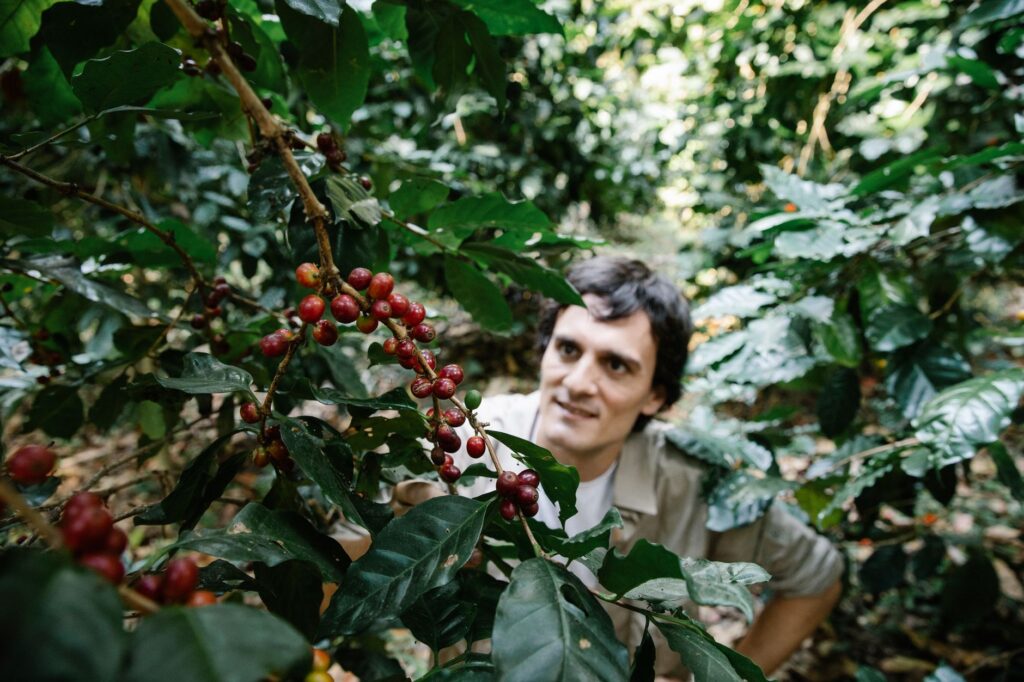
The territory framing this population is defined by dramatic and generous topography. The Colombian Andes unfold their most fertile version here, where microclimates favor the cultivation of some of the most prized coffee in the world. Unlike large industrial estates, the plots surrounding the urban center are small family production units, managed by generations who have inherited the ancestral knowledge of the land. Walking along these paths at dawn allows one to understand the synergy between the peasantry and their natural environment, a fragile balance that defines the very essence of the region.
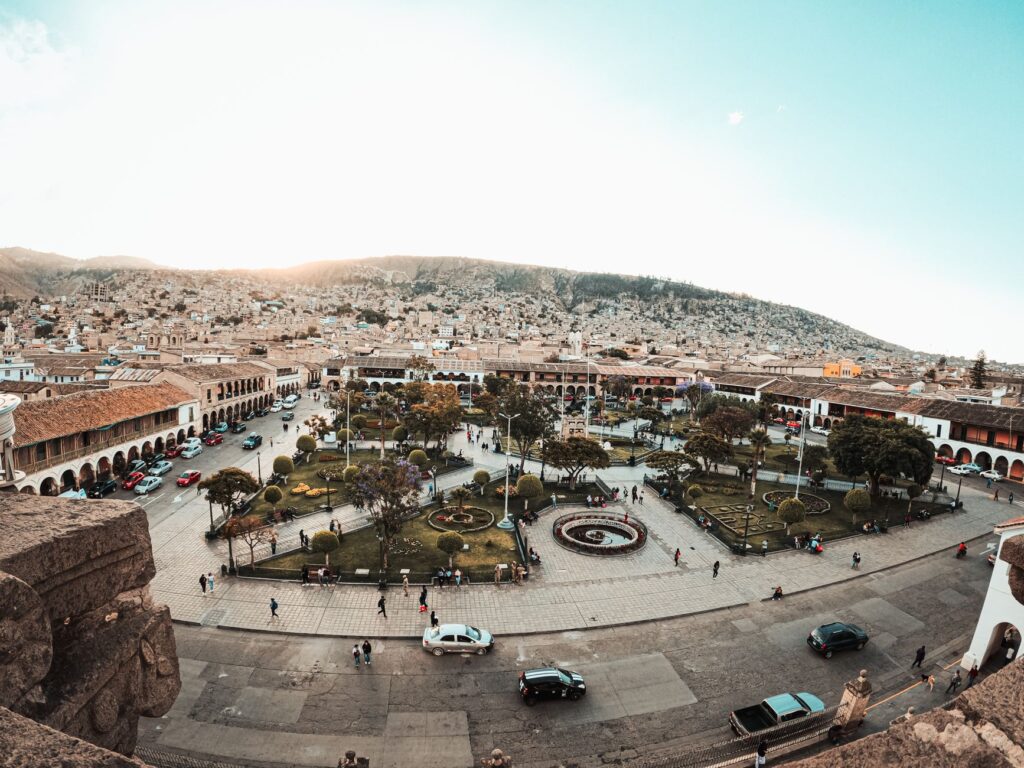
The altitude, ranging between one thousand five hundred and two thousand meters above sea level, guarantees temperate temperatures year-round, occasionally interrupted by afternoon rains that revive the intense green of the landscape. This geographical framework is not merely an aesthetic backdrop; it is the economic and cultural engine sustaining local life. Environmental authorities and farmer collectives have promoted ecological corridors to protect endemic birdlife, turning bird watching into a key activity for understanding the biodiversity of the northern Andes.
Colonial Architecture as a Canvas of Memory
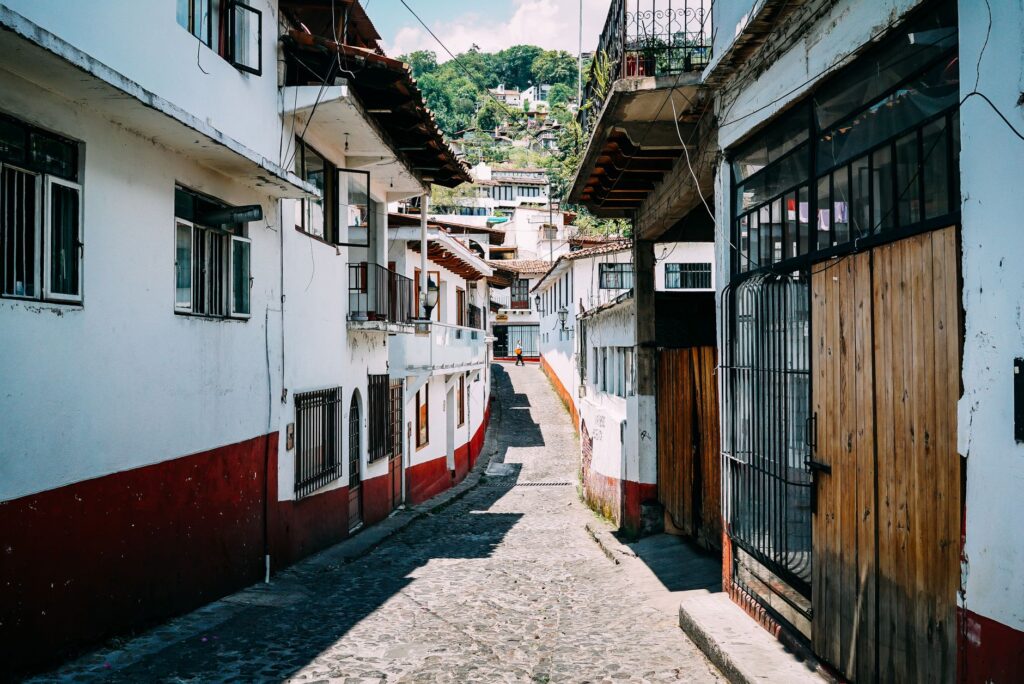
Entering the historical center is crossing a temporal threshold. The steep streets, designed with the Spanish grid layout but adapted to the capricious geography of the mountain, are flanked by rammed earth and wattle-and-daub houses. Their facades, painted in vivid colors that contrast with the dark wood of the balconies and window frames, exhibit artisanal mastery that has survived earthquakes, torrential rains, and the relentless passage of years. Each balcony overflows with wildflowers, geraniums, and begonias that add a touch of visual poetry to the urban scene.
The care of this architectural heritage is not the result of bureaucratic decree imposed from the capital, but of an intergenerational neighborly commitment. Local inhabitants act as voluntary guardians of their own roots. Traditional clay tiles, baked in local traditional kilns, replace any attempt at discordant modernization. This aesthetic and constructive rigor has allowed the town to preserve a visual harmony rarely found in contemporary Latin America, turning every corner into a palpable reminder of republican and colonial history.
The value of a destination does not lie in its capacity to entertain the traveler, but in its fidelity to itself.
The heart of civic life beats in the main square, an intergenerational meeting space where locals gather at dusk to debate the harvest, national politics, or the vagaries of the weather. Around it stands the parish church, a structure that, without monumental ostentation, stands out for the sobriety of its interior design and the noble wood craftsmanship carried out by local carpenters in the middle of the last century. This temple is not just a religious building, but the spiritual anchor of a community deeply united by faith and shared traditions.

The Human Pulse: Living Traditions and Centenary Crafts
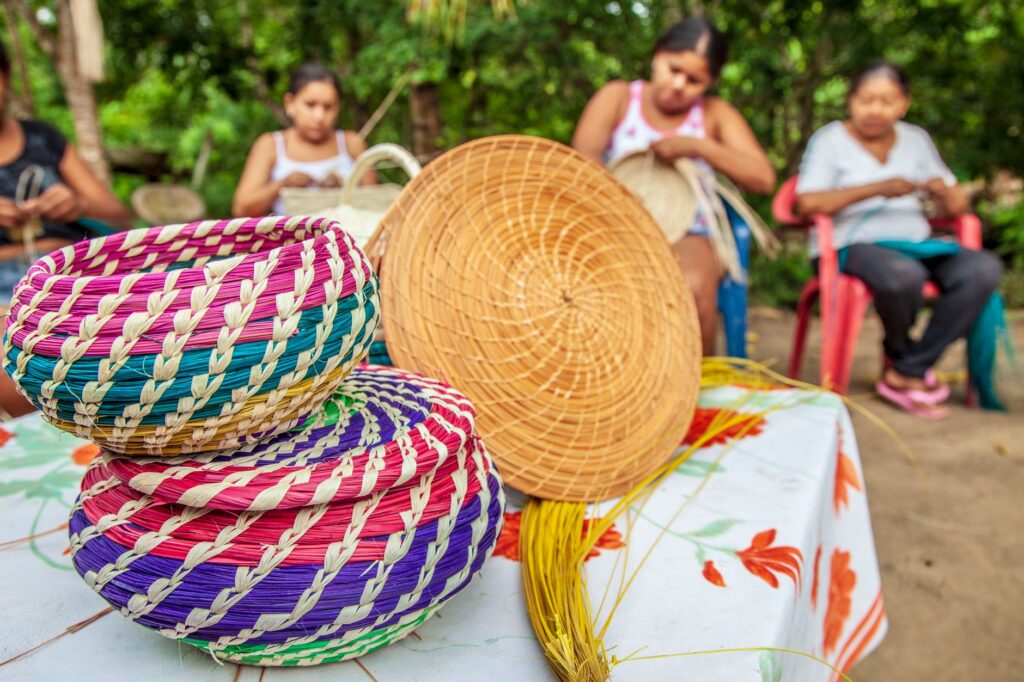
The true wealth of this destination lies in its people. Traditional crafts, far from dying out, find generational renewal here driven by pride of belonging. In artisanal workshops hidden behind discreet entryways, saddle makers, wool weavers, and fique artisans continue to produce utilitarian pieces using techniques dating back to the 19th century. This is not crafts intended exclusively for the tourist circuit, but objects that form part of the daily life of the countryside and the mountain.
Local gastronomy is another fundamental pillar justifying international recognition. Based on zero-kilometer products, the cuisine of this town rescues peasant recipes where corn, plantain, locally produced beef and pork, and traditional hogaos are skillfully combined. Small family-run eateries and restaurants offer steaming dishes that comfort the body after a hike through the guardian hills. Here, eating is a social act that brings family and visitors together around long wooden tables.
- Artisanal bakery with wood-fired ovens operational for over eighty years.
- Open workshops for basketry and natural guadua fiber work.
- Sunday farmers’ markets where organic fruits are sold without intermediaries.
- Specialty coffee shops with manual extraction methods and local roasting.
Community Transformation Facing Global Tourism
The leap to international fame, catalyzed by the recommendation of Travel + Leisure, has posed an inescapable challenge for this small community: how to manage the growing flow of visitors without losing its soul. Unlike other tourist enclaves that have succumbed to gentrification and the loss of local control, a model of participatory governance has been implemented here. Communal action boards and local guide associations actively participate in formulating regulations that govern tourist carrying capacity.
This transition toward sustainable tourism has not been without tensions, but a long-term vision has prevailed. Young people, who previously migrated massively to large Colombian metropolises in search of opportunities, now find economic and professional incentives to stay in their homeland, retraining as tourism entrepreneurs, cultural managers, and conservationists. This youth rootedness is the best guarantee that local identity will endure against the onslaught of massification.
Infrastructure and Connectivity Challenges in the Rural Environment
Integrating a mountain municipality into global tourism circuits requires overcoming considerable geographical and infrastructural barriers. Access roads, although paved in their main sections, suffer the rigors of the rainy season, when landslides test the response capacity of departmental authorities. Digital connectivity, meanwhile, advances unevenly, a factor that, paradoxically, many visitors value positively as an opportunity for mandatory digital detox.
Local public transportation centers around iconic willys jeeps, four-wheel-drive vehicles connecting the most remote rural hamlets with the urban center. These vehicles, authentic icons of coffee culture, not only transport cargo and passengers but act as socialization spaces where locals and travelers share anecdotes and recommendations. Recent public investments have focused on improving road signage and equipping the municipality with a tourist information center to guide visitors without disrupting urban tranquility.
Practical guide
How to get there: Main access is by land from the departmental capital or the neuralgic center of the Coffee Triangle. The bus or private vehicle journey takes between two and three hours, winding through mountain roads with exceptional panoramic views.
When to go: Months with lower rainfall include the period between December and February, as well as July and August. However, the rainy season offers a more intense green landscape and considerably lower tourist influx.
Where to stay: Native guesthouses and colonial mansions restored by local families are prioritized, guaranteeing an intimate accommodation experience and direct support to the community economy.
Essential recommendations: Appropriate mountain footwear for hiking, lightweight waterproof clothing, and a respectful attitude toward local customs and community rest hours are indispensable.
The Final Heartbeat of the Mountain
When the afternoon declines and the shadows of the hills stretch over the mud tile roofs, the town regains its purest silence. At that moment, sitting on a park bench under the dim light of colonial streetlamps, one understands the true dimension of the recognition received. It is not a commercial trophy or a fleeting social media label, but the legitimate recognition of a community that has decided to own its destiny. This corner of the Colombian Andes demonstrates that the deepest beauty is not that which imposes itself with stridency, but that which endures in the memory of those who know how to look with an open soul.
Source in EN: Revista Semana – ‘Travel + Leisure’ recommends it: the small Colombian town that sneaked among the country’s unmissable destinations (https://www.semana.com/turismo/articulo/travel-leisure-lo-recomienda-el-pequeno-pueblo-colombiano-que-se-colo-entre-los-destinos-imperdibles-del-pais/2024/).