
The muffled roar of the diesel engine merges with the whistling wind descending straight from the hanging glaciers of Hardangervidda. At over a thousand meters above sea level, the railway connecting Oslo to Bergen is not merely a means of transportation; it constitutes a vital artery carved by hand into living rock, a permanent challenge to the most relentless geography in Northern Europe. Inaugurated in 1909 after decades of titanic labor marked by hurricane-force blizzards and treacherous bogs, this railway traverses landscapes where civilization shrinks to a thin line of steel and timber. Planning its journey requires understanding that Norwegian weather brooks no improvisation and that every section of the route represents a masterclass in civil engineering applied to extreme conditions.
Along its more than three hundred kilometers, the railway traverse exposes the traveler to a radical landscape transition ranging from the dense red pine boreal forests in the east to the deep western fjords sculpted by glacial erosion. Grasping the logistical complexity of this route involves analyzing timetables, intermodal connections with secondary lines such as the famous Flåmsbana, and the maintenance infrastructure that allows trains to operate even when snow depths exceed three meters. This report examines with technical rigor the operational, historical, and geographical keys required to approach this rail expedition with absolute proficiency and respect for the environment.
Engineering in the Abyss: History and Construction of the Line
The genesis of the Bergen Railway dates back to the late nineteenth century, when the Norwegian parliament approved a project considered by many contemporary engineers to be a technical chimera. Uniting the political capital of the country with the commercial port of Bergen demanded overcoming the vastest mountain plateau in Europe, an arctic wasteland of stone and ice where winter temperatures frequently drop below thirty degrees Celsius. Construction, formally initiated in 1894, employed thousands of laborers known as rallar, who worked in absolute isolation, digging dozens of tunnels by hand and with primitive explosives deep in the high mountains.
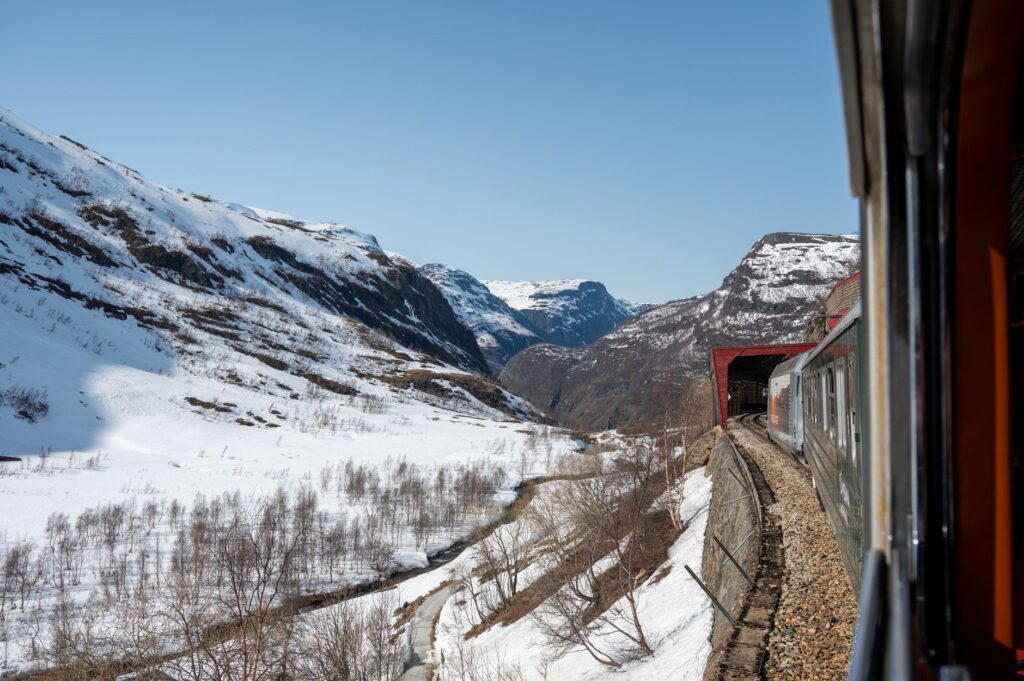
The greatest obstacle lay in the section running through Finse, the network’s culminating point at 1,222 meters of altitude. To protect the track from avalanches and snowdrifts driven by gale-force winds, engineers designed kilometers of timber snowsheds and reinforced stone galleries that continue to fulfill their original protective function to this day. Maintaining this historical infrastructure demands a continuous logistical effort, combining high-powered rotary snowplows with real-time meteorological monitoring systems that guarantee train safety before they penetrate the most vulnerable sectors of the plateau.
Ecological Transition: From Eastern Valleys to Alpine Tundra
The journey begins at Oslo Central Station, situated at sea level, and ascends gradually through the Hallingdal valley. In this initial phase, topography is dominated by slopes covered in dense spruce forests and rushing rivers meandering between ancient glacial formations. As the train gains elevation, arboreal vegetation abruptly disappears, giving way to the alpine tundra of the Hardangervidda plateau. This ecological shift not only alters the visual landscape but imposes severe technical restrictions on traction systems and the thermal stability of the carriages.
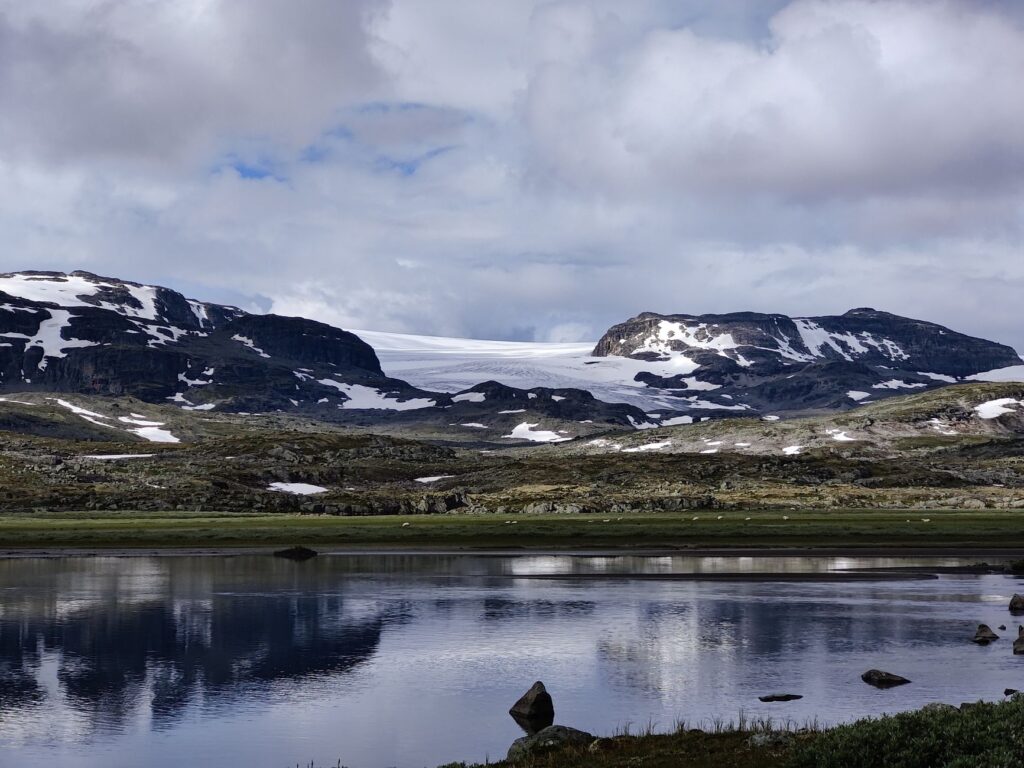
Across the plateau, the horizon expands into a monochromatic immensity where frozen lakes and perpetual snowfields dominate the perspective. Here, wildlife, composed primarily of wild reindeer herds and birds adapted to extreme cold, moves close to the tracks undisturbed by the punctual passage of the train. The environmental management of this railway corridor is rigorous; any maintenance intervention requires special permits to prevent habitat fragmentation and protect the fragile lichens and mosses that form the trophic foundation of the subarctic ecosystem.
«Conquering the Hardangervidda plateau on rails demanded defying the limits of physics and human endurance, transforming an icy wasteland into the definitive bridge between eastern and western Norway.»
Finse Station: Epicenter of Exploration and Extreme Meteorology
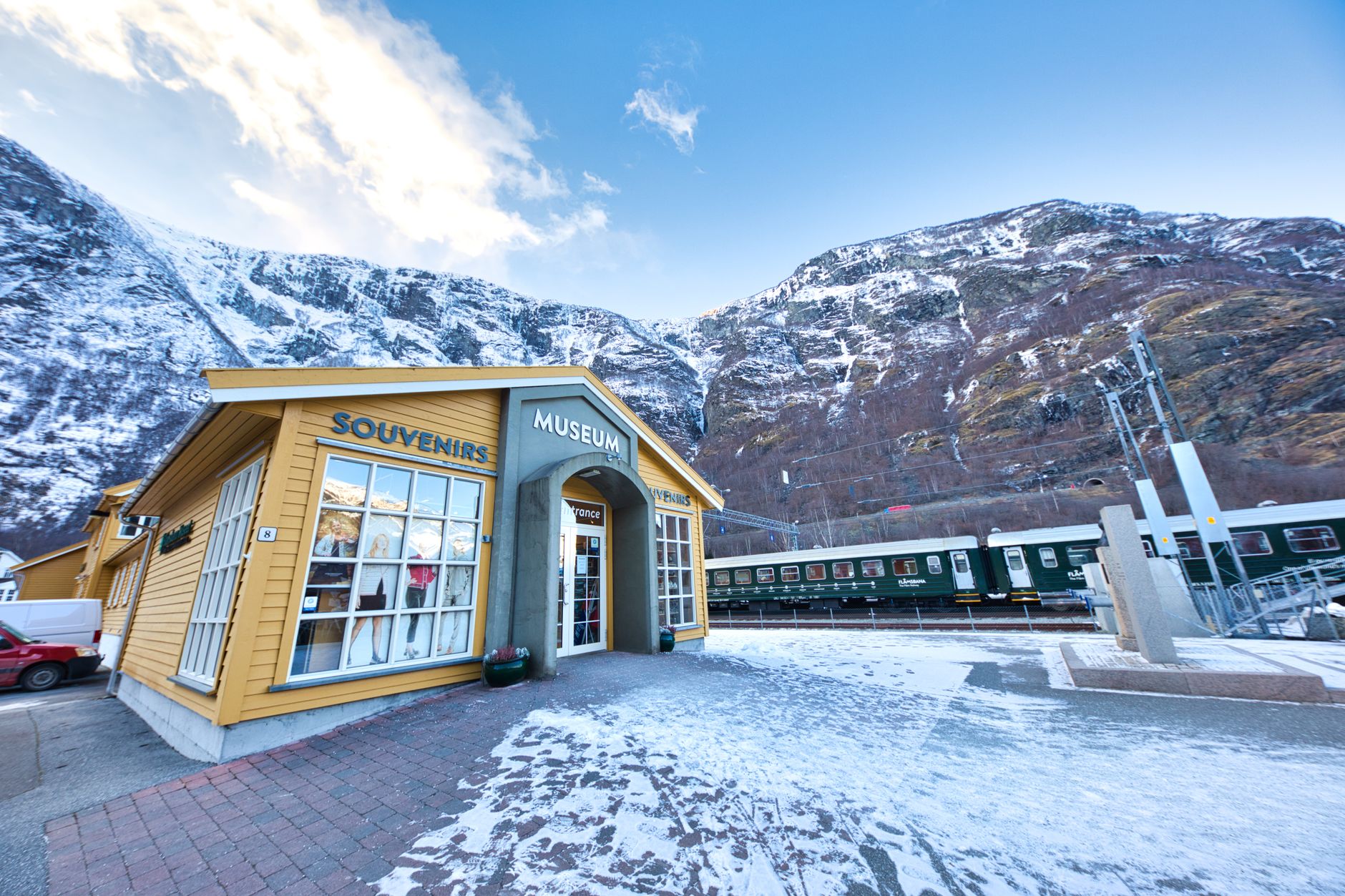
Finse is not a simple stop on the itinerary; it represents a true milestone for expeditionaries, scientists, and polar history enthusiasts. Located in the heart of the high mountains, this station hosted the training camps of pioneers like Fridtjof Nansen and Roald Amundsen, who utilized the surrounding glacial terrain to simulate the extreme conditions of their Antarctic and Arctic traverses. Today, the former maintenance building houses the Rallarmuseet, a museum documenting with photographic archives and original tools the titanic feat of railway construction.
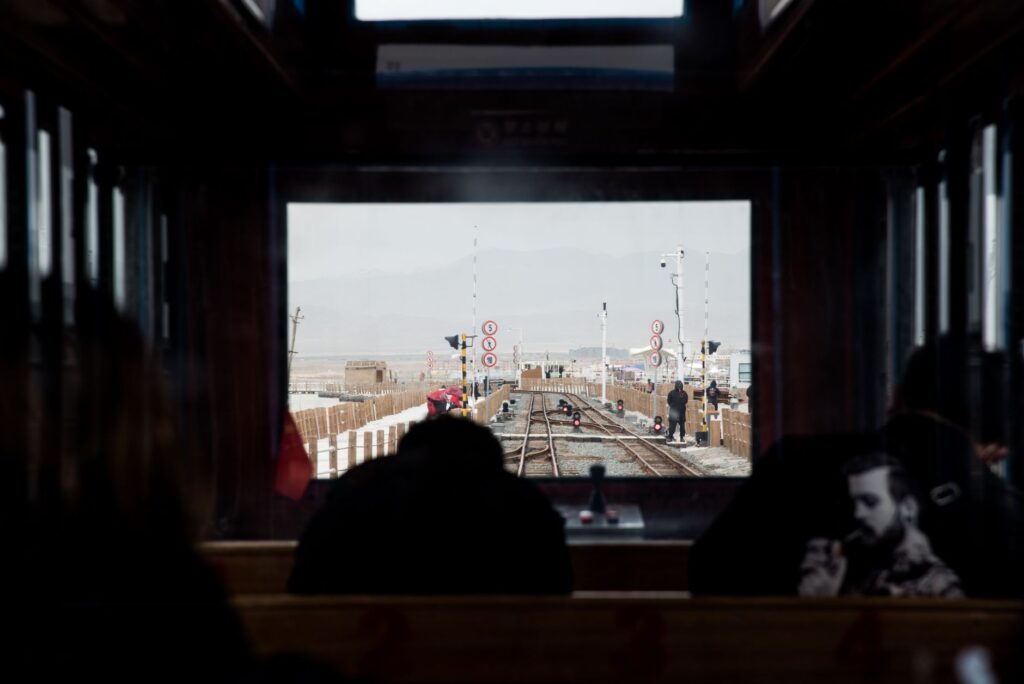
Meteorological conditions in Finse change within minutes, shifting from luminous calm to a whiteout blizzard that reduces visibility to zero. Travelers deciding to disembark at this station must be prepared with high-mountain technical clothing, even during the summer months. Historic cross-country skiing and hiking trails connecting with the Norwegian Trekking Association (DNT) huts depart from here, making this railway enclave the pivotal starting point for exploring the Hardangerjøkulen glaciers.
The Descent into the Abyss: The Flåm Branch and the Western Fjords
After traversing the Finse tunnel, the longest on the line at over ten kilometers in length, the train begins a vertiginous descent toward the Aurlandsfjord via the world-renowned Flåmsbana. This secondary branch constitutes an even more audacious engineering feat, dropping eight hundred meters of elevation over barely twenty kilometers of track through a 5.5 percent gradient that necessitates multiple braking systems and rack railways on specific historical sections.
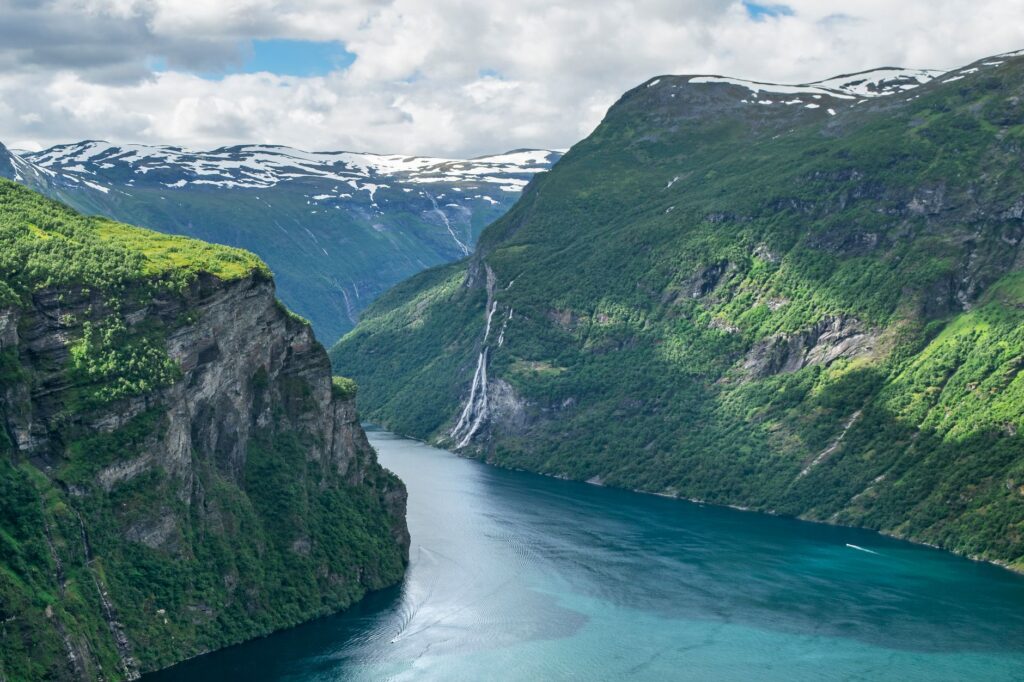
The route zigzags through vertical gorges, crosses suspension bridges over roaring torrents, and enters spiral tunnels excavated directly within the rock to safely gain or lose altitude. The experience of this descent offers an intimate perspective of fjord hydrological architecture, where waterfalls like Kjosfossen plunge furiously into the void alongside the tracks, generating a symphony of water and steam accompanying the slow and calculated advance of the tourist- and technically-adapted convoy.
Operational Logistics and Railway Connection Management
The viability of an expedition along the Bergen Railway depends on rigorous logistical planning, especially regarding advance seat reservations and understanding connections with Vy’s regional transport network and the ferry routes operating along the Atlantic coast. During peak summer and winter seasons, tickets for panoramic trains sell out months in advance, and last-minute timetable changes due to preventive maintenance work are customary on the Norwegian network.
Likewise, coordinating baggage with the space restrictions aboard the carriages is fundamental, particularly when traveling with technical camping gear, skis, or bicycles to traverse the historic Rallarmuseet paths. Main stations feature automatic lockers and baggage-forwarding services, but personal autonomy remains the essential norm for resolving any operational unforeseen events in the most isolated stretches of the route.
Track maintenance in high-mountain environments demands strict railway safety protocols. Satellite signaling systems and strain sensors on the rails allow the detection of micro-fissures caused by the thermal fatigue of steel at low temperatures. These technologies ensure that railway traffic remains fluid and safe, minimizing interruptions on a line carrying both local commuters and international expeditionaries.
«Millimetric precision in rail traffic management and constant monitoring of rock slopes guarantee safety across one of the most beautiful and challenging routes on the planet.»
Practical guide
- How to get there: The journey begins at Oslo Central Station (Oslo S) or Bergen terminal, both connected to the country’s main international airports via high-frequency express train services and buses.
- Best time to visit: June to September for hiking and full accessibility to high-mountain trails; February to May for cross-country ski expeditions and fully snow-covered landscapes across the plateau.
- Ticket reservation: Tickets for the main Bergen line and the Flåm branch must be booked at least 90 days in advance via the national railway company Vy or authorized agencies to secure optimal fares and panoramic seats.
- Recommended equipment: Technical layered clothing, waterproof footwear with high-traction soles, windproof garments for exposed sections in Finse, and offline navigation systems if planning secondary hiking routes.
- Accommodation en route: Historic mountain hotels in Finse and Myrdal, alongside the network of self-serviced and staffed huts managed by the Norwegian Trekking Association (DNT), requiring advance booking during peak season.
- Connectivity and power: Mobile phone coverage is excellent along most of the route, though interruptions may occur inside long tunnels; carrying power banks is recommended due to the impact of cold temperatures on electronic devices.
- Environmental regulations: Discarding waste in the protected environments of Hardangervidda and the fjord shores is strictly prohibited; the leave-no-trace principle applies to all outdoor activities.
The final whistle of the conductor at Bergen station marks the conclusion of a journey transcending simple geographic mobility to become a masterclass in human resilience against untamed nature. Upon stepping off the train and gazing at the dark waters of the Byfjorden flanked by the steep slopes of the western mountains, the traveler grasps the magnitude of the collective effort that made it possible to unite two worlds separated by insurmountable barriers of rock and ice. This traverse not only rewards the expeditionary with breathtaking landscapes but restores the fundamental value of time and distance measured through the measured, steady heartbeat of steel rails.