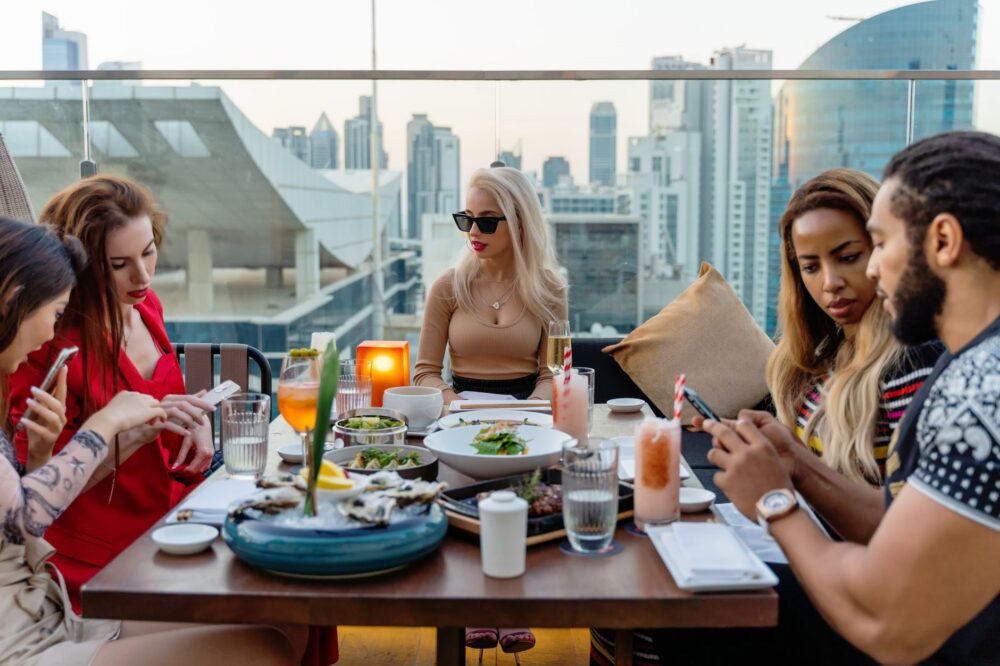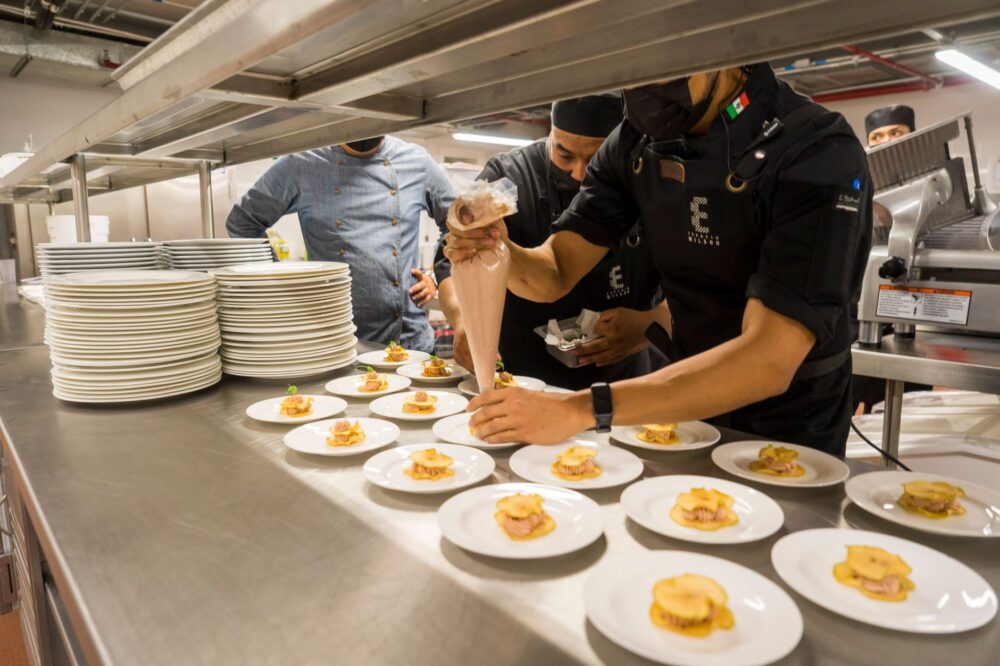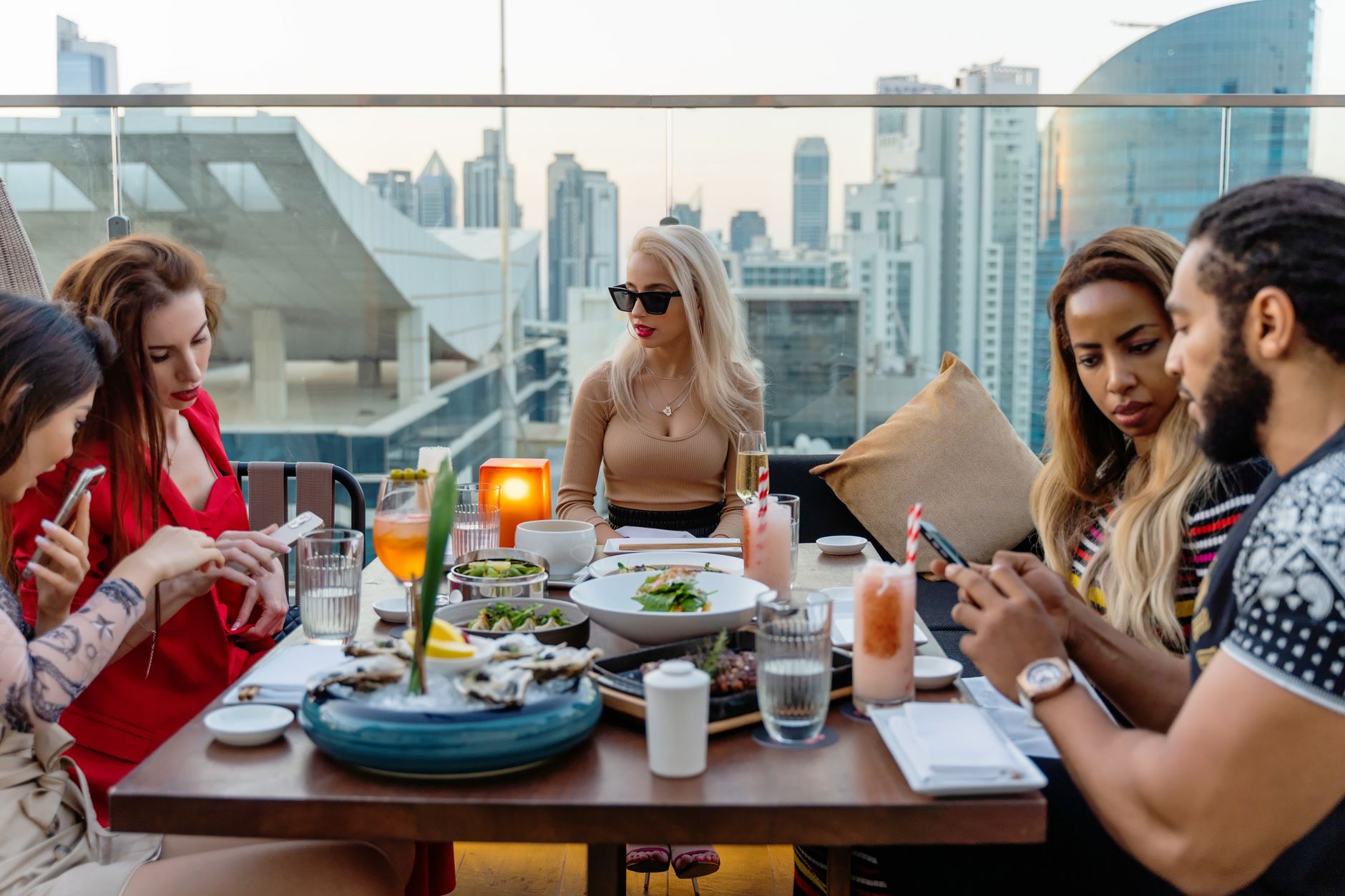

In the heart of the United Arab Emirates, a silent yet profound transformation is redefining the pulse of one of the most dynamic cities on the planet. Dubai is no longer content with dazzling passing travelers through architectural records and fleeting postcards; its grand new bet is simmering slowly in the kitchens of its markets, in the stoves of international chefs, and at tables where millennia-old traditions coexist with absolute vanguard. This evolution responds to a long-term strategic vision articulated at global forums such as the Arabian Travel Market by key industry figures like Aida Al Busaidy, director of tourism marketing and communications, who has insisted that true destination success lies in turning one-off visits into constant returns.
The premise guiding this paradigm shift is clear: culinary memory endures far longer than visual memory. While an imposing tower or a colossal shopping mall generates immediate awe, it is the aromatic profile of a spice, the texture of bread baked with ancestral techniques, or the heartfelt hospitality shared around a common dish that anchors the desire to return. Dubai has understood that to build loyalty in the contemporary traveler, offering a genuine cultural immersion is essential, with gastronomy acting as the most honest and appetizing bridge between the local inhabitant and the outsider.
The Tourism Metamorphosis Toward Permanence
For decades, Dubai’s growth was measured in record arrivals and brief overnight stays. However, tourism sector analysts detected a shift in global priorities following the pandemic. Today’s traveler seeks meaning, roots, and emotional connection. In this context, tourism authorities have promoted policies aimed at de-seasoning the offering and diversifying the motivations for travel, placing gastronomy at the beating heart of the experience. It is not merely about attracting demanding palates through the accumulation of Michelin stars, but about dignifying and highlighting the rich Emirati culinary heritage, often overshadowed by international glamour.

The true luxury in modern travel does not lie in ostentation, but in a destination’s capacity to make the visitor feel part of its daily fabric through food.
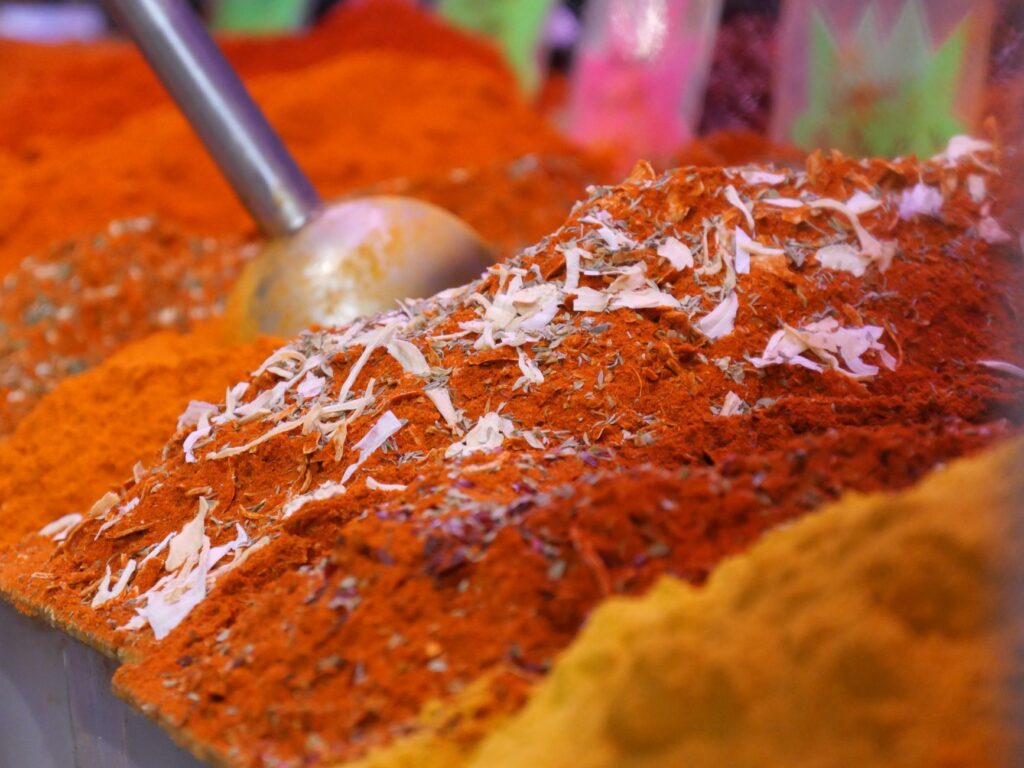
This transformation is supported by constantly evolving infrastructure that facilitates both haute cuisine and quality street food. Traditional markets, such as the Spice Souk and the Gold Souk, have been rehabilitated not merely as photographic attractions, but as living spaces where local restaurateurs source fresh and aromatic ingredients. Aida Al Busaidy has repeatedly noted that authenticity is the emirate’s most valuable asset, a reminder that beneath the skin of glass and steel beats a Bedouin culture deeply generous at the table.
Culinary Blending as Metropolitan Identity
Few places in the world reflect demographic diversity as richly as Dubai. With more than two hundred nationalities living together in harmony, the food landscape is a vibrant mosaic where Levantine, Persian, Indian, Pakistani, and authentic Emirati traditions coexist. This melting pot has not produced a bland mixture, but rather a sophisticated scene of spontaneous fusion alongside fierce respect for original recipes. Local restaurants are true cultural ambassadors where each dish tells a story of migration, trade, and adaptation.
Chefs operating in the city face the constant challenge of innovating without losing historical anchorage. On one hand, forgotten traditional preparations are being revived, such as machboos—a spiced rice dish with meat or fish—or luqaimat—crispy dumplings drenched in date syrup. On the other hand, experimentation thrives with fermentation, desert produce, and sustainable fishing from the Persian Gulf. This duality turns Dubai into a unique culinary laboratory where past and future converse with every service.
The Economy of Experience and Loyalty
The concept of loyalty in contemporary tourism transcends point systems and hotel loyalty cards. It is founded on the creation of lasting emotional bonds. When a traveler discovers a small canteen in Deira recommended by a resident, or learns to grind cardamom in a community workshop in the historic Al Fahidi district, their relationship with Dubai changes category: they cease to be a tourist and become an emotional ambassador for the city. Current promotional campaigns prioritize these types of immersive experiences over mass advertising.
Tourist return rates in the emirate have shown sustained growth in recent analyzed periods, a phenomenon experts attribute directly to the diversification of leisure and dining offerings. Visitors return not to re-see what they already know, but to deepen what remained pending, with a culinary agenda constantly renewed through the arrival of new culinary talent and the consolidation of independent projects rooted in the territory.
Sustainability and Local Larder: The New Horizon
For years, the myth that Dubai depended exclusively on imports to supply its kitchens overshadowed the emergence of nascent local agriculture. Today, food sustainability has become a strategic priority for both the government and the most conscious restaurateurs. Hydroponic farming, high-tech desert greenhouse agriculture, and responsible fishing are transforming the supply chain, allowing fresh, local products to reach the tables of the city’s top establishments.
- Desert Agriculture: Innovative projects allow the harvest of vegetables and leafy greens in extreme conditions, reducing the carbon footprint associated with international transport.
- Regulated Artisanal Fishing: Strict measures protect native species of the Gulf, promoting conscious consumption in seafood restaurants.
- Waste Reduction: Initiatives driven by local hospitality associations encourage composting and resource optimization in large commercial kitchens.
- Support for Supply Markets: Institutional programs incentivize direct purchasing from small regional producers in traditional souks.
This commitment to the environment is not mere ecological marketing, but an existential necessity for a region with limited water resources. Chefs are fully aware that the future of haute cuisine in Dubai depends on preserving its natural environment, integrating this narrative into the diner’s experience through tasting menus that pay homage to the desert and marine landscape.
The Role of Women in Culinary Vanguard
A frequently invisible yet fundamental aspect of Dubai’s culinary evolution is female leadership in the kitchen and the management of gastronomic projects. Far from stereotypes, numerous Emirati women and female residents lead bakeries, rural entrepreneurship projects, and haute cuisine restaurants, reinterpreting family recipes with a contemporary eye. Their influence has been decisive in preserving the conservation and marinating techniques that characterize the region’s home cooking, elevating them to the category of high gastronomy.
These chefs and entrepreneurs not only manage successful businesses, but act as mentors for new generations, demonstrating that the food industry is a motor of empowerment and social cohesion. Through workshops, publications, and international collaborations, they project Emirati cultural identity outward with an elegance and rigor that disarms any colonialist prejudice about the region.

Practical guide
Planning a culinary trip to Dubai requires looking beyond conventional circuits to connect with the true culinary soul of the emirate.
When to go?
The months between November and April offer the best weather conditions, ideal for exploring outdoor markets and enjoying terraces and waterfront culinary experiences without the intense summer heat.
How to get around?
Dubai’s metro system is efficient and connects major commercial zones, but to explore the historic neighborhoods of Deira and Bur Dubai, or to access traditional markets, using official taxis or abras (traditional wooden boats) is the most authentic and practical option.

Recommended addresses
To sample contemporary Emirati cuisine, look for local establishments in the historic Al Fahidi district; for spices and authentic products, walk the covered aisles of the Spice Souk in Deira.
Emotional closure
The true transformation of a journey is not measured in dishes photographed for social media, but in the lingering imprint left by shared hospitality. On any given afternoon, beneath the shade of a palm tree in an inner courtyard of old Dubai, as the aroma of cardamom coffee blends with the evening breeze, the visitor realizes that the distance between stranger and home shrinks to the generosity of a table set with affection. It is in that moment of stillness that the destination ceases to be a place visited and becomes a place to which one always wishes to return.
Source in EN: Travel2Latam – ATM Dubai: Aida Al Busaidy explains why Dubai wants to turn visitors into repeat travellers