The Arctic Express: Tunnel Engineering, Fjord Logistics, and Rail Connectivity Toward Northern Sweden
An authoritative analysis of the legendary Ofoten line and the Arctic transport traversing the Swedish Lapland, exploring its century-old architecture, extreme permafrost challenges, and the commercial pulse between Kiruna and the port of Narvik.
The deep north of Europe conceals one of the most formidable feats of railway engineering on the planet: the Ofoten line and its extension along the Malmbanan, the corridor linking the iron ore deposits in Kiruna with ice-free ports on the Norwegian Sea. Traversing impossible gorges, frozen lakes, and gradients pushing the limits of classical physics, this railway is not merely a means of transport, but the umbilical cord sustaining life and industry in one of the most inhospitable regions on earth. Traveling along this route means plunging into a territory where nature imposes its own rules and where every kilometer of track represents a victory of human technique over relentless Arctic weather.
For decades, the historiography of transport has overlooked the strategic value of this rail link, often overshadowed by the grand alpine panoramic trains. Yet the true dimension of the Arctic Express lies in its dual nature: a heavy freight industrial artery and, simultaneously, a passenger journey of breathtaking beauty. Understanding its operation requires delving into the maintenance workshops of Luleå, conversing with machinists braving polar darkness, and analyzing the complex logistical formulas guaranteeing train circulation even when thermometers plunge forty degrees below zero.
The Birth of a Transnational High-Mountain Corridor
The genesis of this railway dates back to the late 19th century, when the Swedish and Norwegian governments realized the mineral wealth of interior Lapland was valueless without a direct outlet to the Atlantic. The project required scaling the Scandinavian Alps at points where granite rock appeared impassable. Engineers of the era faced a titanic obstacle: building tunnels through mountains subjected to constant freeze-thaw cycles, where human labor relied on rudimentary tools and newly invented dynamite. The colossal effort cost the lives of numerous workers, whose sacrifices rarely appeared in the lavish official reports celebrating the official inauguration at the dawn of the 20th century.
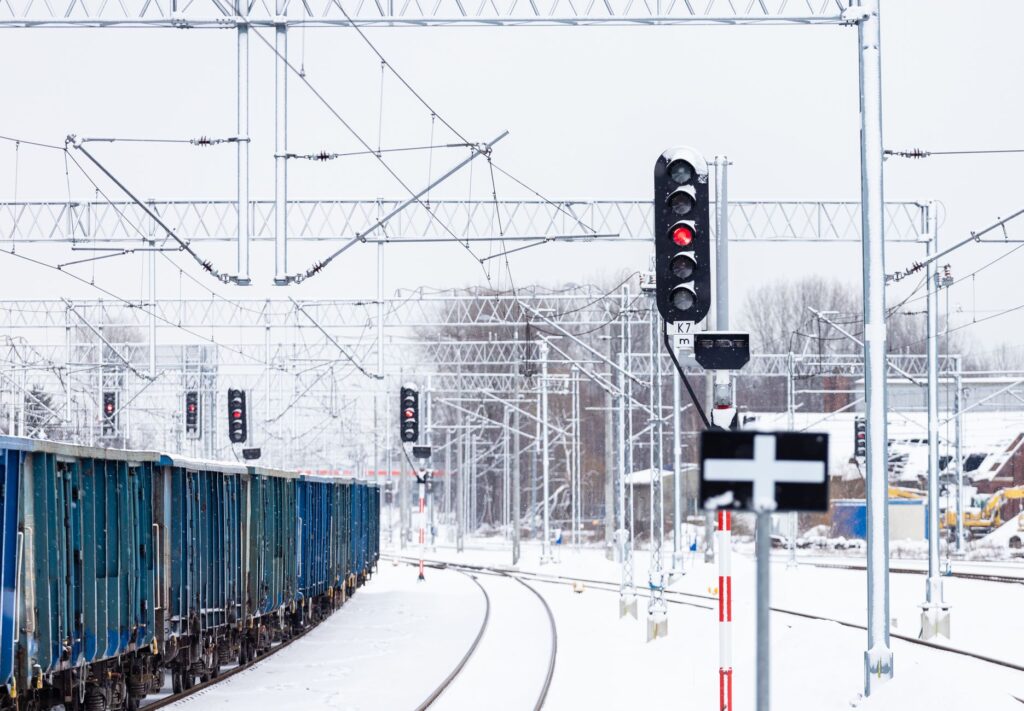
Over the decades, the line was pioneered in electrification, harnessing the immense hydraulic force of the region’s roaring rivers. This modernization turned the corridor into a global testing ground for electric traction in extreme cold. Catenaries had to withstand heavy accumulations of ice without snapping, a technical milestone laying the groundwork for railway development in northern Russia and Canada. Today, original stone structures and riveted metal bridges coexist with state-of-the-art digital signaling systems, demonstrating a seamless symbiosis between industrial heritage and technological avant-garde.
The Relentless Logistics of Iron Ore
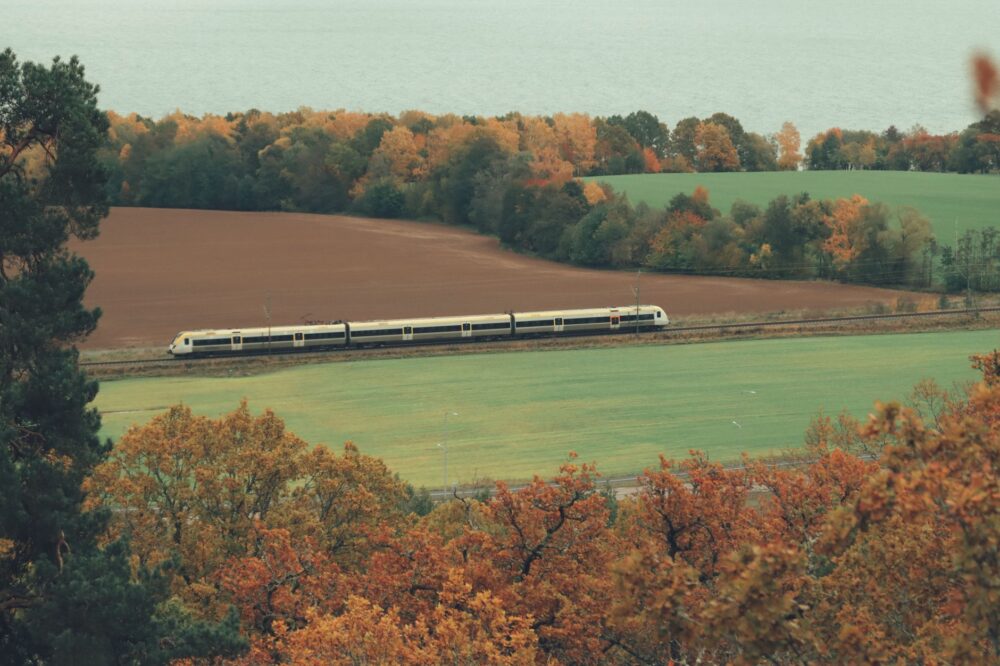
The economic heart of this line beats to the rhythm of Kiruna’s ore trains, operated by the state-owned company LKAB. Each freight convoy, comprising dozens of high-capacity cars, hauls thousands of tons of raw material and pellets toward the Norwegian port of Narvik. The millimetric precision scheduling these journeys avoids saturation on a single-track line shared with passenger trains and general cargo convoys. Any delay in Kiruna immediately impacts maritime loading times, affecting the steel supply chain across all of Western Europe.
Infrastructure Resilience Against Permafrost
Maintaining an operational railway crossing the Arctic Circle is a continuous logistical challenge. Climate change and seasonal thermal variations cause soil instability, forcing engineering teams to constantly consolidate embankments and monitor bridge integrity using laser sensors and fiber optics. Rotary snowplow machines, mechanical monsters equipped with colossal turbines, become the sole salvation when snowstorms bury the tracks meters deep. Investment in preventive maintenance far exceeds budgets for other European lines, reflecting the unwavering commitment of Nordic operators to safety and punctuality.
The Traveler’s Experience: Between Polar Night and Midnight Sun
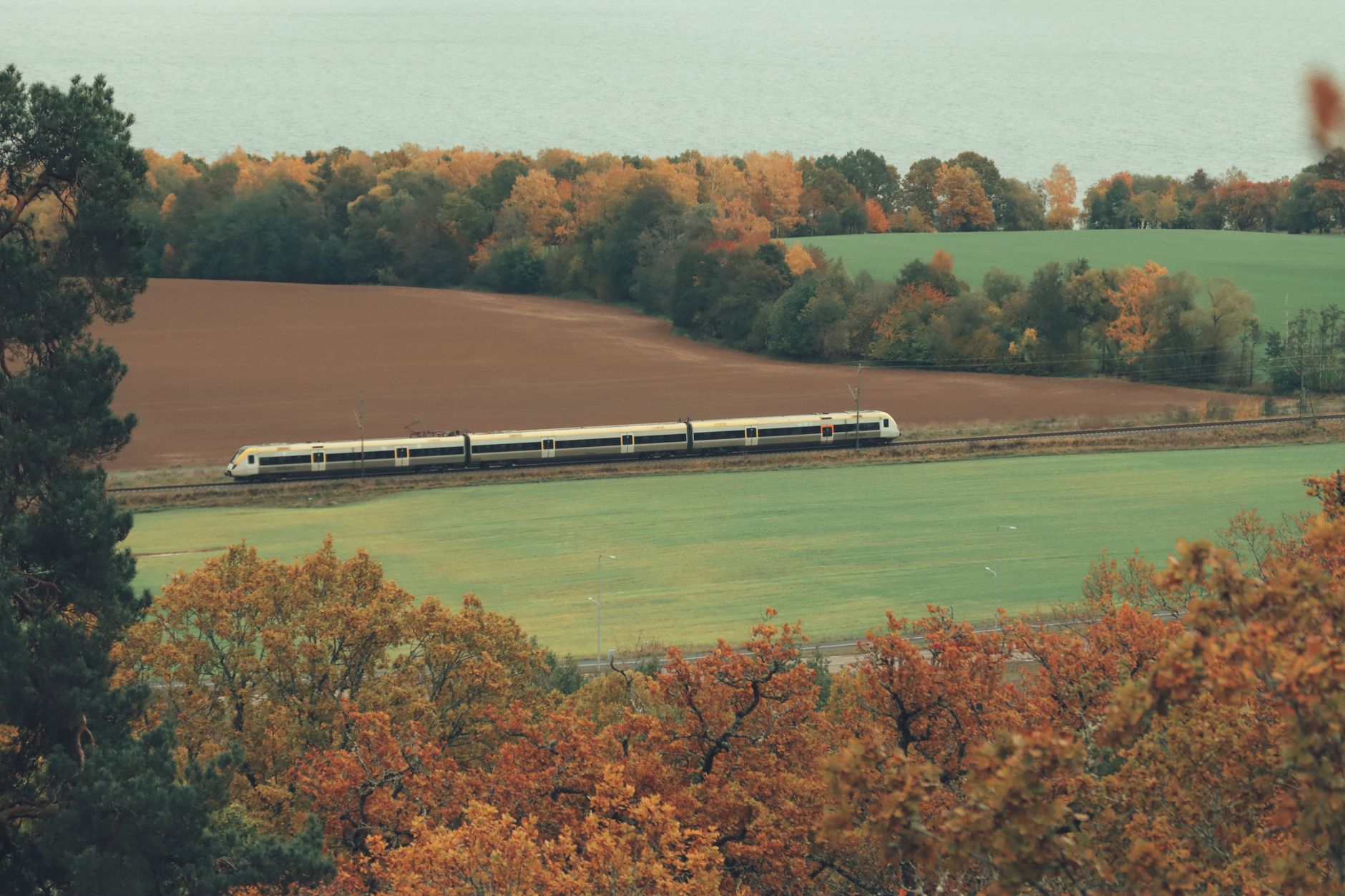
For travelers ascending from Stockholm or Luleå, passing through the deep north offers a radical shift in landscape perspective. The endless expanses of taiga spruce trees and wetlands progressively yield to the sharp, barren peaks of Abisko National Park, a global paradise for northern lights observation due to its unique microclimate of clear skies. Passenger cars, warmly heated and designed with large panoramic windows, allow observation of native fauna, including reindeer herds grazing near embankments and, occasionally, the elusive silhouette of a solitary moose defying the chill.
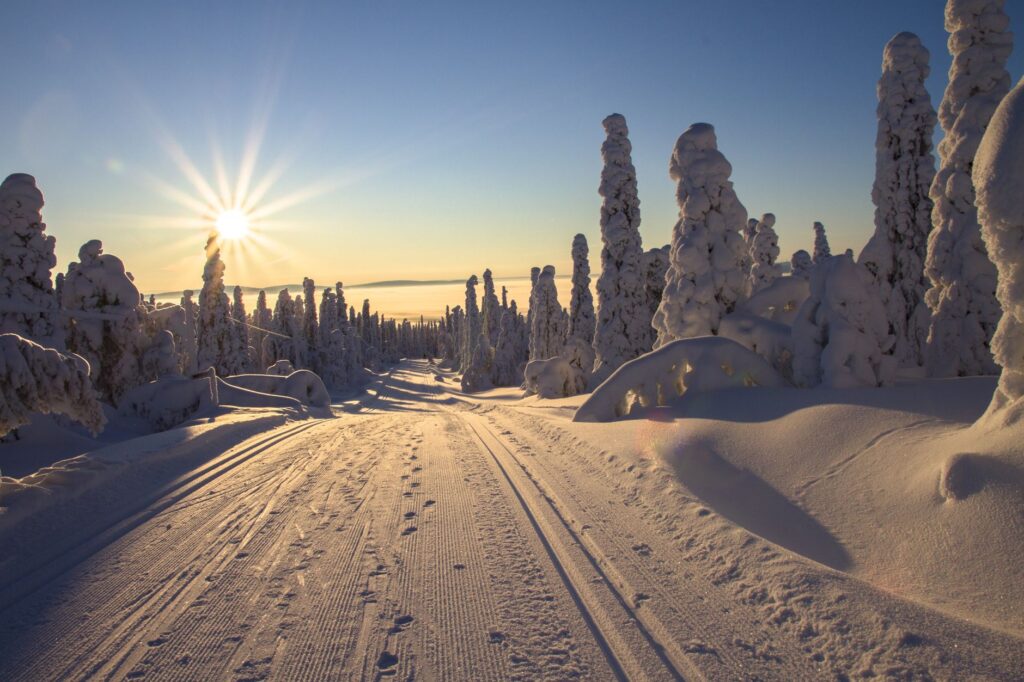
The rhythm of the journey invites pause and contemplation. In winter, the perpetual darkness of the polar night is magically illuminated by the green and violet glow of the aurora borealis, a celestial spectacle drawing photographers and scientists worldwide. In summer, by contrast, the midnight sun bathes the fjords in a golden light lasting twenty-four hours a day, blurring the boundary between day and night and enabling late-night hiking excursions under ethereal clarity.
The northern railway is not merely a communication route; it is an iron lifeline defying the limits of the Arctic winter to connect industry with the sea.
Abisko and Atmospheric Science
One of the unmissable stops along this route is the Abisko Turiststation, a nerve center for both ecotourism and international scientific research. Nearby lies the Abisko Scientific Research Station, where globally renowned climatologists study the impact of global warming on high-mountain ecosystems and permafrost degradation. Travelers have the opportunity to attend educational lectures, understand the delicate balances of the Arctic tundra, and hike part of the famous long-distance trail known as the Kungsleden, which runs parallel to the railway for several stretches.
Narvik: The End of the Journey at the Fjord
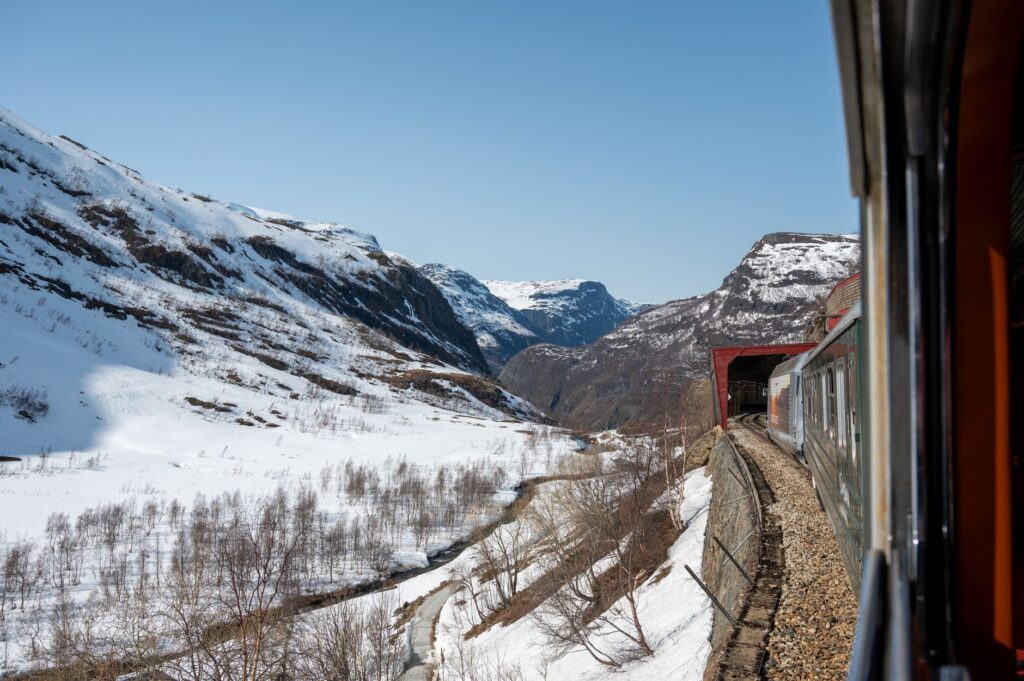
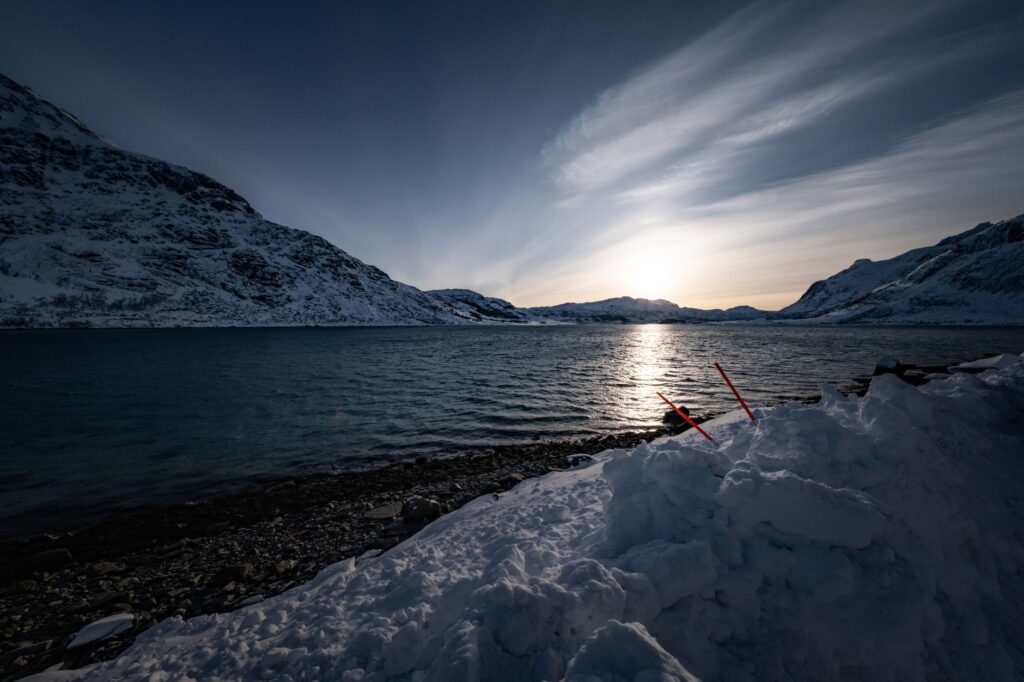
The culminating point of the journey is reached when descending toward Narvik, where tracks plunge literally into the dark, deep waters of the Ofotfjord. This port city, marked by its intense historical past during the Second World War and naval battles for iron ore control, now offers a vibrant maritime atmosphere. Visitors can explore local museums dedicated to military and mining history or take the cable car ascending Mount Fagernesfjellet for an incomparable panoramic view of cargo ships docked alongside automated piers.
Practical guide
Planning a journey along the northern rail corridor of Sweden and Norway requires rigor and foresight, particularly due to extreme winter weather conditions. Essential logistical aspects are detailed below to ensure an optimal experience.
How to Get There: The primary air entry gateway is Kiruna Airport (KRN) via connecting flights from Stockholm-Arlanda operated by Scandinavian Airlines (SAS). Alternatively, travelers can take an overnight sleeper train from the Swedish capital, an eighteen-hour journey traversing the entire country from south to north.
When to Visit: The winter season (December to March) is ideal for northern lights viewing and activities like dog sledding, with temperatures typically ranging between -10°C and -30°C. The summer season (June to August) offers the midnight sun, mild temperatures around 15°C, and optimal hiking conditions in Abisko.
Tickets and Reservations: Tickets for passenger trains operated by SJ AB and Norway’s Vy must be booked weeks in advance, particularly for sleeping compartments in peak season. Purchasing combined passes is recommended if planning stopovers in Abisko and Björkliden.
Recommended Equipment: Layered technical clothing, winter boots with slip-resistant soles, merino wool socks, and protective covers for camera batteries are indispensable, as extreme cold drastically reduces operating autonomy.
Journeying north is accepting the silent lesson of the landscape: true human greatness lies in knowing how to coexist with nature’s imposing austerity.
At the end of the journey, when the train finally stops before the Narvik pier and the echo of the diesel-electric engine fades into the freezing fjord air, there remains the certainty of having traversed one of the most extraordinary settings on the planet. This is not simply a geographical relocation, but a voyage questioning travelers on civilization’s capacity to weave networks of steel and commerce at the ends of the earth, where snow and rock dictate an eternal law of respect and survival.
ATLAS LUME · ANTES DE VIAJAR
Una lectura que continúa en el destino
DocumentaciónComprueba visados, requisitos sanitarios y vigencia de documentos en fuentes oficiales.
ReservasConfirma el precio final, impuestos y condiciones directamente con el proveedor.
Viaje responsableRespeta las comunidades, el patrimonio y los ecosistemas locales.